NP
Nonlinear Processes in Geosciences

Economy

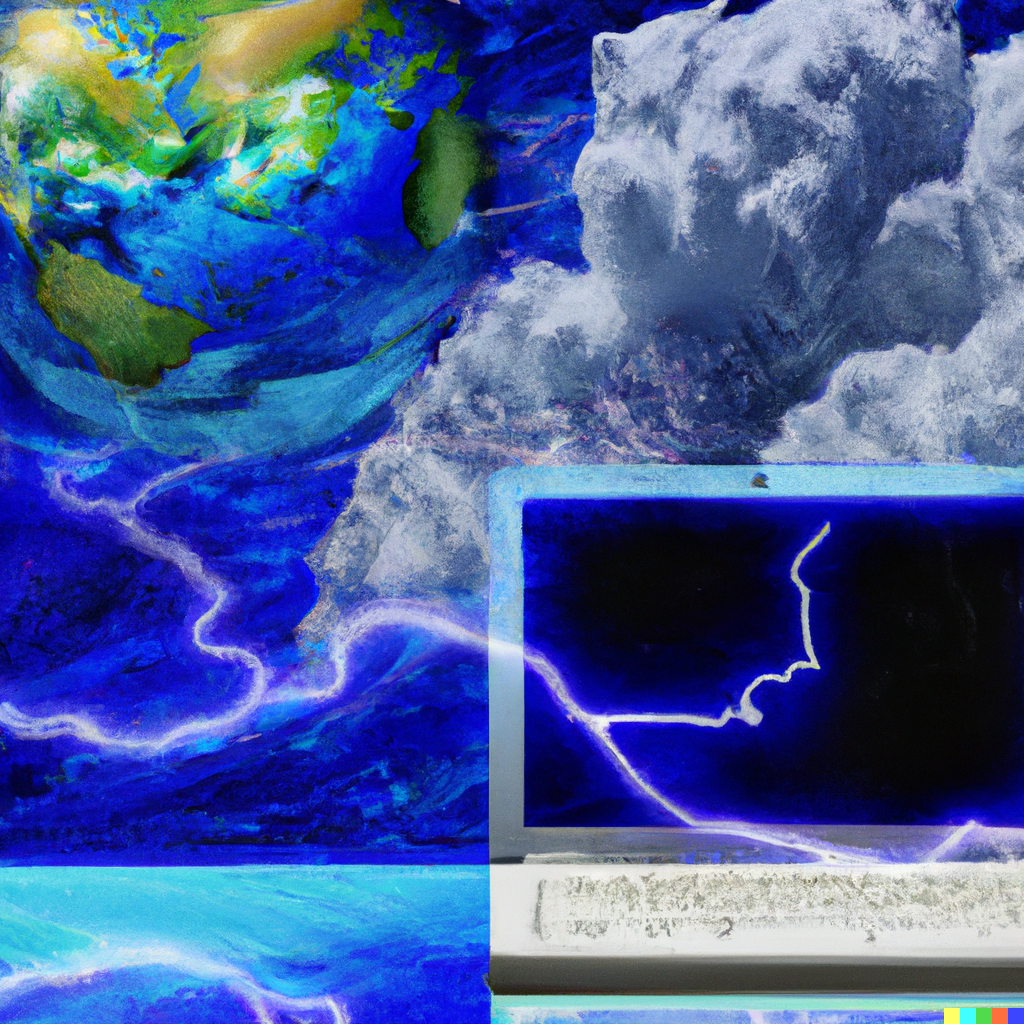
How Climate Change fuels intense Thunderstorms in Italy
How Climate Change fuels intense Thunderstorms in Italy
In the blistering heat of July 2023, a series of violent thunderstorms struck the serene landscapes of northern Italy, leaving behind a trail of devastation, despair, and grief. Unleashing their fury upon the unsuspecting region, these tempestuous storms unleashed torrential rains, hailstones the size of tennis balls, and ferocious winds exceeding 150 km/h. Amidst the chaos and destruction, homes ...[Read More]

Sea level rise: a global threat in a warming planet

Sea level rise: a global threat in a warming planet

Over 70% of the Earth’s surface is covered by seas and oceans but in the geological past the extension of sea and land has varied several times as sea level changed over time. During the past millions of years, the oceans have cyclically retreated and expanded with the alternating of warmer and colder climatic periods in consequence of the astronomical motions of the Earth, repeatedly changi ...[Read More]

The Great Cold Debate: Is Climate Change to Blame for Extreme Cold Spells?

The Great Cold Debate: Is Climate Change to Blame for Extreme Cold Spells?

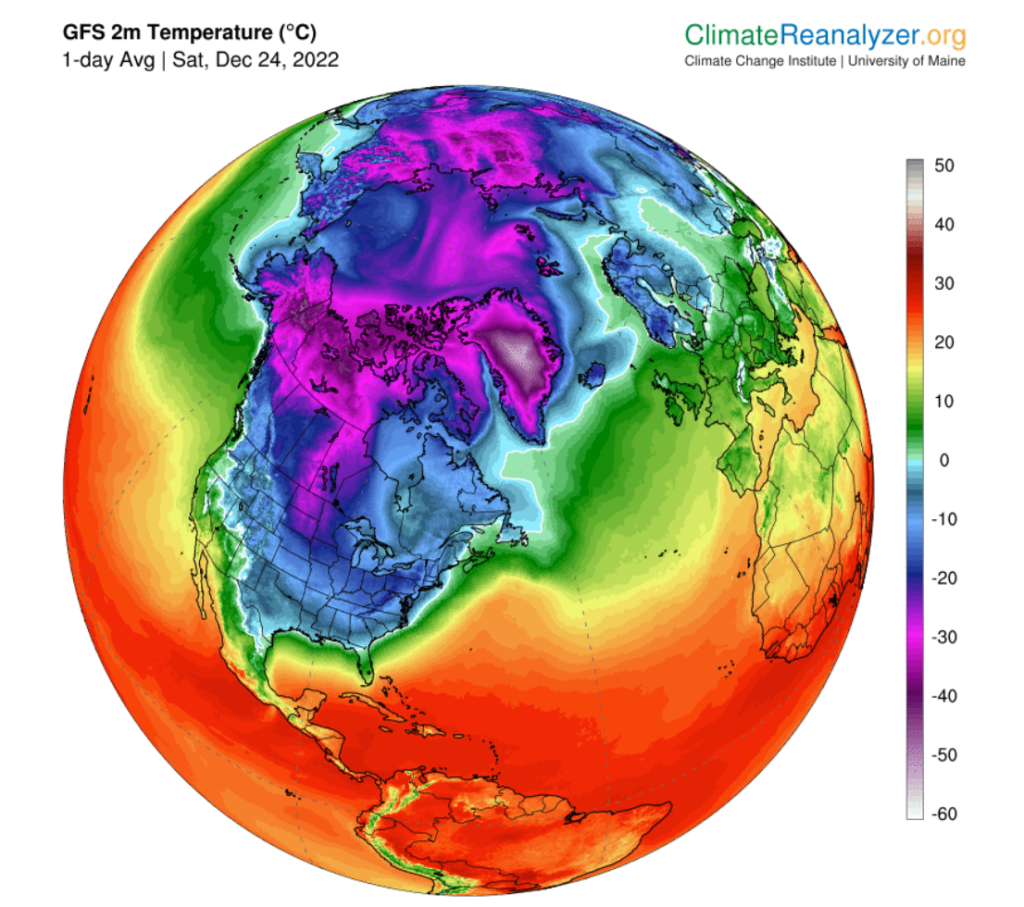
In  December 2022, the United States experienced a severe cold spell, with record-low temperatures being recorded in many parts of the country. While it is natural for cold spells to occur, the question has arisen as to whether climate change is playing a role in the intensity and frequency of these events. There is ongoing debate among scientists about the relationship between climate change and ...[Read More]

NP Interviews: Davide Faranda (CNRS) on the topic “global warming and extreme events in Europe”

NP Interviews: Davide Faranda (CNRS) on the topic “global warming and extreme events in Europe”

Davide Faranda is a physicist at the French National Center for Scientific Research (CNRS). His main interests are devoted to the construction of a statistical mechanical and dynamical systems framework for the study of atmospheric motions. In particular, his works aim at the characterization of the metastable states of the atmospheric circulation with simple mathematical and statistical tools, an ...[Read More]

A few reasons making the June 2022 French Heatwave too hot & too soon

A few reasons making the June 2022 French Heatwave too hot & too soon

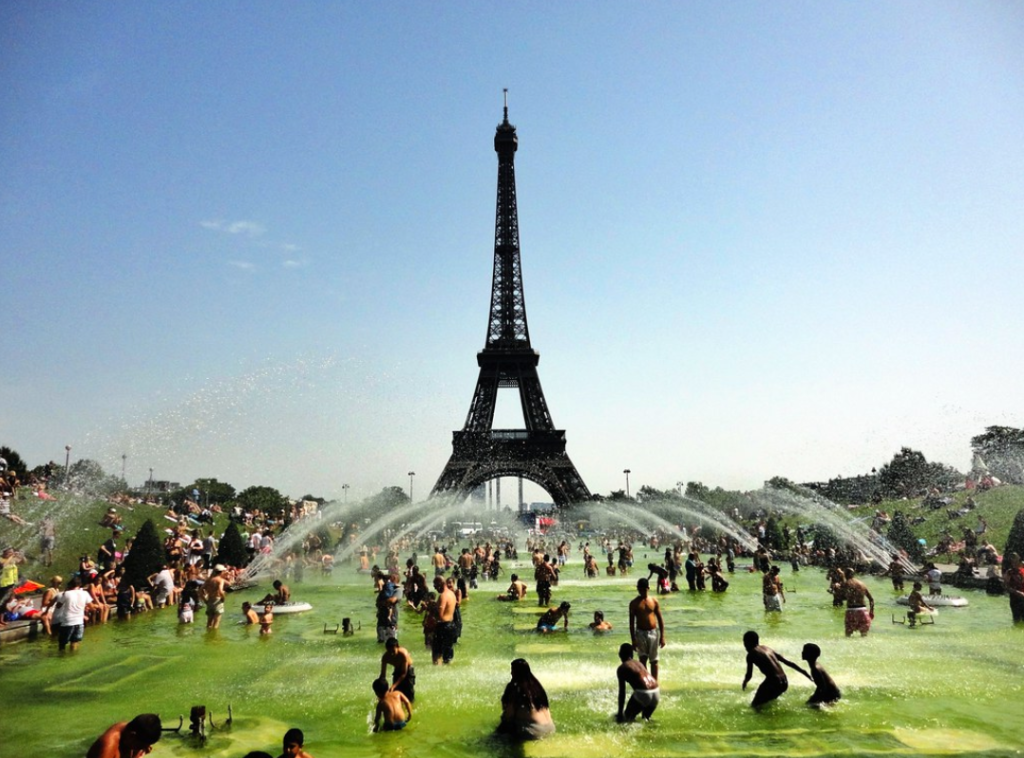
Too hot, Too soon: the thermometer has reached unprecedented temperature for a month of June in France, with the 40°C mark crossed by Friday June 17 in part of France. The IPCC AR6 report now clearly states that the probability of heatwave events such as this one has increased by a factor 3 to 5 in the present climate with respect to a counterfactual world not affected by anthropogenic greenhouse ...[Read More]

When weather extremes meet climate change: how do scientists attribute single events to climate change?

When weather extremes meet climate change: how do scientists attribute single events to climate change?

One of the main new points of the IPCC reports AR6 with respect to the previous ones is the increased confidence that global climate change induced by anthropogenic emissions is critically affecting the dynamics of weather extremes. For summer, and specifically over Europe, the AR6 report states that we are already observing prolonged periods of extremely warm conditions with increased droughts bo ...[Read More]

From the eyes of tropical cyclones to flooded strands : how climatologists use weather events to make climate predictions?

From the eyes of tropical cyclones to flooded strands : how climatologists use weather events to make climate predictions?

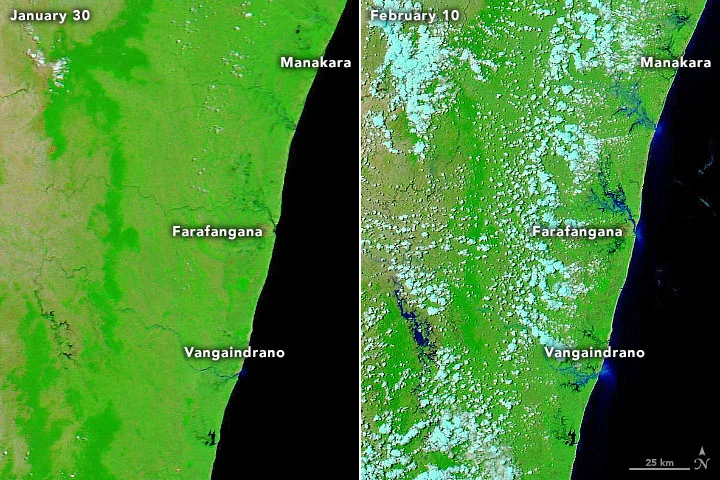
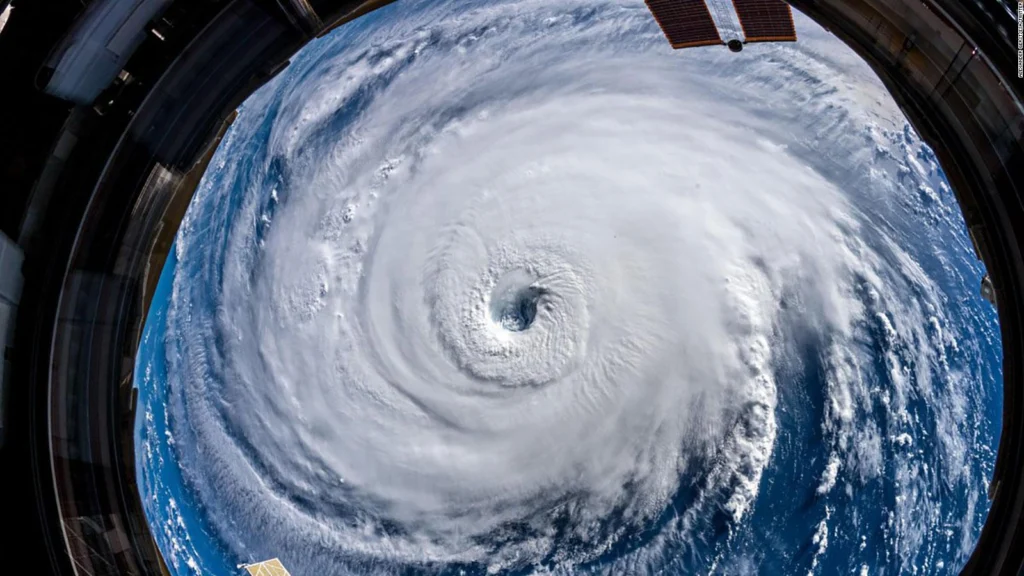
While extreme events are meteorological in nature, climatologists collect them to draw conclusions about the state of the present climate and to get clues how they possibly change in the future. Thus, climate and weather find common ground. If we consider an event alone, we are not studying the climate, we are in the field of meteorology, the goal of climatologists is therefore to put extreme even ...[Read More]

Three reasons why Forest-Fires worsen with climate change

Three reasons why Forest-Fires worsen with climate change

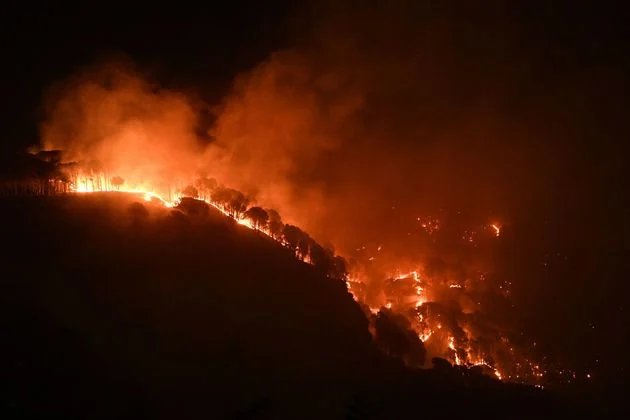
The brand-new IPCC AR6 report clearly states that “Unless there are immediate, rapid and massive reductions in greenhouse gas emissions, limiting warming to around 1.5°C, or even 2°C, will be out of reach”. Although as human beings we do not perceive changes in global Earth average temperatures as a threat to our lives, the IPCC report also states that extreme weather events will worsen; actually ...[Read More]

Four reasons for still observing cold spells despite the undeniable global climate change

Four reasons for still observing cold spells despite the undeniable global climate change

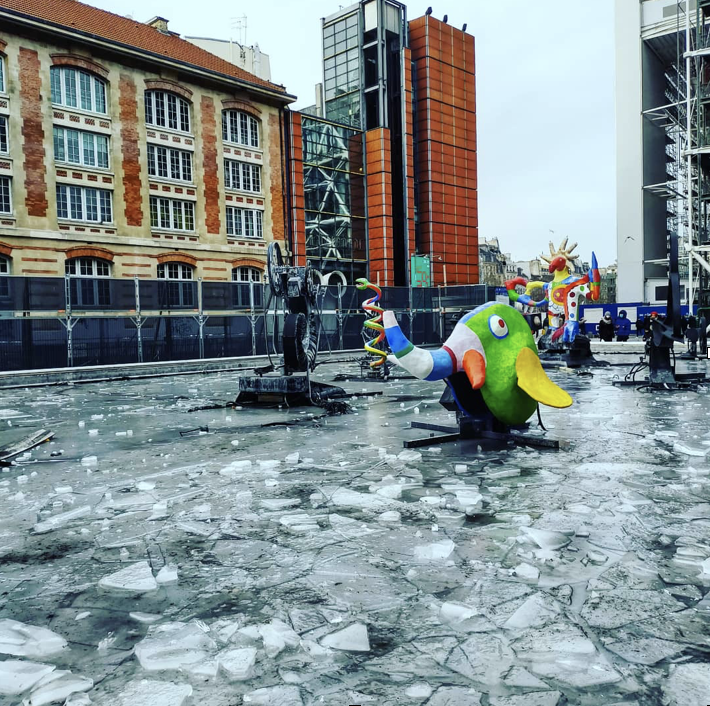
The winter of 2020-2021 has been characterized by various cold waves affecting – at different times – Western and Eastern Europe and North America.  The most striking pictures show Madrid covered by up to 40 cm of fresh snow, frozen Thames near London and Canal St Martin in Paris, heavy snow in Amsterdam and even on the Eolian Islands, just offshore Sicily. At first this seems contradi ...[Read More]

Is planting trees a feasible large-scale solution to mitigate climate change?

Is planting trees a feasible large-scale solution to mitigate climate change?

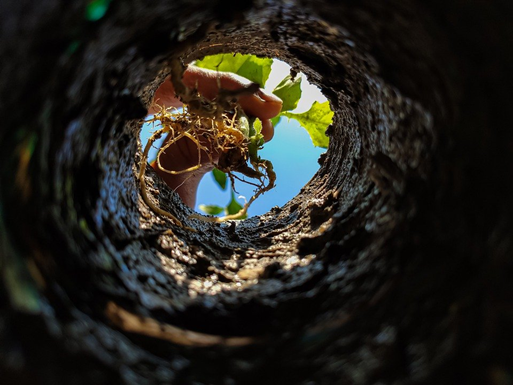
In the last few years it has become a common practice to compensate carbon dioxide (CO2) emissions by planting trees. This idea is simple and rooted on a very basic principle: trees get the energy of sunlight, and by photosynthesis they take water from the ground and CO2 from the air, releasing oxygen in the atmosphere. The CO2 is then stored in trees and surrounding soil. Tree planting efforts ar ...[Read More]