NP
Nonlinear Processes in Geosciences

Outreach

Rethinking the carbon cost of scientific exchange: Nonlinear effects of reducing scientific mobility
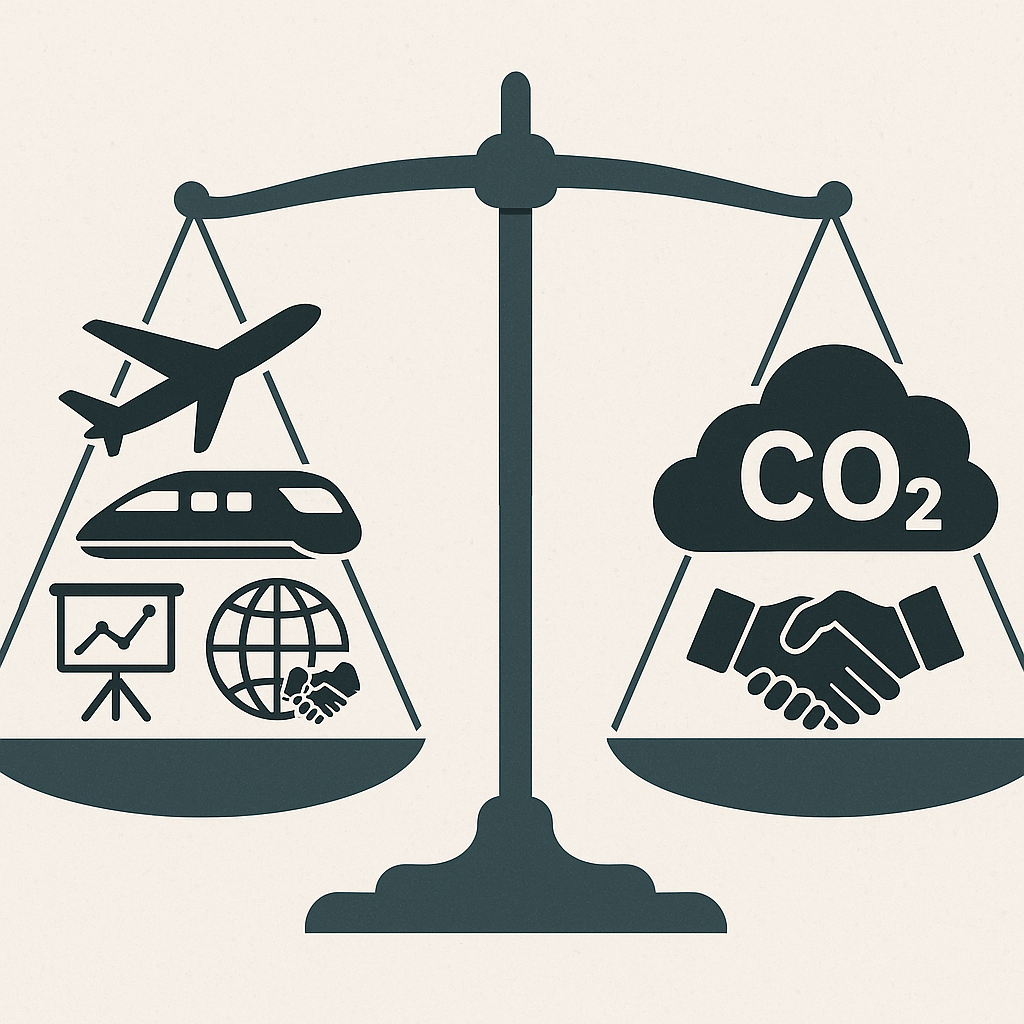
Rethinking the carbon cost of scientific exchange: Nonlinear effects of reducing scientific mobility
The carbon footprint of scientific collaboration has become an increasingly debated topic. Conferences, workshops, and research travel remain central to how science function, yet they also contribute to global greenhouse gas emissions. Since the pandemic era scientists also learned to work virtually and to attend workshops and conferences online. Understanding the carbon footprint, and how …[Read More]

Where is climate science heading? Views from the community

Where is climate science heading? Views from the community

At the recent UNDERPIN2 conference (Understanding rare events and their climatic impacts, in Erice, Sicily), we held a discussion on the future of climate science. To guide the conversation, I ran an interactive survey to capture how climate scientists see the current challenges, opportunities, and blind spots in climate research, communication, and the use of …[Read More]

AI-generated Images: the fragility of visual evidence in geosciences

AI-generated Images: the fragility of visual evidence in geosciences

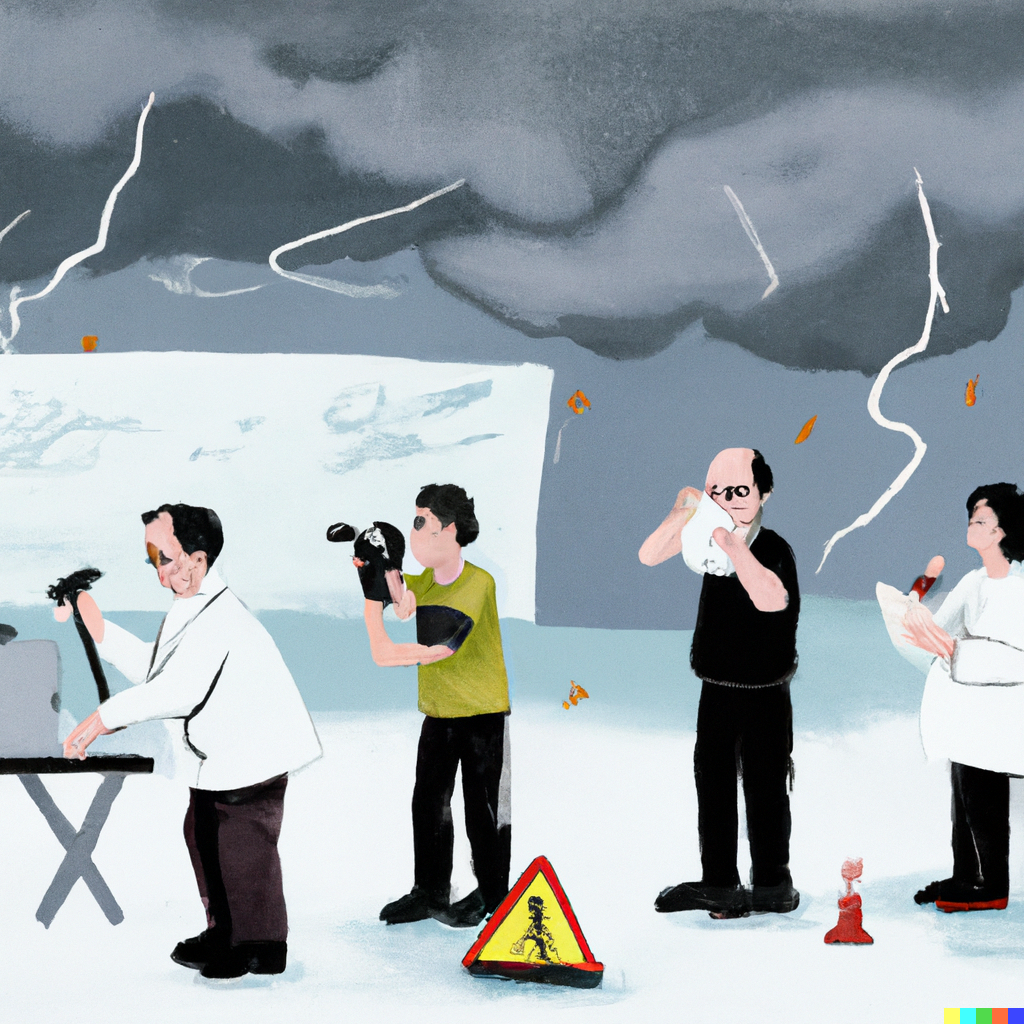
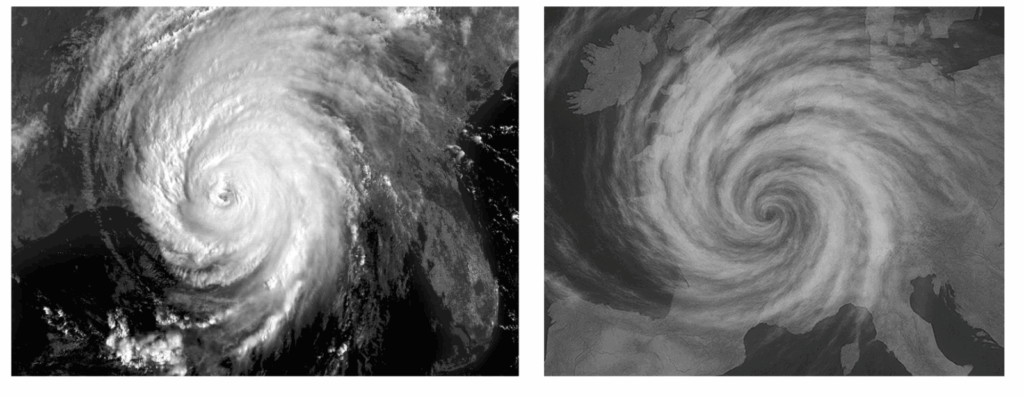
Recently, an increased number of visually striking “scientific” images have been found online: snapshots of turbulent flows with dreamlike structure, eerily symmetric cloud patterns, and what appeared to be global temperature fields annotated with plausible colormaps and scientific-looking labels. Many of these posts quickly go viral on social media. And yet, in many cases, the …[Read More]

NP Interview the outcoming Nonlinear Processes in Geosciences Division President: François Schmitt

NP Interview the outcoming Nonlinear Processes in Geosciences Division President: François Schmitt

Today’s NP Interviews hosts the outcoming NP Division President François Schmitt. François has a PhD degree from Université Pierre et Marie Curie in Paris (1993), in atmospheric turbulence, and an Habilitation degree from the same university (2001). He has stayed in Belgium during 6 years as a post-doc, working in meteorology and in fluid mechanics. …[Read More]

Interviews with Women in Nonlinear Processes in Geosciences: Exploring Inspiration and Challenges

Interviews with Women in Nonlinear Processes in Geosciences: Exploring Inspiration and Challenges

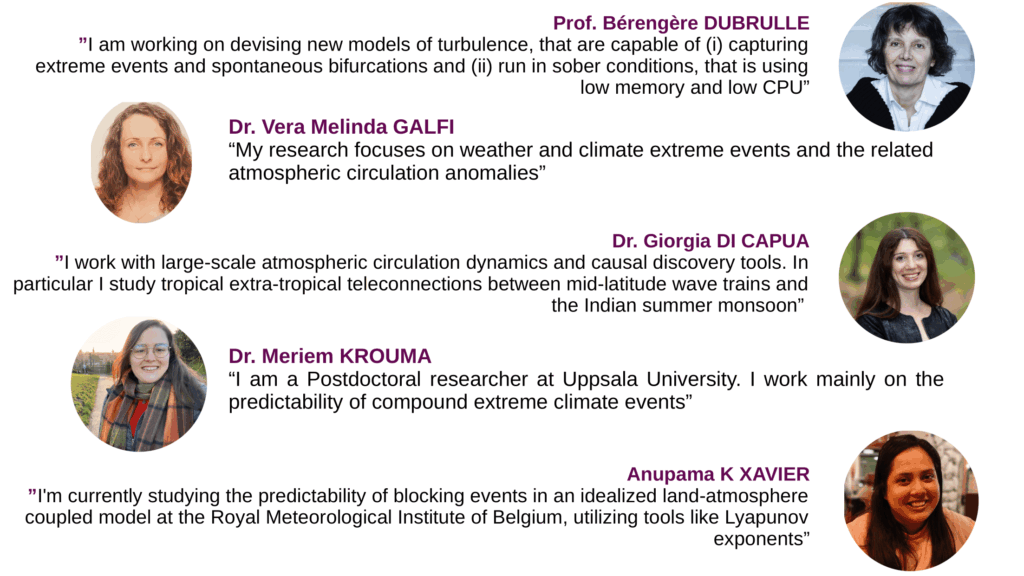
In celebration of Women in Science day, we delve into the experiences and insights of five accomplished women scientists in the field of Nonlinear Processes in Geosciences: Prof. Bérengère Dubrulle, Dr. Vera Melinda Galfi, Dr. Giorgia di Capua, Dr. Meriem Krouma, and Anupama K Xavier. Through a series of interviews, these women share their journeys, …[Read More]

Bridging Mathematics and Climate Science: the AMS MRC programme for June-July 2024

Bridging Mathematics and Climate Science: the AMS MRC programme for June-July 2024

The American Mathematical Society’s Mathematics Research Communities (MRC) continues to be a beacon for early-career mathematicians seeking professional development. This esteemed program offers opportunities to hone collaborative research skills, cultivate networks within active research domains, and benefit from mentorship by leaders in the field. As part of the MRC initiative, the upcoming conference, scheduled for …[Read More]

Nonlinear Processes in Earth System Dynamics

Nonlinear Processes in Earth System Dynamics

Earth System Dynamics (ESD) is an open-access EGU journal focussing on an interdisciplinary view of the functioning of the Earth system and global change. Due its broad focus, ESD receives submissions of relevance to several different EGU divisions. Here, I would like to highlight five thought-provoking ESD papers that cover topics spanning environmental governance, extreme …[Read More]

ECS SpotLight: The link between European warm-temperature extremes and atmospheric persistence

ECS SpotLight: The link between European warm-temperature extremes and atmospheric persistence

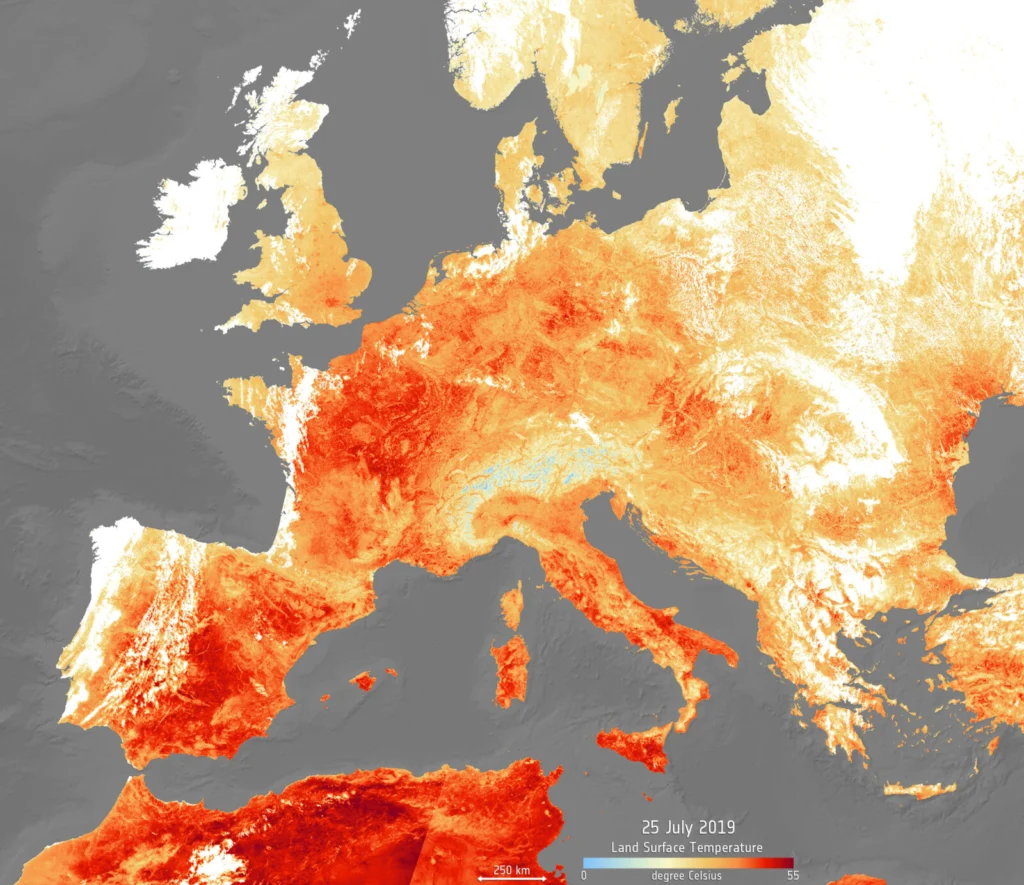
Persistent atmospheric circulation patterns are not a necessary requirement for warm temperature extremes in Europe. This key finding from a recent study led by Emma Holmberg challenges a more traditional meteorological view of persistence, which typically considers summertime heatwaves, especially in northern regions of Europe, to be synonymous with persistent atmospheric flow patterns. Furthermore, wintertime …[Read More]

NPG Paper of the Month: “A Range of Outcomes: The Combined Effects of Internal Variability and Anthropogenic Forcing on Regional Climate Trends over Europe”

The NPG paper of the month for February 2023 was awarded to “A Range of Outcomes: The Combined Effects of Internal Variability and Anthropogenic Forcing on Regional Climate Trends over Europe” by Clara Deser and Adam S. Phillips. How much will Europe warm in the next 50 years? Will precipitation increase or decrease? Are past …[Read More]