NP
Nonlinear Processes in Geosciences

Nonlinear Processes in Geosciences

ECS Spotlight: Can Weather Analogues forecast Europe’s Wind and Rainfall Extremes?
ECS Spotlight: Can Weather Analogues forecast Europe’s Wind and Rainfall Extremes?
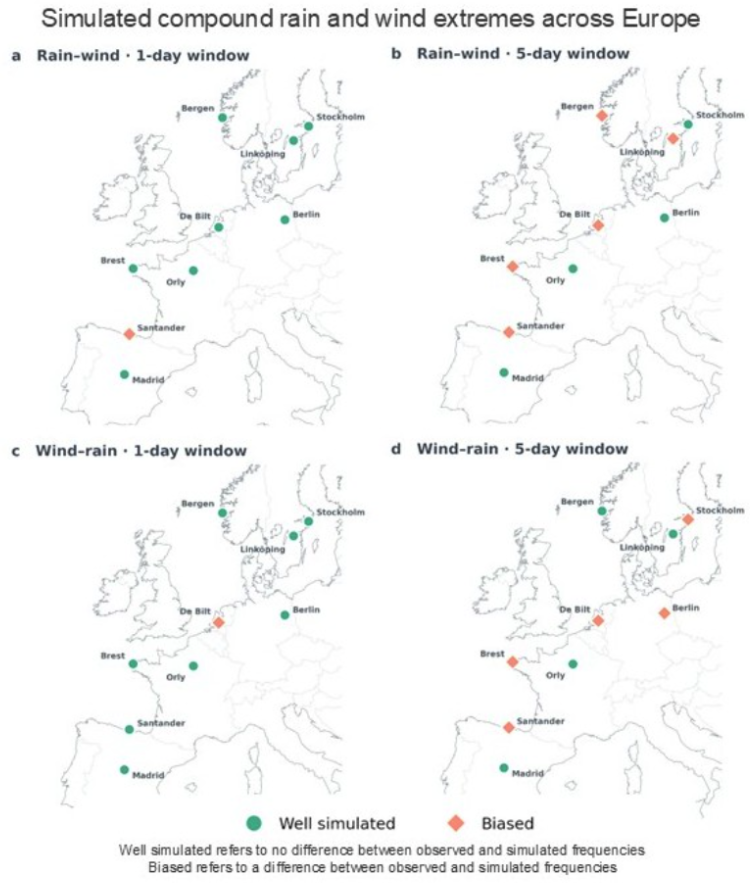
Extreme rainfall and strong winds can each cause major disruption. When they occur together—or within only a few days of each other—their combined impacts can be even more severe. Heavy rainfall may saturate soils and increase flood risk, while strong winds can damage infrastructure, disrupt transport and bring down trees or power lines. Forecasting these events is essential for early-warning syst ...[Read More]

Observational constraints help narrowing down uncertainty on the future of the AMOC

The Atlantic Meridional Overturning Circulation — the AMOC — has become one of the most discussed elements of the climate system. It is often portrayed as a looming tipping point, a potential disruptor of European climate, and a symbol of the uncertainties that still surround climate projections. We spoke with Didier Swingedouw, a leading researcher in ocean–climate interactions from the CNRS and ...[Read More]

ECS Spotlight: When “Day Zero Drought” Dries the Tap: How Drought is Reshaping Water Scarcity in the Anthropocene

ECS Spotlight: When “Day Zero Drought” Dries the Tap: How Drought is Reshaping Water Scarcity in the Anthropocene

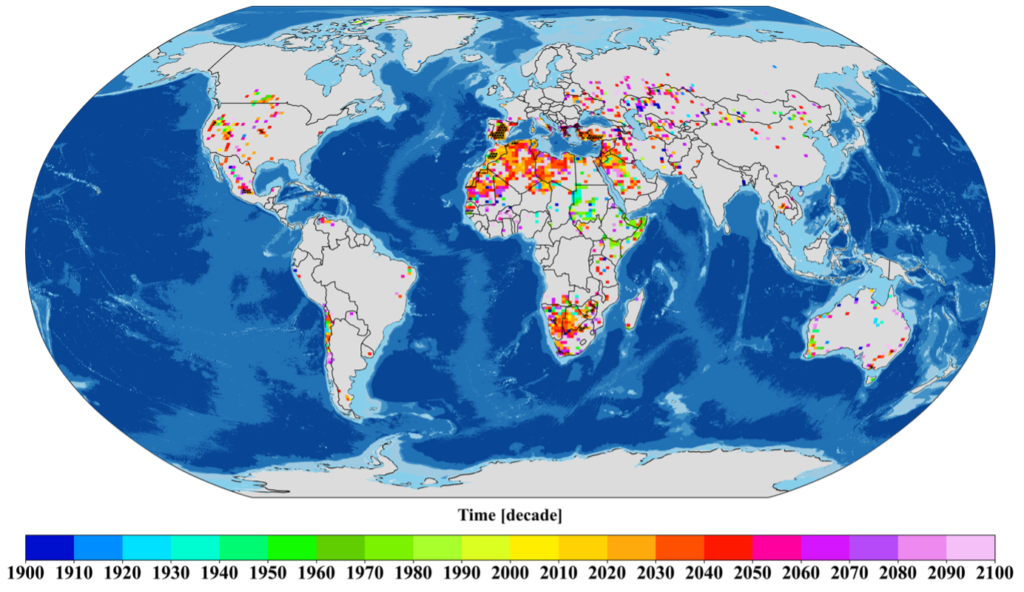
Extreme events are becoming increasingly observable, intense, and interconnected. Drought, traditionally viewed as a regional and temporary phenomenon, is now undergoing a fundamental shift.  We introduce the concept of “Day Zero Drought” to describe a threshold where water demand exceeds available supply under persistent drought conditions. This study shows that water scarcity is no longer confin ...[Read More]

New Editorial Voices at NPG

New Editorial Voices at NPG

As part of welcoming new members to the editorial team of Nonlinear Processes in Geophysics (NPG), we are pleased to present short interviews with two newly appointed editors, Dr. Kira Rehfeld and Dr. Jezabel Curbelo. They share their scientific backgrounds, motivations for joining the journal, editorial goals, and perspectives on emerging research directions in nonlinear geosciences. Their insigh ...[Read More]

Turbulence (and not only): The Legacy of Vincenzo Carbone, 2025 Richardson Medal

Turbulence (and not only): The Legacy of Vincenzo Carbone, 2025 Richardson Medal

One year ago, Vincenzo Carbone left us. Vincenzo was a leading scientist in nonlinear geophysics, turbulence, and complex systems, influencing fluid and plasma physics, weather and space weather, solar–terrestrial relations, and climate dynamics. Yet for those who worked closely with him, his legacy goes well beyond his remarkable scientific achievements. Scientific Contributions and Impact Over m ...[Read More]

ECS Spotlight: Evolution of the Dynamics of Centennial Hot Summers in Western Europe With Climate Change

ECS Spotlight: Evolution of the Dynamics of Centennial Hot Summers in Western Europe With Climate Change

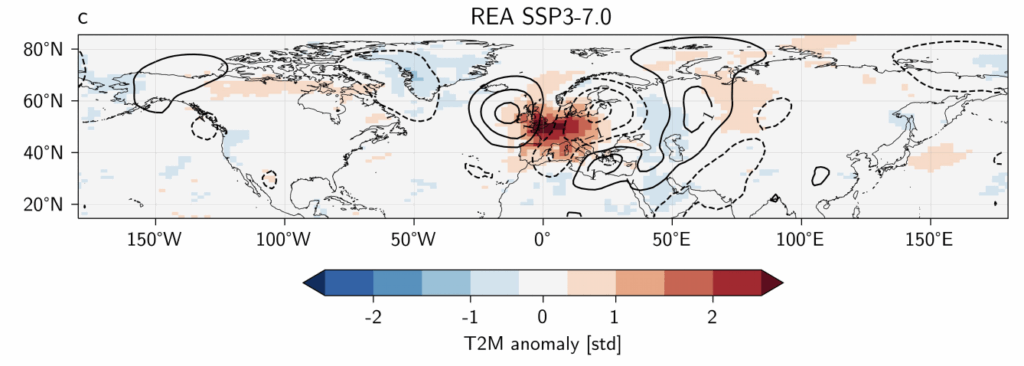
Extreme meteorological and climatological events can be immensely damaging and disruptive to society. Understanding the physical mechanisms driving these events, and how they will evolve with climate change is crucial for informing societal adaptation to our changing climate. However, extreme events are, by definition, rare. Our capacity to understand these events is, therefore, hindered by the sm ...[Read More]

Rethinking the carbon cost of scientific exchange: Nonlinear effects of reducing scientific mobility

Rethinking the carbon cost of scientific exchange: Nonlinear effects of reducing scientific mobility

The carbon footprint of scientific collaboration has become an increasingly debated topic. Conferences, workshops, and research travel remain central to how science function, yet they also contribute to global greenhouse gas emissions. Since the pandemic era scientists also learned to work virtually and to attend workshops and conferences online. Understanding the carbon footprint, and how it comp ...[Read More]

Where is climate science heading? Views from the community

Where is climate science heading? Views from the community

At the recent UNDERPIN2 conference (Understanding rare events and their climatic impacts, in Erice, Sicily), we held a discussion on the future of climate science. To guide the conversation, I ran an interactive survey to capture how climate scientists see the current challenges, opportunities, and blind spots in climate research, communication, and the use of artificial intelligence. The response ...[Read More]

From Theory to Impacts: Nonlinear Perspectives on Weather Extremes at UNDERPIN#2

From Theory to Impacts: Nonlinear Perspectives on Weather Extremes at UNDERPIN#2

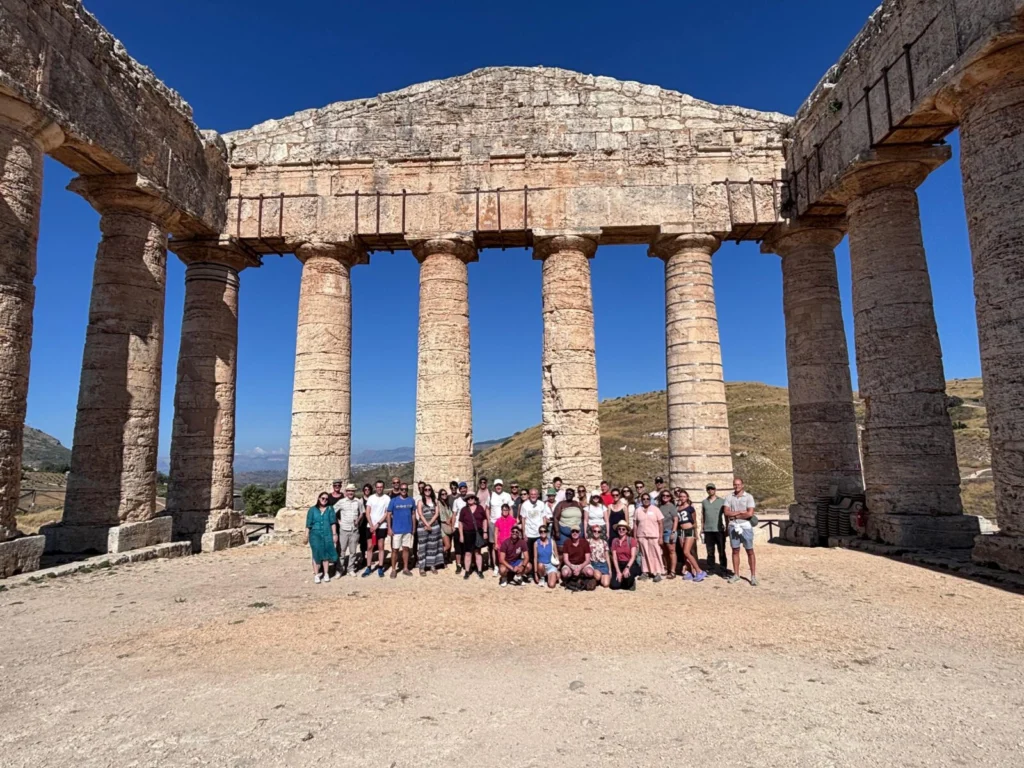
From 1–5 August 2025, the medieval hilltop town of Erice, Sicily, hosted the second UNDERPIN workshop, a meeting organised within the Nonlinear Processes in Geosciences community and dedicated to advancing the science of weather extremes. The event brought together a truly diverse group of researchers, spanning climate dynamics, attribution science, socio-economic impacts, statistical physics, and ...[Read More]

AI-generated Images: the fragility of visual evidence in geosciences

AI-generated Images: the fragility of visual evidence in geosciences

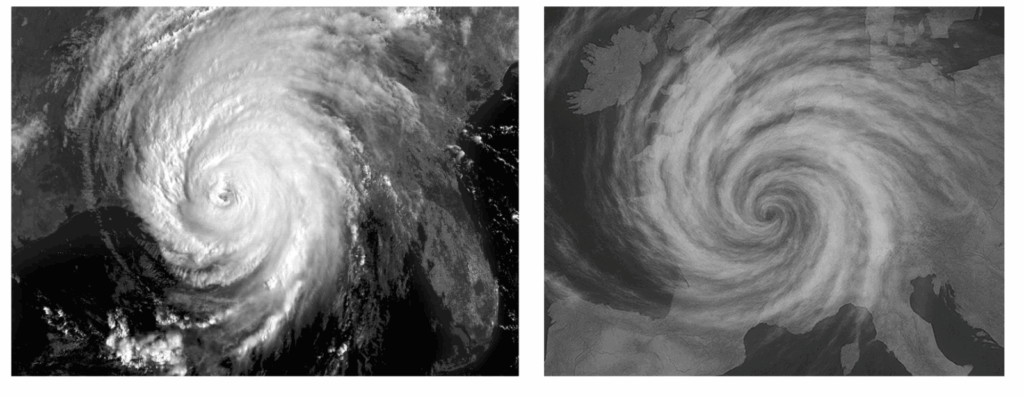
Recently, an increased number of visually striking “scientific” images have been found online: snapshots of turbulent flows with dreamlike structure, eerily symmetric cloud patterns, and what appeared to be global temperature fields annotated with plausible colormaps and scientific-looking labels. Many of these posts quickly go viral on social media. And yet, in many cases, the images ...[Read More]