One year ago, Vincenzo Carbone left us. Vincenzo was a leading scientist in nonlinear geophysics, turbulence, and complex systems, influencing fluid and plasma physics, weather and space weather, solar–terrestrial relations, and climate dynamics. Yet for those who worked closely with him, his legacy goes well beyond his remarkable scientific achievements. Scientific Contributions and Impact Over m ...[Read More]
Bridging Mathematics and Climate Science: the AMS MRC programme for June-July 2024
The American Mathematical Society’s Mathematics Research Communities (MRC) continues to be a beacon for early-career mathematicians seeking professional development. This esteemed program offers opportunities to hone collaborative research skills, cultivate networks within active research domains, and benefit from mentorship by leaders in the field. As part of the MRC initiative, the upcoming conf ...[Read More]
Nonlinear Processes in Earth System Dynamics
Earth System Dynamics (ESD) is an open-access EGU journal focussing on an interdisciplinary view of the functioning of the Earth system and global change. Due its broad focus, ESD receives submissions of relevance to several different EGU divisions. Here, I would like to highlight five thought-provoking ESD papers that cover topics spanning environmental governance, extreme events, palaeo-climates ...[Read More]
ECS SpotLight: The link between European warm-temperature extremes and atmospheric persistence
Persistent atmospheric circulation patterns are not a necessary requirement for warm temperature extremes in Europe. This key finding from a recent study led by Emma Holmberg challenges a more traditional meteorological view of persistence, which typically considers summertime heatwaves, especially in northern regions of Europe, to be synonymous with persistent atmospheric flow patterns. Furthermo ...[Read More]
NPG Paper of the Month: “A Range of Outcomes: The Combined Effects of Internal Variability and Anthropogenic Forcing on Regional Climate Trends over Europe”
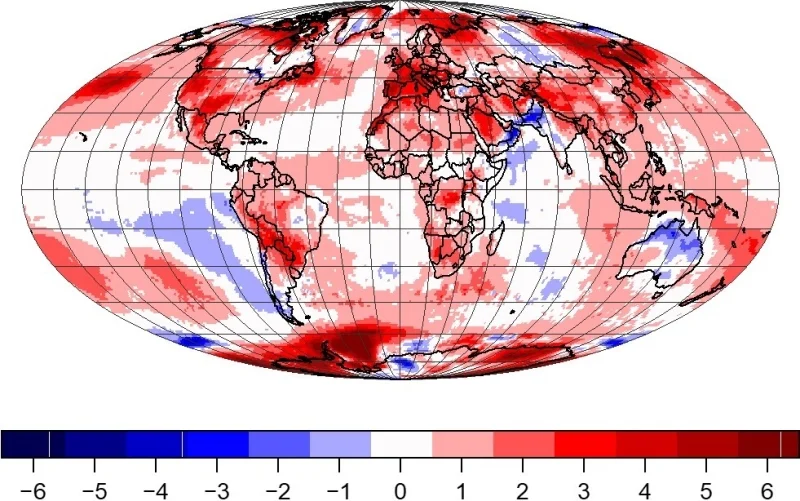
The NPG paper of the month for February 2023 was awarded to “A Range of Outcomes: The Combined Effects of Internal Variability and Anthropogenic Forcing on Regional Climate Trends over Europe” by Clara Deser and Adam S. Phillips. How much will Europe warm in the next 50 years? Will precipitation increase or decrease? Are past climate trends unique or could alternate realities have exis ...[Read More]
Socio-economic and security implications of global heating
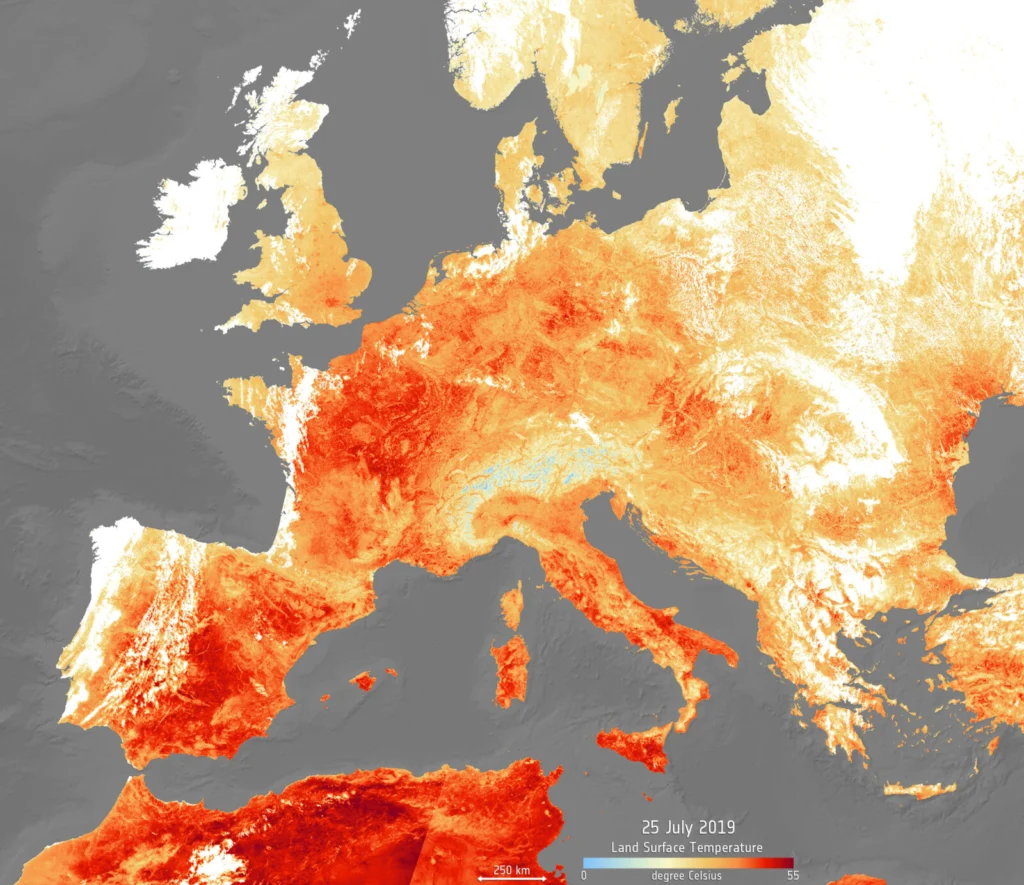
This year, like in the last few years, we are experiencing the effects of global heating in increasingly personal ways. The summer of 2022 exposed us to ever more extreme heat waves in North America, Europe, and Asia. For instance, the heat wave in India and Pakistan reached temperatures of 49C in Nawabshah, Pakistan. North America too experienced devastating heat waves and wildfires. Los Angeles ...[Read More]
ECS SpotLight: Changes in the climate dynamics have already modified characteristics and impacts of storms in France: the case study of storm Alex 2020
Extratropical cyclones play a key role in modulating the precipitation and wind in mid-latitudes and can be responsible for extreme wet and windy events. With global warming, the dynamics and thermodynamics associated with these atmospheric systems are being affected. However, due to the complexity of modelling the climate system, a challenge arises when evaluating the influence that climate chang ...[Read More]
Sea level rise: a global threat in a warming planet
Over 70% of the Earth’s surface is covered by seas and oceans but in the geological past the extension of sea and land has varied several times as sea level changed over time. During the past millions of years, the oceans have cyclically retreated and expanded with the alternating of warmer and colder climatic periods in consequence of the astronomical motions of the Earth, repeatedly changi ...[Read More]
Climate Tipping Points through the “eyes” of the Masters: a virtual art exhibition
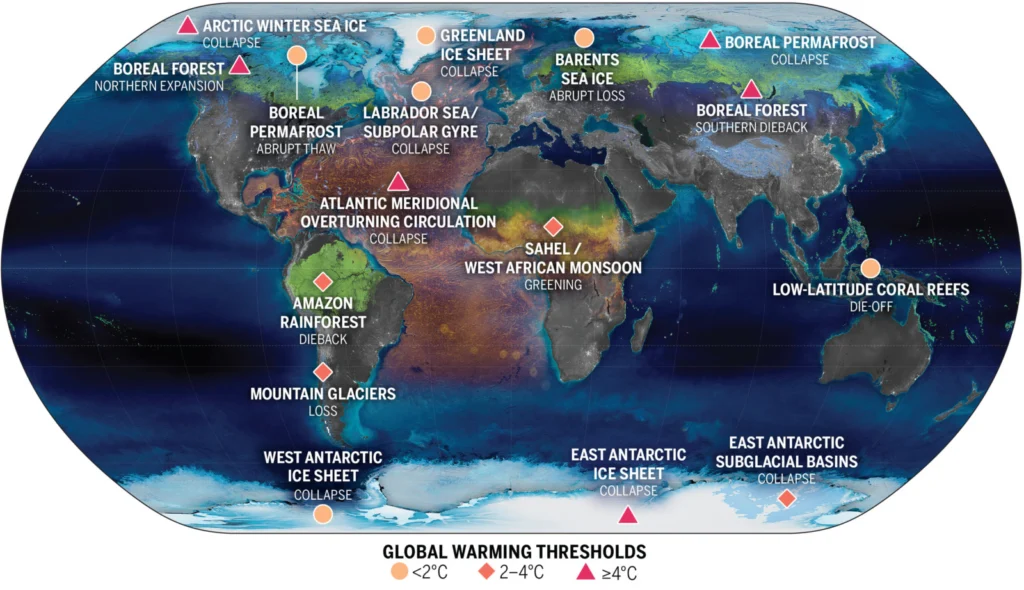
We are running out of time in fighting the effects of climate change. With the greenhouse gasses emissions steady, the planet is reaching warming levels that could cause some large ecosystems to tip in different states. A tipping point in the climate system refers to a threshold beyond which a small change in a particular variable can cause a significant and potentially irreversible change in the ...[Read More]
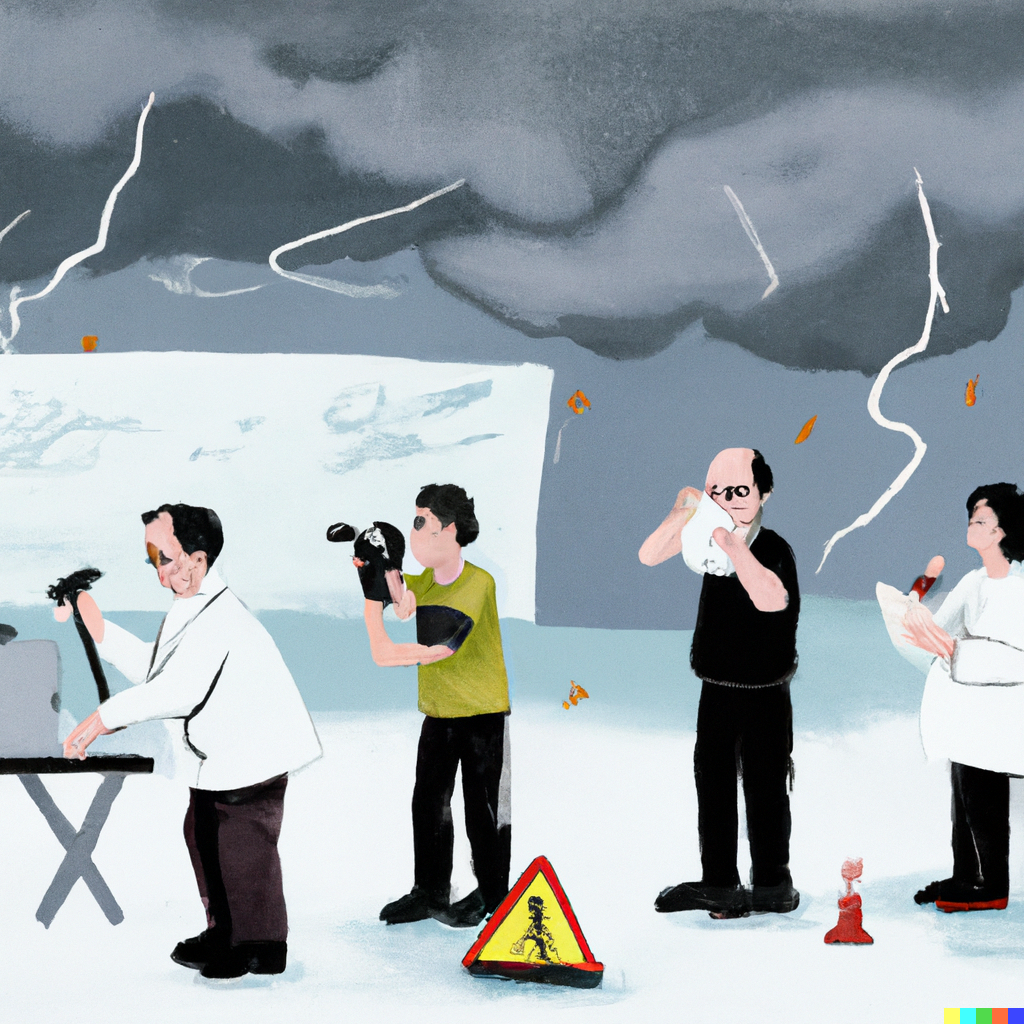
How climate change can possibly increase the intensity of tornadoes in Europe
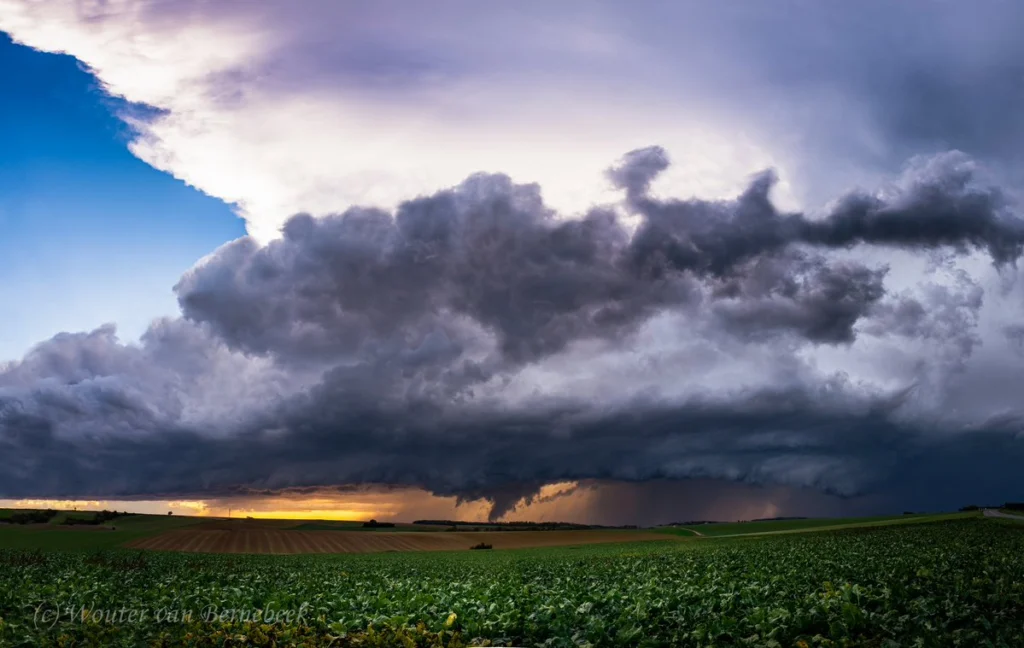
On October 23 2022, a tornado outbreak occurred in France, causing extensive damages. Tornadoes in France are a relatively rare phenomenon, even more so in the second half of October. This weather phenomenon is linked to intense thunderstorms, and it is difficult to predict because it is very localized. Will global warming make this weather more frequent or intense? A thundercloud that grows visib ...[Read More]