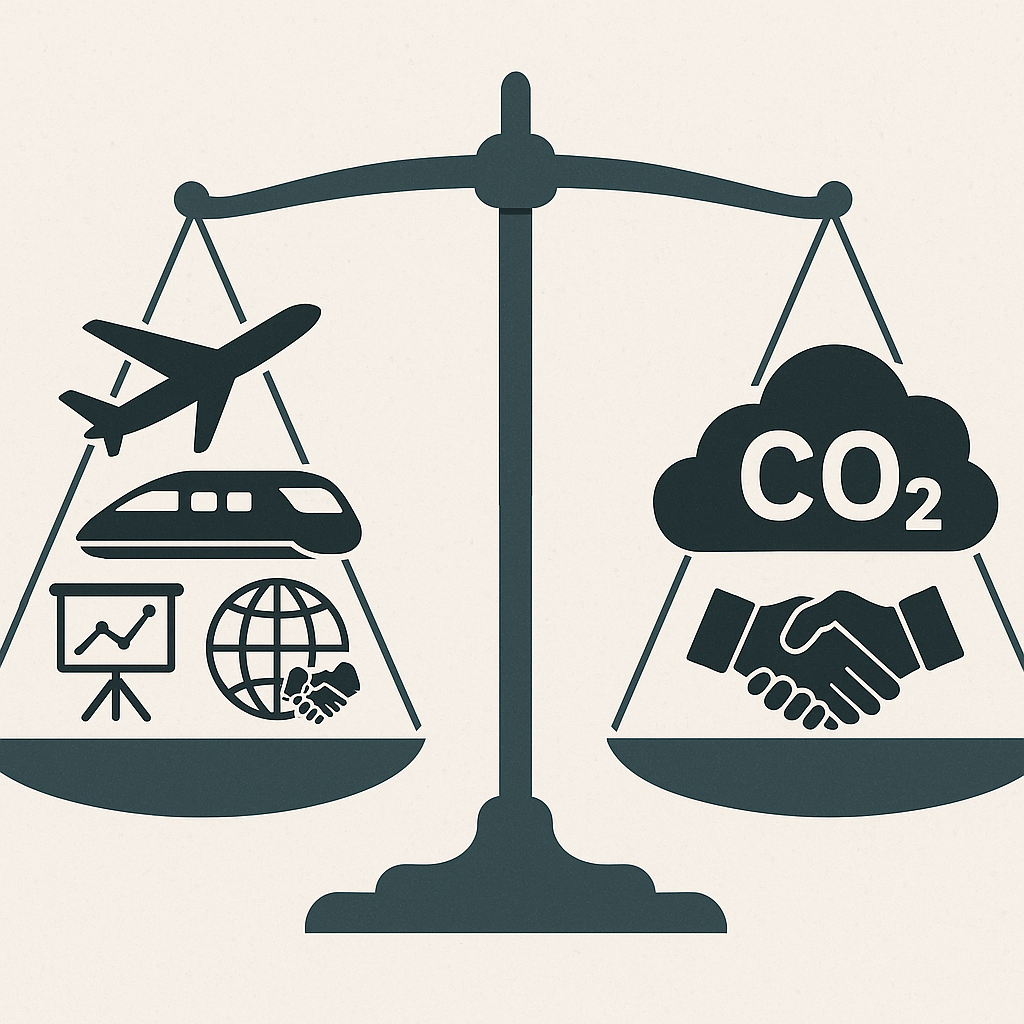
The carbon footprint of scientific collaboration has become an increasingly debated topic. Conferences, workshops, and research travel remain central to how science function, yet they also contribute to global greenhouse gas emissions. Since the pandemic era scientists also learned to work virtually and to attend workshops and conferences online. Understanding the carbon footprint, and how it comp ...[Read More]
EGU General Assembly
NP Interview the incoming Nonlinear Processes in Geosciences Division President: Davide Faranda
Today’s NP Interviews hosts the incoming NP Division President Davide Faranda. Davide is Research Director in Climate Physics in the Laboratoire de Science du Climat et de l’Environnement (LSCE) of the Institute Pierre Simon Laplace at the French National Center for Scientific Research (CNRS). He is an expert of weather extreme events such as cold spells, heatwaves, cyclones and severe thund ...[Read More]
Nonlinear Processes in Earth System Dynamics
Earth System Dynamics (ESD) is an open-access EGU journal focussing on an interdisciplinary view of the functioning of the Earth system and global change. Due its broad focus, ESD receives submissions of relevance to several different EGU divisions. Here, I would like to highlight five thought-provoking ESD papers that cover topics spanning environmental governance, extreme events, palaeo-climates ...[Read More]
ECS SpotLight: The link between European warm-temperature extremes and atmospheric persistence
Persistent atmospheric circulation patterns are not a necessary requirement for warm temperature extremes in Europe. This key finding from a recent study led by Emma Holmberg challenges a more traditional meteorological view of persistence, which typically considers summertime heatwaves, especially in northern regions of Europe, to be synonymous with persistent atmospheric flow patterns. Furthermo ...[Read More]
NPG Paper of the Month: “A Range of Outcomes: The Combined Effects of Internal Variability and Anthropogenic Forcing on Regional Climate Trends over Europe”
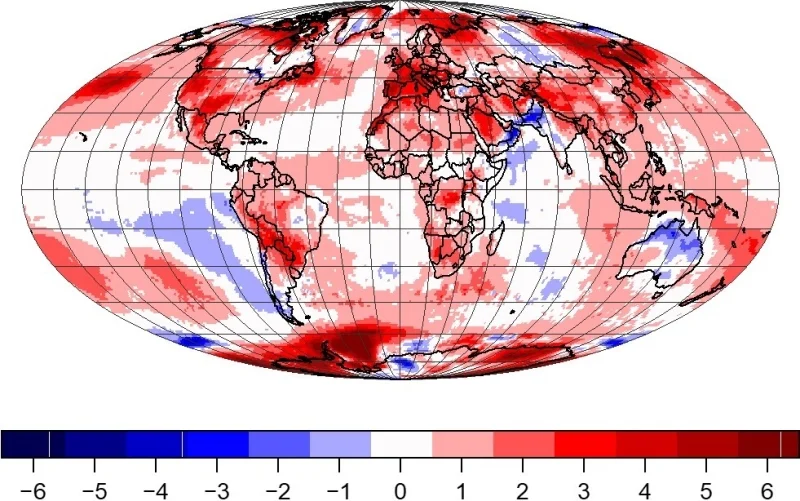
The NPG paper of the month for February 2023 was awarded to “A Range of Outcomes: The Combined Effects of Internal Variability and Anthropogenic Forcing on Regional Climate Trends over Europe” by Clara Deser and Adam S. Phillips. How much will Europe warm in the next 50 years? Will precipitation increase or decrease? Are past climate trends unique or could alternate realities have exis ...[Read More]
Socio-economic and security implications of global heating
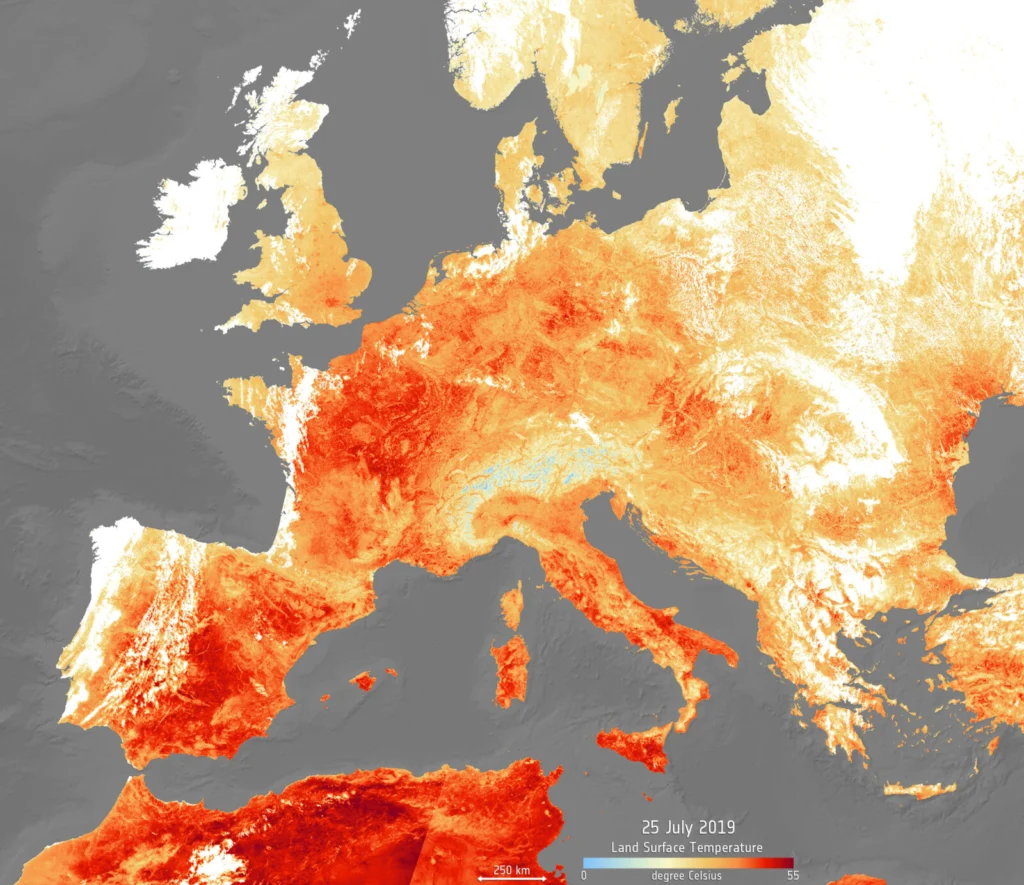
This year, like in the last few years, we are experiencing the effects of global heating in increasingly personal ways. The summer of 2022 exposed us to ever more extreme heat waves in North America, Europe, and Asia. For instance, the heat wave in India and Pakistan reached temperatures of 49C in Nawabshah, Pakistan. North America too experienced devastating heat waves and wildfires. Los Angeles ...[Read More]
ECS SpotLight: Changes in the climate dynamics have already modified characteristics and impacts of storms in France: the case study of storm Alex 2020
Extratropical cyclones play a key role in modulating the precipitation and wind in mid-latitudes and can be responsible for extreme wet and windy events. With global warming, the dynamics and thermodynamics associated with these atmospheric systems are being affected. However, due to the complexity of modelling the climate system, a challenge arises when evaluating the influence that climate chang ...[Read More]
NPG Paper of the Month: “Brief communication: Climate science as a social process – history, climatic determinism, Mertonian norms and post-normality”
The NPG paper of the month for January 2023 was awarded to “Brief communication: Climate science as a social process – history, climatic determinism, Mertonian norms and post-normality” by Hans von Storch. One could argue that climate science is part of geophysics, or more precisely that part of climate science is part of geophysics. But when referring to ”processes” in ”Nonlinear Processes in Geo ...[Read More]
The Great Cold Debate: Is Climate Change to Blame for Extreme Cold Spells?
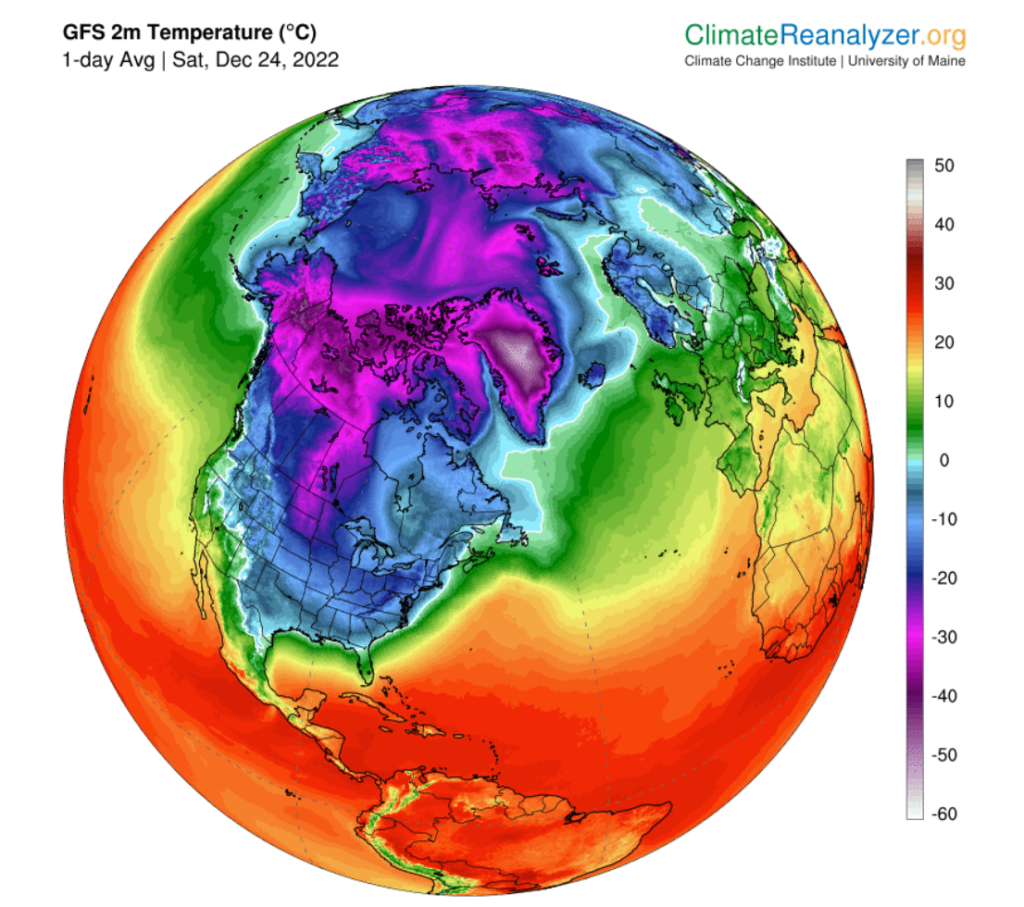
In December 2022, the United States experienced a severe cold spell, with record-low temperatures being recorded in many parts of the country. While it is natural for cold spells to occur, the question has arisen as to whether climate change is playing a role in the intensity and frequency of these events. There is ongoing debate among scientists about the relationship between climate change and ...[Read More]
ClimarisQ: A game on the complexity of the climate systems and the extreme events
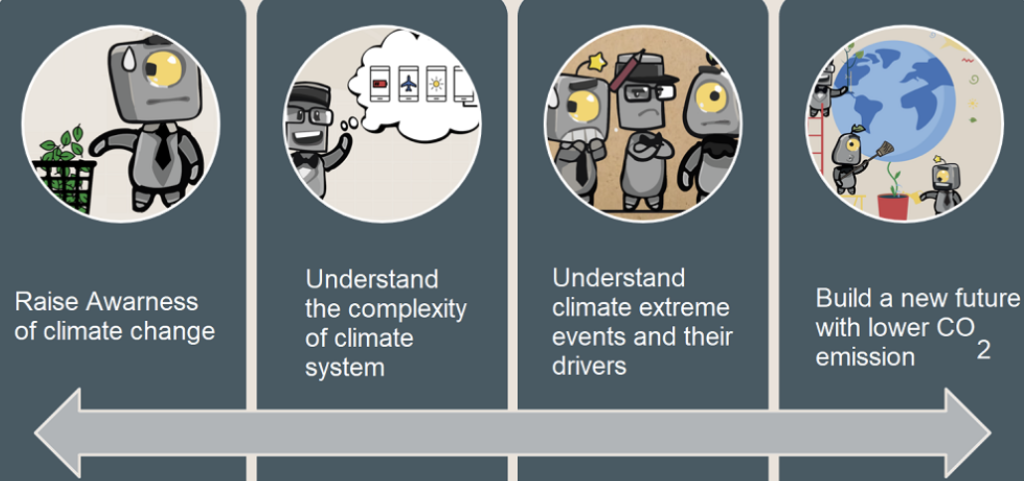
ClimarisQ is a smartphone/web game from a scientific mediation project that highlights the complexity of the climate system and the urgency of collective action to limit climate change. It is available in four languages: English, French, Spanish and Italian. It is an app-game where players must make decisions to limit the frequency and impacts of extreme climate events and their impacts on human s ...[Read More]