ClimaMeter offers a dynamic approach to contextualize and analyze weather extremes within a climate context. This framework provides both easily understandable immediate contextualization of extreme weather events as well as more in-depth technical analysis shortly after the events. Methodology: The foundation of ClimaMeter’s methodology lies in identifying weather conditions similar to those resp ...[Read More]
Sea level rise: a global threat in a warming planet
Over 70% of the Earth’s surface is covered by seas and oceans but in the geological past the extension of sea and land has varied several times as sea level changed over time. During the past millions of years, the oceans have cyclically retreated and expanded with the alternating of warmer and colder climatic periods in consequence of the astronomical motions of the Earth, repeatedly changi ...[Read More]
NP Interviews: Davide Faranda (CNRS) on the topic “global warming and extreme events in Europe”
Davide Faranda is a physicist at the French National Center for Scientific Research (CNRS). His main interests are devoted to the construction of a statistical mechanical and dynamical systems framework for the study of atmospheric motions. In particular, his works aim at the characterization of the metastable states of the atmospheric circulation with simple mathematical and statistical tools, an ...[Read More]
ClimarisQ: A game on the complexity of the climate systems and the extreme events
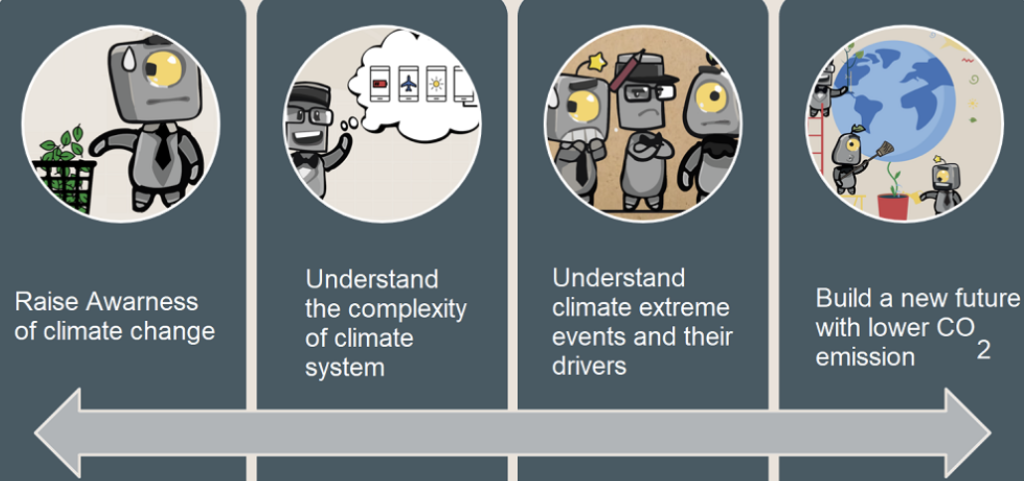
ClimarisQ is a smartphone/web game from a scientific mediation project that highlights the complexity of the climate system and the urgency of collective action to limit climate change. It is available in four languages: English, French, Spanish and Italian. It is an app-game where players must make decisions to limit the frequency and impacts of extreme climate events and their impacts on human s ...[Read More]
When weather extremes meet climate change: how do scientists attribute single events to climate change?
One of the main new points of the IPCC reports AR6 with respect to the previous ones is the increased confidence that global climate change induced by anthropogenic emissions is critically affecting the dynamics of weather extremes. For summer, and specifically over Europe, the AR6 report states that we are already observing prolonged periods of extremely warm conditions with increased droughts bo ...[Read More]
From the eyes of tropical cyclones to flooded strands : how climatologists use weather events to make climate predictions?
While extreme events are meteorological in nature, climatologists collect them to draw conclusions about the state of the present climate and to get clues how they possibly change in the future. Thus, climate and weather find common ground. If we consider an event alone, we are not studying the climate, we are in the field of meteorology, the goal of climatologists is therefore to put extreme even ...[Read More]
The never-ending 2020 hurricane season
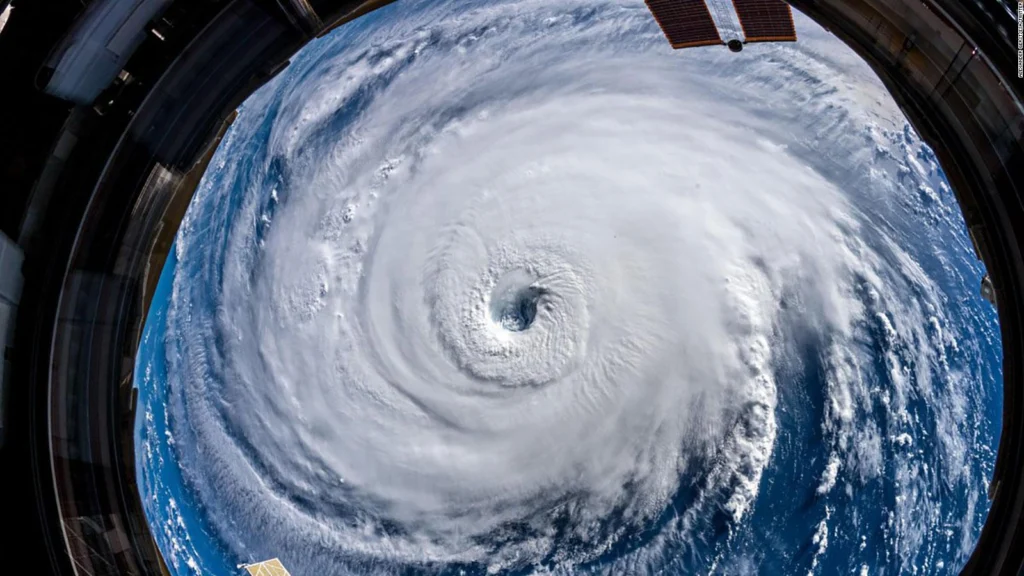
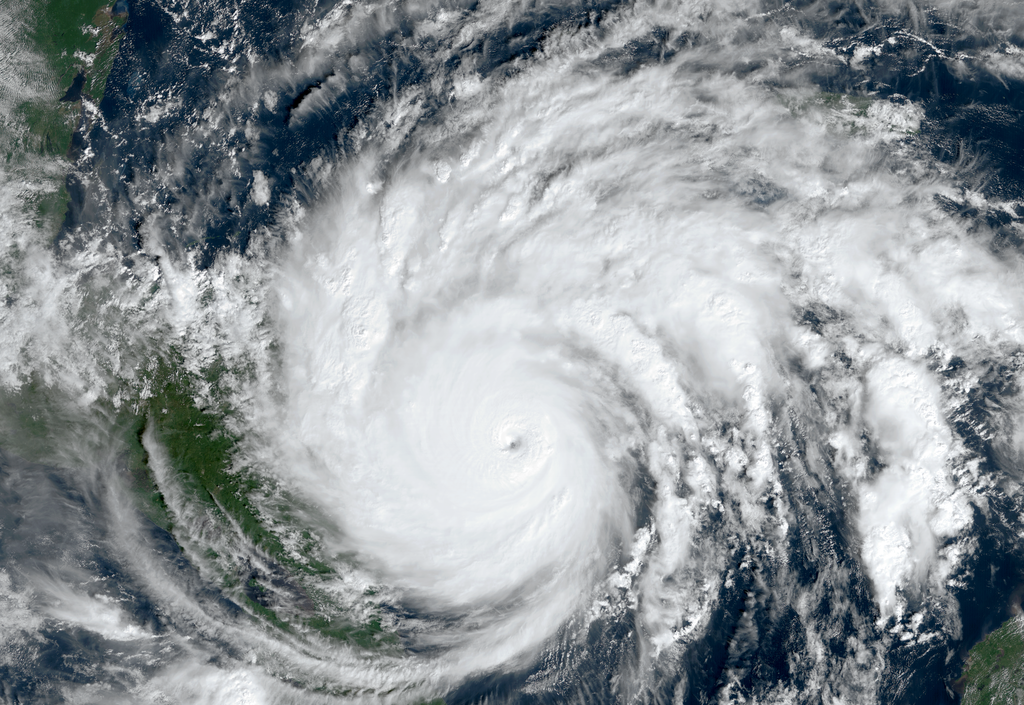
Iota, this is the name of the last category 5 hurricane in the Atlantic Ocean. Iota is a non-name because normally hurricanes are named by NOAA starting from A to Z but when the alphabet is over, they are just identified from a letter of the Greek alphabet. Iota is a special cyclone not just because its name implies that the hurricane season is particularly rich in storms but also because of its e ...[Read More]
Can we connect the exceptional floods in France and Italy associated with the storm Alex to climate change?
The first days of October were marked by an extreme weather event: storm Alex, a cyclone of Atlantic origin, caused massive showers and thunderstorms over Provence, the Alps, Piedmont and Liguria. In these regions, numerous historical records of precipitation were broken causing the flooding of several streams and rivers in which many people lost their lives. Economic damage was also significant a ...[Read More]
Is climate change making the weather more extreme?
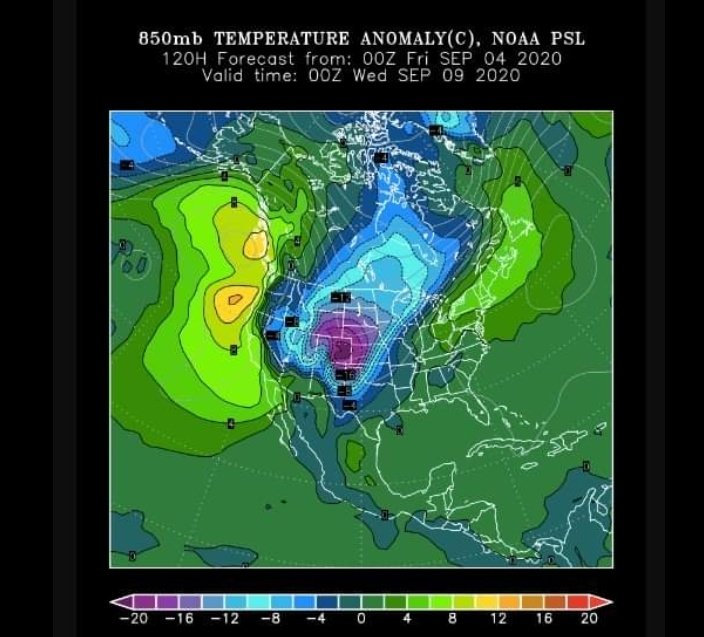
Denver, Sept. 06: it is midday and Jonathan and Maria are sunbathing at City Park. They feel uncomfortable as the temperature has already reached 36°C. While they decide to go back home, their favoured weather app displays an unbelievable snowstorm watch for Tuesday Sept. 08. The forecast turns out to be rather accurate as all Colorado experiences one of the earliest snowstorms on record in Septem ...[Read More]
The 2020 extra-tropical monster cyclones and their (possible) relations with climate change
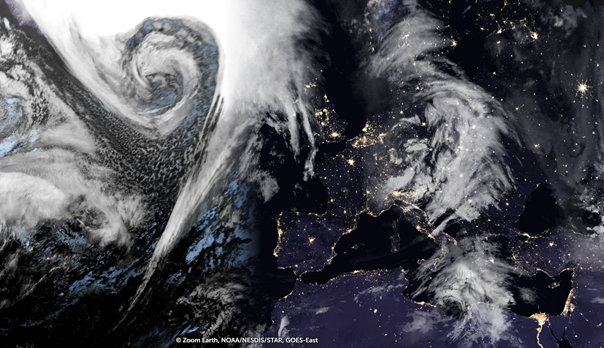
On February 9th, a British Airways Boeing 747 landed in London Heathrow airport just four hours and 56 minutes after its take-off in JFK, New York, setting the shortest flight-time for non-supersonic jets over this route. The jumbo jet took advantage of the fast upper-tropospheric winds associated with an exceptionally strong jet-stream which created tail winds of about 400km/h. Over the United Ki ...[Read More]