NP
Nonlinear Processes in Geosciences

dynamical system

NP Campfire: “Scaling and multifractals : from historical perspectives to recent developments”
NP Campfire: “Scaling and multifractals : from historical perspectives to recent developments”
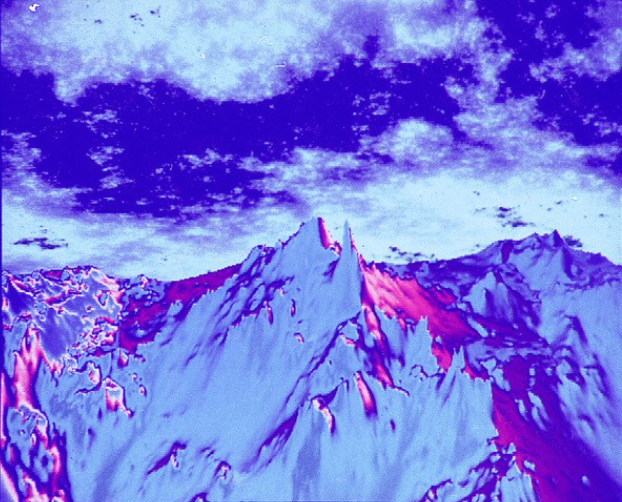
Scaling law behaviours are ubiquitous in geosciences both from a theoretical and practical point of view. They are required to better understand, analyse and simulate the underlying processes, which yields the observed variability of geophysical fields over wide ranges of spatio-temporal scales. A group of scientists within the Nonlinear Processes in Geosciences (NP) Division of the European Geosc ...[Read More]

NPG Paper of the Month: “Comparing estimation techniques for temporal scaling in palaeoclimate time series”

The NPG paper of the month of July was awarded to Comparing estimation techniques for temporal scaling in palaeoclimate time series by Raphaël Hébert, Kira Rehfeld and Thomas Laepple (https://doi.org/10.5194/npg-28-311-2021). Raphaël Hébert is currently a post-doctoral researcher at the Alfred-Wegener-Institut in Potsdam (Germany) in the Earth System Diagnostics group of Thomas Laepple, where he a ...[Read More]

Exploring the multistable and multiscale climate system via noise

Could our present day “warm” climate turn into a frozen fully glaciated one, as if the whole Earth is a huge “snowball”? That was a question put forward independently by Mikhail Budyko and William Sellers in the late 60s [1,2] who made a first estimate of the necessary changes of incoming solar radiation, such that either the Arctic ice sheet completely melts, or the planet gets fully frozen. Base ...[Read More]

From the eyes of tropical cyclones to flooded strands : how climatologists use weather events to make climate predictions?

From the eyes of tropical cyclones to flooded strands : how climatologists use weather events to make climate predictions?

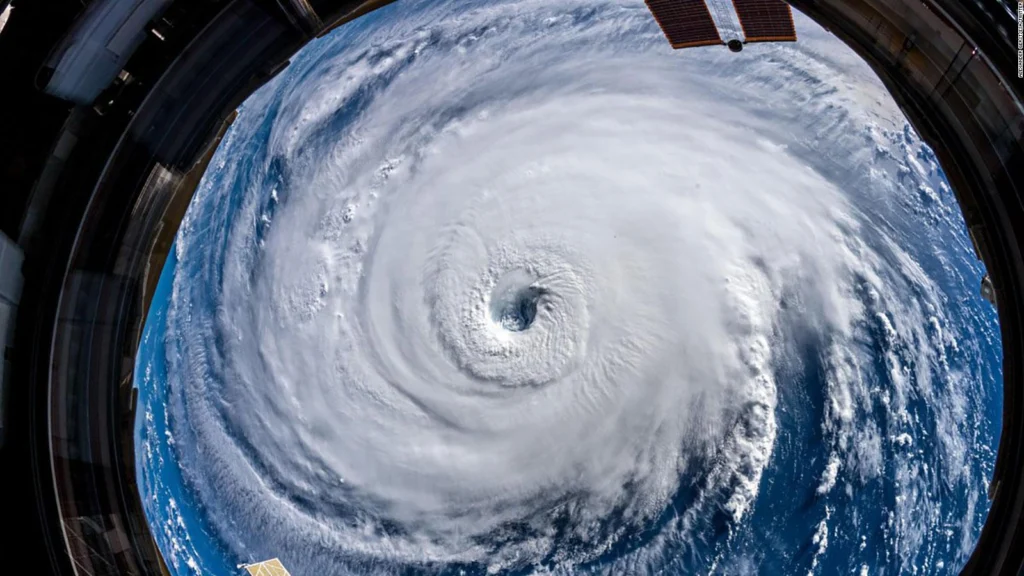
While extreme events are meteorological in nature, climatologists collect them to draw conclusions about the state of the present climate and to get clues how they possibly change in the future. Thus, climate and weather find common ground. If we consider an event alone, we are not studying the climate, we are in the field of meteorology, the goal of climatologists is therefore to put extreme even ...[Read More]

The 2021 Nobel Prize on Physics awarded to the physics of complex systems!

The 2021 Nobel Prize on Physics awarded to the physics of complex systems!

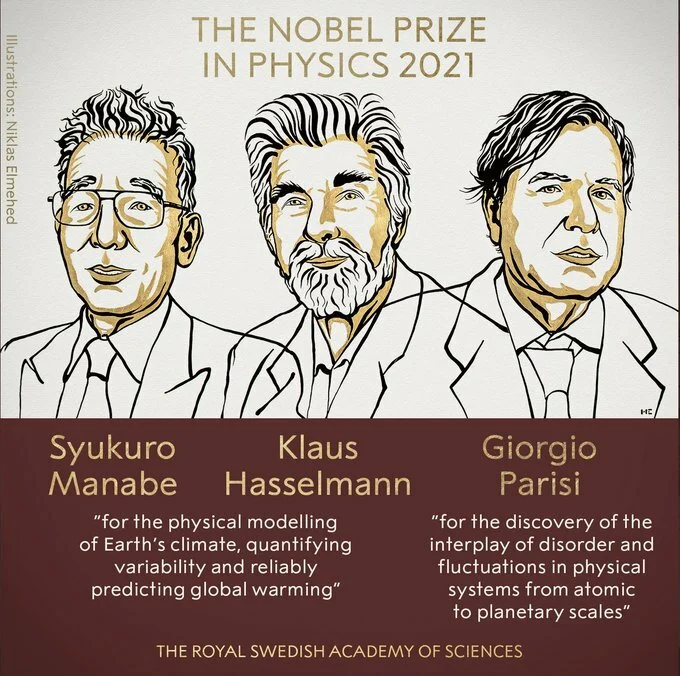
On October 7th, the Nobel Prize in Physics 2021 was announced. It came as a stunning surprise for the Non-linear Processes and Climate communities, the recipients of this year’s award being two outstanding senior climate scientists, Klaus Hasselmann and Syukuro Manabe, and a theoretical physicist specialized in complex systems, Giorgio Parisi. For many, this award was welcomed as a long-awaited re ...[Read More]

Three reasons why Forest-Fires worsen with climate change

Three reasons why Forest-Fires worsen with climate change

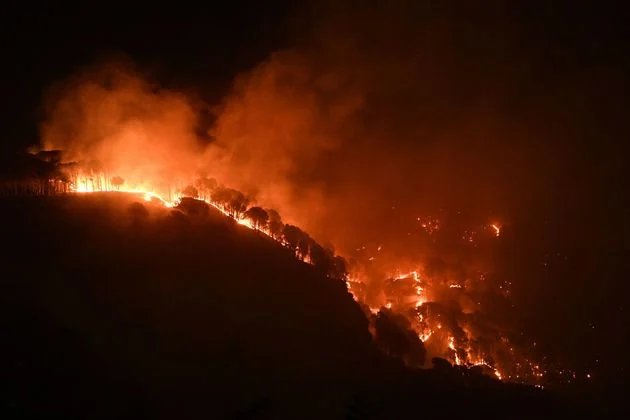
The brand-new IPCC AR6 report clearly states that “Unless there are immediate, rapid and massive reductions in greenhouse gas emissions, limiting warming to around 1.5°C, or even 2°C, will be out of reach”. Although as human beings we do not perceive changes in global Earth average temperatures as a threat to our lives, the IPCC report also states that extreme weather events will worsen; actually ...[Read More]

NPG Paper of the Month: “Recurrence analysis of extreme event-like data”

NPG Paper of the Month: “Recurrence analysis of extreme event-like data”

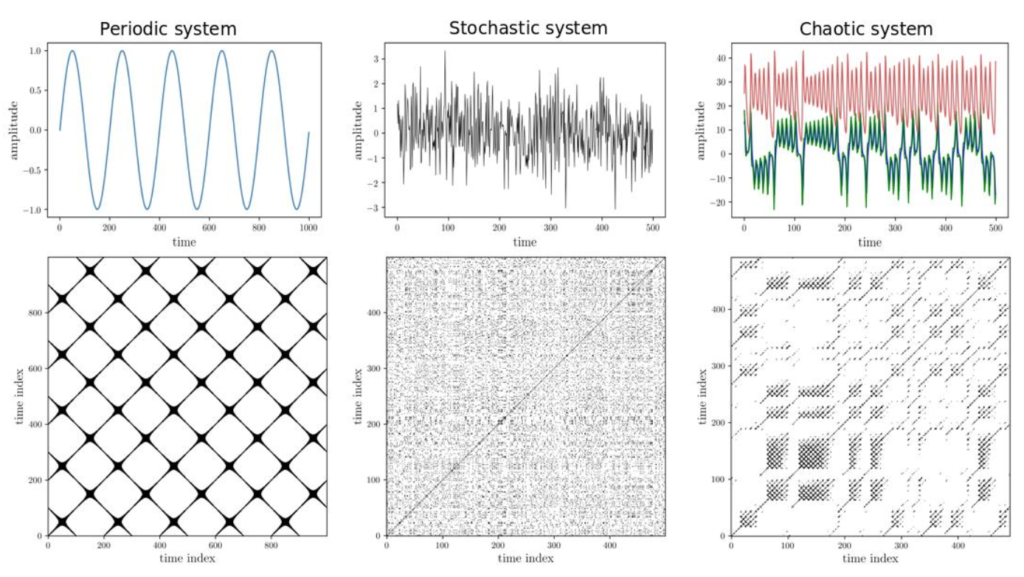
The May 2021 NPG Paper of the Month award goes Abhirup Banerjee and his co-authors for their paper “Recurrence analysis of extreme event-like data“. Abhirup is pursuing a doctoral degree in Theoretical Physics at University of Potsdam. He is working at Potsdam Institute of Climate Impact Research as a guest researcher as part of the DFG funded NatRiskChange project. In this project, he ...[Read More]

NPG Paper of the Month: “Ordering of trajectories reveals hierarchical finite-time coherent sets in Lagrangian particle data: detecting Agulhas rings in the South Atlantic Ocean”

NPG Paper of the Month: “Ordering of trajectories reveals hierarchical finite-time coherent sets in Lagrangian particle data: detecting Agulhas rings in the South Atlantic Ocean”

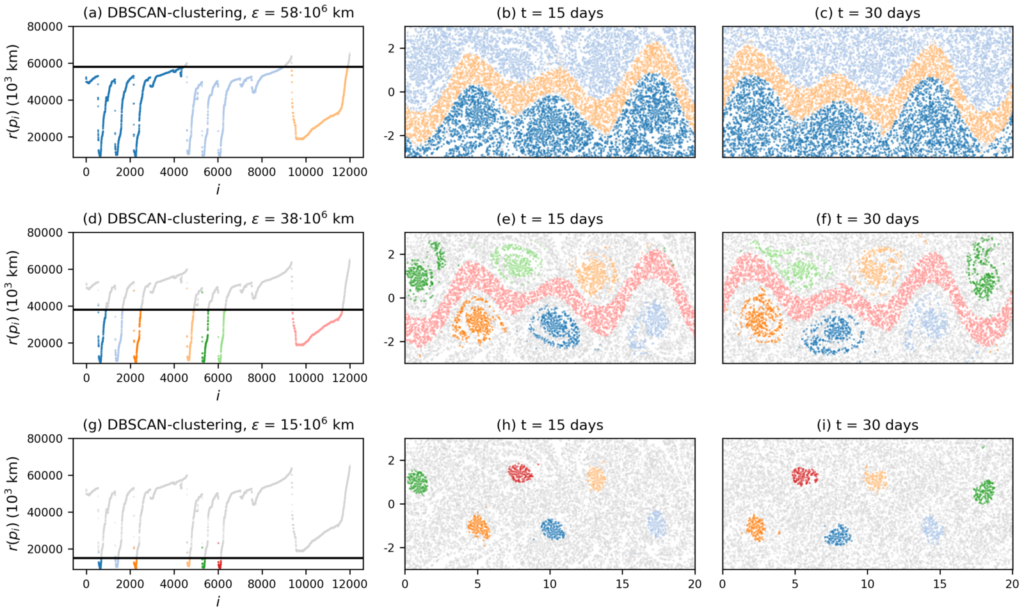
The February 2021 NPG Paper of the Month award goes David Wichmann and his co-authors for their paper “Ordering of trajectories reveals hierarchical finite-time coherent sets in Lagrangian particle data: detecting Agulhas rings in the South Atlantic Ocean“. Understanding the transport of tracers and particulates is an important topic in oceanography and in fluid dynamics in general. Th ...[Read More]

Four reasons for still observing cold spells despite the undeniable global climate change

Four reasons for still observing cold spells despite the undeniable global climate change

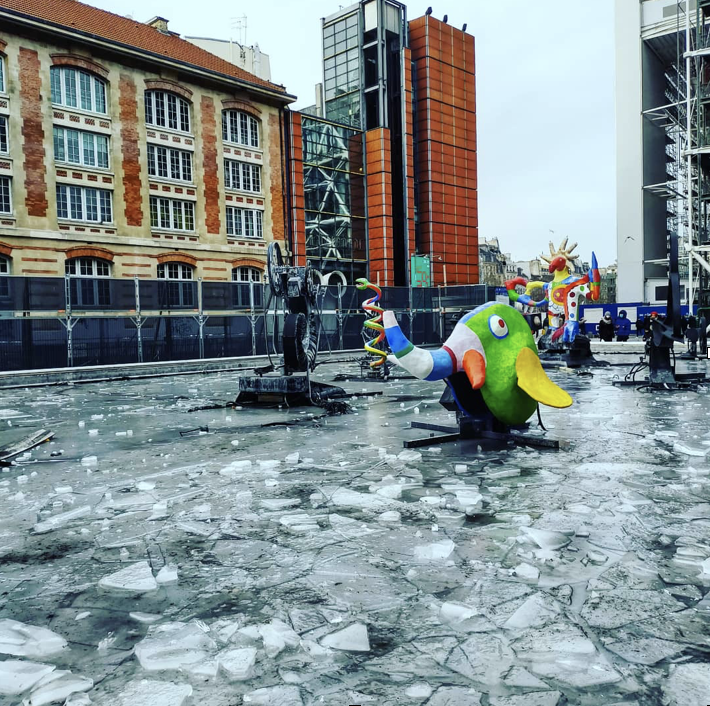
The winter of 2020-2021 has been characterized by various cold waves affecting – at different times – Western and Eastern Europe and North America.  The most striking pictures show Madrid covered by up to 40 cm of fresh snow, frozen Thames near London and Canal St Martin in Paris, heavy snow in Amsterdam and even on the Eolian Islands, just offshore Sicily. At first this seems contradi ...[Read More]

The most-read NPG 2020 paper: “Effects of upwelling duration and phytoplankton growth regime on dissolved-oxygen levels in an idealized Iberian Peninsula upwelling system”

The most-read NPG 2020 paper: “Effects of upwelling duration and phytoplankton growth regime on dissolved-oxygen levels in an idealized Iberian Peninsula upwelling system”

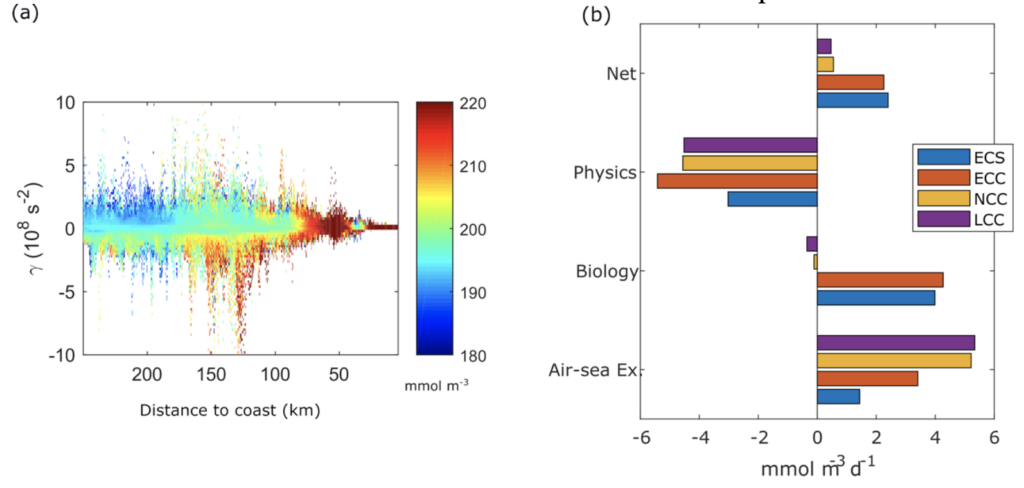
An emerging problem brought by climate change is the on-going deoxygenation of the world’s oceans. The fact that concentrations of dissolved oxygen have been/are declining in both open-ocean and coastal waters is becoming a major scientific and societal concern raised in the Kiel Declaration and in the IUCN (International Union for Conservation of Nature) 2019 report. Lower levels of dissolved oxy ...[Read More]