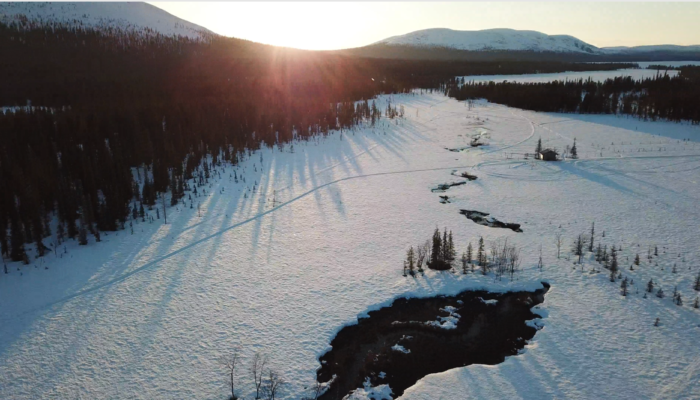
This is the first post of “Featured Catchment”, a series of posts in the HS Blog that present experimental catchments across Europe and beyond. Here, the authors of the posts will explain the main characteristics (e.g., climate, geology, topography, land use) of their catchments, why hydrologic research is important in their study areas, describe the applied methodologies (field instrumentation an ...[Read More]
YHS interview Thorsten Wagener: being the head of a research group is “a bit like being a football coach”
In its “Hallway Conversations” series, the Young Hydrologic Society has recently published an interview with Thorsten Wagener, who is currently professor and the head of the Water and Environmental Engineering research group at the University of Bristol, UK. The interview was conducted by Wouter Knoben, a PhD student at the University of Bristol. With their agreement, we reproduce below some short ...[Read More]
“Everything is interaction and reciprocal”
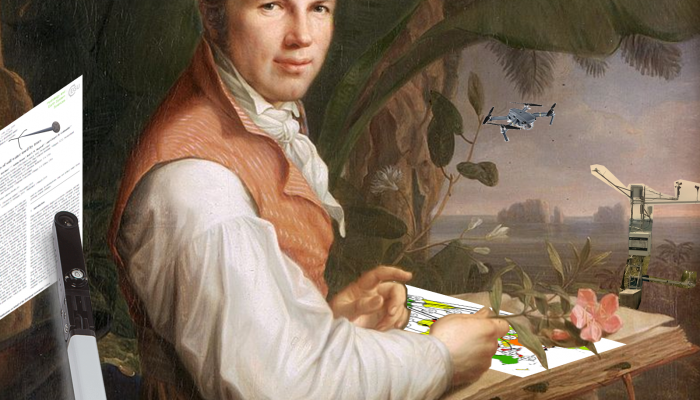
The first time I came across Alexander von Humboldt I was a freshman at the University of Bayreuth. We were proudly told that we were studying environmental science in a region where Humboldt used to work in, prior to his adventures in the Americas. Within EGU, von Humboldt is well known, in connection with the Union medal for “scientists who have performed research in developing regions for the b ...[Read More]
Talking hydrology: an interview with Jana von Freyberg on her work in the Rietholzbach catchment
This is the first post of “Talking hydrology”, an interview-based series of posts in the HS Blog that present the experience and personal views of hydrologists and people interested in talking about hydrology. The “Talking hydrology” series is edited by the team of the HS blog together with Leonie Kiewiet (University of Zurich, Switzerland). Here, we will talk about experimental hydrol ...[Read More]