NP
Nonlinear Processes in Geosciences

Multiscale dynamics

From the eyes of tropical cyclones to flooded strands : how climatologists use weather events to make climate predictions?
From the eyes of tropical cyclones to flooded strands : how climatologists use weather events to make climate predictions?
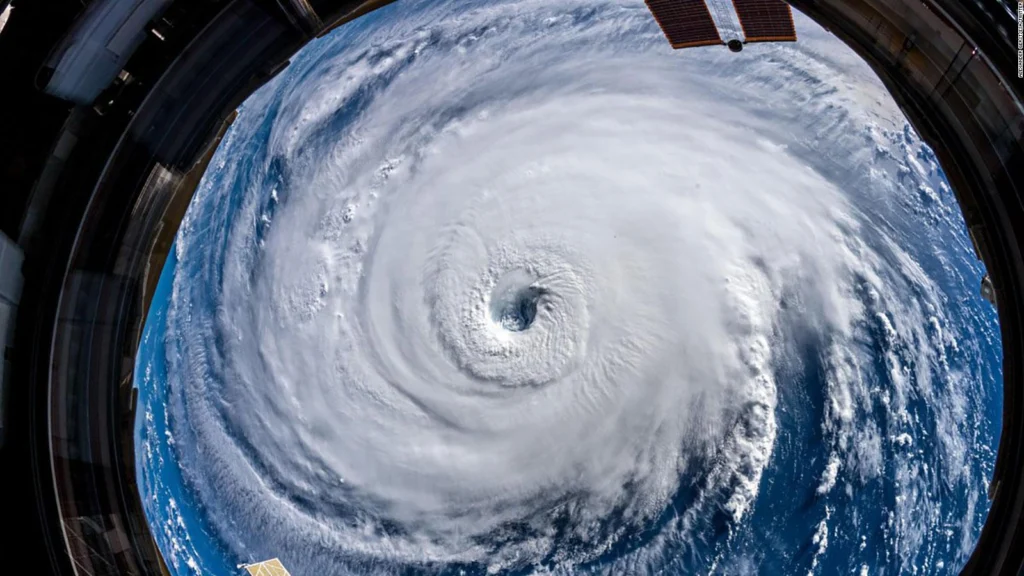
While extreme events are meteorological in nature, climatologists collect them to draw conclusions about the state of the present climate and to get clues how they possibly change in the future. Thus, climate and weather find common ground. If we consider an event alone, we are not studying the climate, we are in the field of meteorology, the goal of climatologists is therefore to put extreme even ...[Read More]

The 2021 Nobel Prize on Physics awarded to the physics of complex systems!

The 2021 Nobel Prize on Physics awarded to the physics of complex systems!

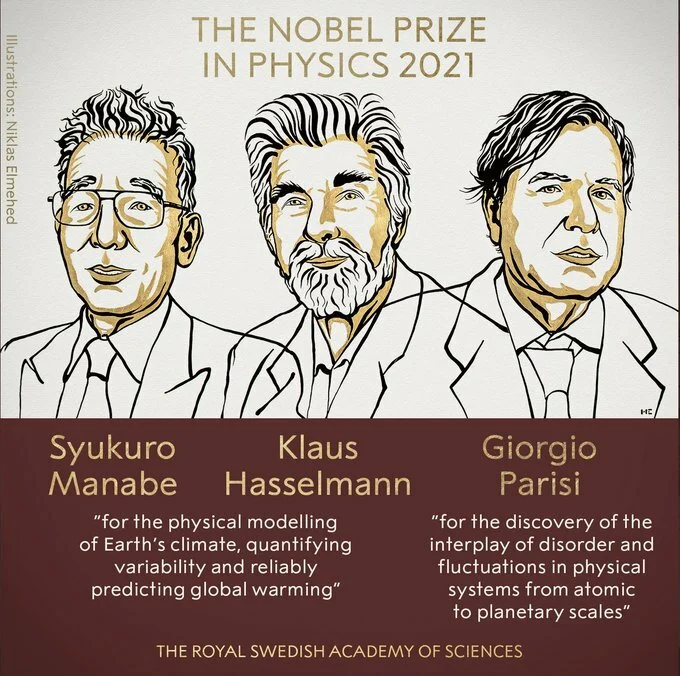
On October 7th, the Nobel Prize in Physics 2021 was announced. It came as a stunning surprise for the Non-linear Processes and Climate communities, the recipients of this year’s award being two outstanding senior climate scientists, Klaus Hasselmann and Syukuro Manabe, and a theoretical physicist specialized in complex systems, Giorgio Parisi. For many, this award was welcomed as a long-awaited re ...[Read More]

NPG Paper of the Month: “Recurrence analysis of extreme event-like data”

NPG Paper of the Month: “Recurrence analysis of extreme event-like data”

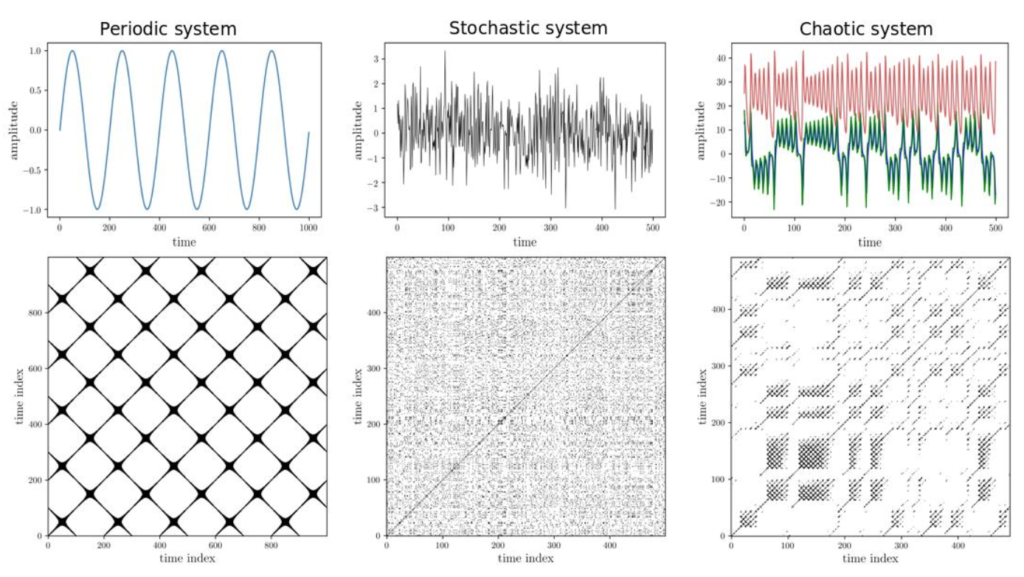
The May 2021 NPG Paper of the Month award goes Abhirup Banerjee and his co-authors for their paper “Recurrence analysis of extreme event-like data“. Abhirup is pursuing a doctoral degree in Theoretical Physics at University of Potsdam. He is working at Potsdam Institute of Climate Impact Research as a guest researcher as part of the DFG funded NatRiskChange project. In this project, he ...[Read More]

When carbon emissions break nature: icebergs and their feedback to climate change

When carbon emissions break nature: icebergs and their feedback to climate change

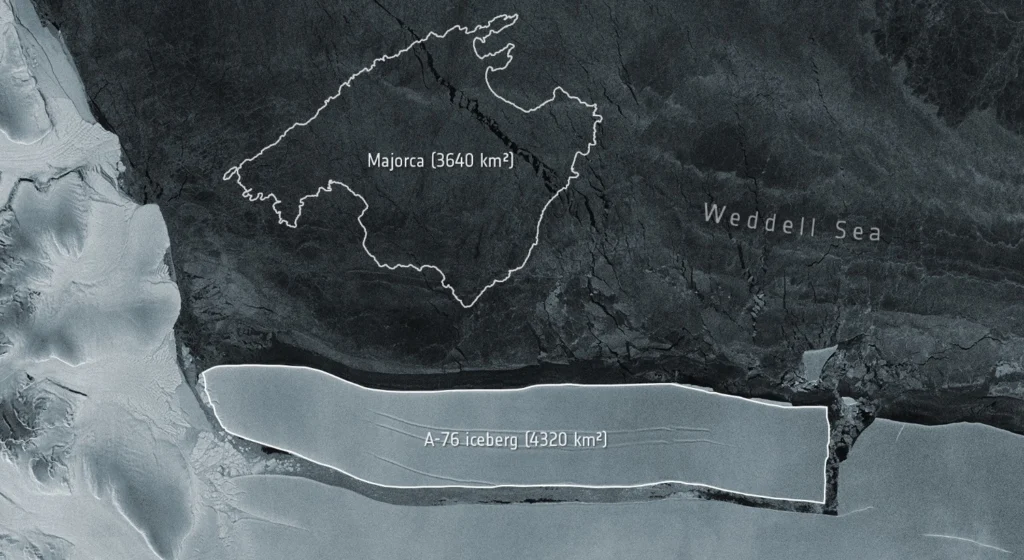
The largest iceberg in the world, named A-76, about 170 km long and 25 km wide, is drifting away from the Ronne pack ice in Antarctica. A76, originally spotted by the British Antarctic Survey (BAS), a British polar research organization with a base nearby, will wander and melt in the Weddell Sea, according to a statement released Wednesday, May 20, by the European Space Agency. Several studies are ...[Read More]

NPG Paper of the Month: “Ordering of trajectories reveals hierarchical finite-time coherent sets in Lagrangian particle data: detecting Agulhas rings in the South Atlantic Ocean”

NPG Paper of the Month: “Ordering of trajectories reveals hierarchical finite-time coherent sets in Lagrangian particle data: detecting Agulhas rings in the South Atlantic Ocean”

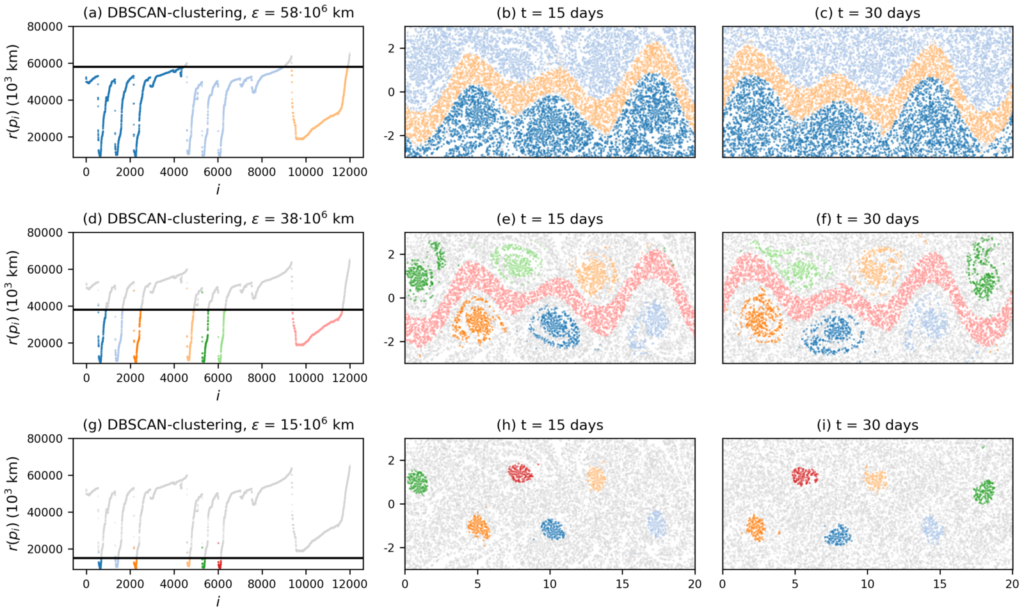
The February 2021 NPG Paper of the Month award goes David Wichmann and his co-authors for their paper “Ordering of trajectories reveals hierarchical finite-time coherent sets in Lagrangian particle data: detecting Agulhas rings in the South Atlantic Ocean“. Understanding the transport of tracers and particulates is an important topic in oceanography and in fluid dynamics in general. Th ...[Read More]

Four reasons for still observing cold spells despite the undeniable global climate change

Four reasons for still observing cold spells despite the undeniable global climate change

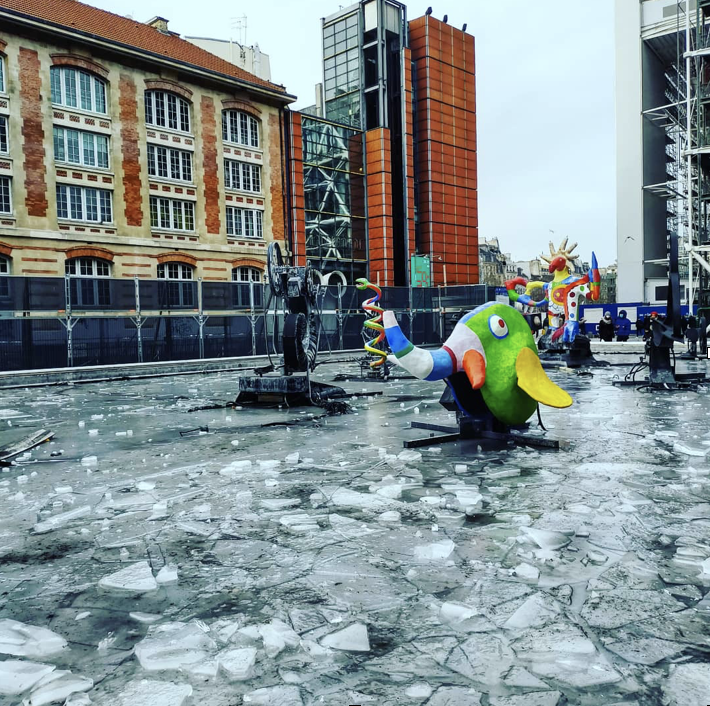
The winter of 2020-2021 has been characterized by various cold waves affecting – at different times – Western and Eastern Europe and North America.  The most striking pictures show Madrid covered by up to 40 cm of fresh snow, frozen Thames near London and Canal St Martin in Paris, heavy snow in Amsterdam and even on the Eolian Islands, just offshore Sicily. At first this seems contradi ...[Read More]

The most-read NPG 2020 paper: “Effects of upwelling duration and phytoplankton growth regime on dissolved-oxygen levels in an idealized Iberian Peninsula upwelling system”

The most-read NPG 2020 paper: “Effects of upwelling duration and phytoplankton growth regime on dissolved-oxygen levels in an idealized Iberian Peninsula upwelling system”

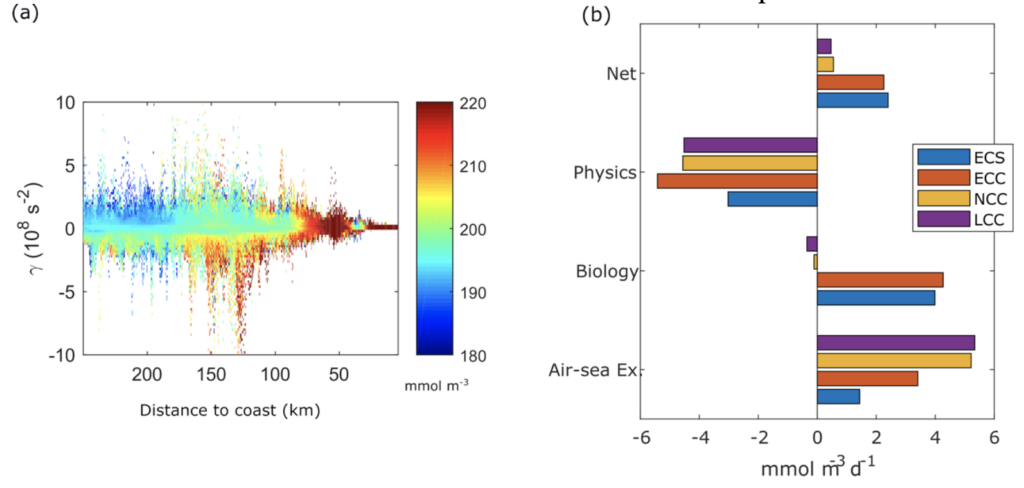
An emerging problem brought by climate change is the on-going deoxygenation of the world’s oceans. The fact that concentrations of dissolved oxygen have been/are declining in both open-ocean and coastal waters is becoming a major scientific and societal concern raised in the Kiel Declaration and in the IUCN (International Union for Conservation of Nature) 2019 report. Lower levels of dissolved oxy ...[Read More]

NP Campfire: “Perspectives on Climate Science: from historical developments to research frontiers”

NP Campfire: “Perspectives on Climate Science: from historical developments to research frontiers”

Recently, the European Geosciences Union (EGU) started to support a new type of event called ‘Campfires’ that will give the Divisions the freedom to run online interactive events in a way that suits their needs. This allows the EGU Divisions to encourage interactions in their research communities through virtual informal meetings. In this framework, and thanks to a group of young and established s ...[Read More]

NPG Paper of the Month: “Statistical postprocessing of ensemble forecasts for
 severe weather at Deutscher Wetterdienst”

NPG Paper of the Month: “Statistical postprocessing of ensemble forecasts for
 severe weather at Deutscher Wetterdienst”

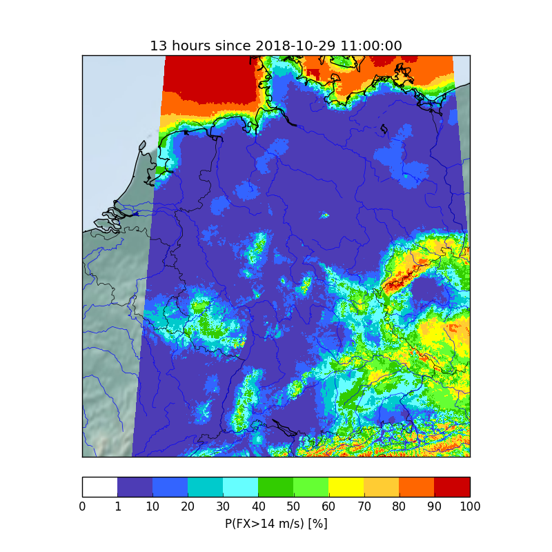
The October 2020 NPG Paper of the Month award goes to Reinhold Hess for the paper “Statistical postprocessing of ensemble forecasts for 
severe weather at Deutscher Wetterdienst“. Ensemble Forecasting rose with the understanding of the limited predictability of weather. In a perfect ensemble system, the obtained ensemble of forecasts expresses the distribution of possible weather scena ...[Read More]

NPG Paper of the Month: “Applications of matrix factorization methods to climate data”

NPG Paper of the Month: “Applications of matrix factorization methods to climate data”

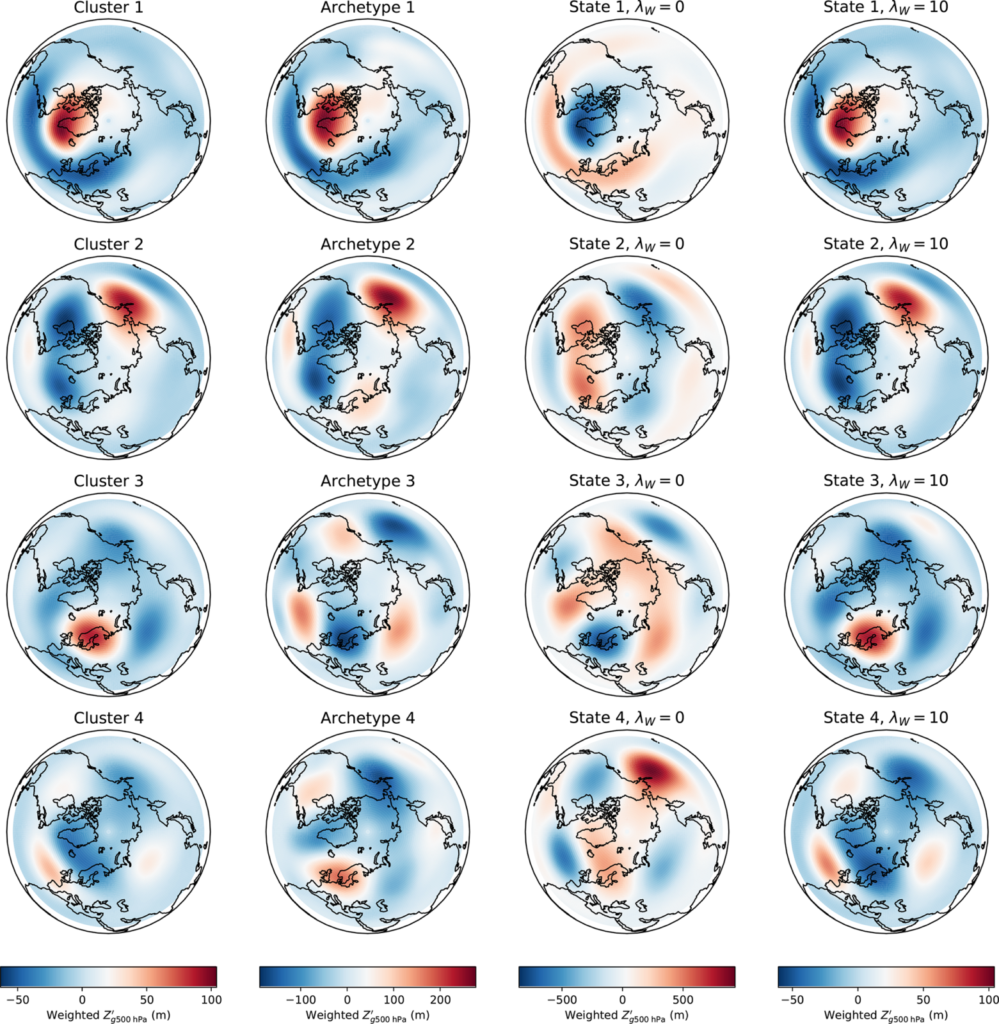
The September 2020 NPG Paper of the Month award goes to Dylan Harries and Terence J. O’Kane for their paper “Applications of matrix factorization methods to climate data” (https://doi.org/10.5194/npg-27-453-2020). Dylan is a postdoctoral fellow within the Oceans and Atmosphere business unit of CSIRO (Australia). His current research focuses on methods for learning reduced-order models from d ...[Read More]