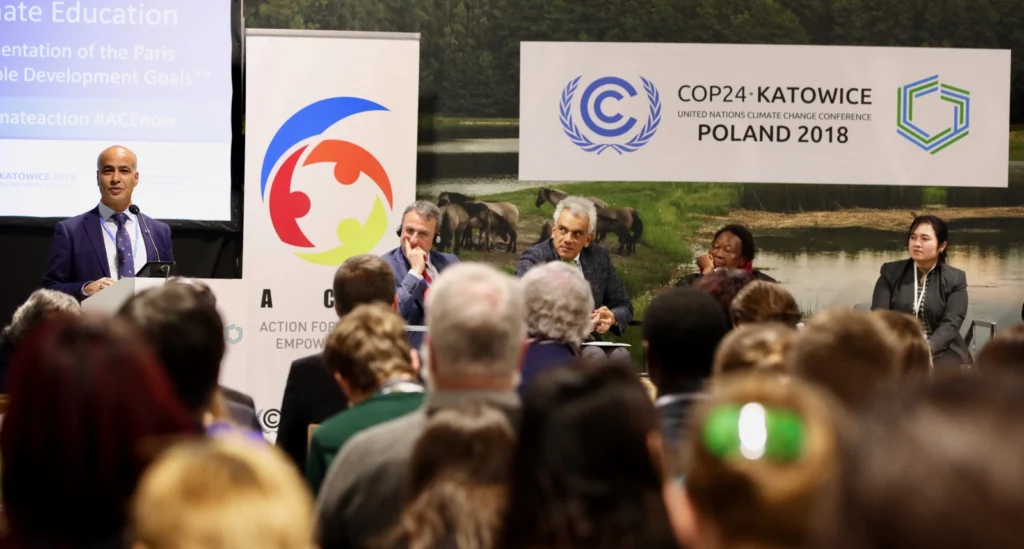
Earlier this month, the 24th Conference of the Parties (COP24), was held in Katowice, Poland. COPs are held annually and provide world leaders, policy workers, scientists and industry leaders with the opportunity to negotiate and determine how best to tackle climate change and reduce emissions on a global level. With so much at stake, these negotiations …[Read More]
climate
GeoTalk: the climate communication between Earth’s polar regions
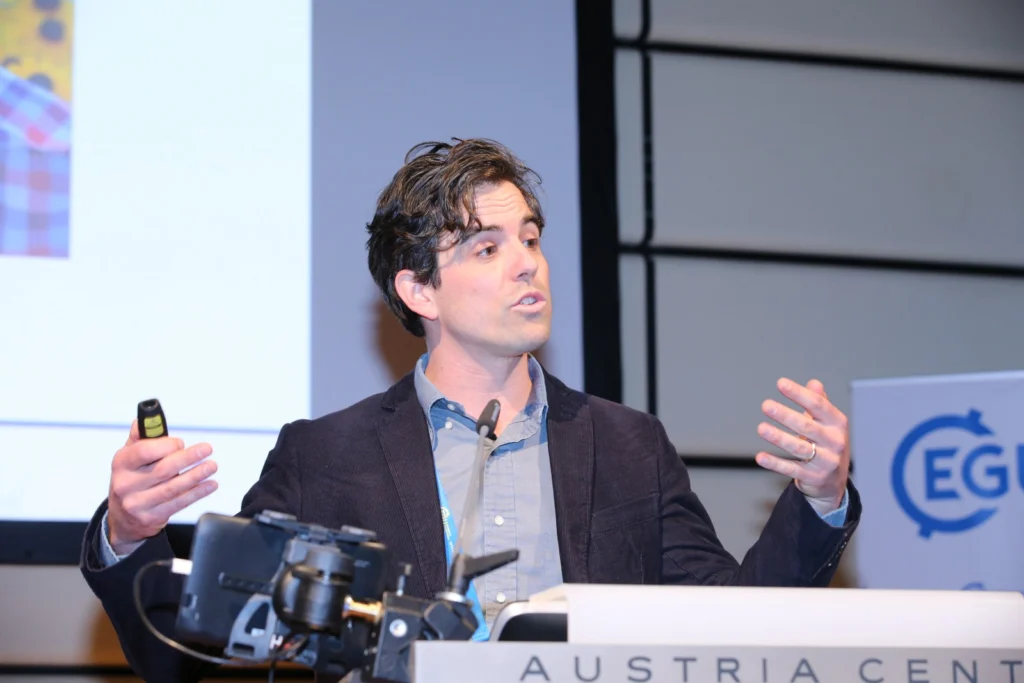
Geotalk is a regular feature highlighting early career researchers and their work. In this interview, we caught up with Christo Buizert, an assistant professor at Oregon State University in Corvallis, who works to reconstruct and understand climate change events from the past. Christo’s analysis of ice cores from Greenland and Antarctica helped reveal links between …[Read More]
Can the EU become carbon neutral by 2050? A new strategy from the EU!
On Wednesday 28 November 2018, the European Commission adopted a strategic long-term vision for a climate neutral economy (net-zero emissions) by 2050! A Clean Planet for All, tactically released ahead of the 24th Conference of the Parties (COP 24), which will be hosted in Katowice, Poland from 2-14 December, describes seven overarching areas that require …[Read More]
October GeoRoundUp: the best of the Earth sciences from around the web
Drawing inspiration from popular stories on our social media channels, major geoscience headlines, as well as unique and quirky research, this monthly column aims to bring you the latest Earth and planetary science news from around the web. Major story In October, the UN Intergovernmental Panel on Climate Change (IPCC) released a landmark report and …[Read More]
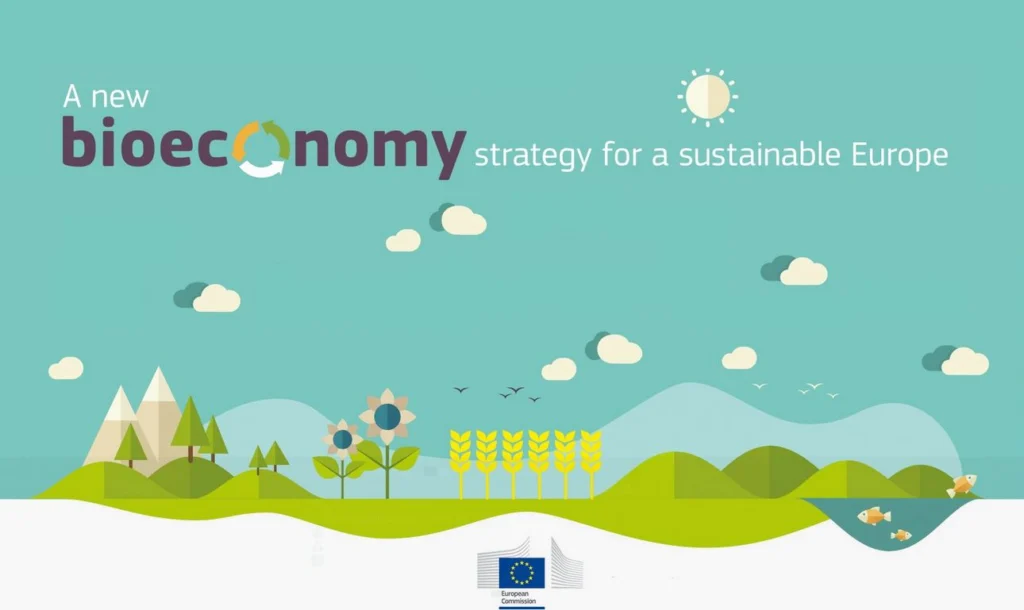
GeoPolicy: the EU’s Bioeconomy Strategy – what is it and how is it linked with geoscience?
What is the bioeconomy? Global threats such as climate change, ocean acidification, land degradation and an ever-expanding population means that it’s essential for us to reduce our environmental impact while still meetings our demand for food, resources and energy. The bioeconomy covers all sectors and systems that rely on biological resources and their functions including renewable …[Read More]
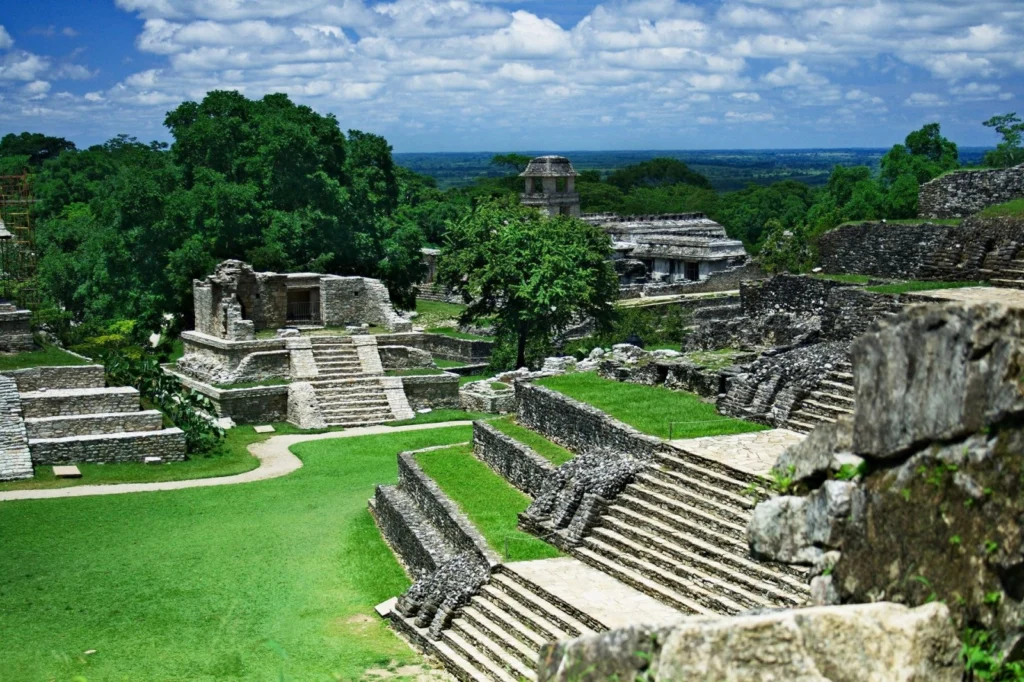
Geosciences Column: How climate change put a damper on the Maya civilisation
More than 4,000 years ago, when the Great Pyramid of Giza and Stonehenge were being built, the Maya civilisation emerged in Central America. The indigenous group prospered for thousands of years until its fall in the 13th century (potentially due to severe drought). However, thousands of years before this collapse, severely soggy conditions lasting for …[Read More]
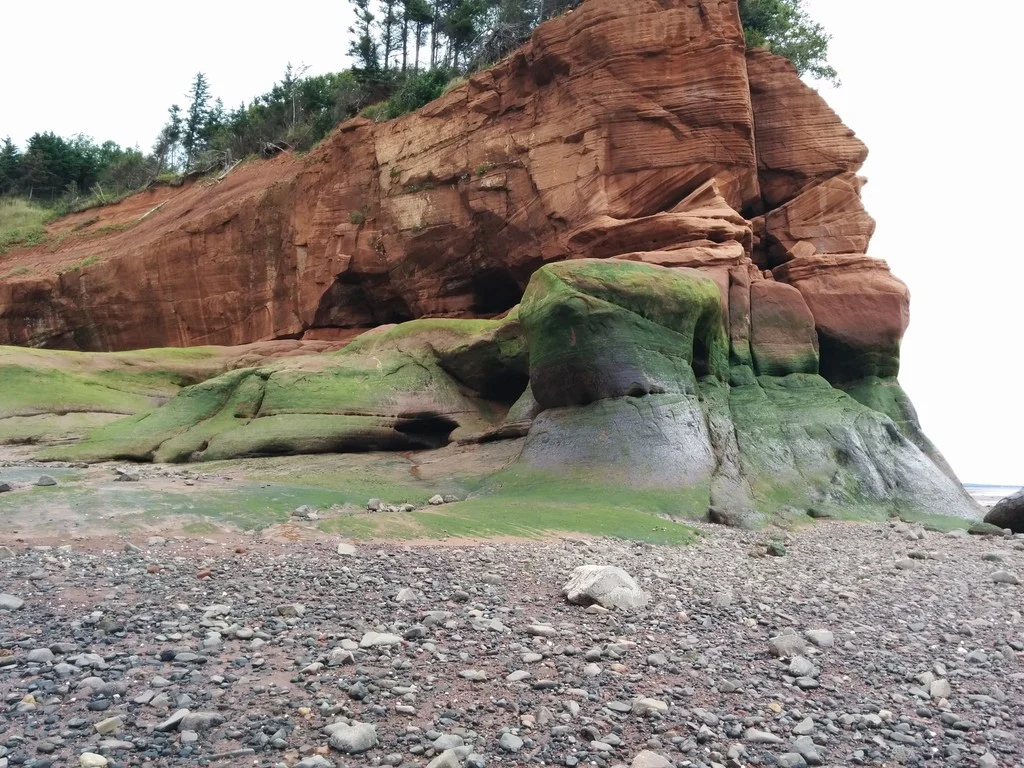
Imaggeo on Mondays: A modern cliff hides ancient dunes
Ancient sand dunes exposed off a cliff face on the shoreline of Nova Scotia at the Islands Provincial Park. The juxtaposition of the high angled strata and flat lying layers above revels the drastic change in climate in Nova Scotia’s history; from vast sand dunes to a calm lake system, and presently the western coastline …[Read More]
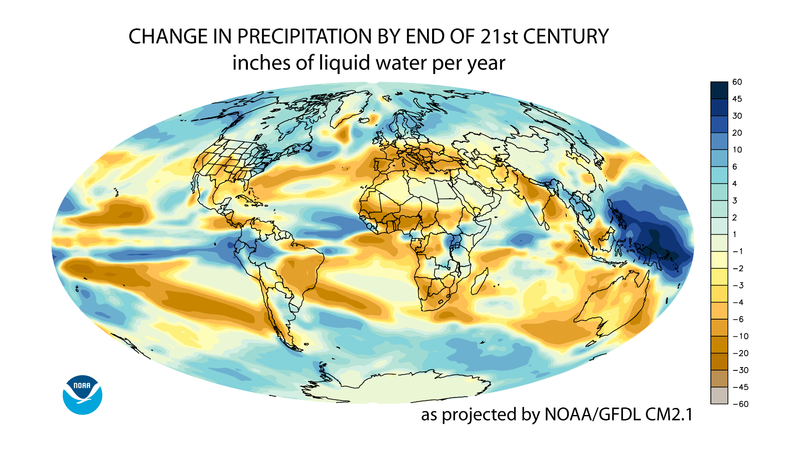
How to forecast the future with climate models
Our climate is constantly changing, and with the help of simulation modelling, scientists are working hard to better understand just how these conditions will change and how it will affect society. Science journalist Conor Paul Purcell has worked on Earth System Models during his time as a PhD student and postdoctoral researcher; today he explains …[Read More]
Living in a new Age
If you were suddenly told you were living in a different time period, what would your immediate reaction be? Changes in the calendar – even if it’s just terminology – have proven emotive in the past. In 1752, when England shifted from the Julian to Gregorian calendars, and 11 days were cut from 1752 to …[Read More]
Imaggeo on Mondays: The ancient guard of Altai
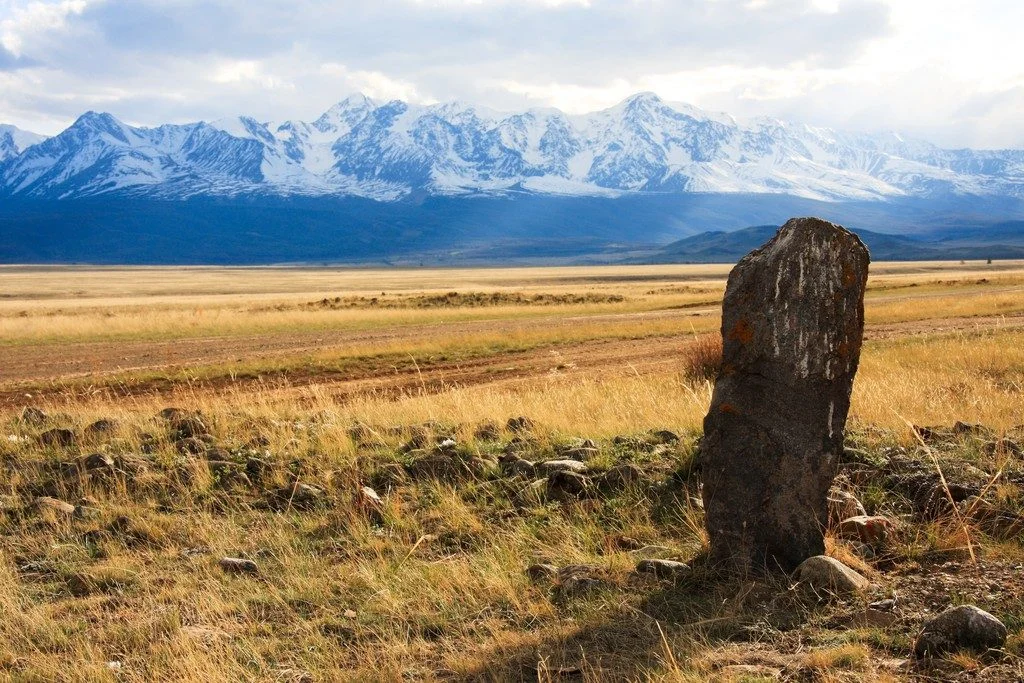
In the heart of Eurasia, an ancient stone statue overlooks the expanse of the Kurai Valley and the Altai Mountains in Russia. This relic was crafted more than a thousand years ago, sometime during the 6th or 7th century. A Turkish clan that inhabited the region, known as the First Turkic Khaganat, would often erect …[Read More]