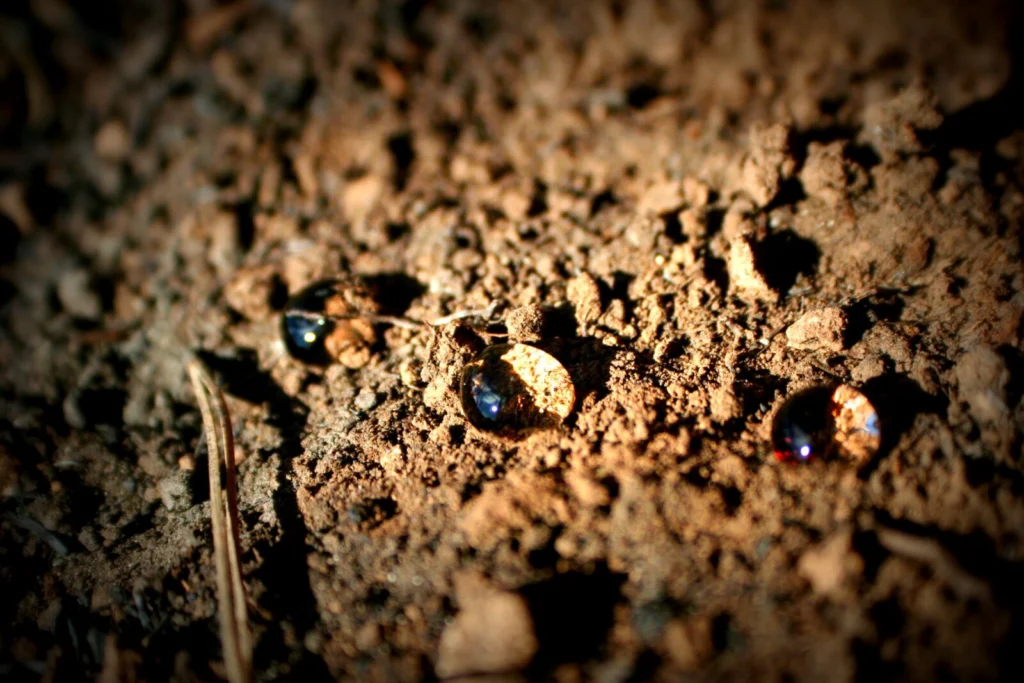
Next time you’re outdoors, in a park or anywhere where there is no pavement, look down at the patch of earth beneath your feet. To many people, it’s just mud, dirt, or maybe soil, something passive that things grow in. But to a soil scientist, that handful of soil represents a dynamic ecosystem that supports …[Read More]
climate
GeoTalk: meet Nazimul Islam, Dendrochonrologist and Climate ECS Representative!
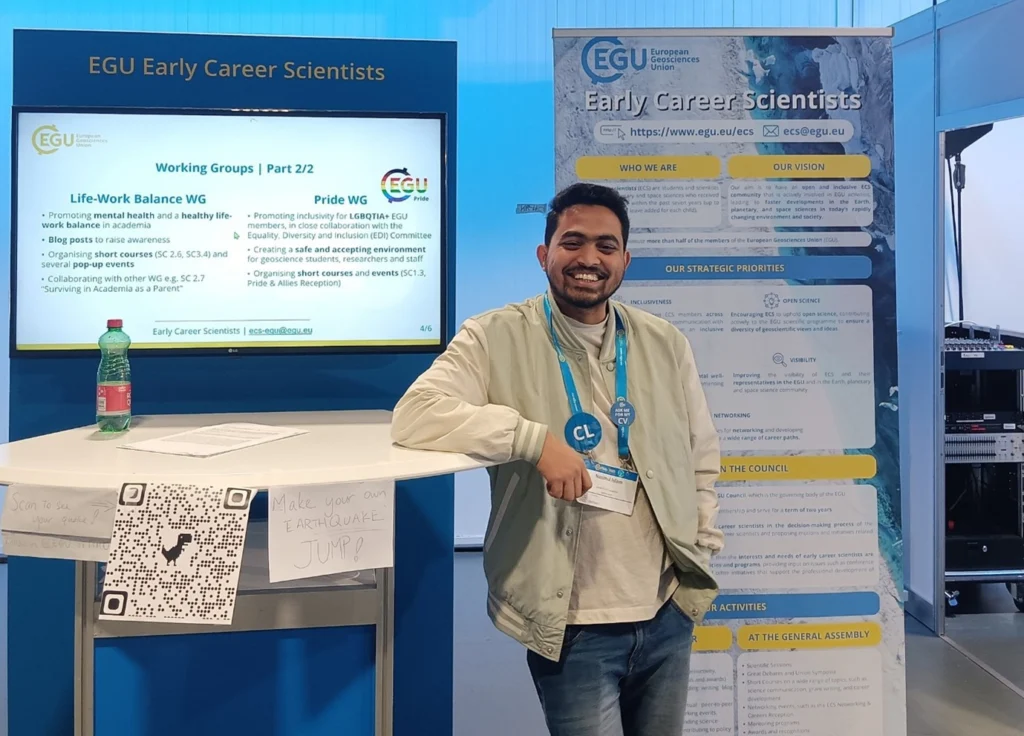
Hi Naz. Thanks for joining us for this edition of GeoTalk! How did you get into studying tree rings? Hello, thank you for inviting me! Well there is an interesting story behind this so let me share it with you. I was always fascinated by our natural environment, particularly mountains, glaciers, and rivers. That motivated …[Read More]
GeoPolicy: What does the IPCC’s 6th Assessment Report tell us about the future?
The Intergovernmental Panel on Climate Change (IPCC) prepares and publishes extensive Assessment Reports on the scientific, technical and socio-economic knowledge on climate change, including its impacts, future risks, and likely scenarios based on the actions that humanity takes. In their sixth Assessment Report (AR6), the IPCC’s certainty and warnings were clearer than ever. This month’s …[Read More]
GeoPolicy: A Climate and Ecological Emergency: Can a pandemic help save us…?
The EGU’s #vEGU21 streamed a wide variety of virtual sessions from Short Courses to Union Symposia. While most #vEGU21 sessions had a specific scientific focus, a few highlighted topics that were of interest to geoscientists across multiple disciplines. The Union Symposia 3: “A Climate and Ecological Emergency: Can a pandemic help save us…?” was one …[Read More]
GeoPolicy: Atmospheric Sciences and Climate: Past, Present & Future Divisions welcome the US back into the Paris Climate Agreement
As of 19 February 2021, the US officially re-joined the Paris Climate Agreement, a landmark international accord to limit global warming by 2°C (and ideally to 1.5°C) compared to pre-industrial levels. The Paris Climate Agreement aims to bring the world together to avoid catastrophic warming that will impact us all and to build resilience to …[Read More]
GeoPolicy: How geoscience can support the European Green Deal
Earlier this year, the EGU hosted the Integrating science into the EU Green Deal event in collaboration with the Intergroup on Climate Change, Biodiversity and Sustainable Development to outline how the geosciences can most effectively support the European Green Deal and ensure its ambitious biodiversity and zero-pollution targets are reached. The event provided policymakers, scientists and …[Read More]
GeoPolicy: Communicating A Global Climate Crisis – your questions answered!
A wide variety of webinar sessions were streamed during EGU 2020’s Sharing Geoscience Online, including all of the Great Debates and Union Symposia. The sessions were very well attended, with some sessions having over 700 participants. An extremely high level of engagement meant that in many cases not all of the participants’ questions could be …[Read More]
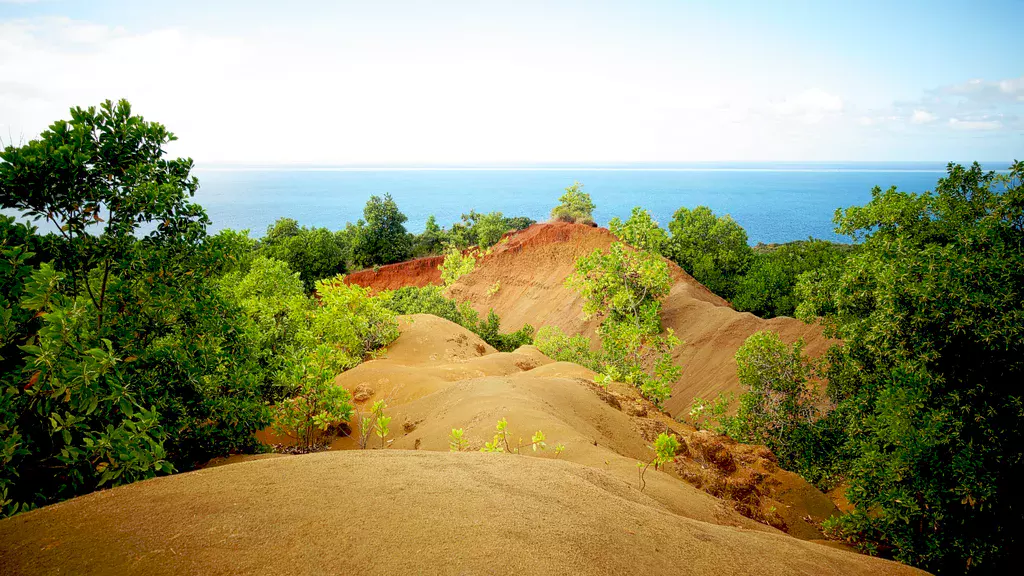
Imaggeo On Mondays: Contrasted island in the Mozambic Canal
Mayotte, the so-called “perfume island”, is a volcanic island of the Comoros Archipelago and a French overseas department which hit the headlines in 2018-2019 with an enigmatic as well as frightening seismic swarm, recently linked to the appearance of a new submarine volcano nearby. Surrounded by one of the largest lagoons in the World and …[Read More]
The Carbon Potential of Peat
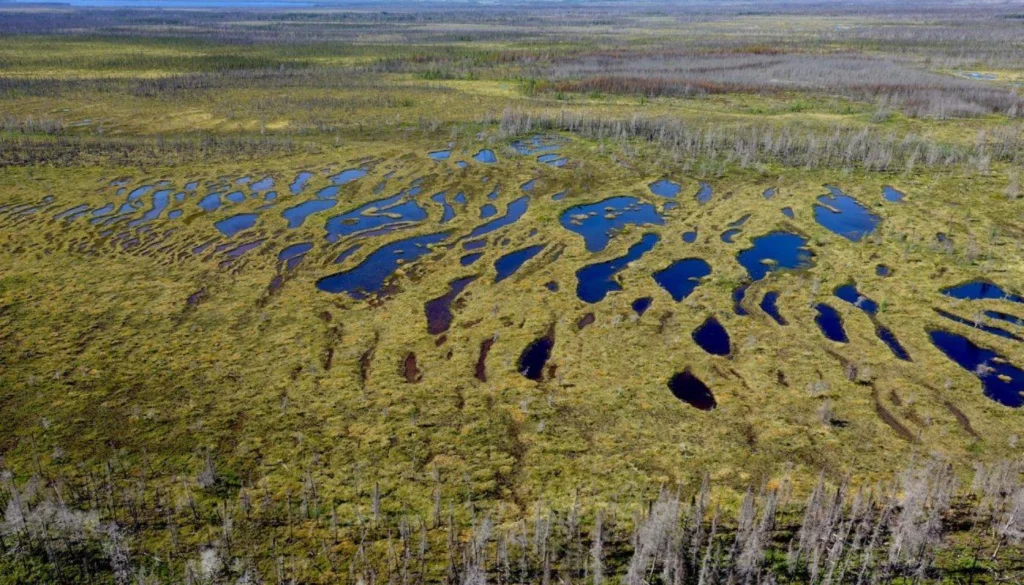
2020 is being described by many as a tipping point: the year that humanity as a species must take concrete and measurable action to prevent catastrophic climate change. But even if we do manage to slow carbon emissions from 2020 onwards, how would the planet deal with all the carbon dioxide we have produced so …[Read More]
Imaggeo on Mondays: Rain on the Namib Desert
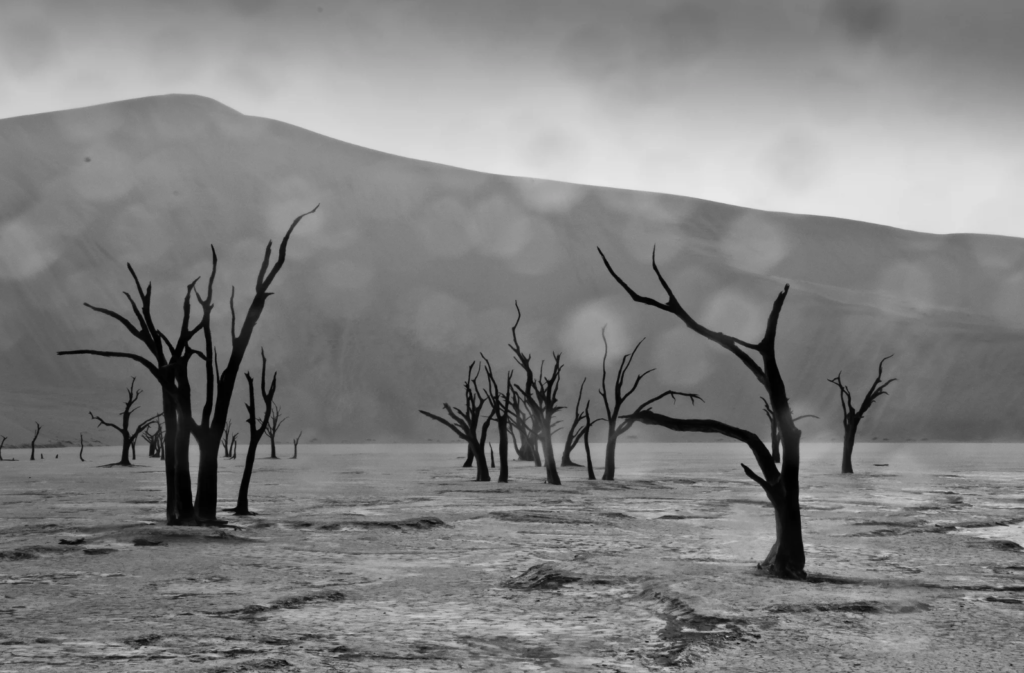
Pictured here is the arid Namib Desert on a not-so-arid day. The desert is known for its extremely dry conditions and abundance of sunshine, but this photo, taken by Christoph Schmidt, chair of geomorphology at the University of Bayreuth in Germany, gives us a rare glimpse of a rainy day. The Namib Desert spans about …[Read More]