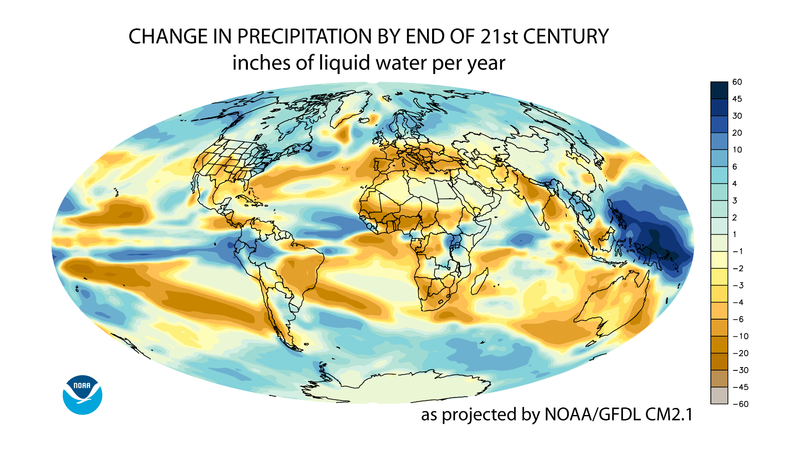
Our climate is constantly changing, and with the help of simulation modelling, scientists are working hard to better understand just how these conditions will change and how it will affect society. Science journalist Conor Paul Purcell has worked on Earth System Models during his time as a PhD student and postdoctoral researcher; today he explains how scientists use these models as tools to foreca ...[Read More]
An overnight train view of China’s Anthropocene – Part 2
Science fiction is no match for industrial non-stop China. Electric bikes zip across the cities of Shanghai and Beijing, and soundtrack the neon nights with their passing whirr. Here, some kind of two-wheeled revolution has taken place which are we completely unaware of in the West. It’s Blade Runner meets Total Recall in a future which has already come to pass. The very existence of our ele ...[Read More]
An overnight train view of China’s Anthropocene – Part 1
The nighttrain from Shanghai to Beijing is a comfortable affair. The train is new and clean. My travel partner and I can charge our phones and relax on soft beds. The railway is almost frictionless, and overall the experience is similar to any ride in the West. But outside, as the vehicle roars through the early night, things become increasingly hazy. As we reach further out from the Shanghai metr ...[Read More]
How certain plants survive mass extinction events: study
We often read about Earth’s mass extinction events and how they wiped out vast numbers of animal species, leaving survivors to evolve and repopulate the planet. But it’s rarer to hear about how plants managed these catastrophes. A new study published last month by a team at University College Dublin, Ireland, in the journal Nature Plants shows how plants with thicker, heavier leaves we ...[Read More]
Light years from home – a geologist’s tale
In a departure from the usual posts we feature on the blog, today Conor Purcell (a freelance science writer) brings you a thought provoking science fiction piece. Grab a drink and dive into this geology inspired adventure! “It’s typical geology for a rocky planet” K reported. “Captured beneath the ocean at its northern pole, the core is a mix of metamorphic and sedimentary rock, with sand an ...[Read More]
Knowing the ocean’s twists and turns
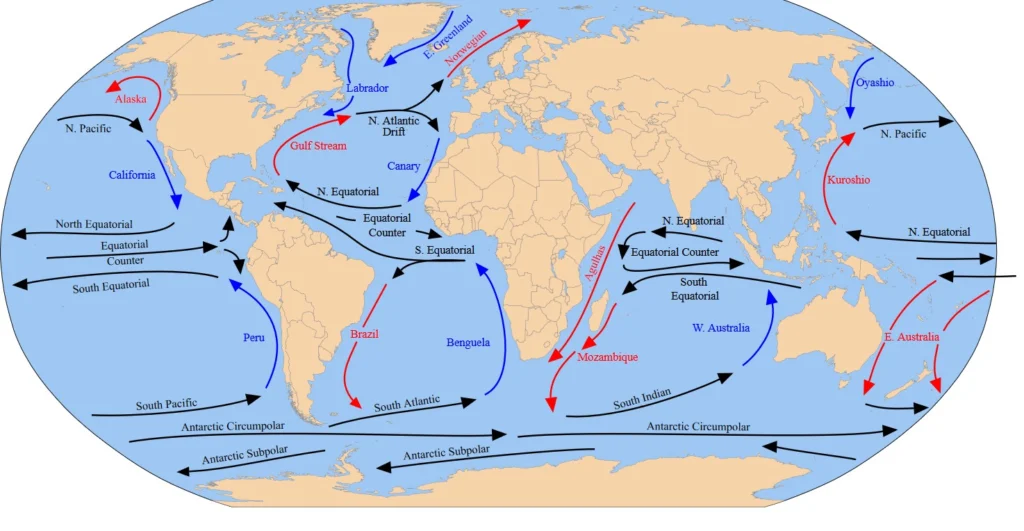
Navigating the ocean demands a knowledge of its movements. In the past, sailors have used this knowledge to their advantage, following the winds and the ocean currents to bring them on their way. Prior to mutiny in 1789, Captain Bligh – on the HMS Bounty – famously spent a month attempting to pass westward through the Drake Passage, around Patagonia’s Cape Horn. Here the westerly ...[Read More]