GeoLog
Avatar photo

Robert Emberson

Robert Emberson is a Postodctoral Fellow at NASA Goddard Space Flight Centre, working to understand landslide risk in real-time. Robert is a keen advocate for science communication and open science. Previously Associated Editor at Nature Geoscience, freelance science writer and PhD at GFZ Potsdam. Robert can be contacted via Twitter (@RobertEmberson) or via his website (www.robertemberson.com)

A better framework for disasters

A better framework for disasters

The end of the Northern hemisphere summer tends to be a good time to regroup from natural hazards, as the frequency and intensity of storms, as well as the incidence of wildfires, tends to trail off. At the time of writing, however, Hurricane Willa had just crashed into Mexico, while Typhoon Yutu has just hit the Northern Mariana Islands so hard that any equipment designed to record wind-speed had ...[Read More]

Imaggeo on Mondays: The Henry Mountains, living textbook of modern geomorphology

Imaggeo on Mondays: The Henry Mountains, living textbook of modern geomorphology

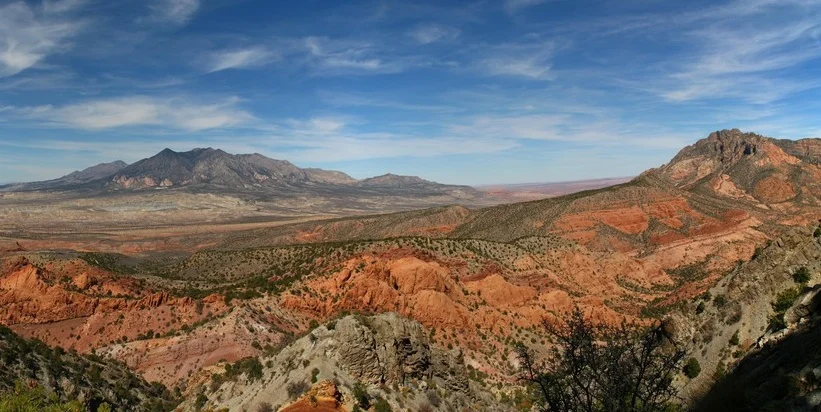
In 1877, the United States Geological Survey published a report “On the Geology of the Henry Mountains”, on the small range of peaks in southern Utah, pictured here. Up to that point, little scientific study had been made of the unassuming peaks, but the author of the report, one Grove Karl Gilbert, not only detailed the structure and mineralogy of the landscape, but in doing so also l ...[Read More]

Living in a new Age

Living in a new Age

If you were suddenly told you were living in a different time period, what would your immediate reaction be? Changes in the calendar – even if it’s just terminology – have proven emotive in the past. In 1752, when England shifted from the Julian to Gregorian calendars, and 11 days were cut from 1752 to catch up, there are suggestions that civil unrest ensued. Once again, the name of the period in ...[Read More]

Migrating scientists

Migrating scientists

Scientific research is no doubt enriched by interdisciplinarity and collaborations which cross borders. This, combined with the scarcity of academic positions and the need to further ones horizons by experiencing varied research environments, leads many scientists to relocate (if only on a short term basis) to a country which is not their own.  In today’s post, freelance science writer Rober ...[Read More]

GeoSciences Column: Forests in flux – log-jams in the Amazon

GeoSciences Column: Forests in flux – log-jams in the Amazon

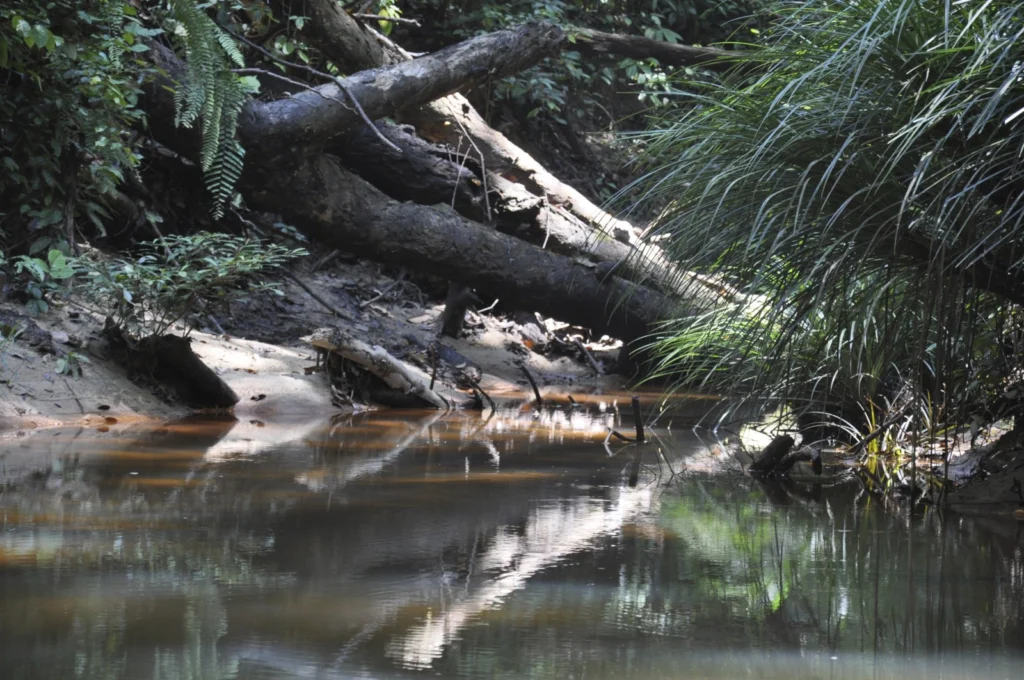
Collapsing dams are a staple of disaster films, but the form that these take in natural systems is also surprisingly varied. Streams and rivers can be blocked by a range of rapid and gradual inputs. One of the lesser-known causes of stream blockage is through the accumulation of large woody debris – tree trunks and large branches – to form a log jam. The impact of these jams on river geomorphology ...[Read More]

Record-setting forest fires in 2017 – what is to blame?

Record-setting forest fires in 2017 – what is to blame?

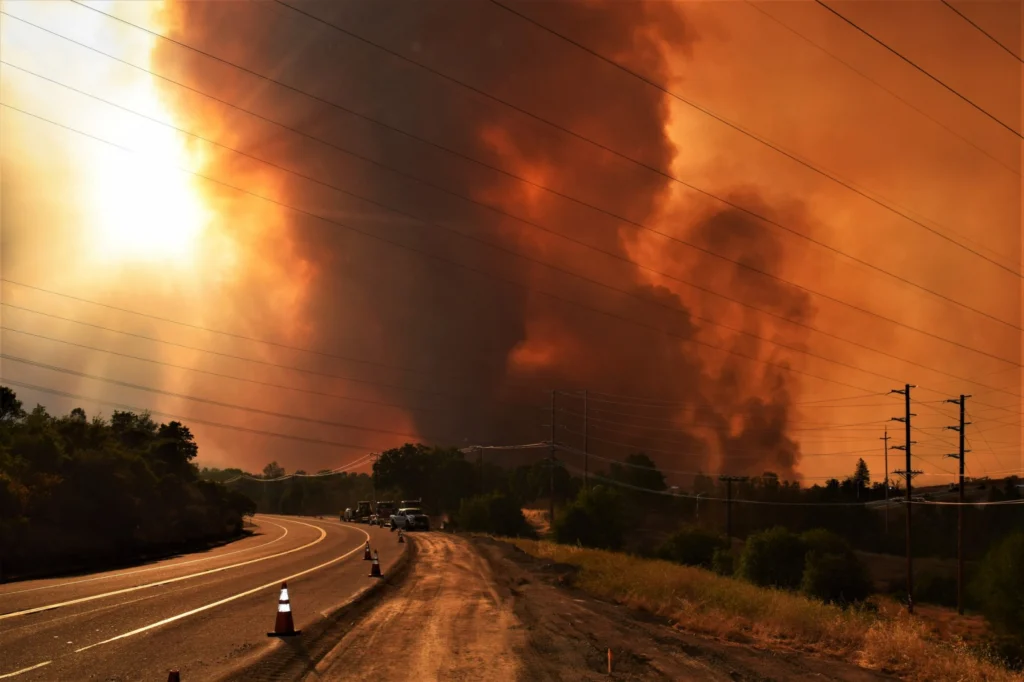
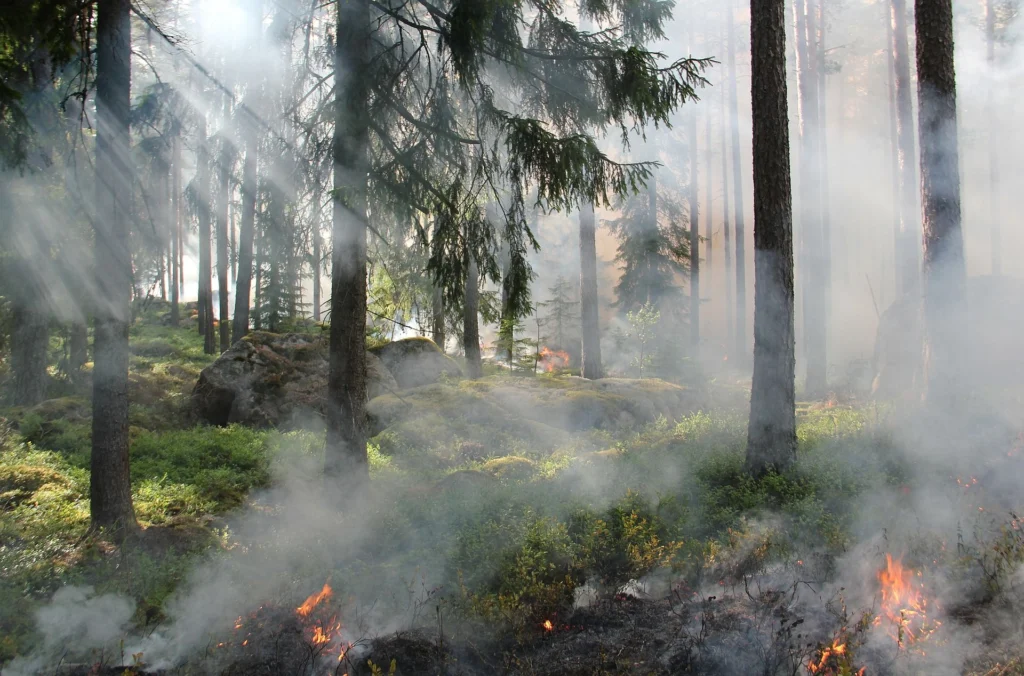
Forest fires have once again seized the public consciousness in both Europe and North America. Extreme drought and temperatures contributed to a tinderbox in many forests, and have led to deadly fires across Europe and record-breaking, highly disruptive fires in the USA and Canada, from where I’m currently writing. A simple way to understand fire is by thinking about the fire triangle – the three ...[Read More]

Enmeshed in the gears of publishing – lessons from working as a young editor

Enmeshed in the gears of publishing – lessons from working as a young editor

Editors of scientific journals play an important role in the process research publication. They act as the midpoint between authors and reviewers, and set the direction of a given journal. However, for an early career scientist like me (I only defended my PhD in early December 2016) the intricacies of editorial work remained somewhat mysterious. Many academic journals tend to appoint established, ...[Read More]