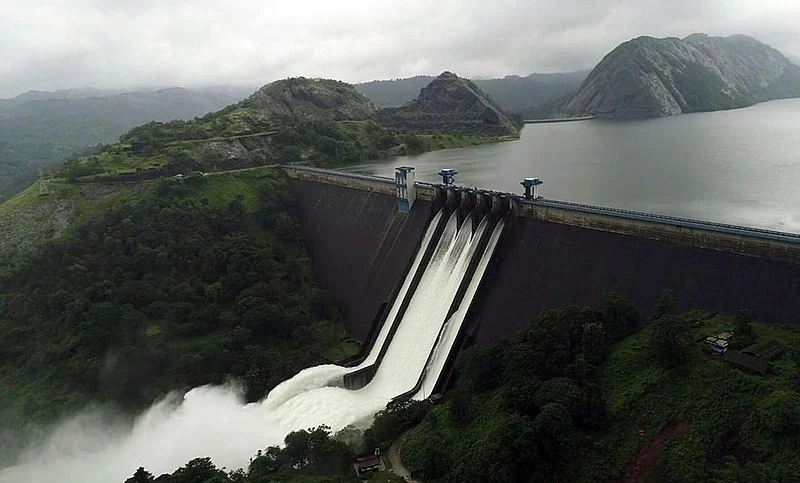
Drawing inspiration from popular stories on our social media channels, major geoscience headlines, as well as unique and quirky research, this monthly column aims to bring you the latest Earth and planetary science news from around the web. Major story The south Indian state of Kerala has suffered unusually heavy monsoon rainfall this month, triggering …[Read More]
climate
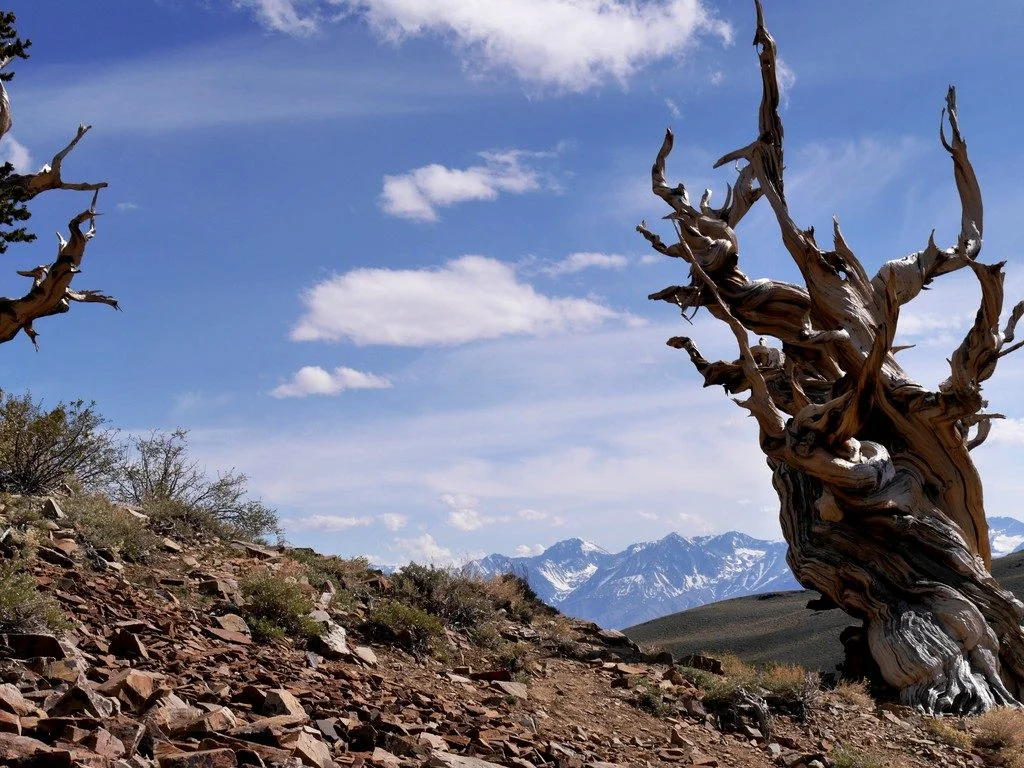
Imaggeo on Mondays: Bristlecone pines, some of Earth’s oldest living life forms
About 5,000 years ago, the ancient city Troy was founded, Stonehenge was under construction, and in the rugged Sierra Nevada mountain range, groves of bristlecone pine seedlings began to take root. Many of these pines are still alive today, making them the world’s oldest known living non-clonal life forms. Raphael Knevels, a PhD student from …[Read More]
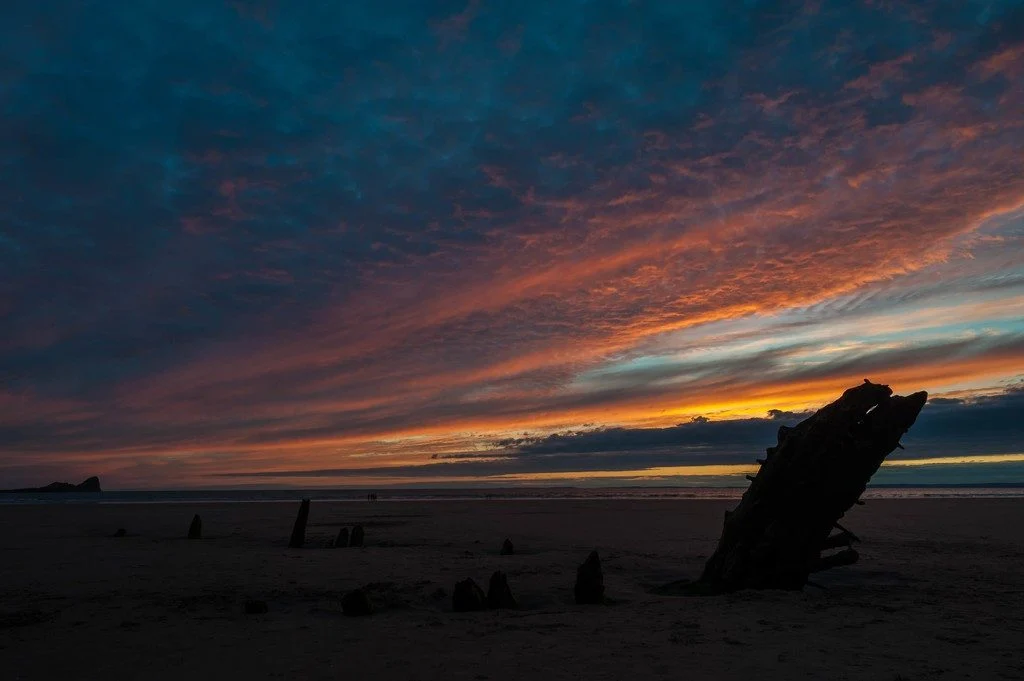
Imaggeo on Mondays: The Gower Peninsula, a coast marked by time
The Gower Peninsula in South Wales, United Kingdom, is a spectacular site to view a sunset. However, to geologists, the shore is also a prime spot to find artifacts from Earth’s ancient and recent past. “The limestone coastline is dotted with caves that are rich in Quaternary flora and fauna,” said Mike Smith a visiting …[Read More]
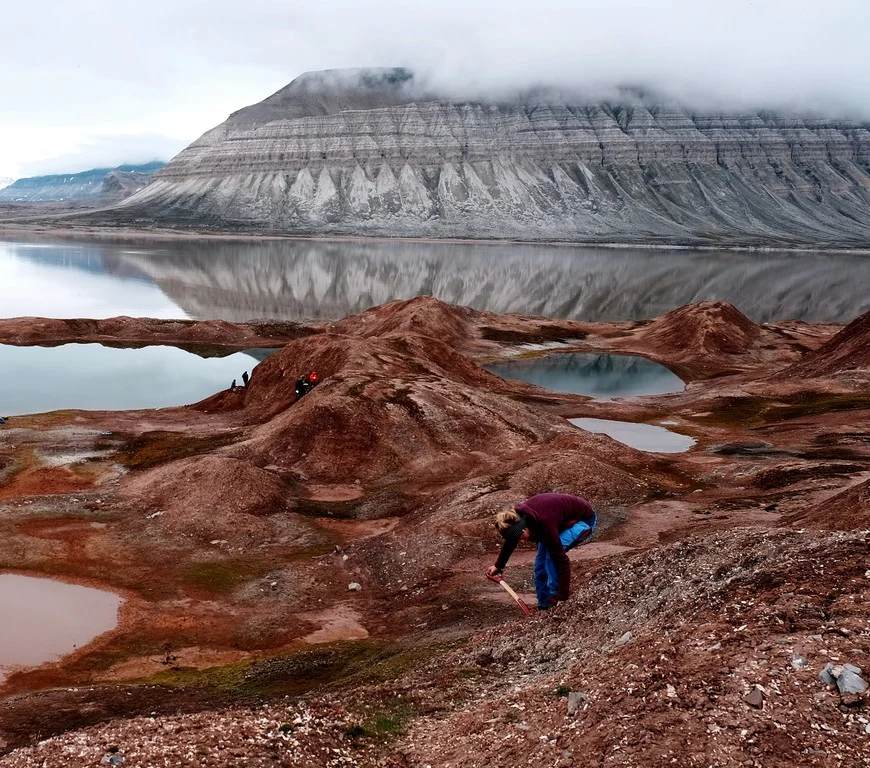
Imaggeo on Mondays: Digging out a glacier’s story
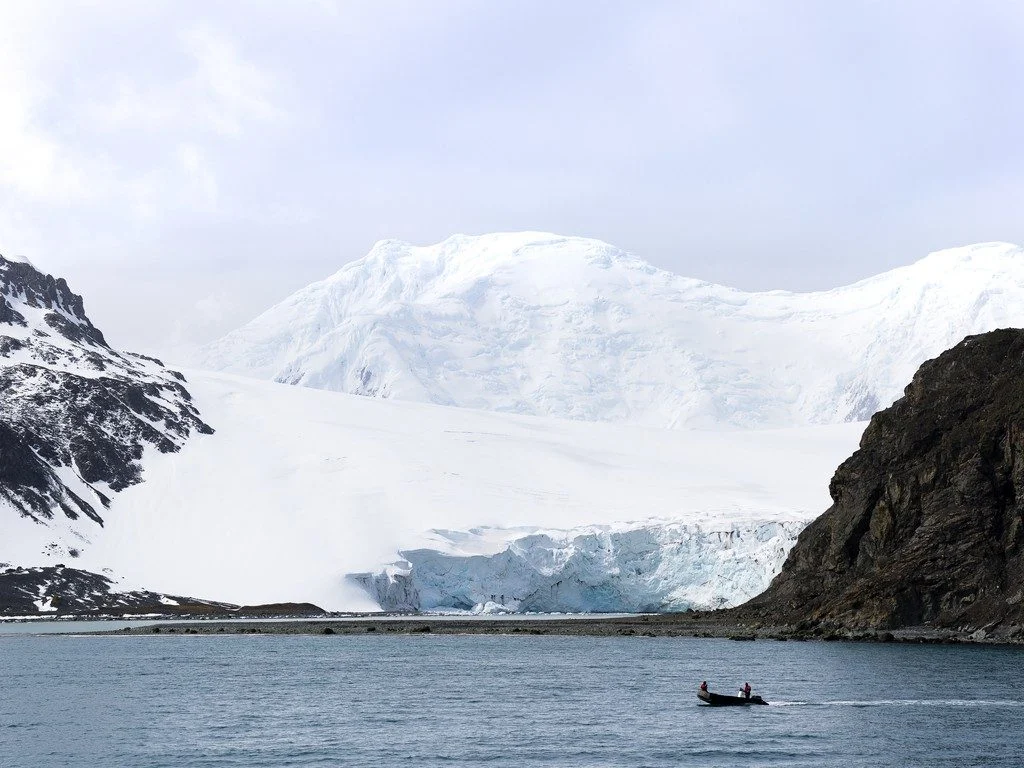
This photograph shows landforms on Coraholmen Island in Ekmanfjorden, one of the fjords found in the Norwegian archipelago, Svalbard. These geomorphic features were formed by Sefströmbreen, a tidewater glacier, when it surged in the 1880s. Although all glaciers flow, some glaciers undergo cyclic changes in their flow. This is called surging, and glaciers that surge are called …[Read More]
Geosciences Column: The best spots to hunt for ancient ice cores
Where in the world can you find some of Earth’s oldest ice? That is the question a team of French and US scientists aimed to answer. They recently identified spots in East Antarctica that likely have the right conditions to harbor ice that formed 1.5 million years ago. Scientists hope that obtaining and analysing an …[Read More]
Giving back to the city: First EGU Public Lecture at the General Assembly 2018 in Vienna
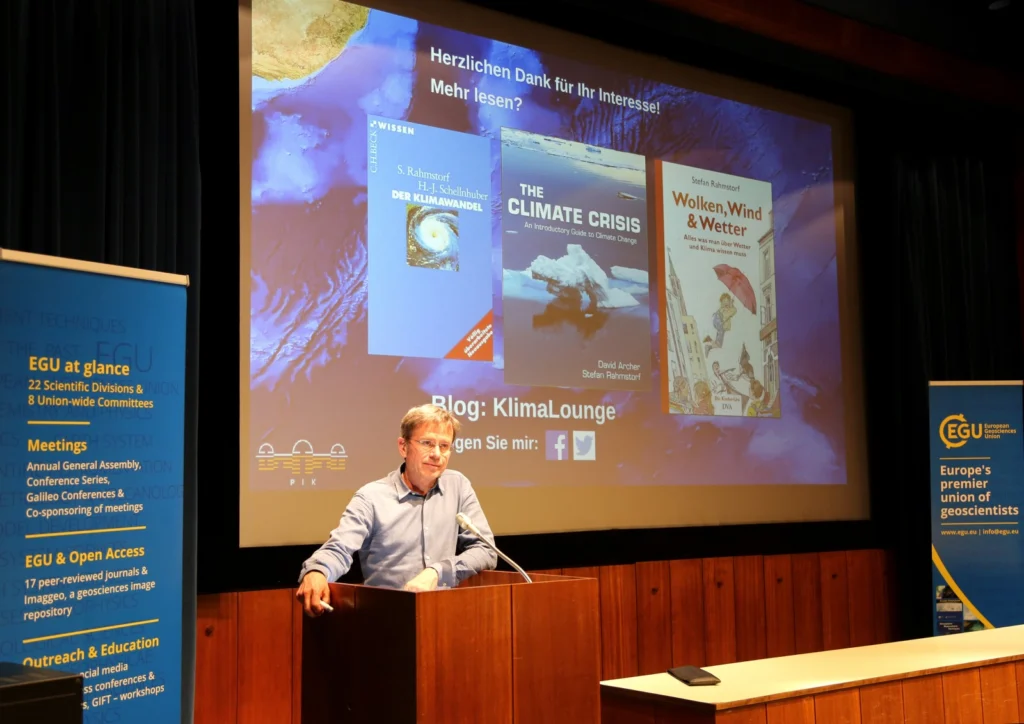
The inaugural EGU Public Lecture, titled ‘After Paris: Are we getting the climate crisis under control?’, took place last April at the 2018 General Assembly in the Natural History Museum of Vienna. In this first public lecture, Stefan Rahmstorf, a climate scientist at the Potsdam Institute for Climate Impact Research in Germany, took the audience …[Read More]
Geosciences Column: Landslide risk in a changing climate, and what that means for Europe’s roads
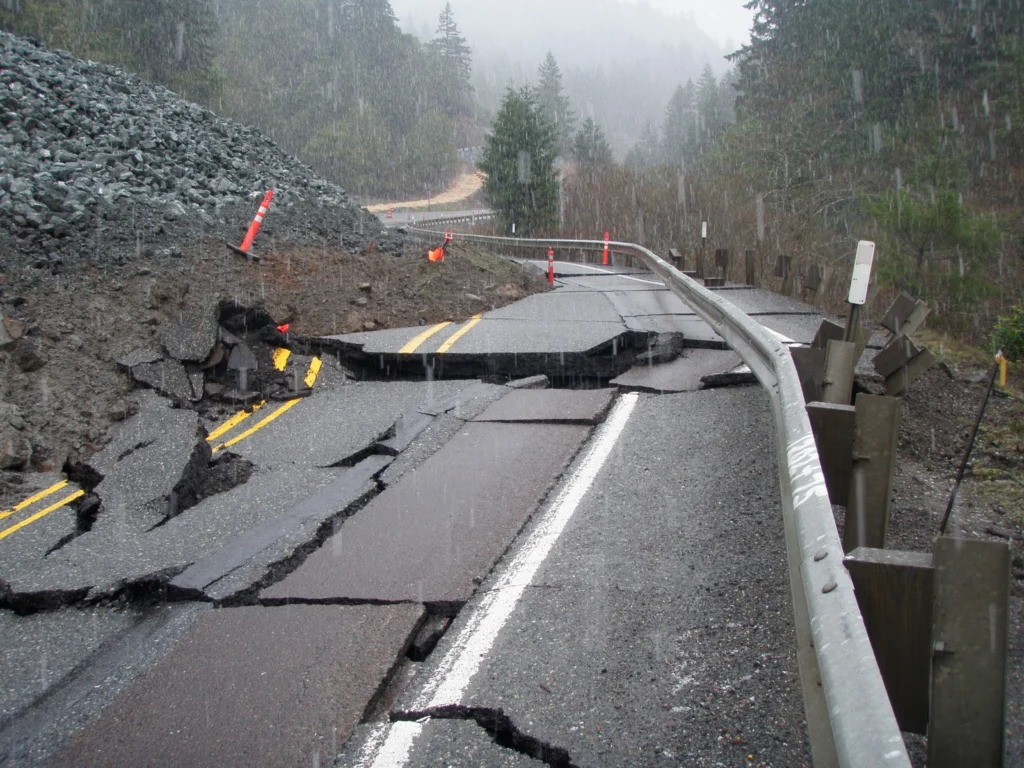
If your morning commute is already frustrating, get ready to buckle up. Our climate is changing, and that may increasingly affect some of central Europe’s major roads and railways, according to new research published in the EGU’s open access journal Natural Hazards and Earth System Sciences. The study found that, in the face of climate …[Read More]
Imaggeo On Mondays: Reservoir in the Italian Alps
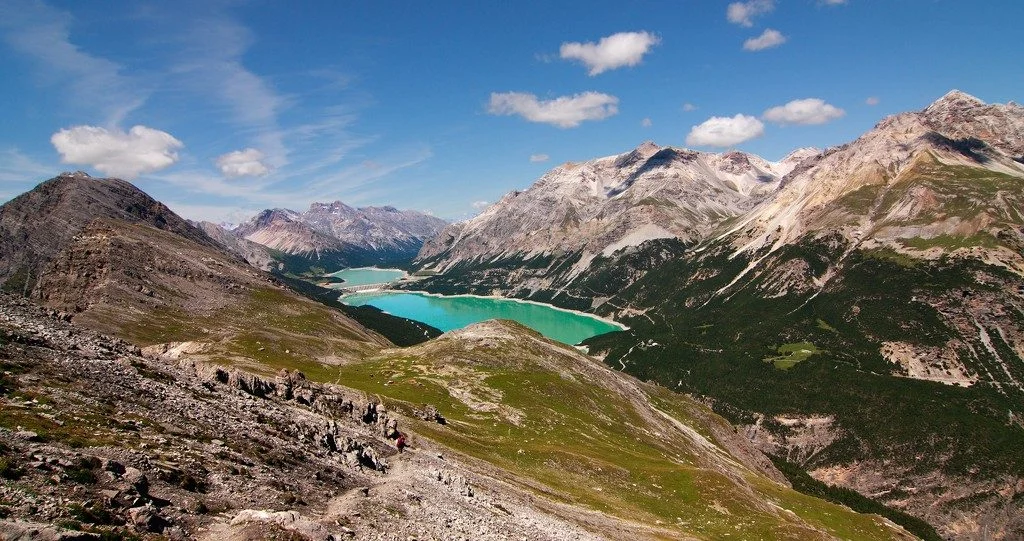
Mountain natural streams and reservoirs have a relevant hydrological and ecological importance since they represent reliable sources of freshwater supply to lowland regions and high-quality habitats for fish and cold-water communities. Moreover, streams in mountain environments are of significant importance for users in several socio-economic sectors, such as agriculture, tourism and hydropower. Given the vulnerability …[Read More]
Wildfires in the wake of climate change
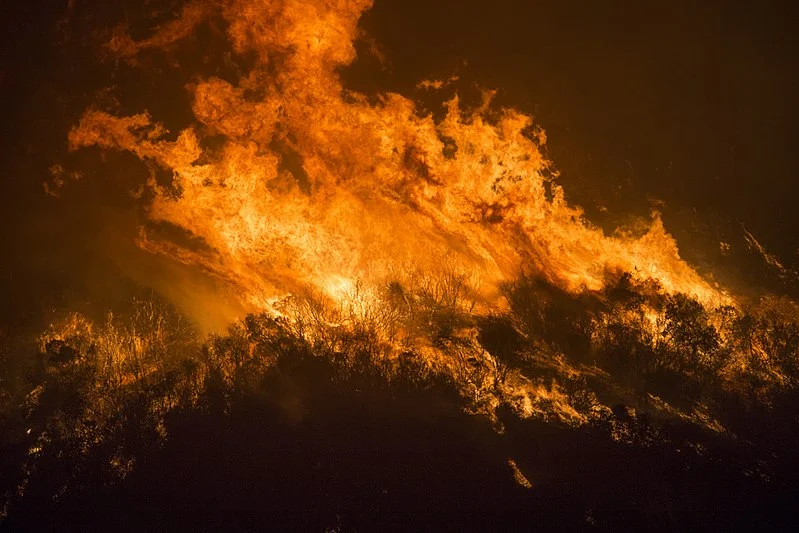
Last year saw some of the biggest blazes in history, and may be a sign of things to come. 2017 was a record year for wildfires. California and neighboring western states saw the most destructive fire in US history, with an estimated 18 billion dollars worth of damage over the season. In central Portugal, fires …[Read More]
Imaggeo on Mondays: Probing the Pliocene
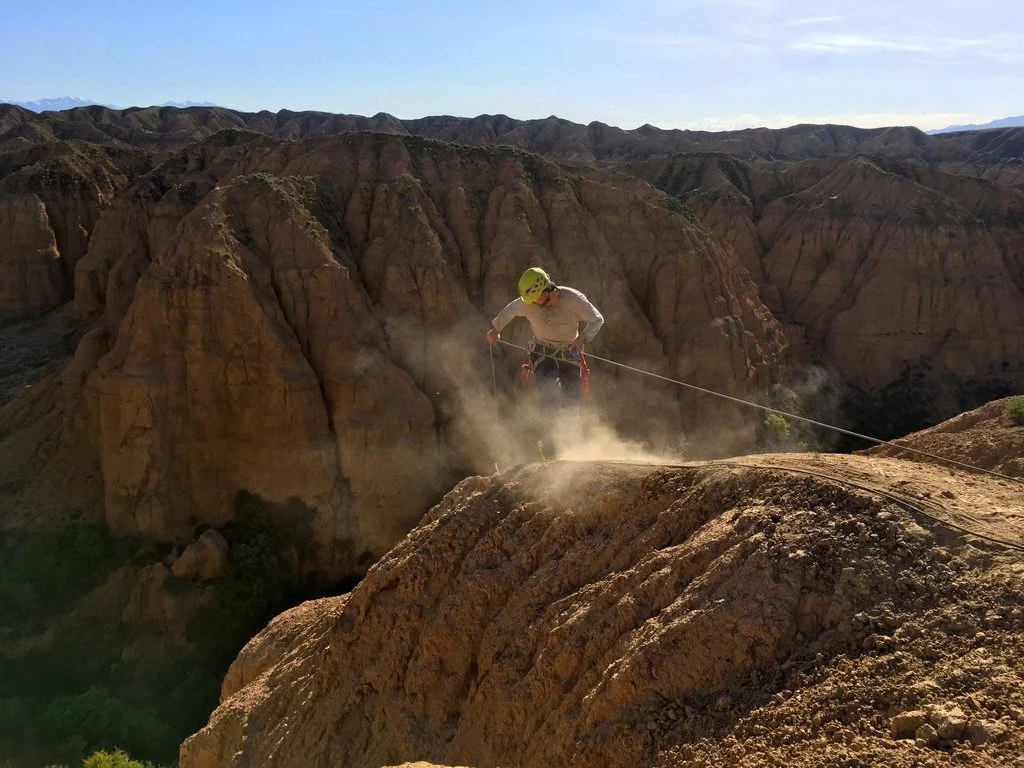
The heights we go to for science… This photograph shows a member of our team preparing to abseil down a cliff in the Charyn Canyon, in the Ili River basin of southeast Kazakhstan. The Charyn River and its tributaries, a branch of the Ili River north of the Tien Shan Mountains, have cut canyons up …[Read More]