GeoLog

EGU Scientific Divisions

GeoPolicy: Fluvial geomorphology and its potential for policy impact

GeoPolicy: Fluvial geomorphology and its potential for policy impact

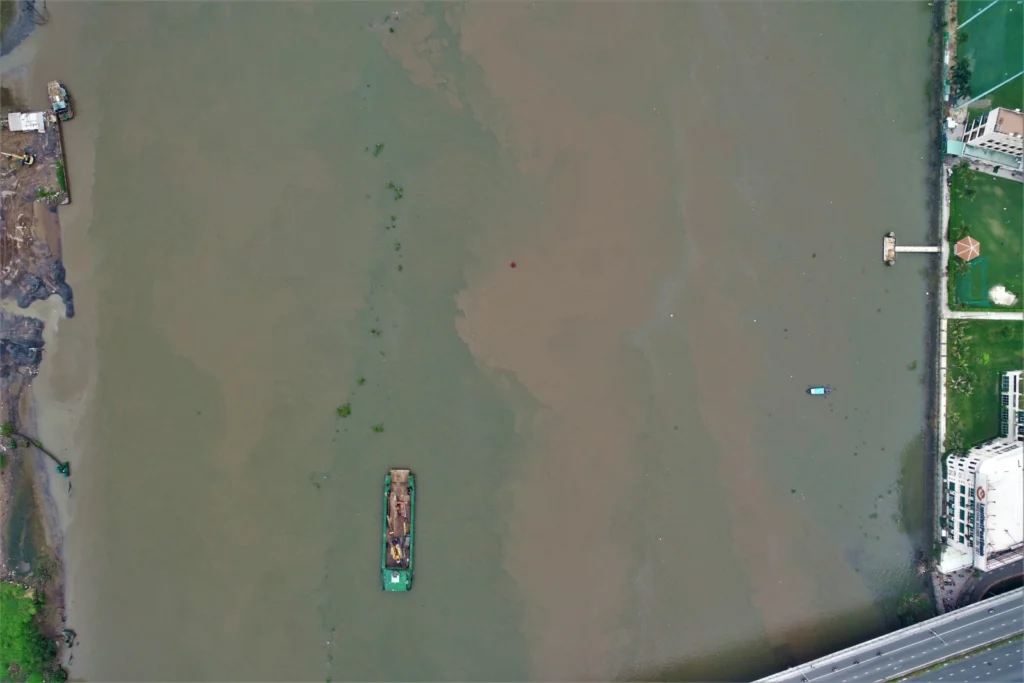
In this month’s GeoPolicy blog post, Dr Grace Skirrow outlines how researchers can share their expertise with environmental regulators to have policy impact and the role that fluvial geomorphology can play in policy decisions. Fluvial Geomorphology and why it is relevant for policymakers Fluvial Geomorphology (“fluvial”, derived from the Latin “fluvialis”, meaning “of the river”) is the study of l ...[Read More]

GeoTalk: meet Gino de Gelder, researcher of the link between tectonics, sea-level rise & coral reefs!

GeoTalk: meet Gino de Gelder, researcher of the link between tectonics, sea-level rise & coral reefs!

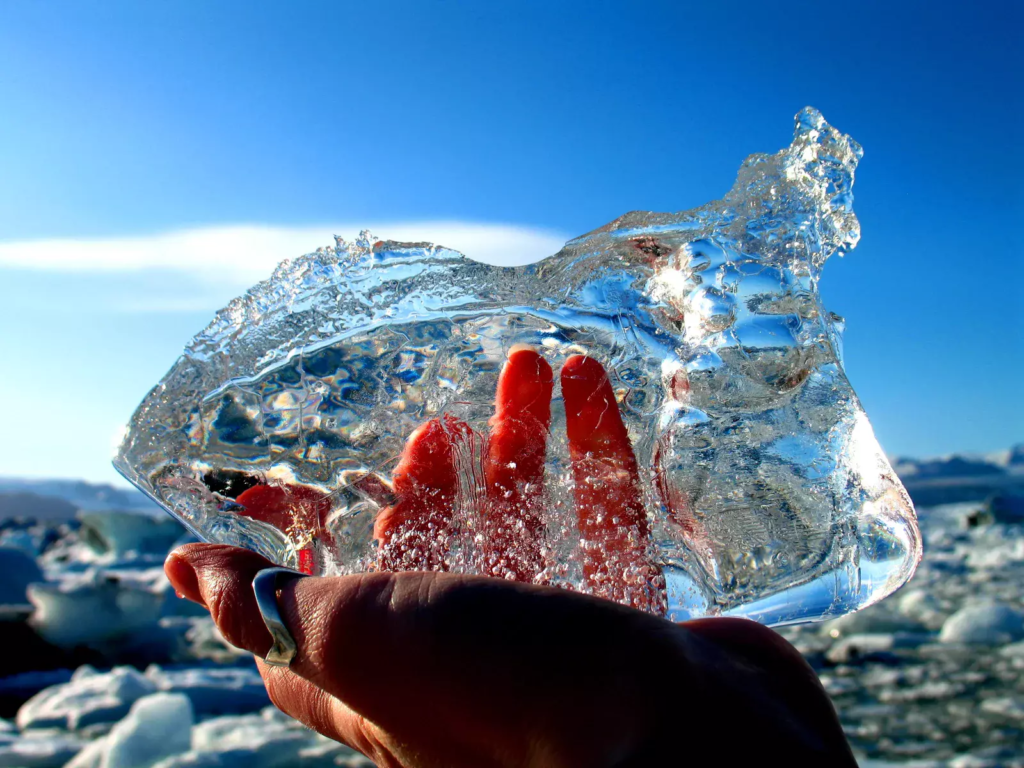
Hello Gino! Welcome to GeoTalk. Could you tell our readers a little bit about yourself and your background? Sure thing! My background is mostly in tectonics, geomorphology and the evolution of (active) fault systems, which I developed during my studies at Utrecht University and my PhD at the IPGP (Paris). Initially I focused on the way that coastlines record either uplift or subsidence in response ...[Read More]

The Global South Climate Database: one thousand experts in one year!

The Global South Climate Database: one thousand experts in one year!

Climate change is one of the most urgent problems facing humanity today. Every corner of the planet is already feeling the impacts of climate change, from devastating heatwaves to sweeping floods. The wealthy and powerful are responsible for the lion’s share of greenhouse gas emissions. Yet, the impacts of climate change are disproportionately felt by the poorest and most vulnerable members ...[Read More]

The best Christmas gift you could ask for: how a rare solar event created a once-in-a-lifetime Martian experiment

The best Christmas gift you could ask for: how a rare solar event created a once-in-a-lifetime Martian experiment

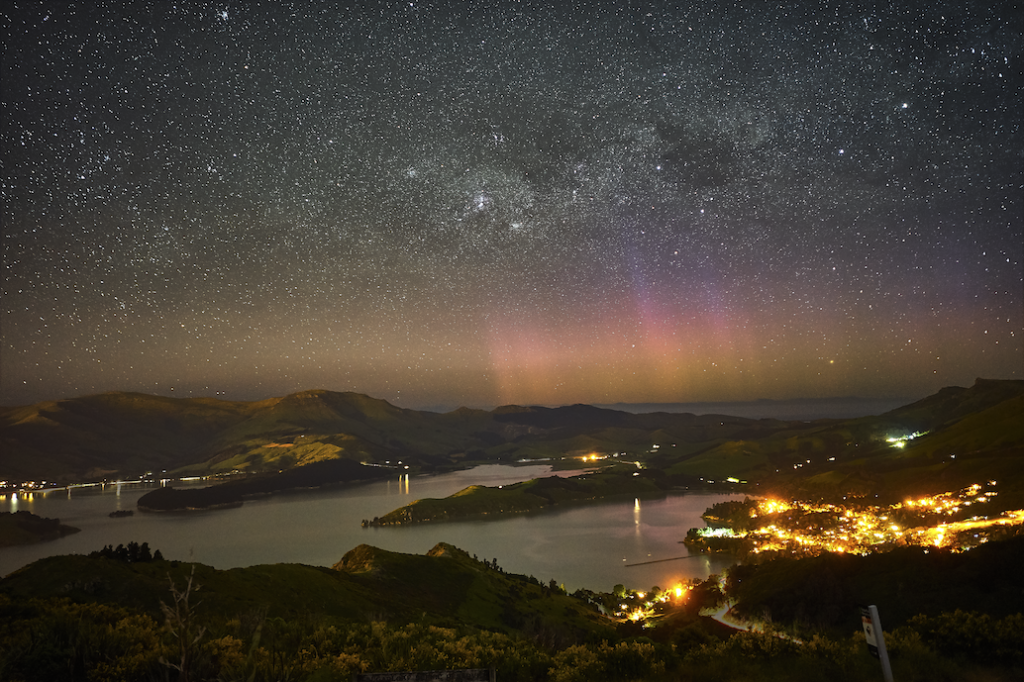
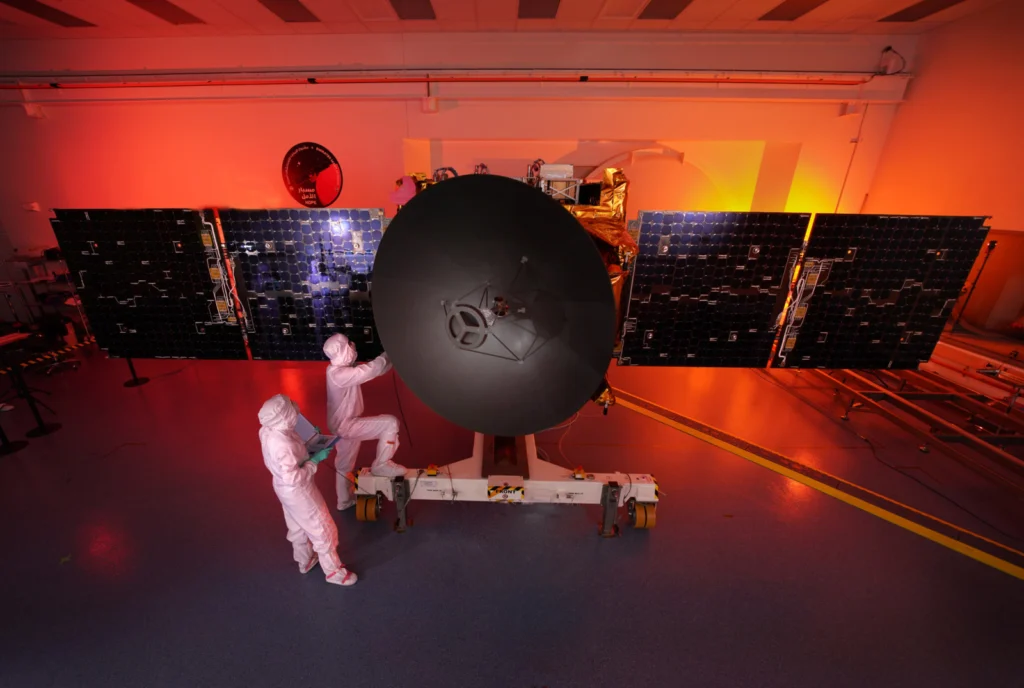
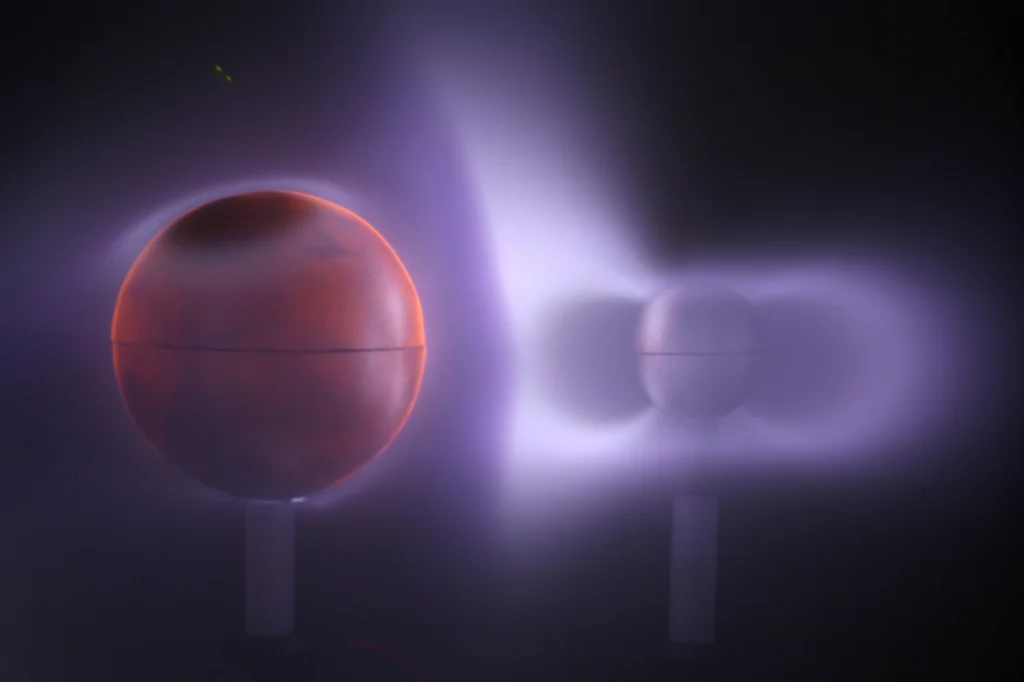
One of the realities of studying the Earth, planetary or space sciences is that we are attempting to observe an experiment that has been in progress for billions of years, with variables that are most often far outside of our control. Many researchers try to understand these systems by recreating aspects of it, either in analogue experiments or by using simulations, where the variables can be adju ...[Read More]