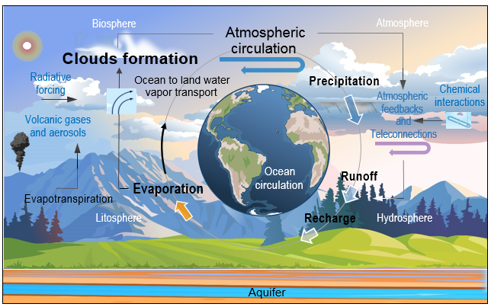
Using stable isotopes to uncover a hidden step in Earth’s water cycle The Indian summer monsoon transforms South Asia’s landscape. Rivers swell, reservoirs replenish, crops receive life-sustaining water, and millions await relief after months of intense heat. But what happens to a raindrop between the cloud and the ground? Not every raindrop reaches the surface …[Read More]
EGU Scientific Divisions
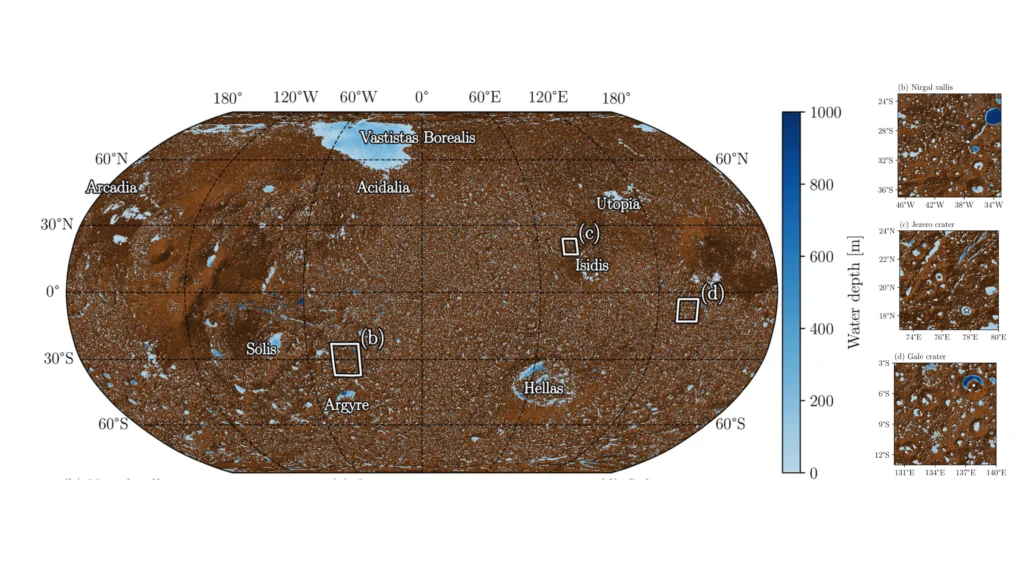
Mars’ lost oceans: Inside the new planetary hydrology model published in EGU’s Geoscientific Model Development (GMD)
If we look at Mars today, we’ll see a cold, dusty desert, but peel back the surface geology, and the planet tells quite a different story! Networked river valleys, ancient deltaic fans, carved impact crater lakes, and potential palaeoshorelines all point to a warm and active past during the Noachian and early Hesperian epochs, circa …[Read More]
GeoTalk: meet Luigi Bianco, geophysicist and GI Early Career Scientist representative
Hello Luigi! Thank you for agreeing to this GeoTalk interview. Could you briefly introduce yourself and your background to our readers? Hi Simon and the EGU community! I’m a postdoc researcher in applied geophysics at the University of Naples Federico II. My research focuses on developing advanced potential field modelling and inversion techniques to image …[Read More]
70 years of tech: Does it serve science or separate us from it? My take as an EGU media professional
When I joined the European Geosciences Union in 2024 as a media professional, my primary mandate felt straightforward: democratising scientific understanding and building durable, trustworthy bridges that connect scientists, researchers, journalists, and public communicators. Now, in my third year at EGU, I find myself looking out over our scientific community with a mixture of reverence …[Read More]
How long does an ecosystem remember the weather?
“Plants carry traces of past weather. Reading them may help us navigate a hotter, drier world.” Wenli Zhao As global warming intensifies drought frequency, understanding how ecosystems store and deplete water is critical for anticipating vegetation stress. This blog walks us through a novel groundbreaking study published on EGU journal Hydrology and Earth System Sciences …[Read More]
From under Lake Nyos: The geology, physics, and engineering of limnic eruptions
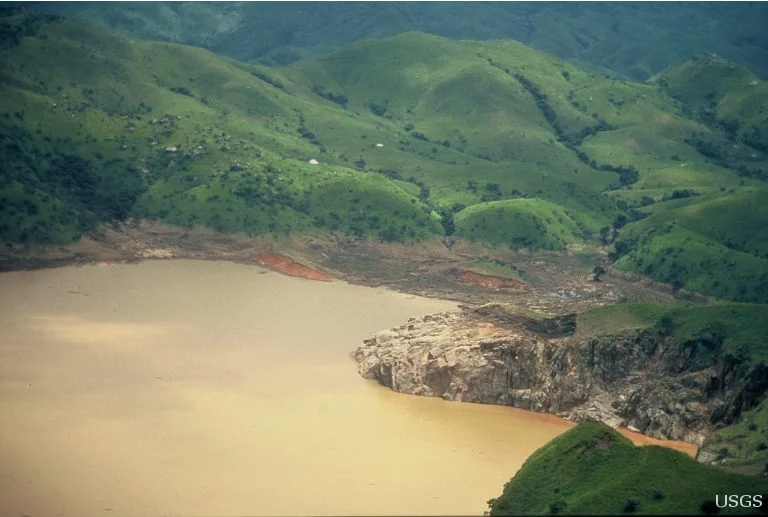
On the evening of August 21, 1986, an unusual stillness blanketed the green highlands of northwestern Cameroon. The local villagers in Nyos, Cha, and Subum were preparing for bed, totally unaware that the crater lake nearby had reached its breaking point. Without warning, a wave of gas burst from the lake and spilled over the …[Read More]
Under the Mediterranean sun: The thousand year tale of changing skies
When you picture the western Mediterranean, you likely imagine sun-drenched beaches, terracotta roofs, and bright blue skies. But has it always been this sunny? A groundbreaking study published in the journal Research provides a definitive answer: it has not. By pulling back the curtain – or rather, the cloud cover – on a thousand years of …[Read More]
A geoscience reality check on World Biofuels Day
On a humid morning in Augsburg, Germany, on August 10, 1893, a ten-foot iron cylinder roared to life for the first time. The engine belonged to Sir Rudolf Diesel, and running through its veins was not the petroleum distillate we associate with his name today, but in fact, peanut oil! Diesel’s early experiment proved something …[Read More]
Thirty years after Biescas: Rethinking alluvial fan flooding and infrastructure failure
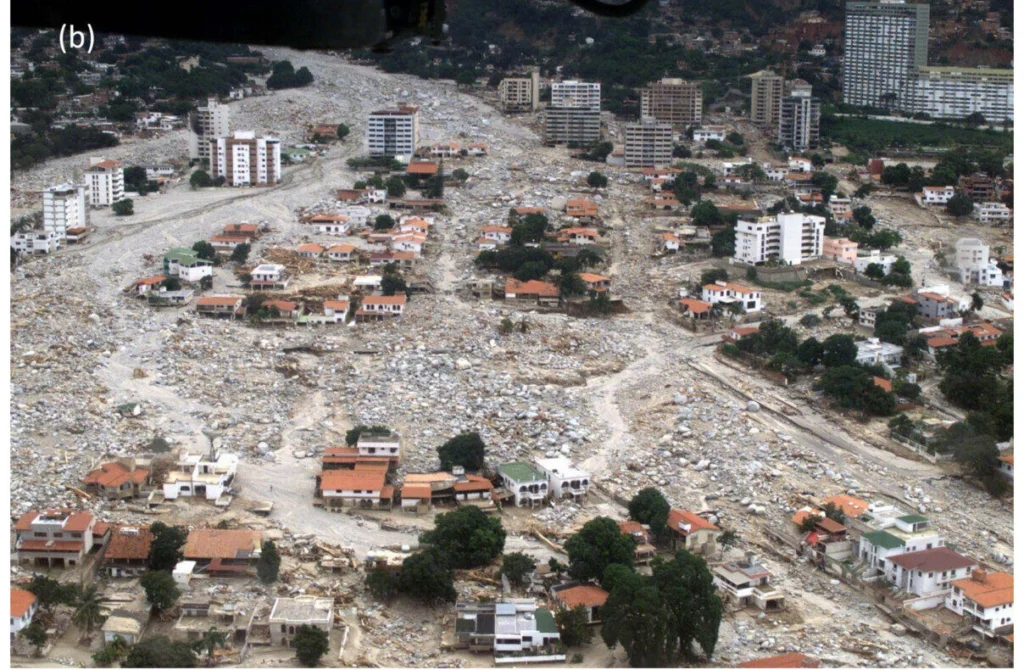
Thirty years ago, in August 1996, a catastrophic flash flood swept through the Las Nieves campsite on the alluvial fan of the Barranco de Aras near Biescas in the Central Pyrenees of Aragón, Spain. The tragedy claimed 87 lives and injured over 180 people. This makes it one of the most severe weather-related disasters in …[Read More]
Reflecting on fifty years of Mars through Viking 1’s lens
On July 20, 1976, a machine of steel and titanium dropped through a thin atmosphere and touched the dirt of Chryse Planitia. Scientists at NASA held their breath, since five years earlier, the Soviet Union’s Mars 3 probe had died less than two minutes after touchdown. To mitigate this nightmare, engineers programmed Viking 1 to …[Read More]