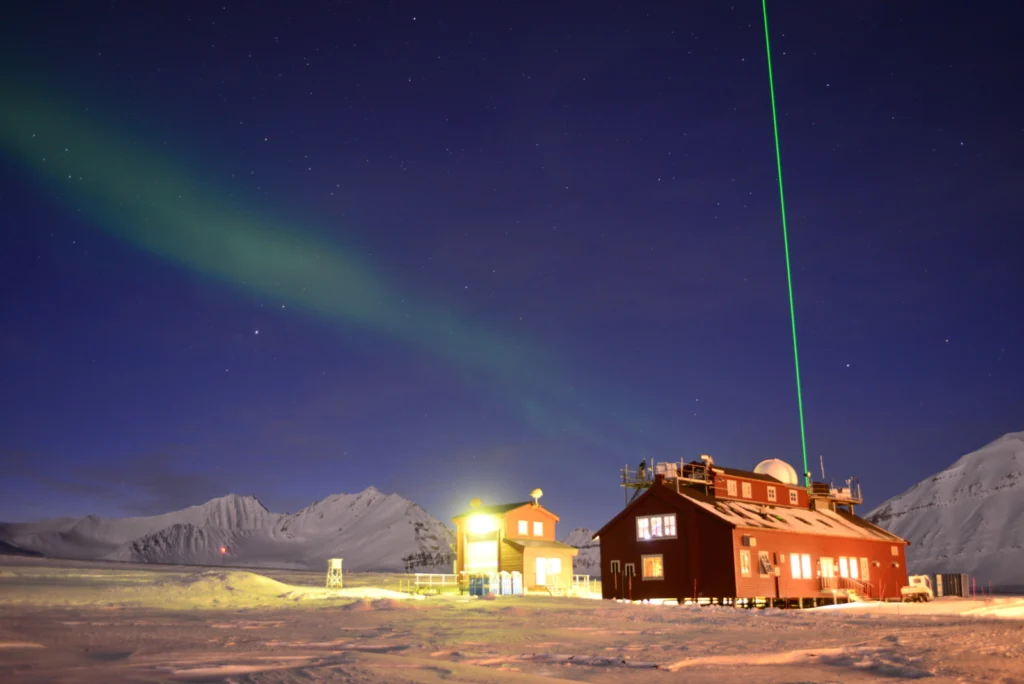
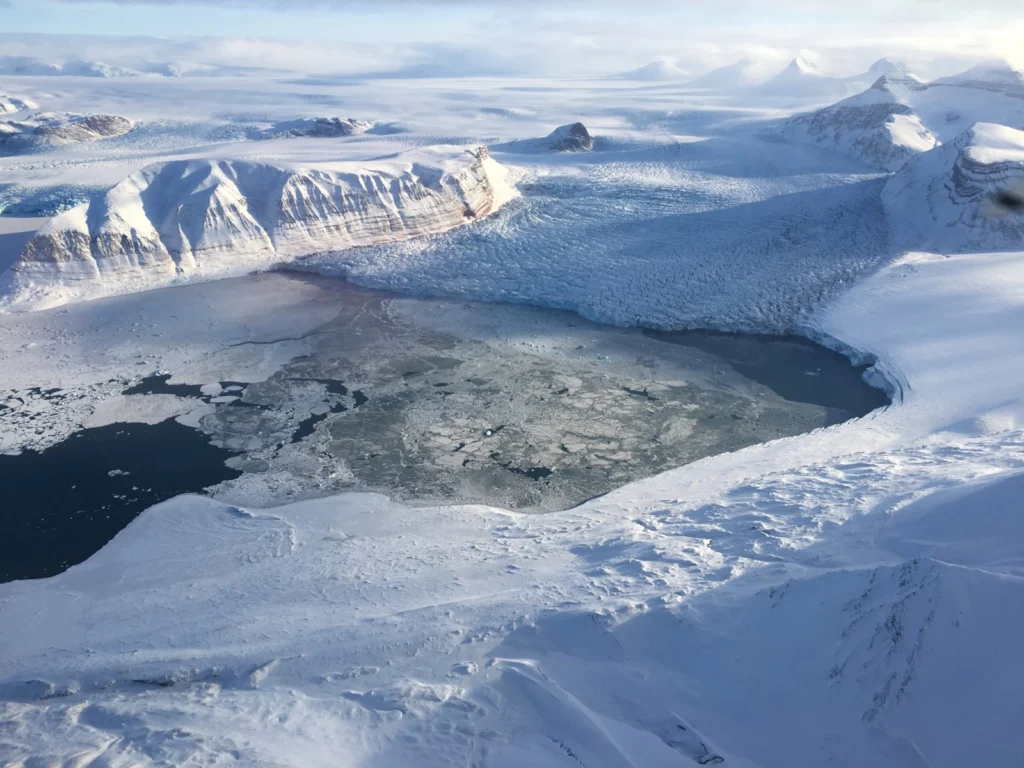
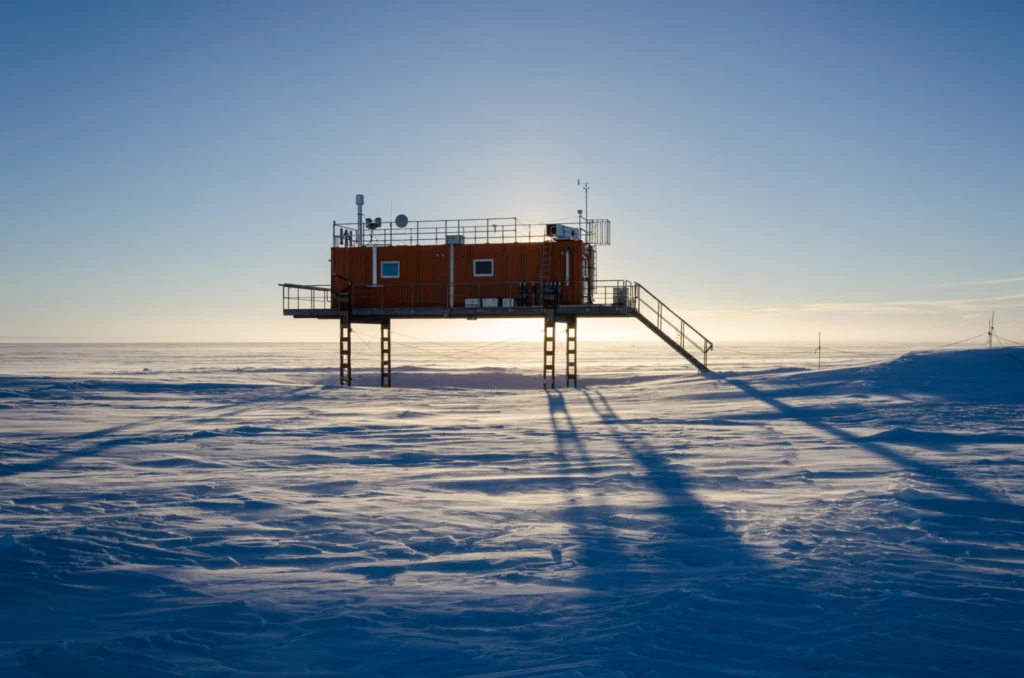
Hello Andreas. Welcome to GeoTalk! You’re a specialist in Geodesy, and your research surveys the Earth’s spatial and gravitational properties as they relate to climate change. Could you tell us more about how Geodesy can help us understand climate change? Geodesy studies Earth’s geometric shape, orientation in space, and gravity field. Each of these components changes in time and is af ...[Read More]
Biosphere Reserves: What are they and why must we care for them?
Today, 3 November, is globally recognized as the International Day for Biosphere Reserves. The first edition of this observance day was marked last year, with UNESCO urging our relationship with nature needed “a radical rethink.” As Audrey Azoulay, Director-General of UNESCO explains, “The logic is simple: to improve our relationship with nature, we must first improve our understanding of how we a ...[Read More]
Swamps may be considered spooky, but is there more than meets the eye?
Swamps are spooky. This is the prevailing notion from the depiction of wetlands – the saturated lands of swamps, bogs, and fens – in the media. From the folktales of Will-o’-the-Wisps guiding travellers astray to the many, many swamp monsters of Scooby Doo, the sign is clear: a scrawled “stay away from here” thrust deep in the mud, writ by centuries of storytellers. As a reputation it’ ...[Read More]
GeoPolicy: From research to regulation – unpacking the EU Soil Directive
This month’s GeoPolicy Blog post unpacks the Directive on Soil Monitoring and Resilience, it’s impacts from research to regulation and how scientists can get involved with it. It can be challenging for scientists to understand and engage with the European policymaking process. The intricacies and nuances of the legislative process, with its numerous institutions, committees, and political pr ...[Read More]