GeoLog

EGU Scientific Divisions

Soil bacteria that hunt like a wolfpack? Myxobacteria and their role in the food web

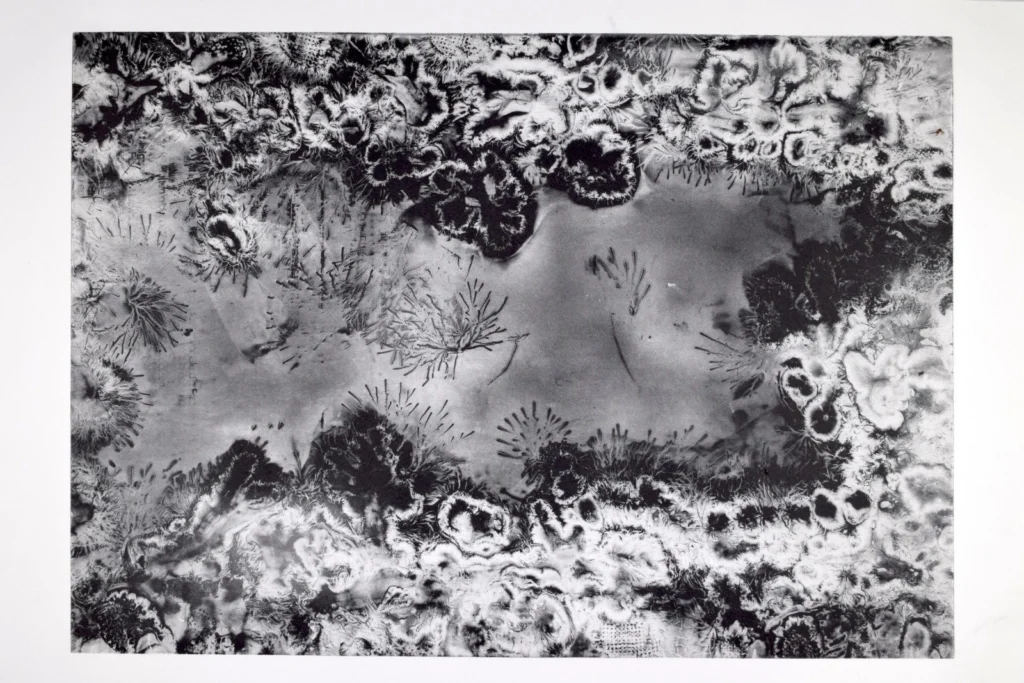
A photo of a wolf in the middle and four microscopic images of colourful bacterial cultures around it.

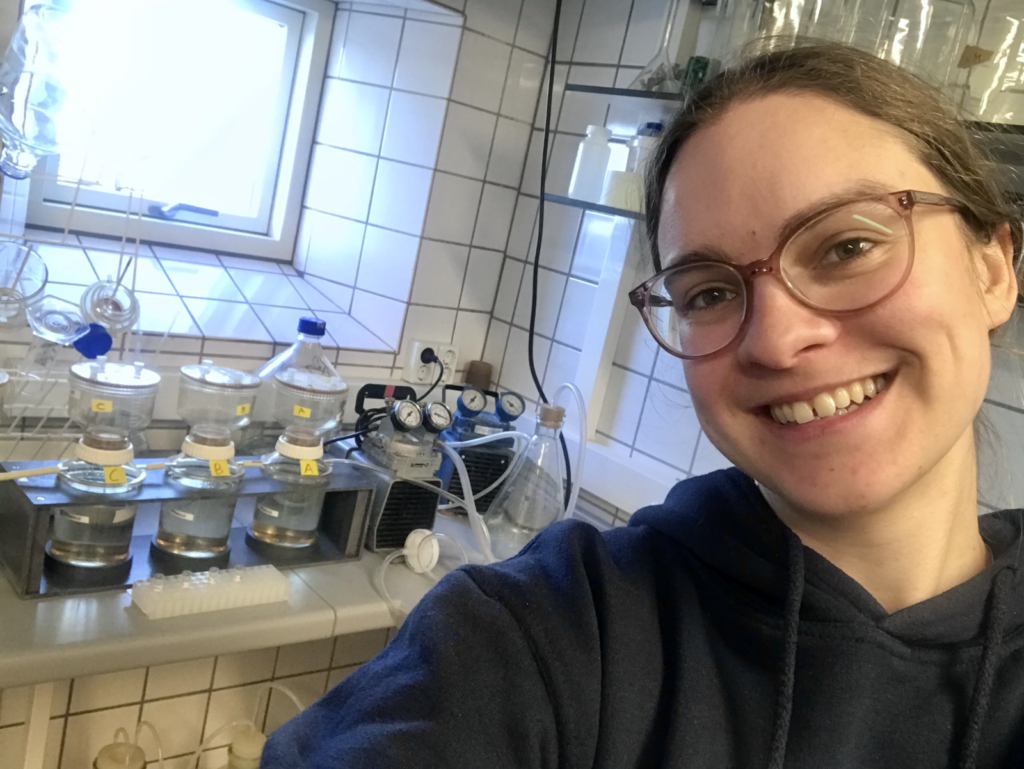
Picture this: bacteria that can slime their way around the soil, finding their prey, circling it, closing in on it and lysing it (or making their cell pop), just to feed on their prey. It sounds like a far stretch from a wolf to a bacteria, but even other soil predators, the comparably huge nematode worms ( up to 100 times bigger!), are afraid of these bacterial “wolves”. I went to the Soil System ...[Read More]

What’s beneath Tenerife? Innovative Monitoring Techniques Reveal the Island’s Volcanic Activity

What’s beneath Tenerife? Innovative Monitoring Techniques Reveal the Island’s Volcanic Activity

Tenerife, the largest active volcanic island in the Canarian archipelago, encompasses a diverse landscape shaped by volcanic activity. This picturesque island of the Mediterranean not only boasts stunning vistas but also harbours a dynamic volcanic system that requires diligent monitoring. In recent years, an international team of researchers from Instituto Volcanológico de Canarias (INVOLCAN), In ...[Read More]

GeoPolicy: Fluvial geomorphology and its potential for policy impact

GeoPolicy: Fluvial geomorphology and its potential for policy impact

In this month’s GeoPolicy blog post, Dr Grace Skirrow outlines how researchers can share their expertise with environmental regulators to have policy impact and the role that fluvial geomorphology can play in policy decisions. Fluvial Geomorphology and why it is relevant for policymakers Fluvial Geomorphology (“fluvial”, derived from the Latin “fluvialis”, meaning “of the river”) is the study of l ...[Read More]

GeoTalk: meet Gino de Gelder, researcher of the link between tectonics, sea-level rise & coral reefs!

GeoTalk: meet Gino de Gelder, researcher of the link between tectonics, sea-level rise & coral reefs!

Hello Gino! Welcome to GeoTalk. Could you tell our readers a little bit about yourself and your background? Sure thing! My background is mostly in tectonics, geomorphology and the evolution of (active) fault systems, which I developed during my studies at Utrecht University and my PhD at the IPGP (Paris). Initially I focused on the way that coastlines record either uplift or subsidence in response ...[Read More]