The world shut down due to COVID-19, but PhDs did not. During these unfamiliar times, most PhD students have found themselves working from home trying more than ever to write as much as possible. Over the past few of months, I have led several online writing retreats in collaboration with doctoral research schools and universities in Norway. They seem to have been very successful to help PhD’s wi ...[Read More]
GeoPolicy: How to use webinars to share your science with a wider audience!
Since the explosive spread of COVID19, the way most academics work has changed and it can sometimes feel like we’re all living on conference calls, Skype and online events. While this may not suit everyone’s preferred working style, it’s difficult to deny that people are now more willing to engage online and it’s worth thinking about how we can take full advantage of this new method of working! Ha ...[Read More]
Public Engagement Grant Winner – Crabby’s Reef
Ocean acidification could be described as climate change’s evil twin, not that it needs one. The world’s oceans are partly absorbing the carbon dioxide we are pumping into the planet’s atmosphere, which then reacts with seawater and forms carbonic acid. This process decreases the pH of the oceans, making them more acidic. If you are a crab resident of the ocean, this is not good news. Norma ...[Read More]
GeoTalk: Inaugural Katia and Maurice Krafft Award winner, Rhian Meara talks about the EGU award nominations.
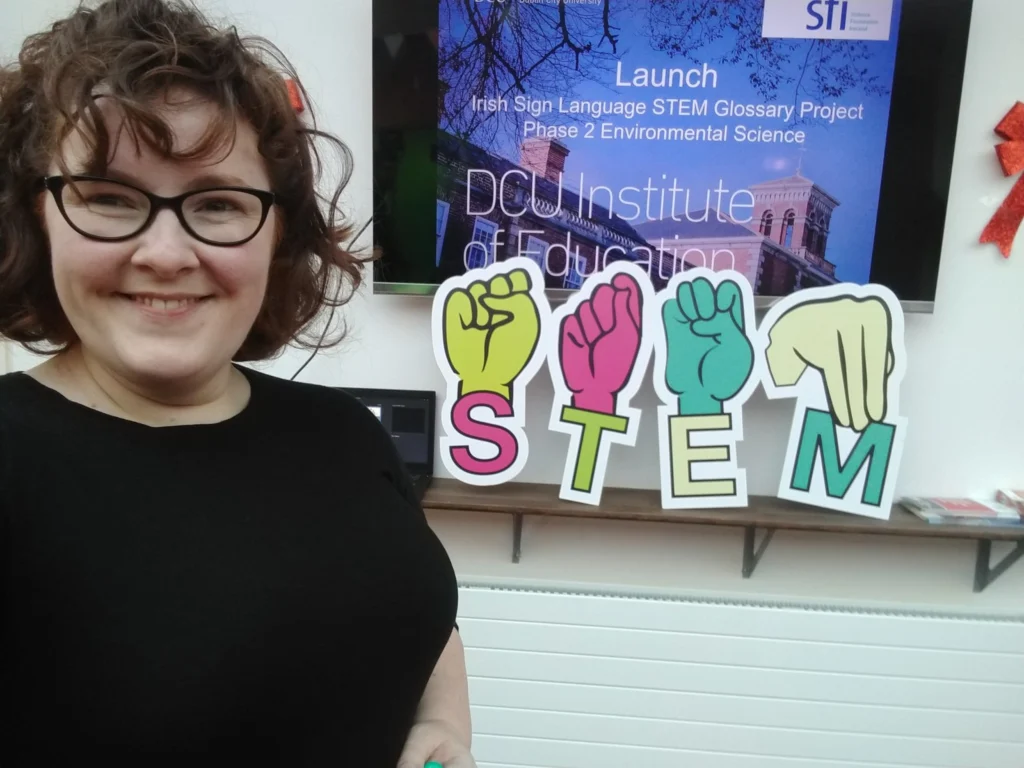
Hi Rhian, thanks for talking with us today about the EGU’s Award nominations, please start by introducing yourself! I’m a physical geography and geology lecturer at Swansea University, with a particular focus on teaching through the medium of Welsh. I have been awarded the Katia and Maurice Krafft Award for my work on the British Sign Language Glossary Project, with colleagues from the ...[Read More]
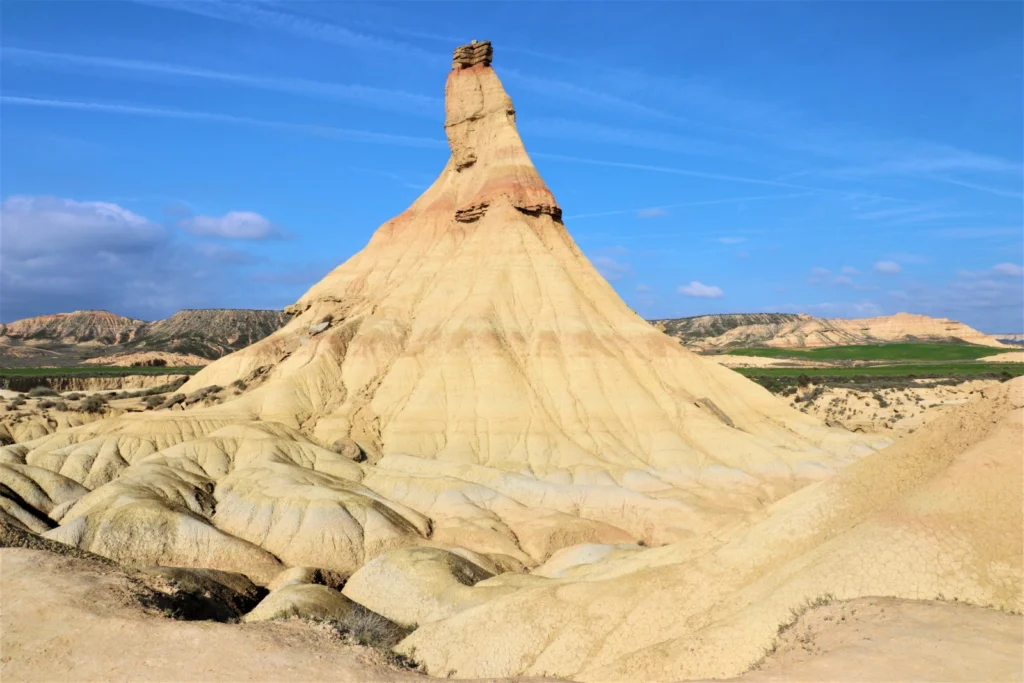
Imaggeo on Mondays: Striking erosion in the Bardenas Reales
The Castil de Tierra has become the symbol of the Bardenas Reales region which is geographically located in the south-eastern margin of the Navarra Province in northern Spain. The Bardenas Reales is a semi-desert natural region situated in the middle-western sector of the Ebro depression. The geology is made up of Tertiary and Quaternary sediments. Rainfall events, wind and high temperatures enhan ...[Read More]
#shareEGU20: Science through Lego photography!
During the week of #shareEGU20 we were very fortunate that both of our Artists in Residence, Stacy Phillips and Priyanka das Rajkakati agreed to participate virtually. We will feature some of Priyanka’s work in a later post, but in case you missed it during the week we wanted to share some of Stacy’s photography, to perhaps give you some ideas about how you can represent, communicate a ...[Read More]
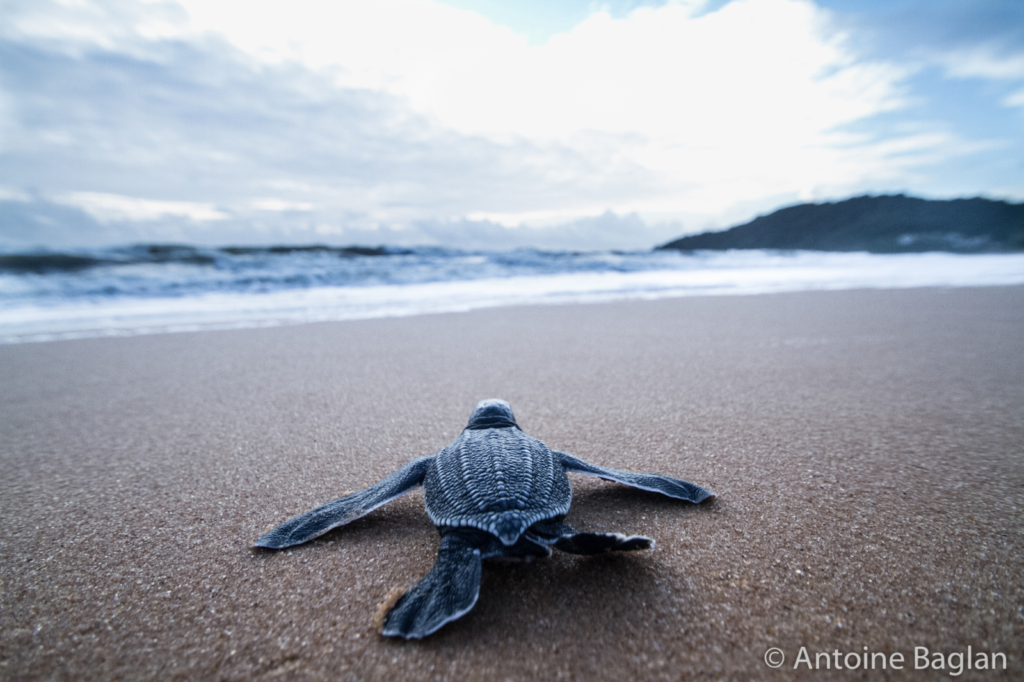
Epic Journeys: New insights into wildlife and human migrations
Many wild animals make extraordinary long-distance journeys, whether by land, by air or even by sea. Ancestral, and even some modern, humans have likewise undertaken equally impressive odysseys across and between continents. In order to highlight these “epic journeys,” four different research projects were presented during an EGU press conference held on Wednesday. During the virtual presentations ...[Read More]
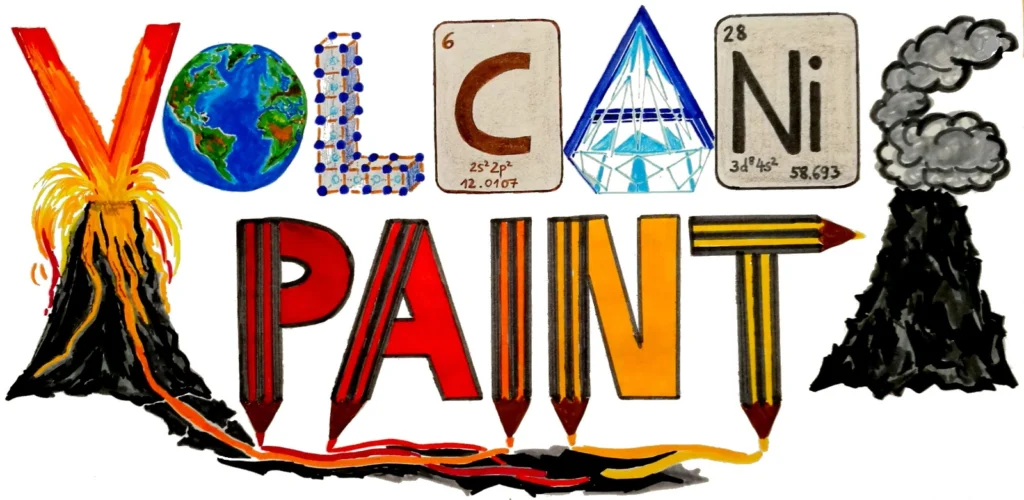
#shareEGU20: #shareEGUartKIDS Hall of Fame – Volcanic Paint 2020!
The EGU Kids Art activity normally happens in person in the creche at the conference centre during the general assembly (GA). We decided at the GA last year that the theme would be Volcanic Paint! Maike and I decided to move the activity online to hopefully bring a smile to a few of your faces – I know it has been bringing a smile to my face every day for the last week or so. We wanted to share as ...[Read More]
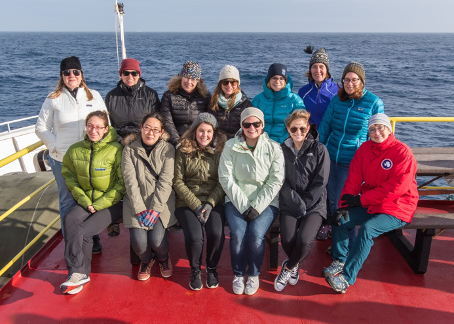
All at sea: UK women’s experiences of female leadership roles on ocean-going research vessels
As I read the abstract of ‘Women in UK Ocean Science: Experiences of female leadership roles at sea’ by Katharine Hendry et al., it reminds me my own experience at sea! Indeed, more than one year ago, I had the chance to join the IODP Exp 379 in the Amundsen Sea (Antarctica) which was co-led by a woman, Julia Wellner from the University of Houston. It was her first IODP (International ...[Read More]
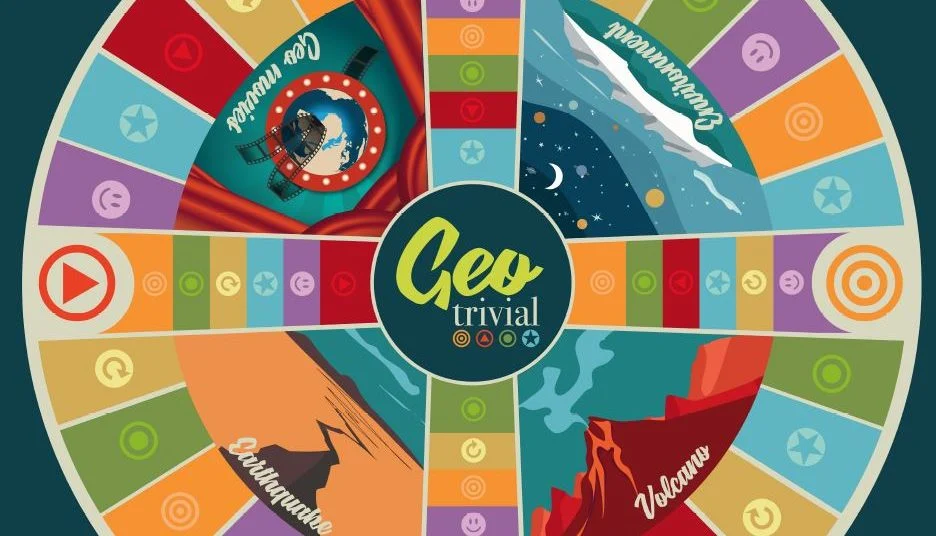
GEOtrivial Pursuit: a new way to teach, learn and share the Earth Sciences
On Wednesday 6 May (6-8pm CEST), the now famous Geoscience Games Night is going to take place on YouTube as a live stream! So, this is the perfect moment to introduce a new scientific game which for many of you, is going to remind you of a game created in the late 70s in Quebec. Yes, I am talking about Trivial Pursuit! But instead of History, Entertainment and Sports questions, creators Valeria Mi ...[Read More]