GeoLog

Science Communication

Learning from EGU’s first Peer Review Training: In conversation with Kifle Aregahegn

Learning from EGU’s first Peer Review Training: In conversation with Kifle Aregahegn

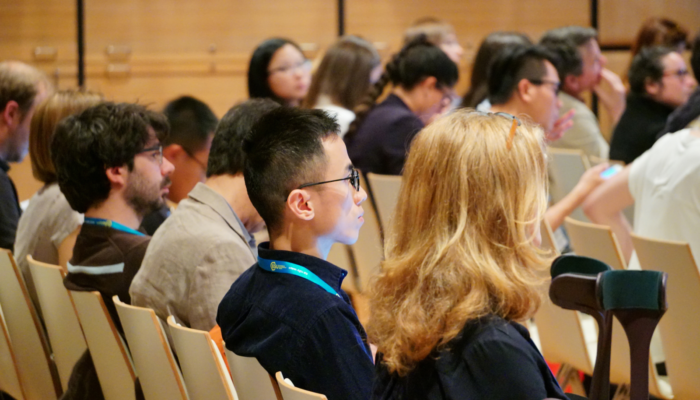
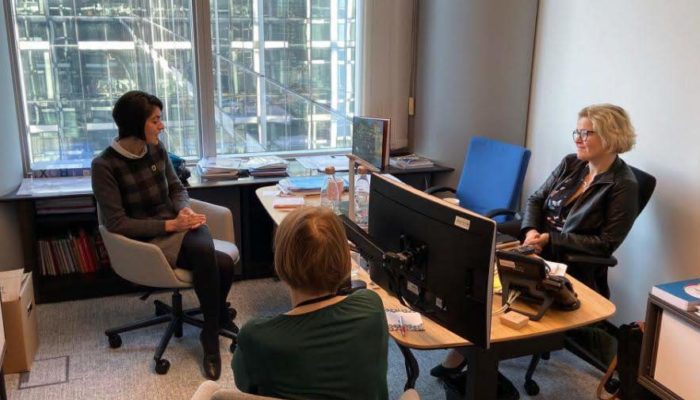
For the first time, EGU organized a Peer Review Training in September and October this year. It was attended by 50 participants, most of whom were early career scientists with little to no background in the peer review process. The training comprised three online sessions and an at-home exercise of reviewing real manuscripts. And of course, with feedback being key in such trainings, all participan ...[Read More]

Dive into the depths: 90 Years of Loch Ness monster lore

Dive into the depths: 90 Years of Loch Ness monster lore

Folk tales and myths, they’ve lasted for a reason. We tell them over and over because we keep finding truths in them, and we keep finding life in them. ~ Patrick Ness, American-British author (*nae, this Ness isn’t related to Nessie)   Is it an eel? Is it a snake? Is it a diplodocus with fins? No, it’s Nessie! If there’s one myth that has weathered the passage of time and stands in defi ...[Read More]

GeoTalk: Meet Liliana Macotela, researcher of radio waves at the Earth-Space boundary & Solar-Terrestrial ECS Representative!

Liliana Macotela Cruz

Hi Liliana. Welcome to GeoTalk! Can you tell us a bit about yourself and your background? Hi, I was born in the highlands in Peru. This gave me the advantage of living more in contact with nature. Since I remember, I was fascinated about the shape of the clouds, the sounds of the wind in the mountains or trees, the sounds of the rain and what they do to our surrounding; the lightning flashes and t ...[Read More]

International Archaeology Day: Challenging stereotypes about migration

International Archaeology Day: Challenging stereotypes about migration

Discoveries like excavations of prehistoric civilizations, shipwrecks with long-lost treasures, forgotten cities, and ancient tombs and temples, paint a vivid picture of archaeology and human history. Yet understanding how cultures evolved is often a more laborious process focused on prosaic finds; pottery shards, tools, implements, skeletal remains, art, inscriptions, pollen or soil samples, amon ...[Read More]