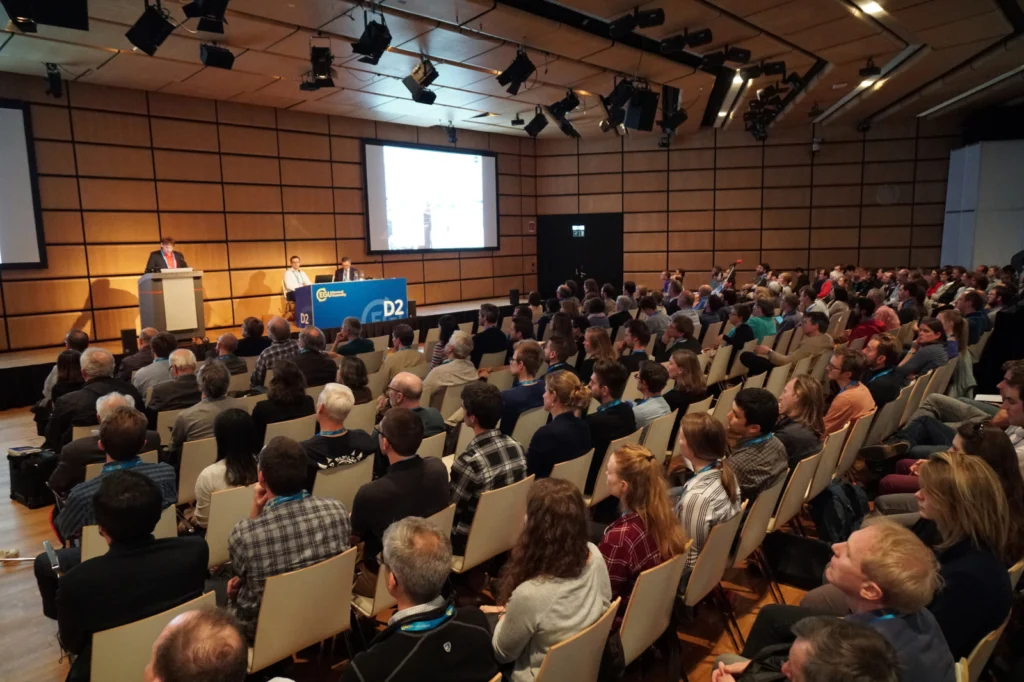
The past 12 months have seen an impressive 540 posts published across the EGU’s official blog, GeoLog, as well as the network and division blogs. The EGU Division bloggers in particular have been hard at work producing new informative, fun and interesting blog posts for our members both inside their Division, but also across EGU as a whole! Ocean Sciences Division joined the EGU blogging family &# ...[Read More]
Top 5 GeoLog posts of 2020!
Happy New Year!! 2020 has been a pretty relentless and turbulent year – and a lot has happened. Here at EGU headquarters (currently spread across our staff’s several homes) we all know how much we owe to you, our members, followers and friends, this year, through all the highs and the lows. We honestly could not have made it through without our wonderful community – and yo ...[Read More]
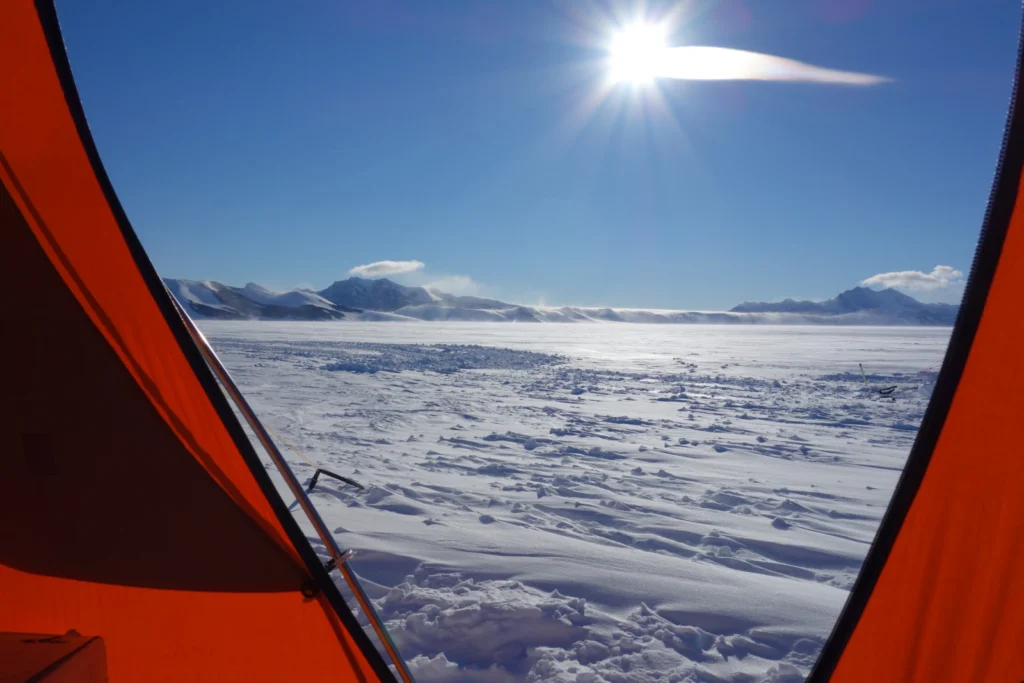
Why is research in Antarctica so important?
On the 1st December 1959 the Antarctic Treaty was signed by 12 nations, setting aside nearly 10% of the Earth “forever to be used exclusively for peaceful purposes… in the interests of all mankind.” In the years that followed more and more countries signed the agreement, until today when the agreement has been signed by 54 countries around the globe. In 2010, the Foundation for ...[Read More]
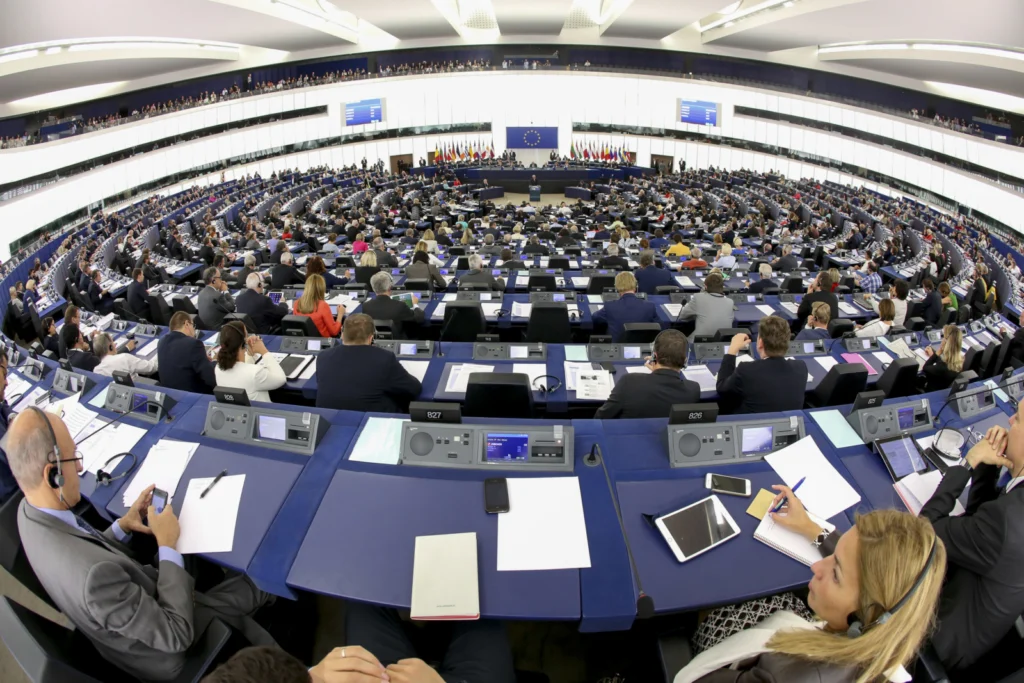
GeoPolicy: Proposed cuts to EU science funding could slow future research and innovation
As a European scientific union with over 20,000 members, the EGU is well positioned to provide feedback on the current and future state of research and innovation funding in Europe. The recent cuts to the EU’s 2021-2027 research budget from European Parliament’s initial proposal of €120 billion to the current proposal of €81 billion (at 2018 prices), will not only affect researchers througho ...[Read More]
Earth Science Week 2020: Earth Materials in Our Lives – an A-Z!
Since 1998 the American Geosciences Institute has been running an annual celebration of all things geoscience – Earth Science Week. From its inception, Earth Science Week has grown in popularity and is now celebrated across the planet. This year Earth Science Week will run from 11 to 17 October and the theme of the week is “Earth Materials in Our Lives.” As the American Geoscien ...[Read More]
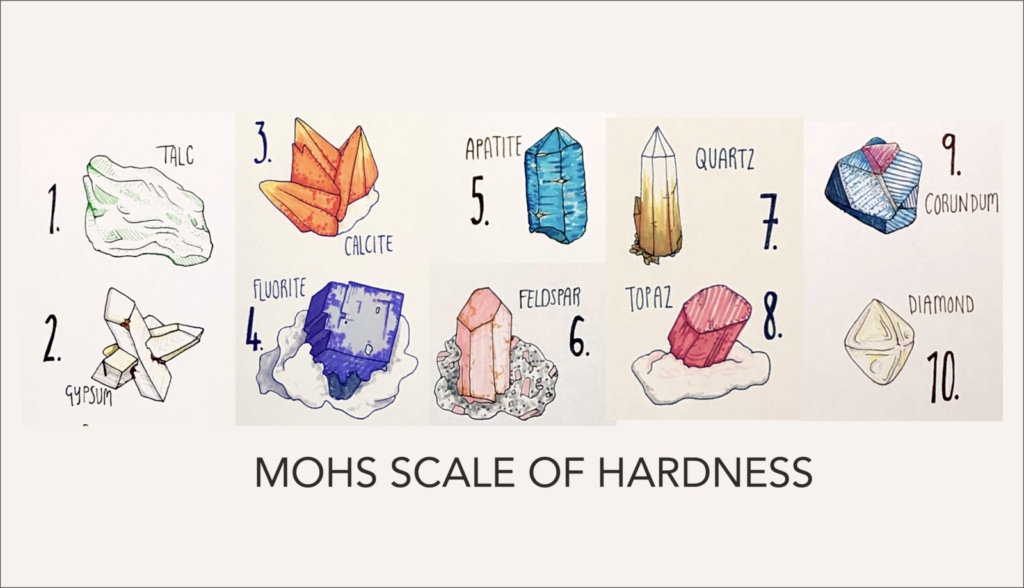
Friedrich Mohs and the mineral scale of hardness
One of the most famous identification methods in the study of mineralogy is the Mohs Scale of Hardness. A comparative scale, based on the hardness of each mineral, it is a way geoscientists can compare minerals to each other and organise them based upon an easily testable physical characteristic. Each level of hardness has a value, from 1 (the softest) to 10 (the hardest) and each number is associ ...[Read More]
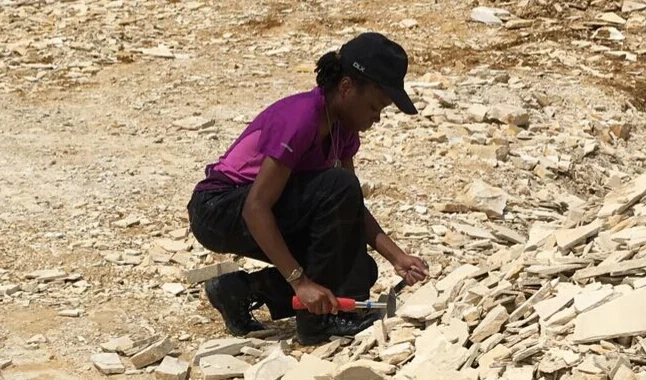
GeoTalk: Nadine Gabriel, creator of #AreYouSiO2? and Assistant Curator of Fossil Mammals.
Hi Nadine, thanks for speaking with us today, can you tell us a little bit about your background and how you got to where you are now? Thank you for inviting me! I’m a geologist and the Assistant Curator of Fossil Mammals at the Natural History Museum, London. I studied MSci Geology at University College London and I absolutely enjoyed the subject. It was really interesting to learn about the geol ...[Read More]
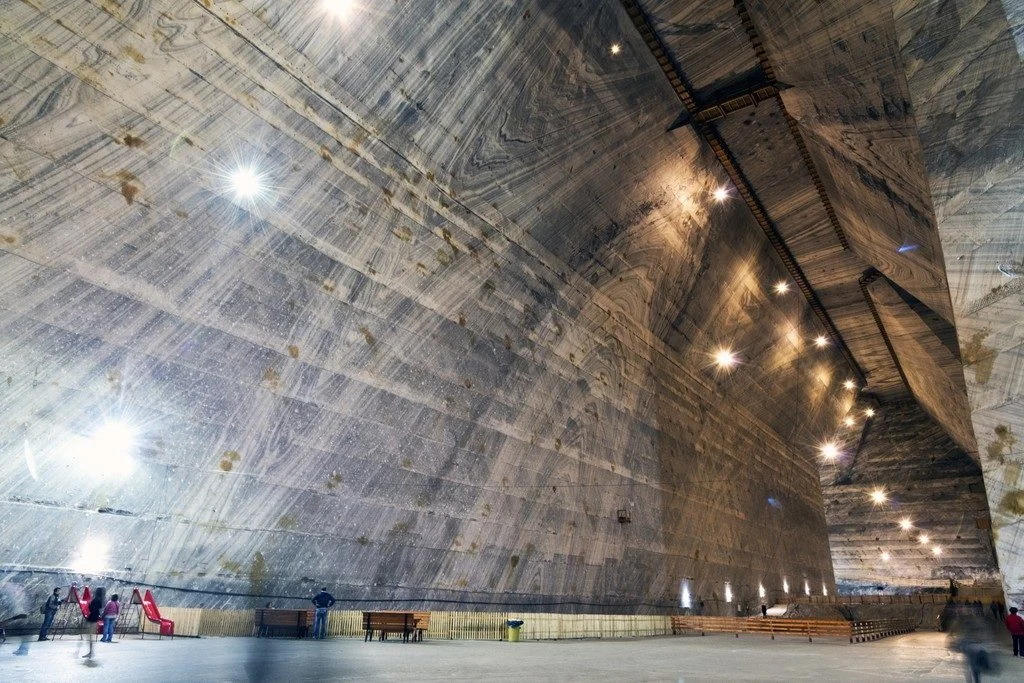
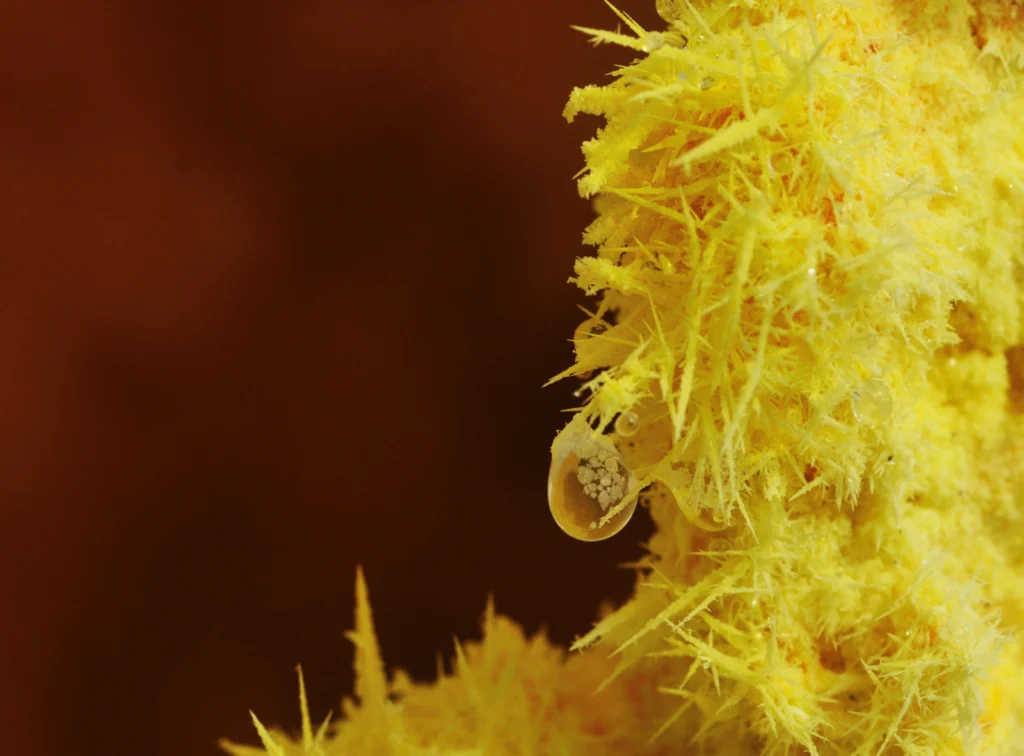
Imaggeo On Monday: Condensation drop on sulphur
Mineralogy, as a subject, often has a hard time. Despite it’s place at the core of the traditional geological sciences, and its importance in a huge variety of other subjects, mineralogy sometimes has a reputation of being complicated and inaccessible and, well, some people have even called it boring. This is also related to the way that minerals are often hugely misunderstood by non-geoscie ...[Read More]
GeoPolicy: Communicating A Global Climate Crisis – your questions answered!
A wide variety of webinar sessions were streamed during EGU 2020’s Sharing Geoscience Online, including all of the Great Debates and Union Symposia. The sessions were very well attended, with some sessions having over 700 participants. An extremely high level of engagement meant that in many cases not all of the participants’ questions could be answered in the available time. Union Symposium ...[Read More]
GeoTalk: Hali Felt, author of ‘Soundings: The Story of the Remarkable Woman Who Mapped the Ocean Floor’
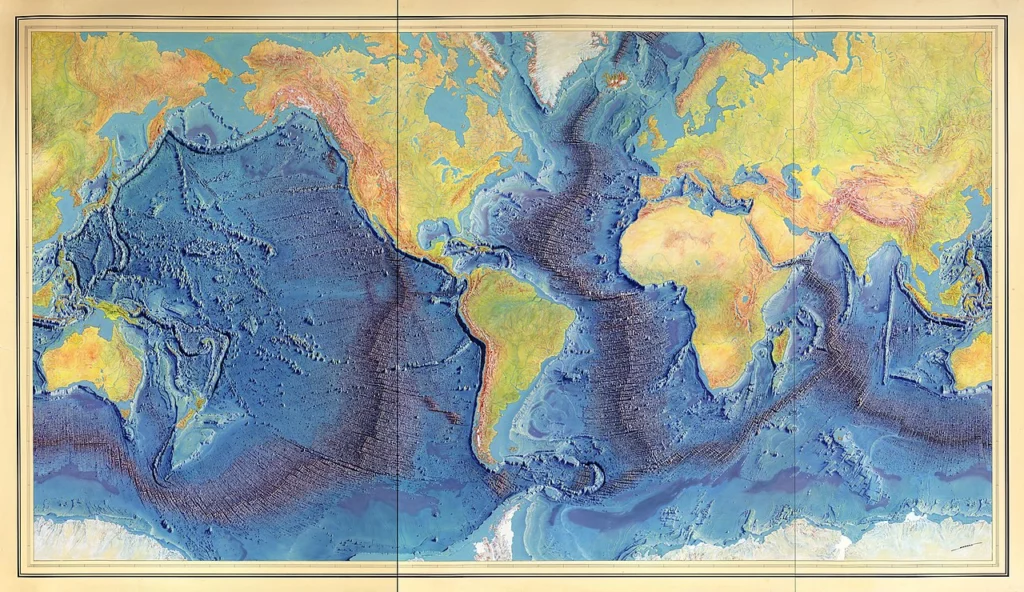
This month for GeoTalk, as we approach the centennial of Marie Tharp’s birth next week, we were lucky enough to speak with the author of her biography ‘Soundings: The Story of the Remarkable Woman Who Mapped the Ocean Floor‘; Hali Felt. Hali has a Master of Fine Arts degree from the University of Iowa and has completed residencies at MacDowell, the Sitka Center for Art and Ecolog ...[Read More]