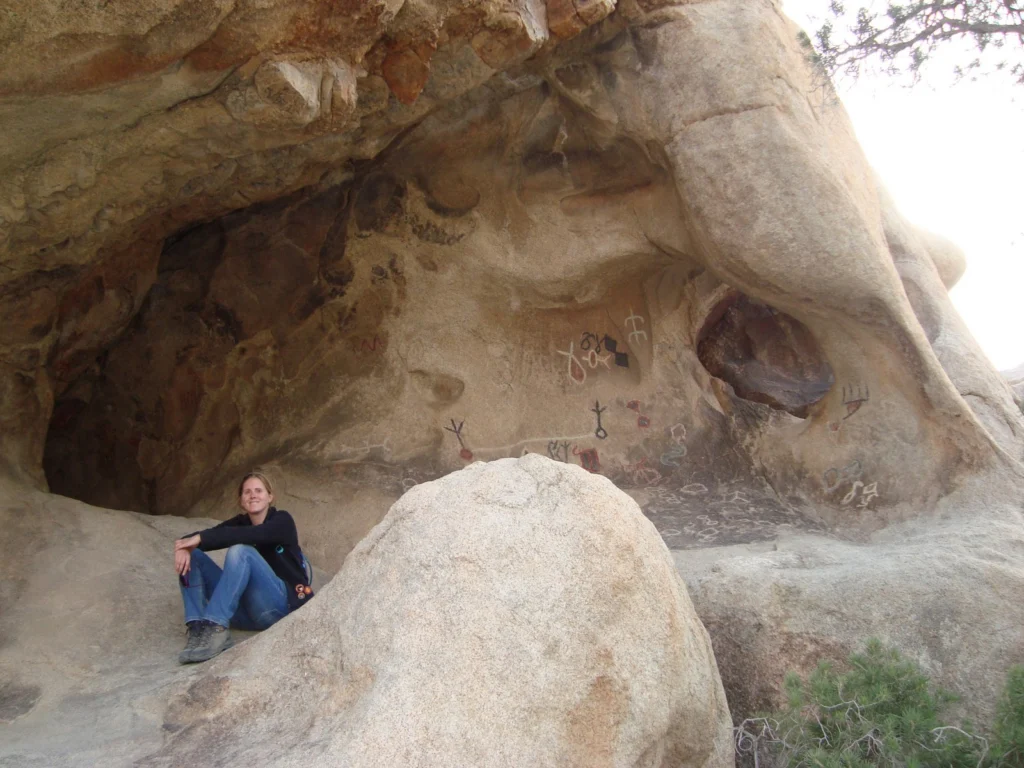
This month’s GeoEd post is brought to you by Dr. Mirjam S. Glessmer. Mirjam is a physical oceanographer, who during her PhD at GEOMAR Kiel, Germany, became more and more interested in understanding how people learn and hence did a Masters of Higher Education in parallel to her PhD. During her PostDoc at the University …[Read More]
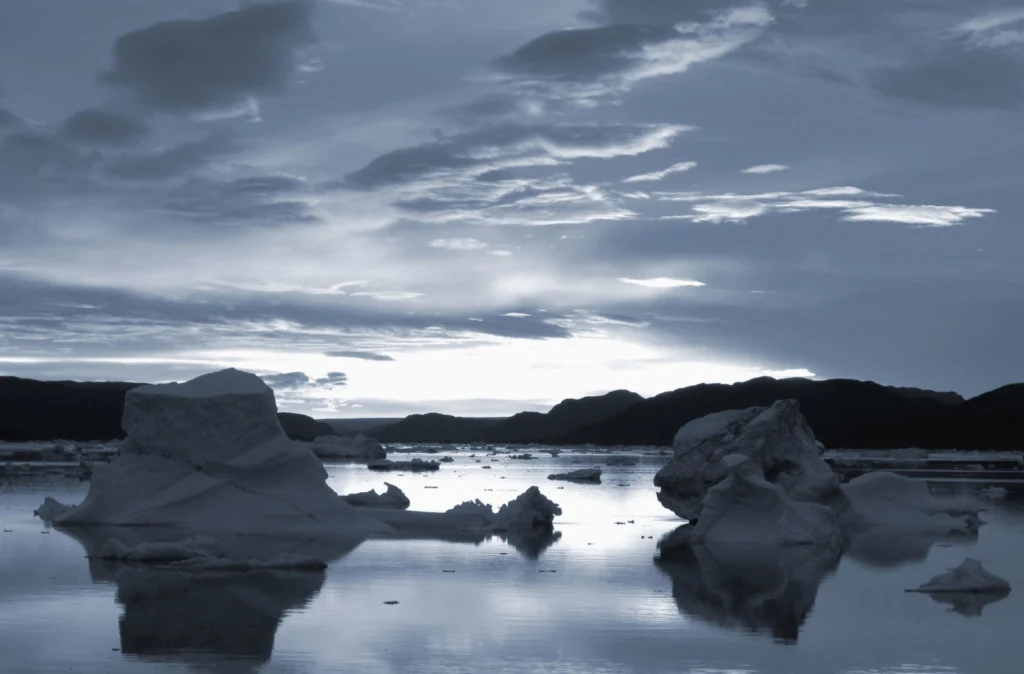
EGU Scientific Divisions
Mars Rocks – introducing a citizen science project
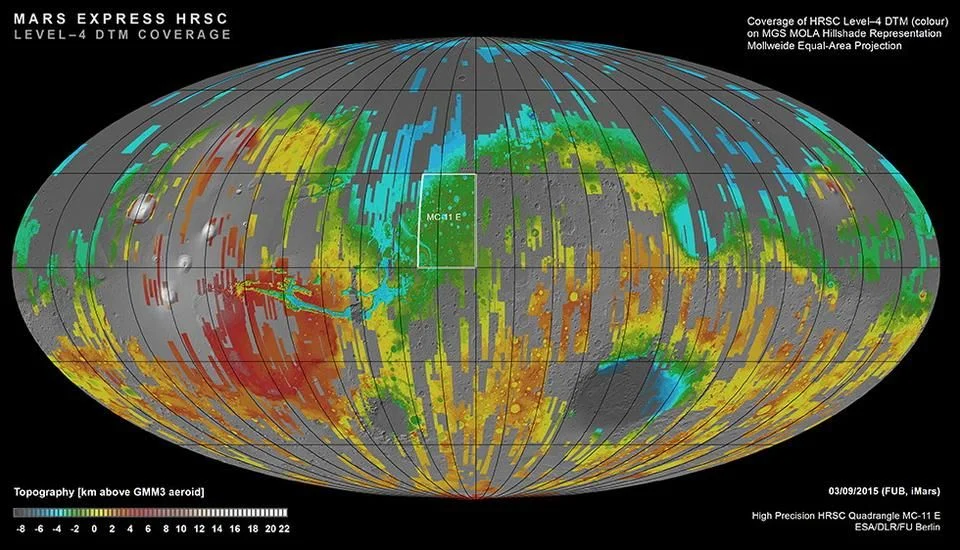
GeoLog followers will remember our previous report on Citizen Geoscience: the exciting possibilities it presents for the acquisition of data, whilst cautioning against the exploitation of volunteered labour. This blog presents a Citizen Science platform that goes beyond data collection to analysis, specifically for geological changes in remote sensing imagery of Mars. Jessica Wardlaw, a Postdoctoral Research Associate …[Read More]
Imaggeo on Mondays: Science in action – how will climate change affect Central Europe?
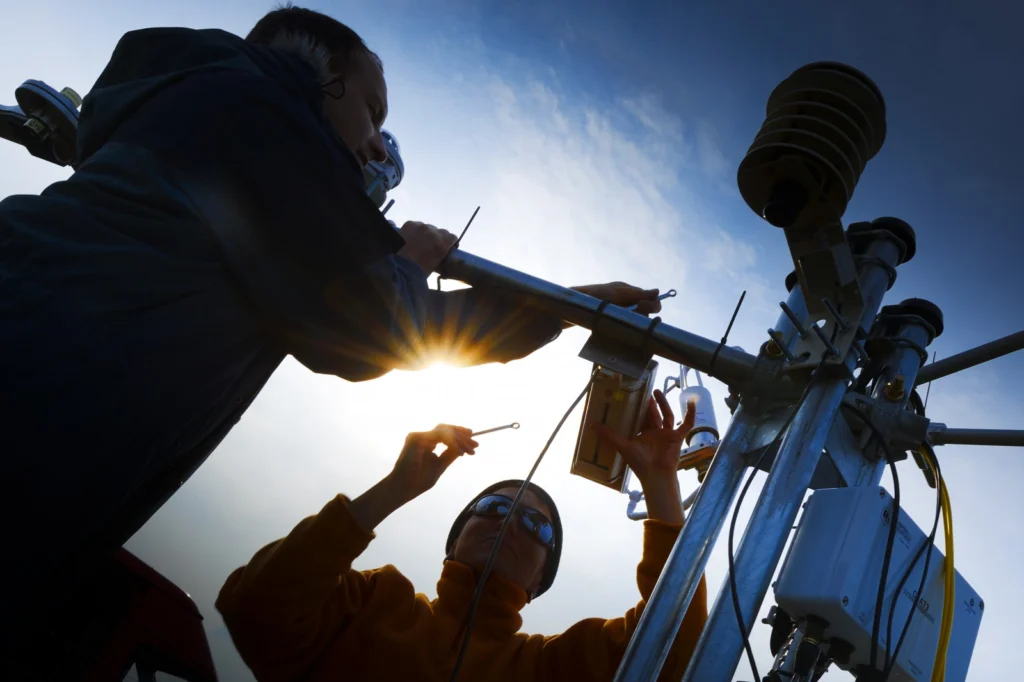
The effects of a warming climate are expected to be far reaching. Sea-level rise, and how it will affect costal settlements make regular headlines, and not without reason. However, climate change may have other less obvious but equally dangerous impacts; for example, take a look at this recent piece highlighting the increased risk of storms …[Read More]
Geosciences Column: Earthquakes and depleted gas reservoirs; what comes first?
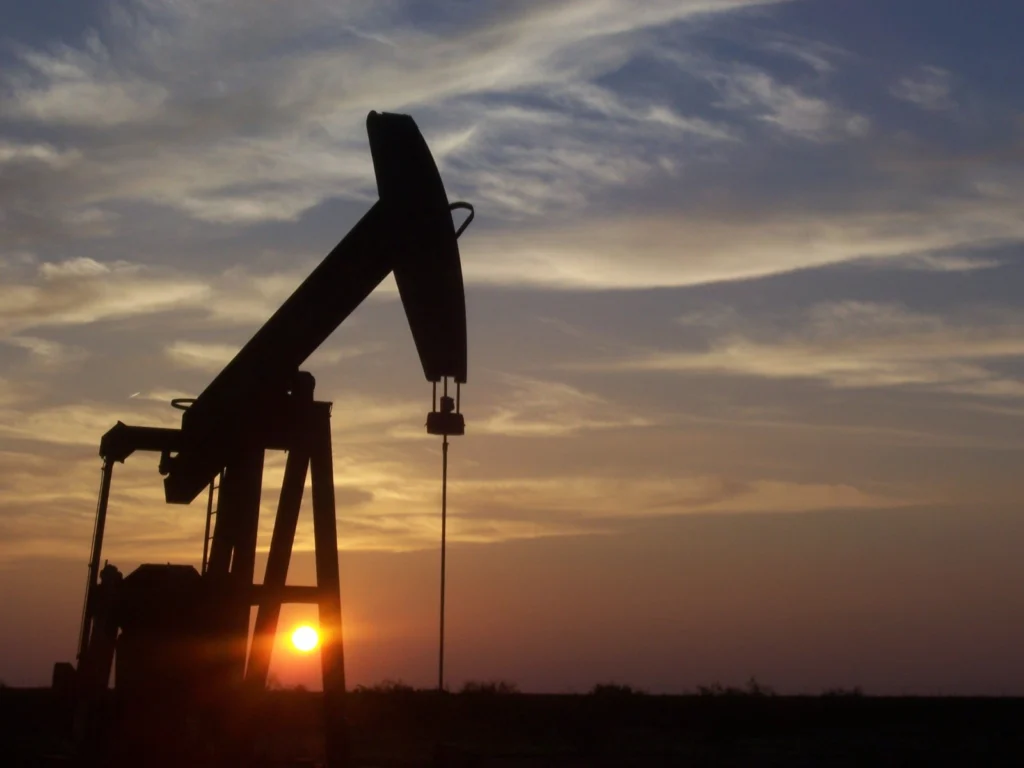
An ever growing population means the requirement for resources to fuel our modern lifestyles grows too. Be it in mining, oil/gas extraction or the improvement of renewable technologies, the boundaries of where and how we access resources are constantly being pushed. Previously inaccessible resources become viable prospects as demand increases and our technological know-how advances. …[Read More]
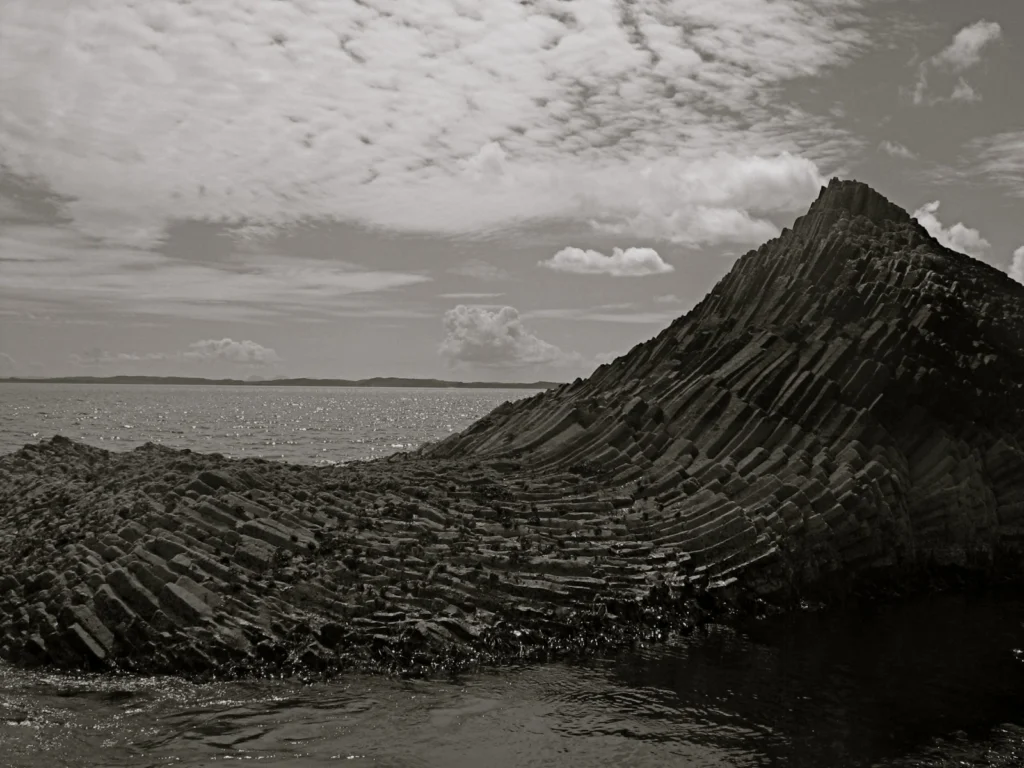
Geoscience hot topics – Part I: The Earth’s past and its origin
What are the most interesting, cutting-edge and compelling research topics within the scientific areas represented in the EGU divisions? Ground-breaking and innovative research features yearly at our annual General Assembly, but what are the overarching ideas and big research questions that still remain unanswered? We spoke to some of our division presidents and canvased their …[Read More]
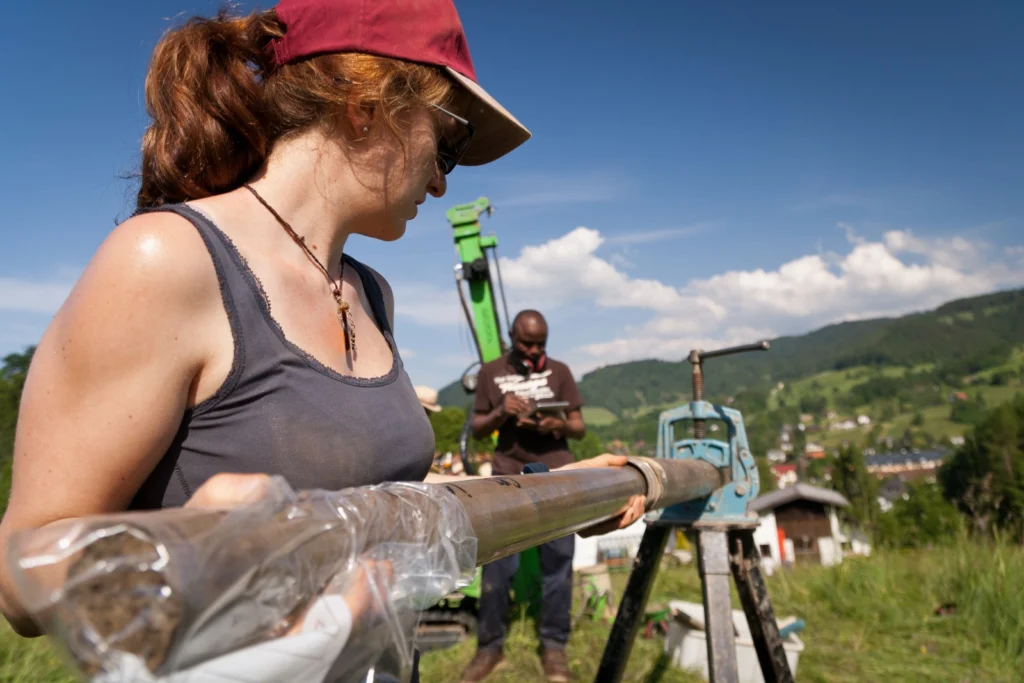
Imaggeo on Mondays: Drilling a landslide
That landslides are hazardous goes without saying; the risk posed by them will largely depend on where they occur and their exact characteristics, which makes understanding the mechanisms which trigger them, as well as predicting when they might happen, extremely difficult. Today’s Imaggeo on Mondays image, brought to you by Ekrem Canli, a PhD student …[Read More]
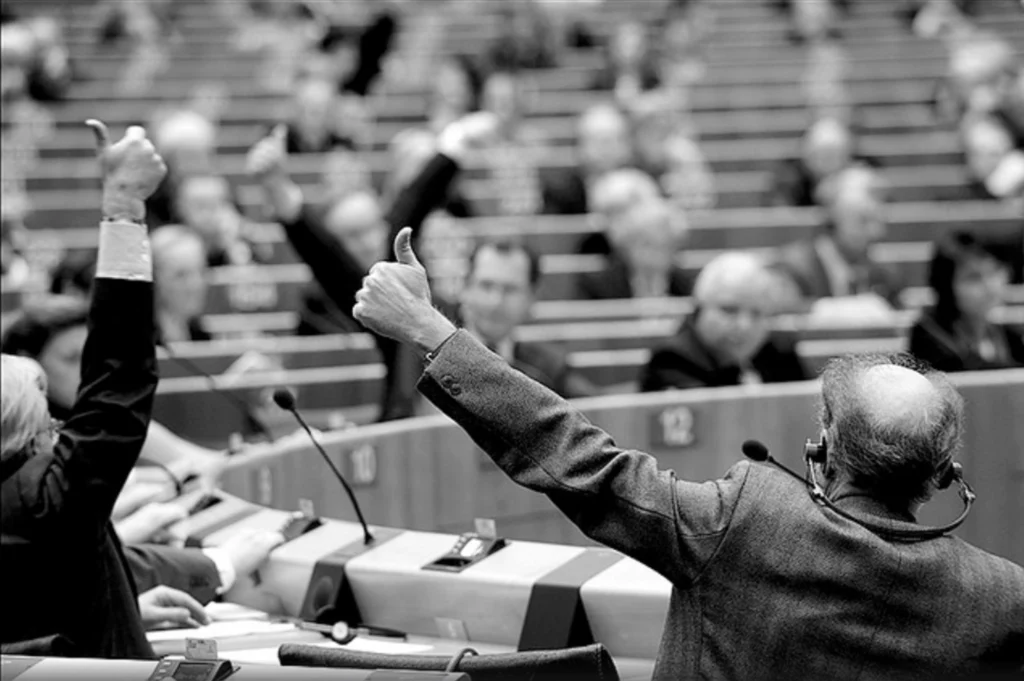
GeoPolicy: EGU sciences on debate at the European Parliament
The adoption of legislation within the European Union (EU) is a complex process involving many steps. In my first blog post in this GeoPolicy series I highlighted an example of this process. Several draft legislation pieces are currently being assessed within the European Parliament (EP) and Council of Ministers (Council) that have been influenced by EGU-related …[Read More]
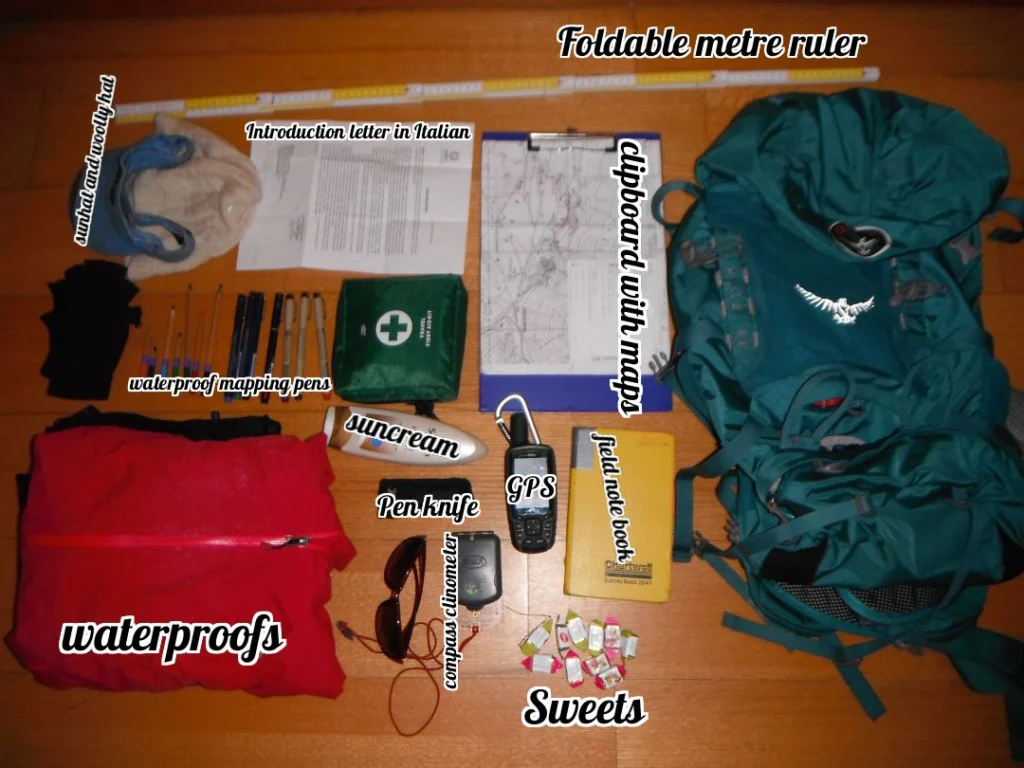
What is in your field rucksack? Take a peek in Zoe Mildon’s bag
Inspired by a post on Lifehacker on what your average geologist carries in their rucksack/backpack, we’ve put together a few blog posts showcasing what a range of our EGU members carry in their bags whilst in the field! Of course, fieldwork in Northern Europe vs. research in Australia is very different, think only of the …[Read More]
Imaggeo on Mondays: Icy seasmoke
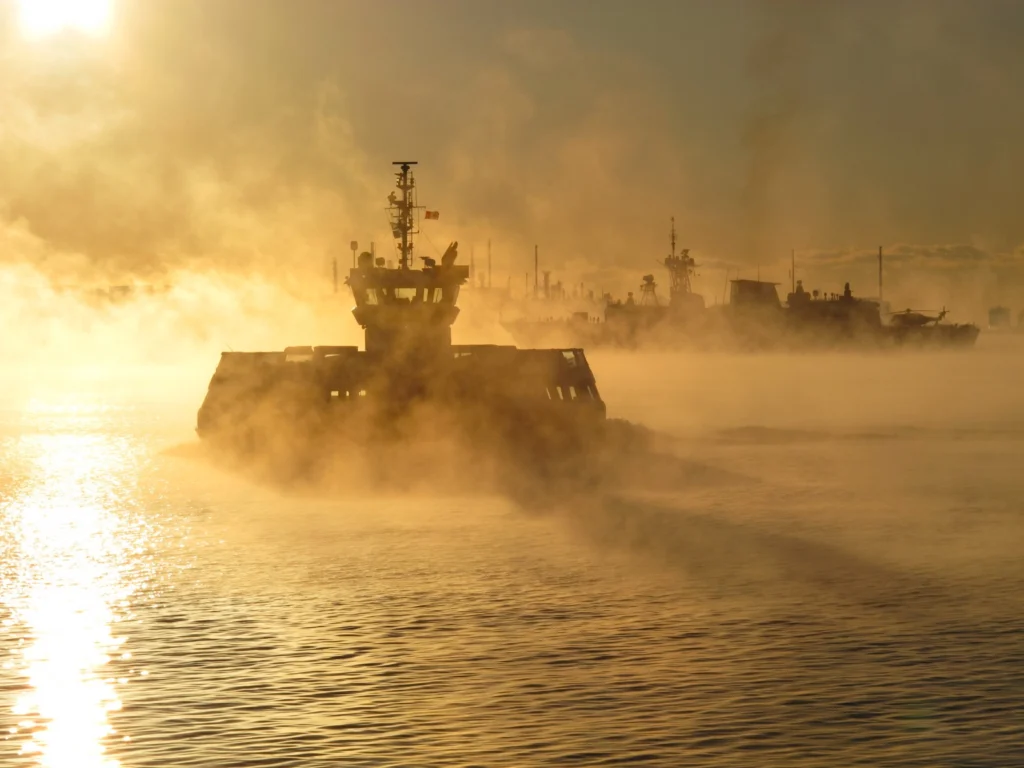
Today’s Imaggeo on Mondays image captures the eerie mood at Halifax Harbour, in Nova Scotia, Canada, on a sunny early morning. “The photograph captures rather unusual seasmoke surrounding a local commuter ferry with a number of other naval vessels in the background”, explains Helmuth Thomas, Professor at Dalhousie University (Canada) who took the snap back …[Read More]
GeoTalk: Anne Pluymakers, Early Career Scientist Representative
In addition to the usual GeoTalk interviews, where we highlight the work and achievements of early career researchers, over the next few months we’ll be introducing the Division early career scientist representatives (ECS). They are responsible for ensuring that the voice of EGU ECS membership is heard. From organising short courses during the General Assembly, …[Read More]