GeoLog

EGU Scientific Divisions

Imaggeo on Mondays: Tombstones Mountains

Imaggeo on Mondays: Tombstones Mountains

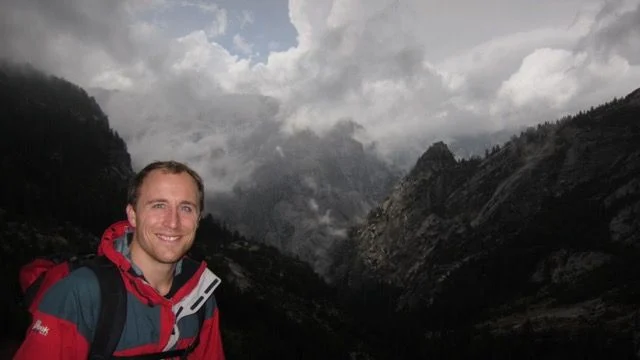
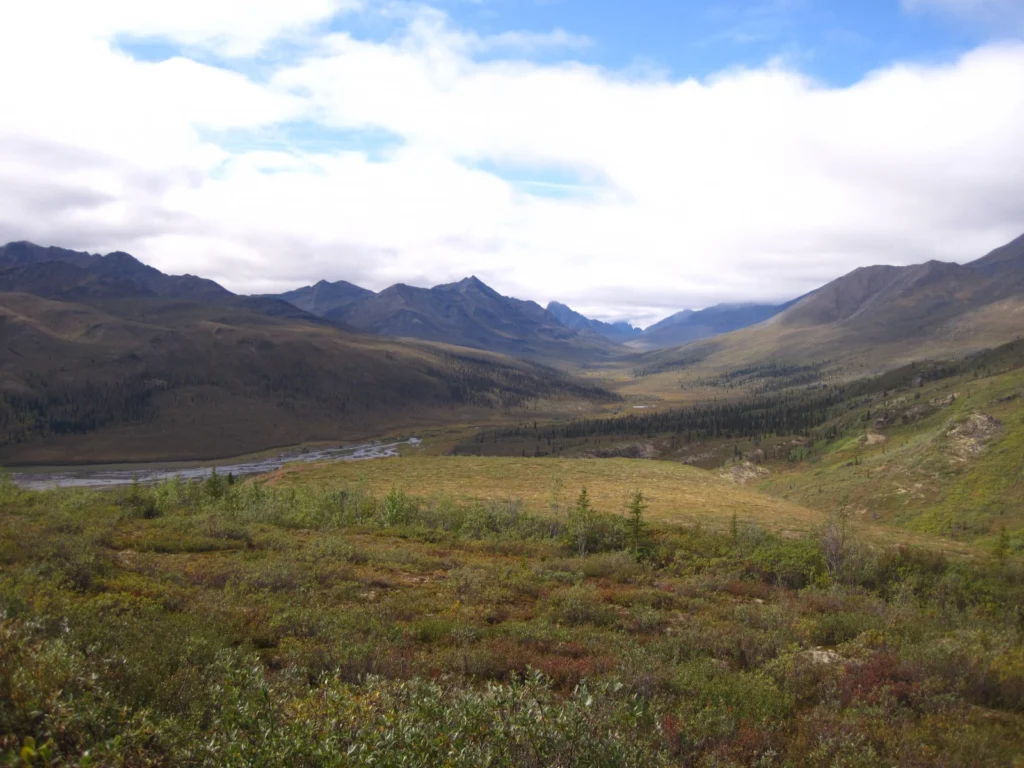
This week’s Imaggeo image is brought to you by one of our network bloggers, Matt Herod. Of the image, Matt said ” this particular one is one of my all time favourites. I have even blown it up and hung it on my wall at home,” and we couldn’t agree more; this Canadian landscape is breathtaking. Dive into this post and let Matt take you on a tour of the hydrology, archaeology ...[Read More]

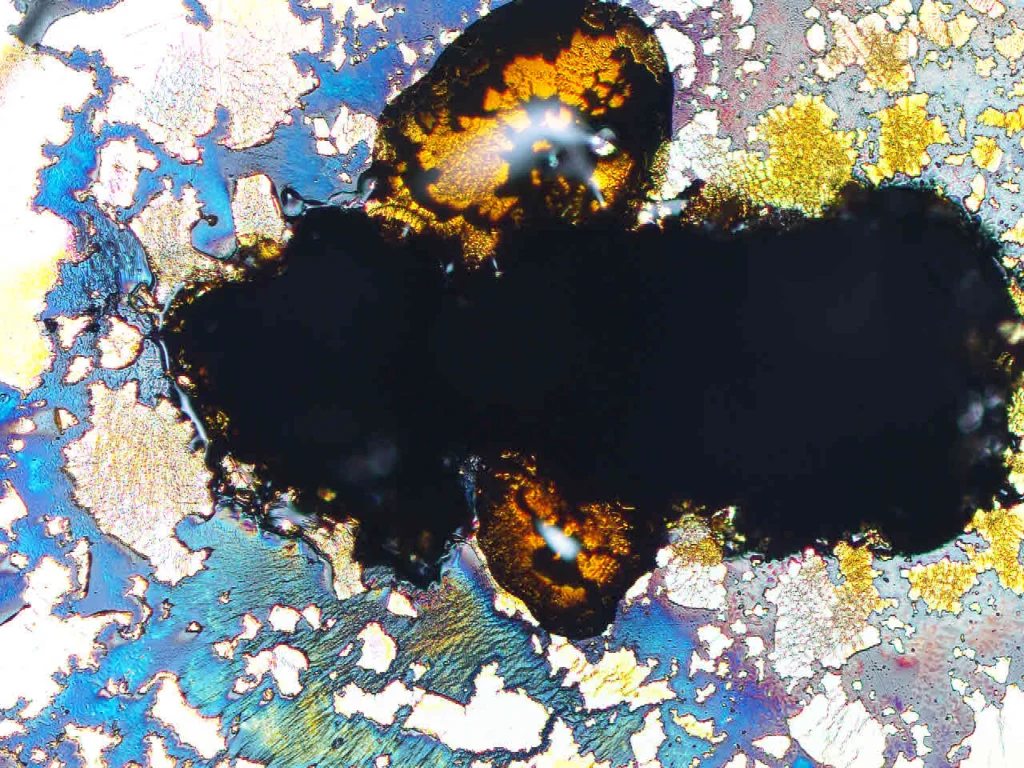
Imaggeo on Mondays: Electron cloud gone wrong

Imaggeo on Mondays: Electron cloud gone wrong

Deciphering the past history of rocks and what they might reveal about the Earth’s future is a key part of geology, and tools such as Ion Probes can be used by Earth Scientists to extract valuable information about a rock’s past. Today’s Imaggeo on Monday’s image was acquired by Sarah Glynn, a researcher at the University of the Witwatersrand, in South Africa, who was analysing a potential calcite ...[Read More]

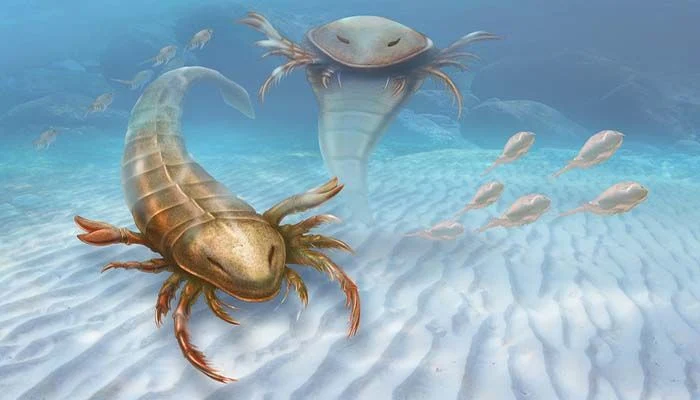
Geosciences Column: The Oldest Eurypterid

Geosciences Column: The Oldest Eurypterid

The name of a newly found fossil of sea scorpion draws inspiration from ancient Greece warships and is a unique example of exceptional preservation, shedding light on the rich life of this bygone sea critter, explains David Marshall of Palaeocast fame. To learn more about the importance of giving new fossils names and what Pentecopterus decorahensis (as the new fossil is formally called) teaches u ...[Read More]

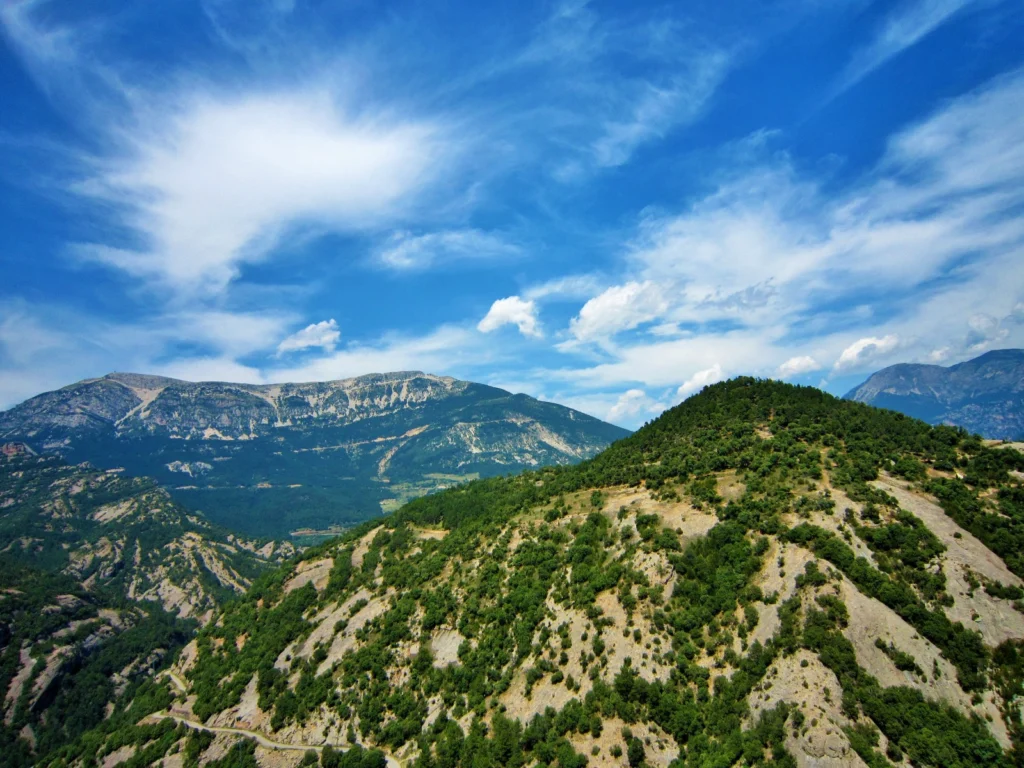
Imaggeo on Mondays: Mola de Lord

Imaggeo on Mondays: Mola de Lord

From the easterly Atlantic waters of the Bay of Biscay to the Catalan wild coast (Costa Brava) in the west, the Spanish Pyrenees stretch 430 km across the north of the country. At the foothills of the Catalan Pyrenees you’ll find the Pre-Pyrenees. Despite not reaching the soaring heights of the peaks of the Pyrenees, they nonetheless offer important insights into the geology of the range and stunn ...[Read More]

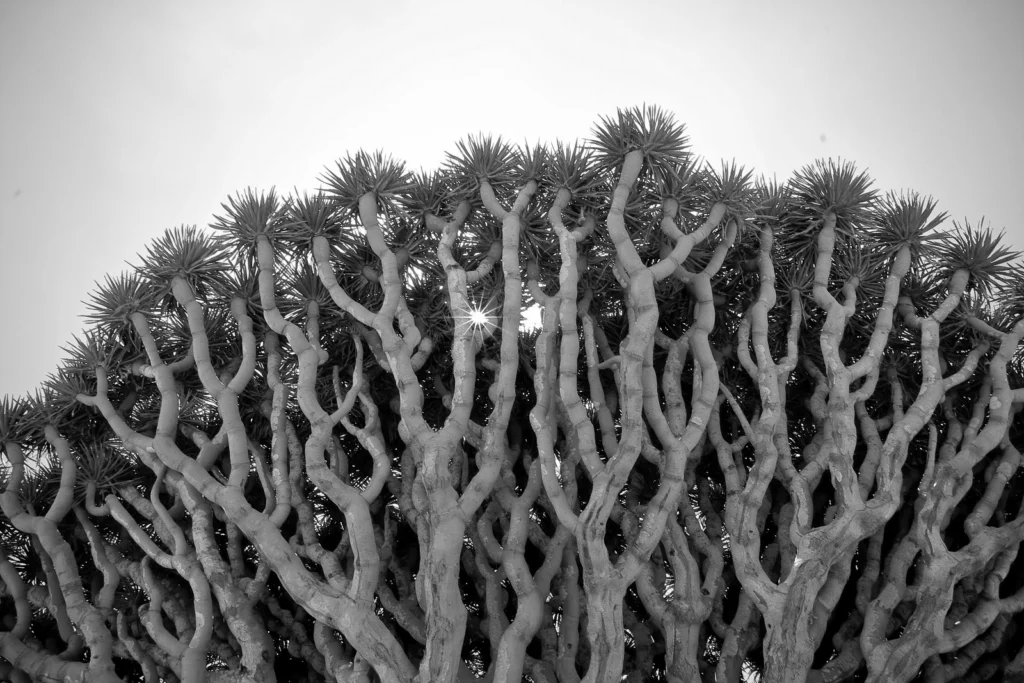
Imaggeo on Mondays: Dragon Blood Tree

Imaggeo on Mondays: Dragon Blood Tree

On a small and isolated island in the Indian Ocean you’ll find an endemic population of Dragon Blood Trees (Dracaena cinnabari). Burly, with an interesting umbrella-shaped fractal canopy, these unique trees are a sight to behold. To see them for yourself, you’ll have to travel to the little known Socotra archipelago. Off the coast of Somalia, but belonging to Yemen, the group of islands boast an i ...[Read More]

Geosciences Column: What made the comet sing?

Geosciences Column: What made the comet sing?

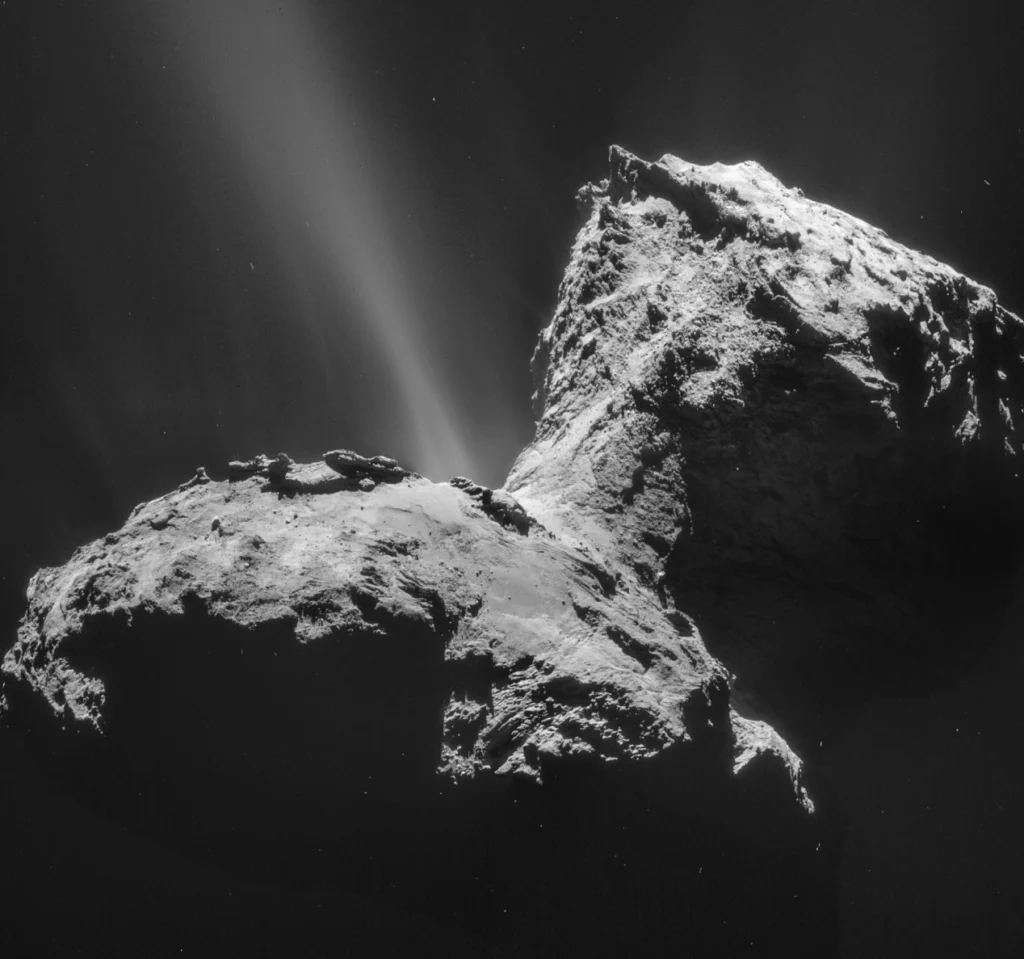
Late last year the Rosetta’s Plasma Consortium (RPC) announced that Comet 67P/Churyumov-Gerasimenko, which the European Space Agency’s Rosetta spacecraft has been studying since August 2014, was singing into space. Now, in a paper published today in the EGU’s open access journal Annales Geophysicae, the RPC team reveals more details about 67P’s song, including why the comet was singing. The sounds ...[Read More]

Imaggeo on Mondays: Velociraptor in the Zagros Mountains

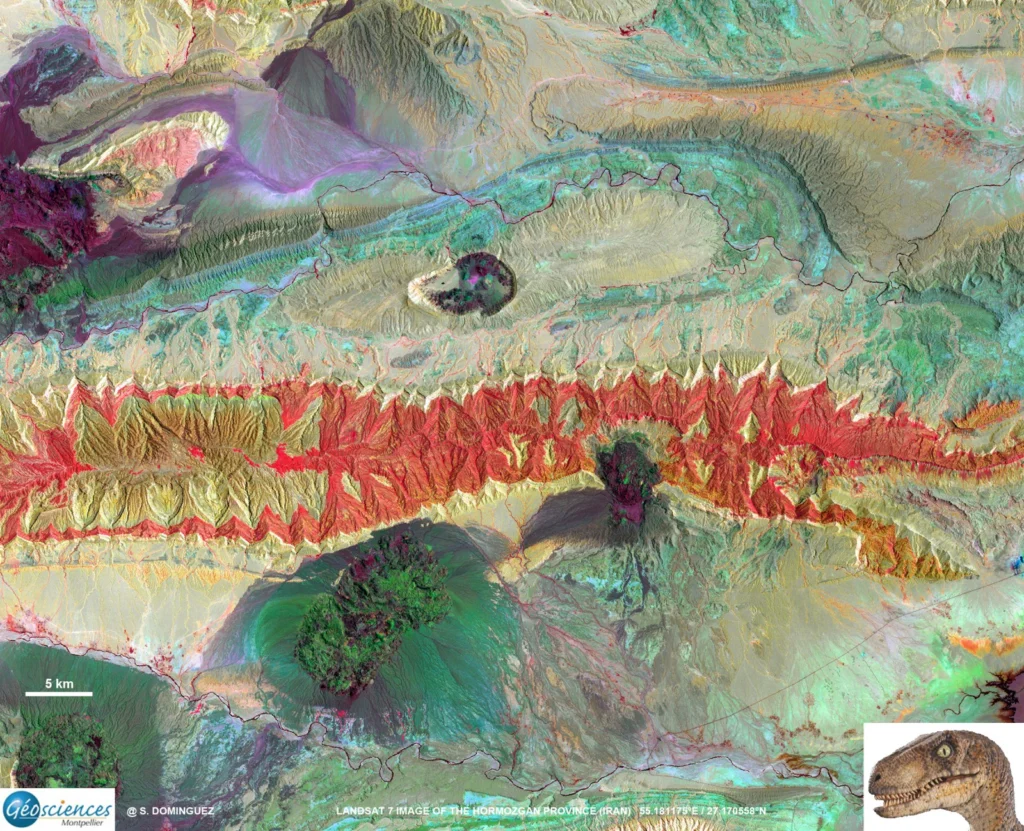
How many times have you turned your head up to the sky and spotted familiar shapes in the clouds? Viewing structures from afar can reveal interesting, common and, sometimes, funny patterns. Satellite images are often used to map geological terrains. They offer a bird’s eye view of the planet and the opportunity to see broad scale structures, the scale of which would be impossible to grasp from the ...[Read More]

Imaggeo on Mondays: Mesopotamia, the ancient land between rivers

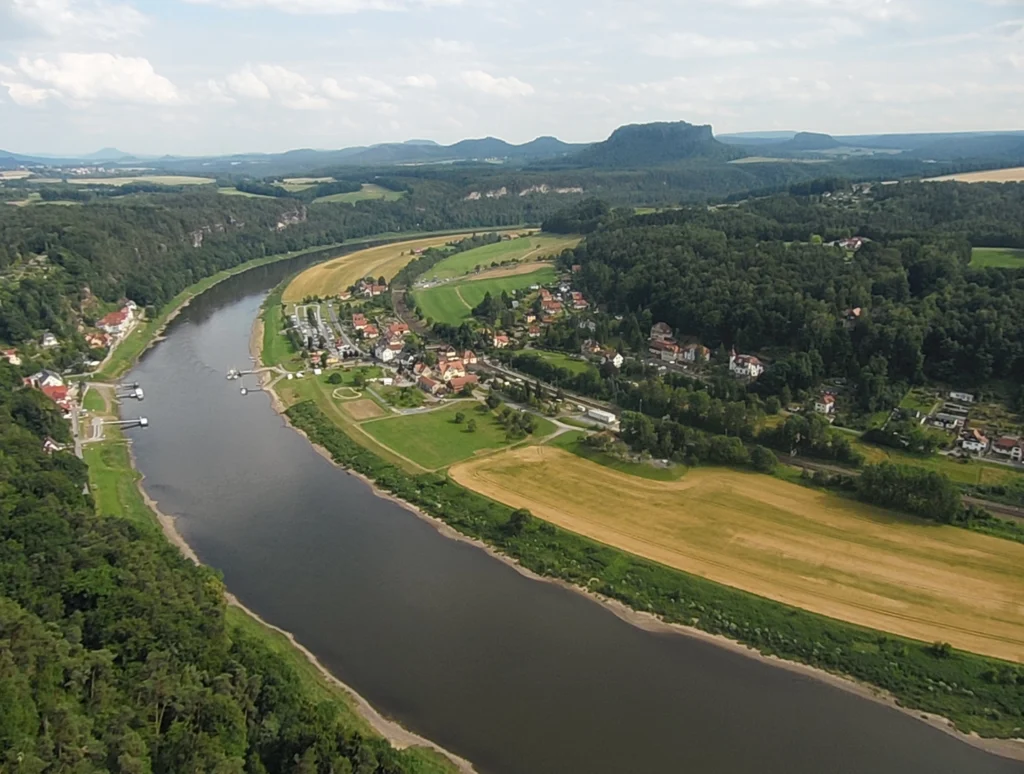
Mesopotamia, an area rich in history and considered as the cradle of civilisation, with the first populations establishing themselves in the region some 6000 years ago,lies between two great rivers: the Euphrates and the Tigris. The ancient territory spans areas of modern-day Iraq, Kuwait, the northeastern section of Syria and small sections of southeastern Turkey and southwestern Iran. The histor ...[Read More]

Geosciences Column: The calamity of eruptions, or an eruption of benefits?

Geosciences Column: The calamity of eruptions, or an eruption of benefits?

So here is a question: why would anyone want to live in the vicinity of an active volcano? The risks are well known, with hazards arising from lava flows, lahars, ash falls, debris avalanches, and pyroclastic density currents, with many often having deadly consequences. But despite the danger, more than half a billion people live in the direct vicinity of volcanoes. Could it be that communities pr ...[Read More]

The EGU Network blogs are looking for guest contributions

Are you a budding science writer, or want to try your hand at science communication? You might just be the person for our EGU network bloggers! A number of our network blogs would like to give their pages a bit of a boost and are seeking guest bloggers to contribute new, informative and engaging posts on an ad hoc basis. If you’ve recently been thinking about trying your hand at blogging, but aren ...[Read More]