GeoLog
Avatar photo

Sarah Connors

Sarah Connors is Science Officer in the Intergovernmental Panel on Climate Change (IPCC) Working Group 1 Technical Support Unit (and former EGU Science Policy Officer). Her PhD thesis was in atmospheric chemistry where she researched into UK methane emissions. Sarah tweets at @connorsSL.

GeoPolicy: IPCC decides on fresh approach for next major report
GeoPolicy: IPCC decides on fresh approach for next major report
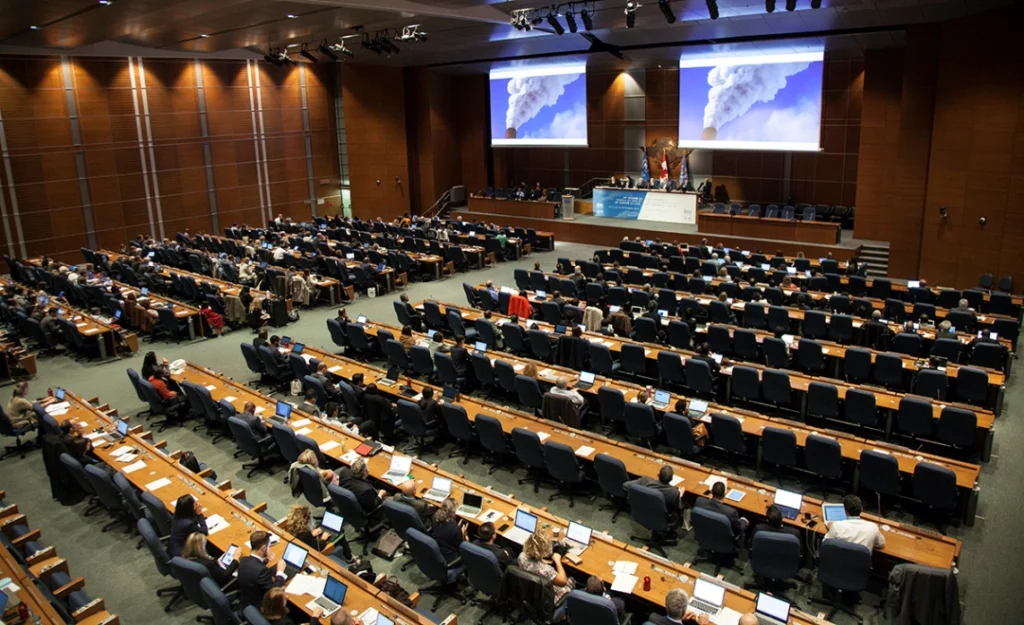
This month’s GeoPolicy post is a guest post from Sarah Connors, a Science Officer in the Intergovernmental Panel on Climate Change (IPCC) Working Group 1 Technical Support Unit (and former EGU Science Policy Officer). The IPCC is starting its sixth cycle, in which hundreds of scientists take stock of the world’s climate change knowledge by assessing the current scientific literature and then summa ...[Read More]

GeoPolicy: Have your say on Horizon 2020

GeoPolicy: Have your say on Horizon 2020

The European Union provides almost 75 billion euros of funding through the Horizon 2020 scheme. This money can fund research projects, studentships, post-doctorates and scientific outreach (to name but a few!). The EU is now calling for feedback and comments about the scheme. This month’s GeoPolicy explains how you can have your say.   Are you a PhD student funded by European Research Council ...[Read More]

Imaggeo on Mondays: Ice drilling

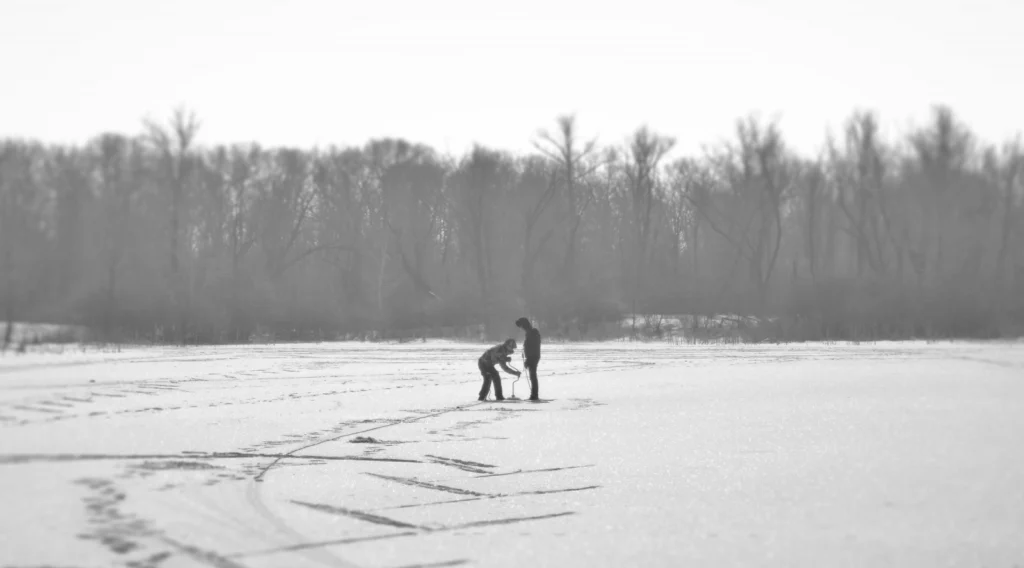
Ice drilling in Saratov

This week’s Imaggeo on Monday’s post, captured by Maksim Cherviakov, shows students from Saratov National Research University practicing a method to measure lake ice thickness. The students are using an ice auger to manually burrow through the ice. Afterwards, the ice depth is recorded using a tape measure. “We measure ice thickness every year on the lakes located in the floodplain of the Vo ...[Read More]

GeoPolicy: A new vehicle emissions test to be introduced, say EU’s top scientists

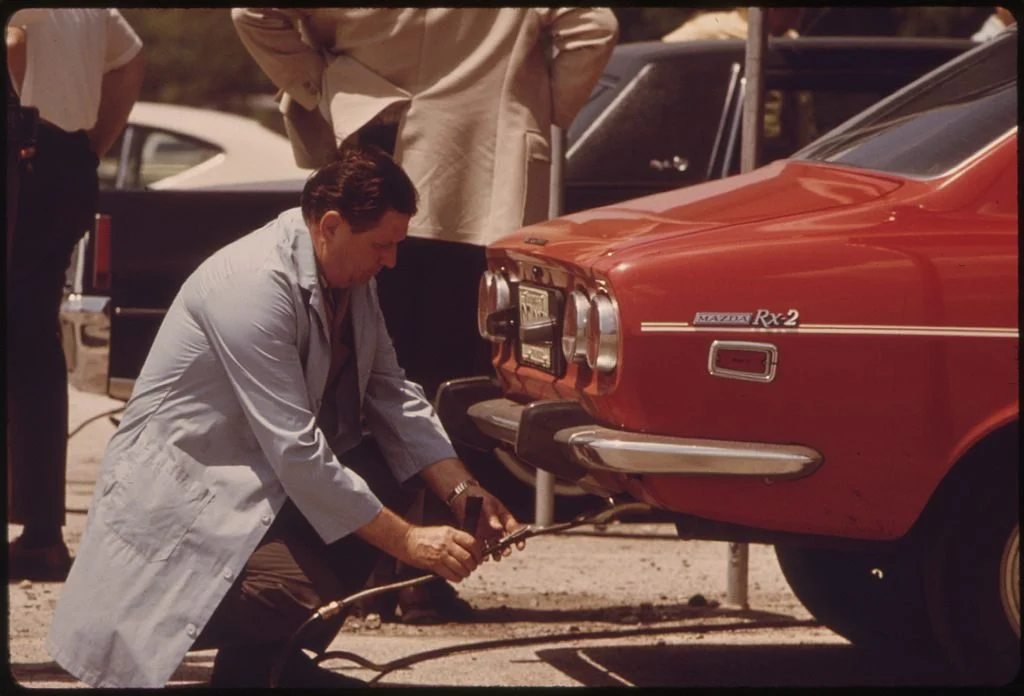
Inspector testing vehicle emissions

Last year the European Commission appointed a panel of world leading scientists to advise on key science policy issues. In November, the panel issued their first recommendation report focusing on CO2 vehicle emissions. The month’s GeoPolicy post takes a closer look at this high-level advisory panel and the recommendations they have published.   In 2015, the Scientific Advice Mechanism (SAM) w ...[Read More]

Imaggeo on Mondays: Isolated storm

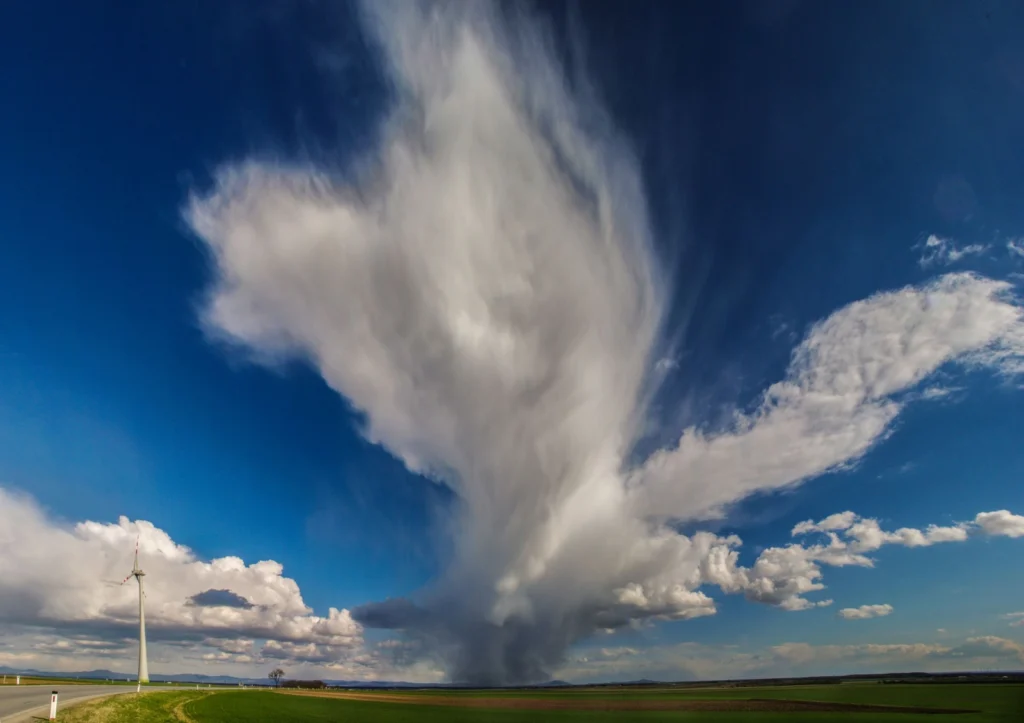
Imaggeo on Mondays: Isolated storm

Clouds and storms are formed when warm, moist air rises. This causes the air to expand and cool: forming clouds as the moisture condenses onto particles suspended in the air (called cloud condensation nuclei). Normally, air rises from surface heating, or when warm and cold air pockets collide, or if air is pushed upwards when passing over hills or mountains. If this heating, and subsequent rising, ...[Read More]

GeoPolicy: What will a Trump presidency mean for climate change?

GeoPolicy: What will a Trump presidency mean for climate change?

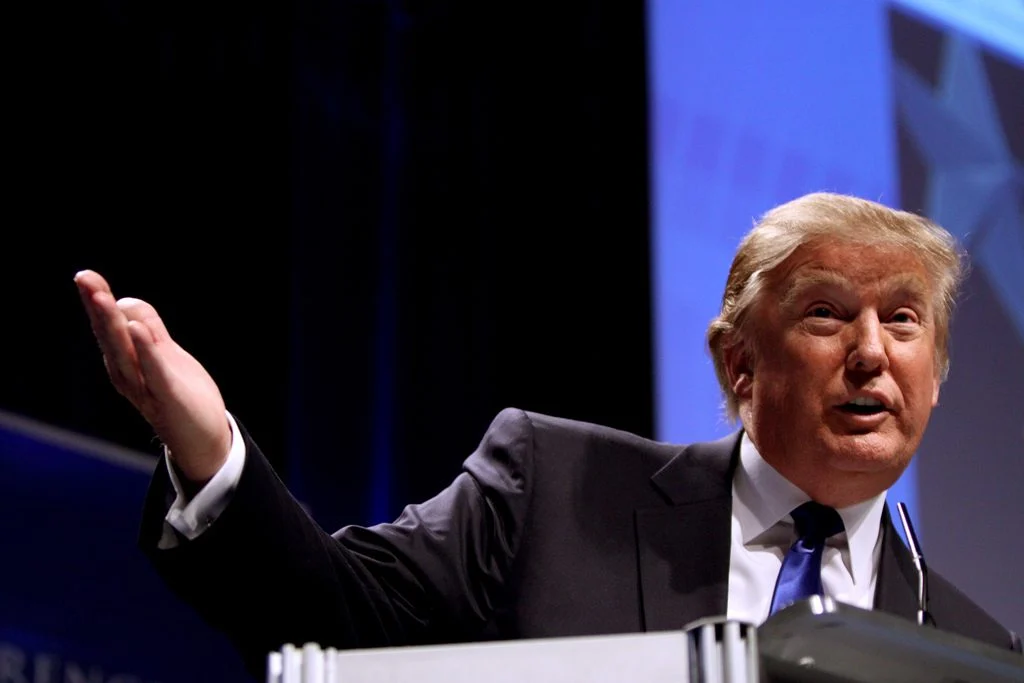
The US Presidential election this month saw Republican Donald Trump, a fierce climate sceptic, be elected into office. In wake of the election results, this month’s GeoPolicy post will take a look at Trump’s proposed actions on climate change, how likely these are to happen, and what the climate and clean technology communities could do to limit the damage.   This tweet, written four years ag ...[Read More]

GeoPolicy: Living in a post-factual society and why it’s more important than ever for scientists to engage

GeoPolicy: Living in a post-factual society and why it’s more important than ever for scientists to engage

Last week, the EGU Science Policy Fellow packed her bags and flew to Brussels. Now this wasn’t to sample some of the fine beers Belgium has to offer, but to attend the 2nd International Network on Government Science Advice (INGSA) Conference. This conference, co-organised by INGSA and the European Commission, aimed to discuss the major principles needed for effective science advice to governments, ...[Read More]

GeoPolicy: Science and the policy cycle

GeoPolicy: Science and the policy cycle

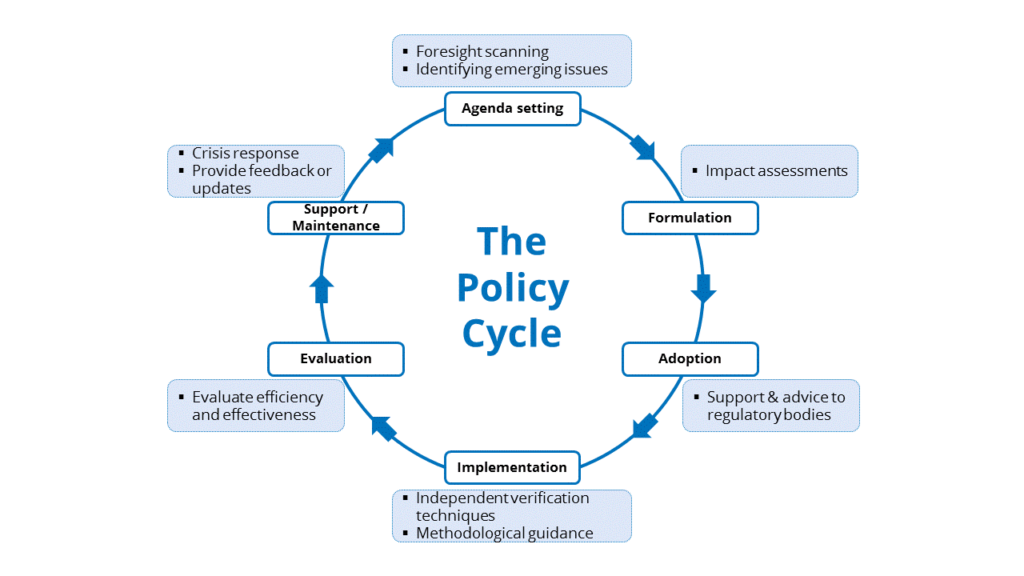
One way to improve the impact of your scientific research is to engage with policy. Doing so can create new opportunities for yourself and your research. The main challenges are knowing when and how to effectively communicate scientific results to policy. If the wrong timing or communication method is chosen then results are less likely to be incorporated into the policy process. This month’s GeoP ...[Read More]

GeoPolicy: How do Members of European Parliament learn about science?

GeoPolicy: How do Members of European Parliament learn about science?

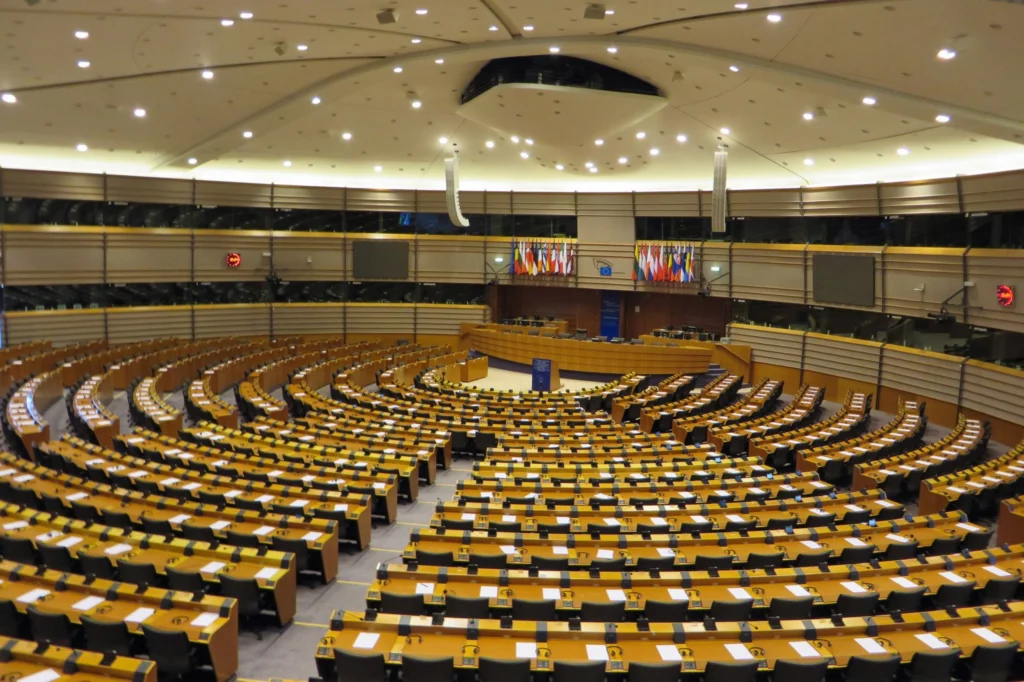
Only ~5% of Members of European Parliament, or MEPs, have a background in the physical sciences1, yet many political challenges require an understanding of the science surrounding these issues. Issues such as locating and extracting mineral resources, understanding climate change impacts, and developing new low-carbon technology. The European Commission (EC) and the European Parliament (EP) have s ...[Read More]

GeoPolicy: 8 ways to engage with policy makers

GeoPolicy: 8 ways to engage with policy makers

Scientific research is usually verbally communicated to policy officials or through purposefully written documents. This occurs at all levels of governance (local, national, and international). This month’s GeoPolicy post takes a look at the main methods in which scientists can assist in the policy process and describes a new method adopted by the European Commission (EC) that aims to enhance scie ...[Read More]