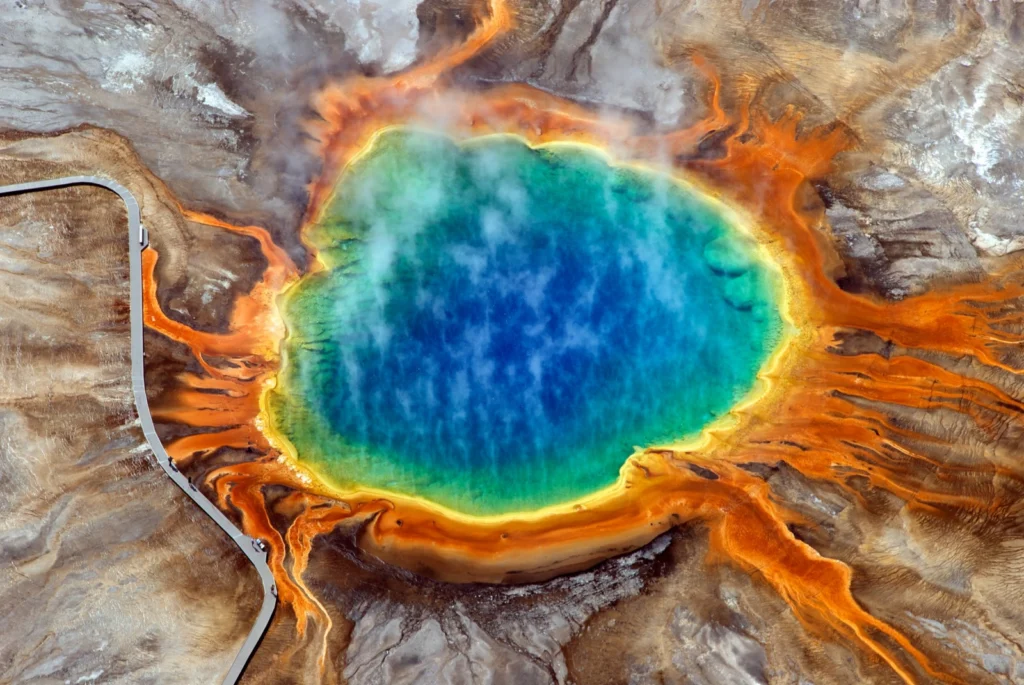
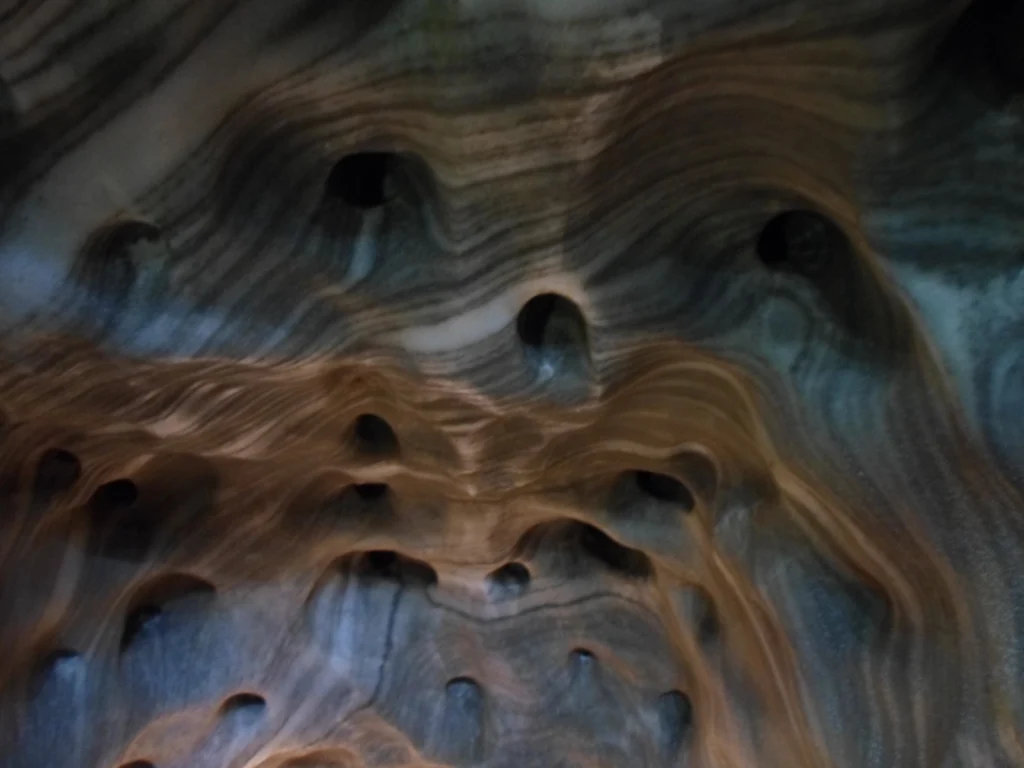
The picture was taken at a hillslope close to the glacier tongue of the Great Aletsch Glacier, the largest glacier in the Alps. With a length of 23 km it is located in the eastern Bernese Alps of Switzerland and composed of the three smaller glaciers Aletschfirn, Jungfraufirn and Eternal snow field converging at Concordia where the ice thickness was measured to be around 900m. The whole area was d ...[Read More]
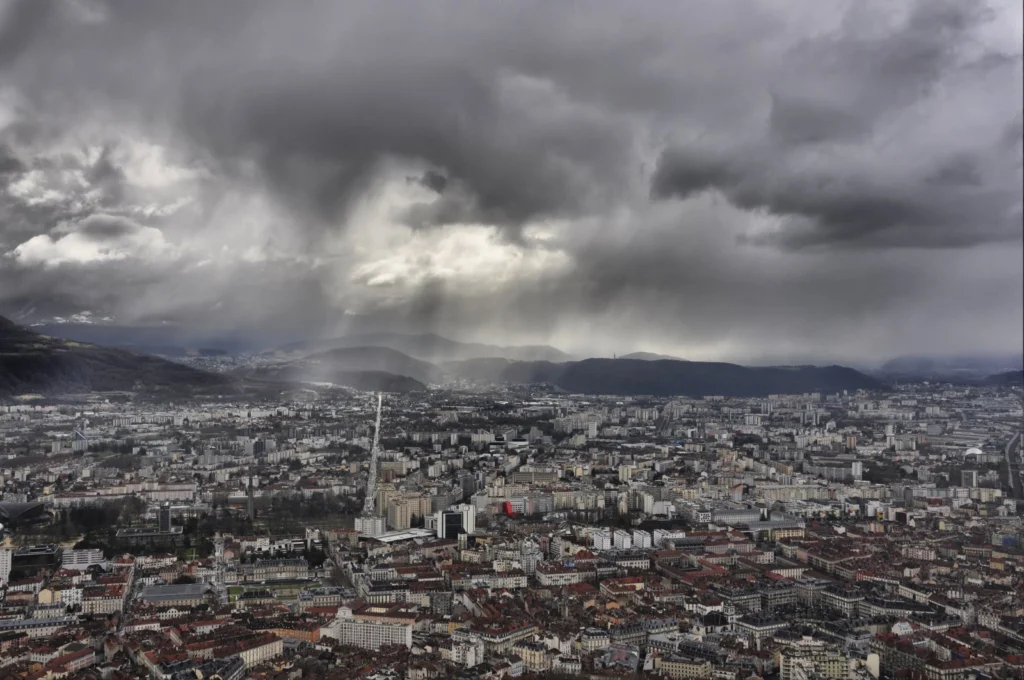
Geoscience hot topics – Part II: the Earth as it is now and what its future looks like
What are the most interesting, cutting-edge and compelling research topics within the scientific areas represented in the EGU divisions? Ground-breaking and innovative research features yearly at our annual General Assembly, but what are the overarching ideas and big research questions that still remain unanswered? We spoke to some of our division presidents and canvased their thoughts on what the ...[Read More]
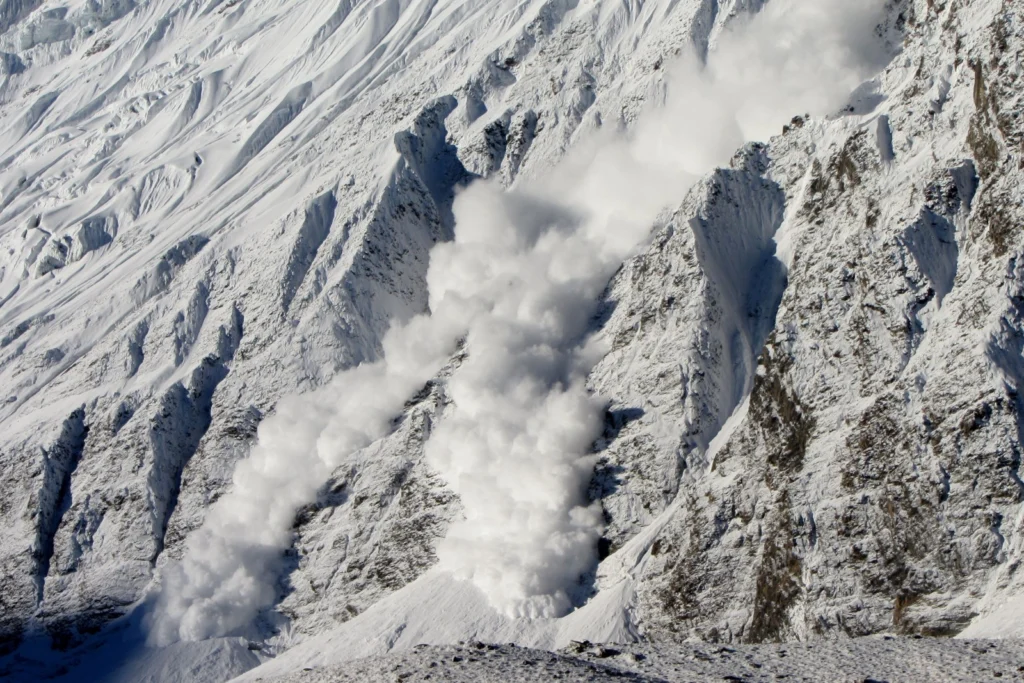
Imaggeo on Mondays: Annapurna snow avalanche
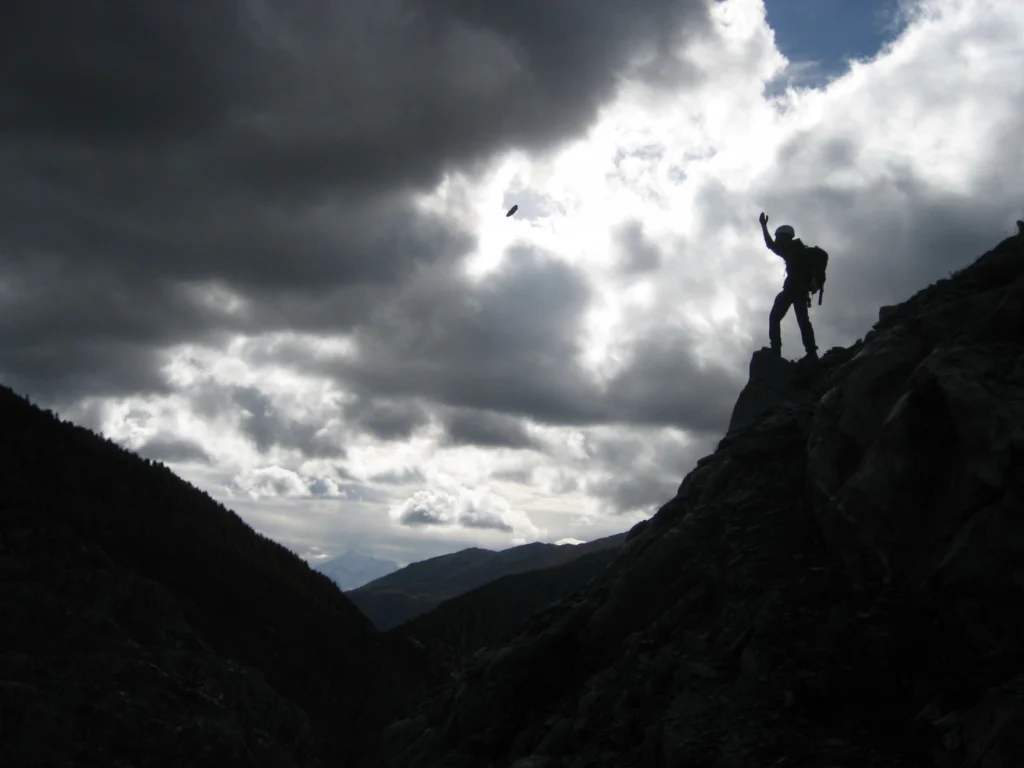
The Annapurna massif is located in an imposing 55 km long collection of peaks in the Himalayas, which behave as a single structural block. Composed of one peak (Annapurna I Main) in excess of 8000 m, a further thirteen peaks over 7000 m and sixteen more of over 6000 m, the massif forms a striking structure within the Himalayas. Annapurna I Main, the tenth highest peak in the world, is towering at ...[Read More]
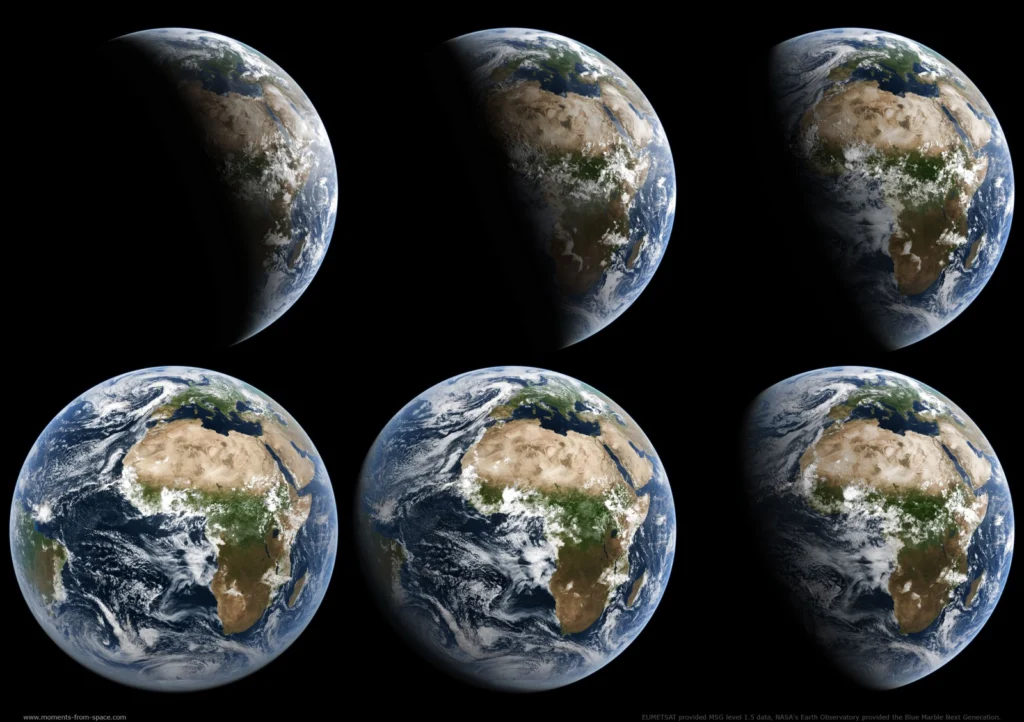
GeoTalk: Anastasia Tezari – understanding space weather
Weather – it dictates the clothes we wear, is engrained in our culture, shapes our seasons and plays an important role in our daily lives. Not only that, its long term forecast and understanding of its variability, is the focus of much research as it holds one of the keys to understanding the Earth’s past and future. Earthly weather has an altogether less familiar, but not less fascinating a ...[Read More]
GeoPolicy: An expert discussion on ozone – working at the science-policy interface
Erika von Schneidemesser is our first guest blogger for the newly established EGUPolicy column. Erika is a Research Scientist at the Institute for Advanced Sustainability Studies based in Potsdam, Germany. Her post gives an insight into working at the science-policy interface by describing a recent project she has been involved in. As scientists and researchers we are increasingly being asked to c ...[Read More]
Communicate Your Science Video Competition is now open!
Want to communicate your research to a wider audience and try your hand at video production? Now’s your chance! The competition is open to early career scientists (ECS) who intend to register for the EGU General Assembly. The aim is to produce a video up-to-three-minutes long to share your research with the general public. The winning entry will receive a free registration to the General Assembly ...[Read More]
Imaggeo on Mondays: Giants Causeway
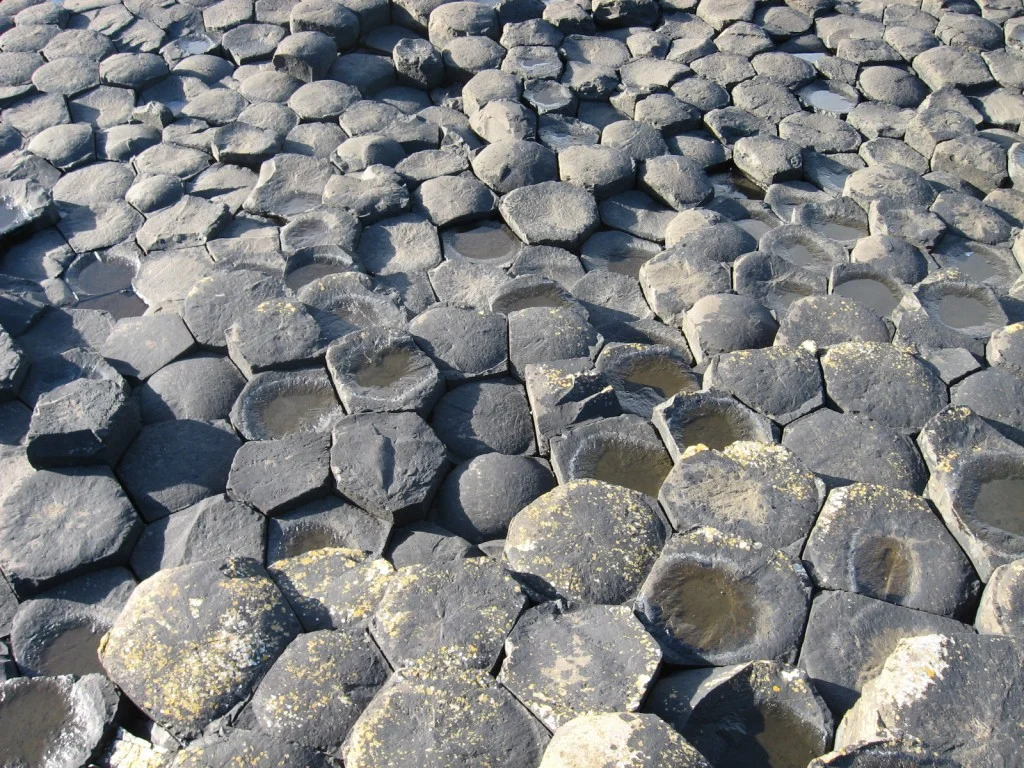
Since its discovery back in the late 1600s the origin of the spectacular polygonal columns of the Giants Causeway, located on a headland along the northern coast of Ireland, has been heavily debated. Early theories for its origin ranged from being sculpted by men with picks and chisels, to the action of giants, through to the force of nature. It wasn’t until 1771 that Demarest, a Frenchman, sugges ...[Read More]
GeoEd: How do we make climate predictions – An idea for an outreach activity
This month’s GeoEd post is brought to you by Dr. Mirjam S. Glessmer. Mirjam is a physical oceanographer, who during her PhD at GEOMAR Kiel, Germany, became more and more interested in understanding how people learn and hence did a Masters of Higher Education in parallel to her PhD. During her PostDoc at the University of Bergen, Norway, she became involved in teaching both university courses, teac ...[Read More]
Mars Rocks – introducing a citizen science project
GeoLog followers will remember our previous report on Citizen Geoscience: the exciting possibilities it presents for the acquisition of data, whilst cautioning against the exploitation of volunteered labour. This blog presents a Citizen Science platform that goes beyond data collection to analysis, specifically for geological changes in remote sensing imagery of Mars. Jessica Wardlaw, a Postdoctor ...[Read More]
Imaggeo on Mondays: Science in action – how will climate change affect Central Europe?
The effects of a warming climate are expected to be far reaching. Sea-level rise, and how it will affect costal settlements make regular headlines, and not without reason. However, climate change may have other less obvious but equally dangerous impacts; for example, take a look at this recent piece highlighting the increased risk of storms and droughts in mainland Europe. The area of Saxony-Anhal ...[Read More]