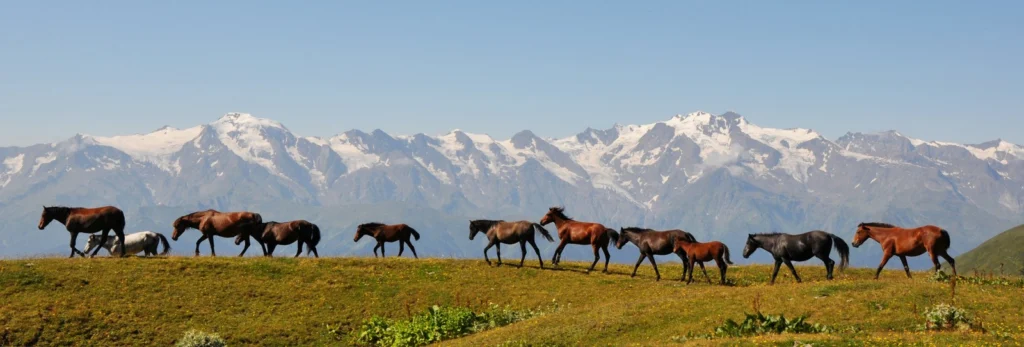
Today’s Imaggeo on Mondays picture shows the central section of the Svaneti Range, located in the Svaneti Region – a historic province of northwestern Georgia. The range is the second biggest range formed by the modern glaciation on the southern slopes of the Georgian Caucasus Mountains. In today’s post, Levan Tielidze, a researcher at Ivane Javakhishvili Tbilisi State University, writes about the ...[Read More]
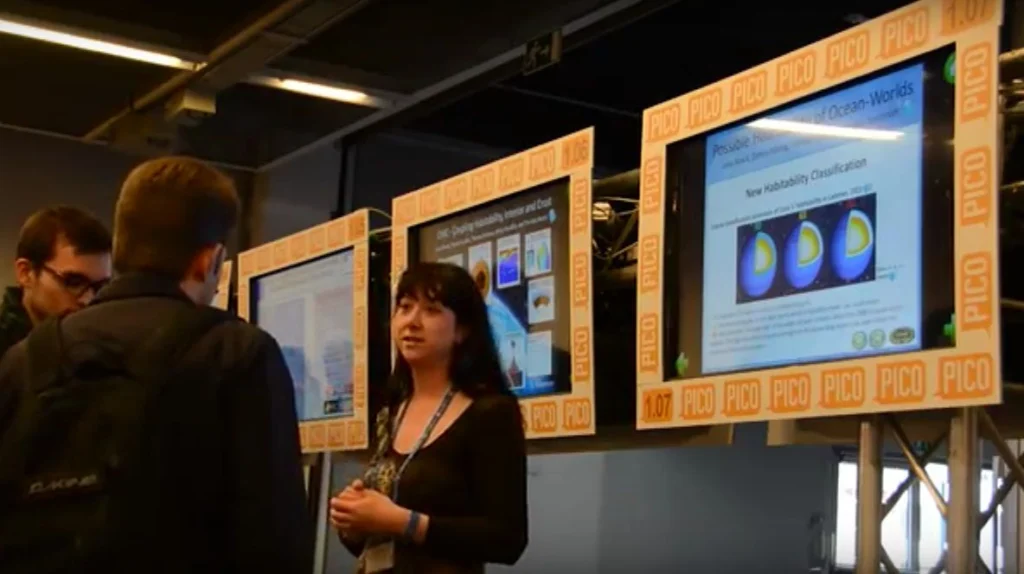
GeoTalk: Lena Noack, Early Career Scientist Representative
In addition to the usual GeoTalk interviews, where we highlight the work and achievements of early career researchers, over the next few months we’ll be introducing the Division early career scientist representatives (ECS). They are responsible for ensuring that the voice of EGU ECS membership is heard. From organising short courses during the General Assembly, through to running Division Blogs an ...[Read More]
Imaggeo on Mondays: Man-made landscape
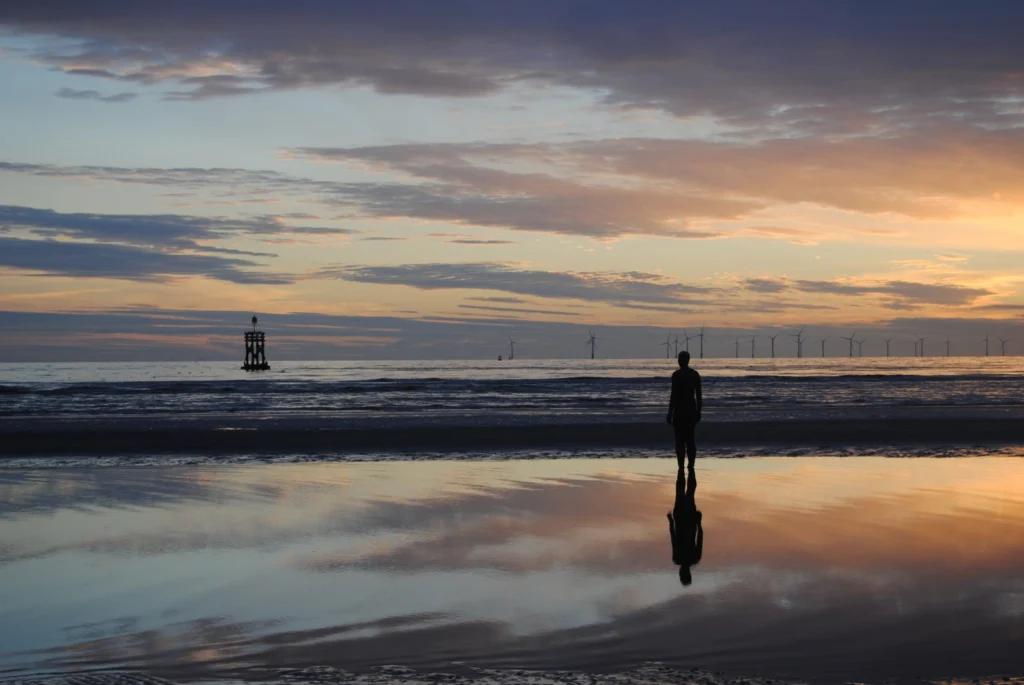
The landscape of the Mersey Estuary in Liverpool Bay is ever changing; it offers the opportunity to observe the changing geomorphology of a river estuary which is closely linked to a very urban and man-made landscape. For more on this unique setting, read today’s Imaggeo on Mondays post brought to you by Maria Burguet Marimon. This picture was taken at Crosby beach, which is located just at ...[Read More]
Imaggeo on Mondays: night cap over Mt. Fuji
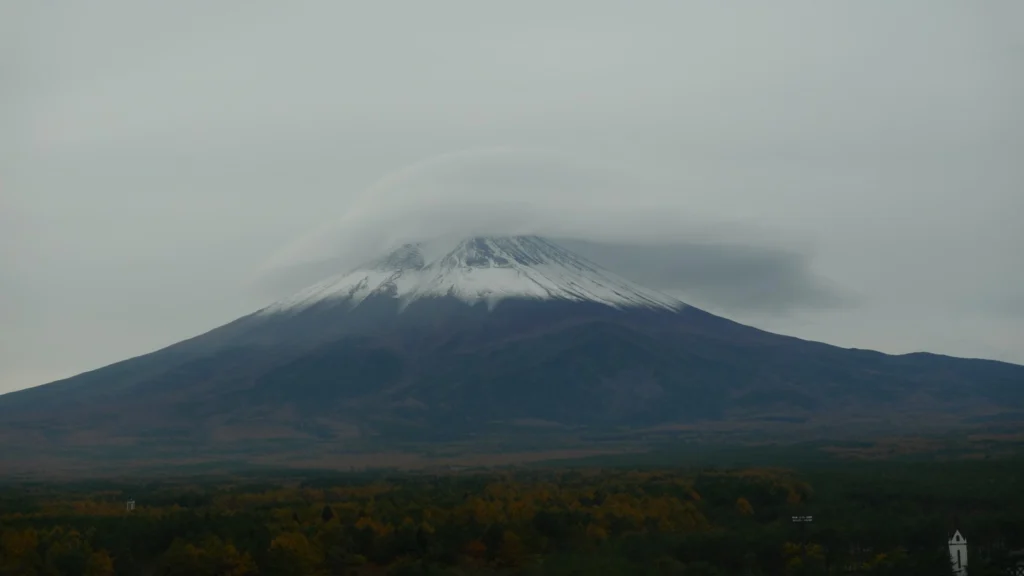
The first Imaggeo on Monday’s post of 2016 is quite spectacular! It features a lenticular cloud capping the heights of Mount Fuji, in Japan. Erricos Pavlis writes this post and describes how the unusual cloud formation comes about and why Mt. Fuji is such a prime place to catch a glimpse of this meteorological phenomena. Mount Fuji at more than 3700 m is one of the highest volcanoes in the w ...[Read More]
A Challenge to communicate
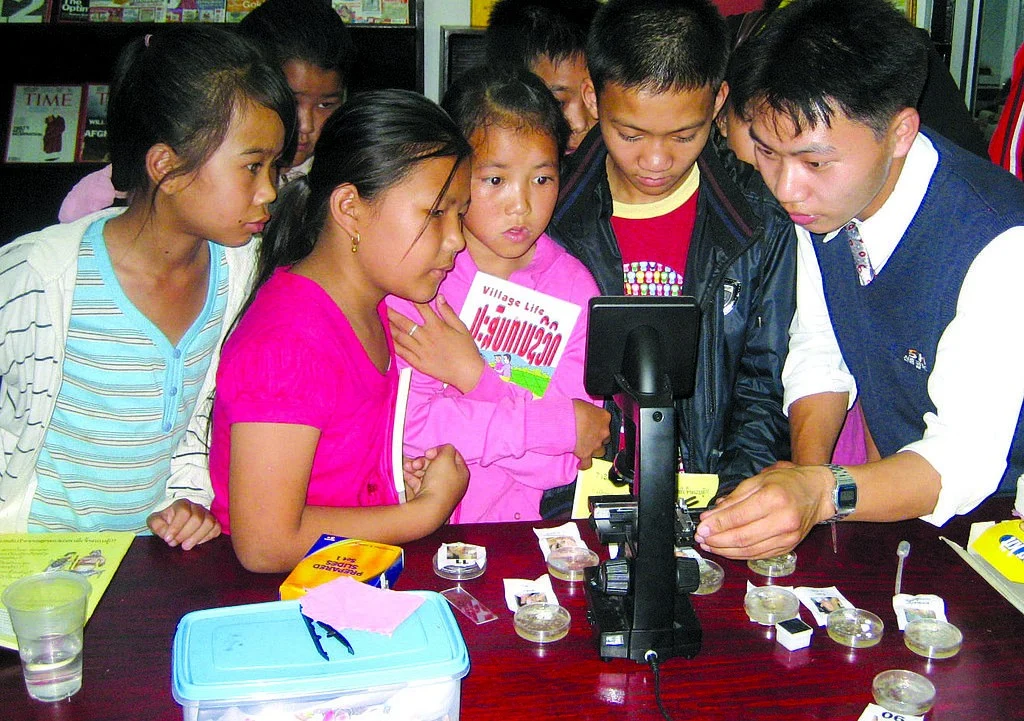
In this guest post, Sam Illingworth, regular contributor to GeoLog on all things science communication and education, discusses whether it is the responsibility of all geoscientists to communicate their science and research and challenges you to make some time to get involved in public engagement in 2016. As researchers it is very easy to get caught up in the whirlwind of our scientific endeavour ...[Read More]
The best of Imaggeo in 2015: in pictures
Last year we prepared a round-up blog post of our favourite Imaggeo pictures, including header images from across our social media channels and Immageo on Mondays blog posts of 2014. This year, we want YOU to pick the best Imaggeo pictures of 2015, so we compiled an album on our Facebook page, which you can still see here, and asked you to cast your votes and pick your top images of 2015. From the ...[Read More]
Looking back at the EGU Blogs in 2015: welcoming new additions
It’s a little over 12 months since we launched the new look EGU blogs and with the holidays and new year approaching, what better time to take stock of 2015 as featured in the EGU Blogs? The past year has been full of exciting, insightful and informative blog posts. At the same time, we’ve welcomed new additions to the network and division blogs. The network blogs A recent highlight of the year ha ...[Read More]
Geoscience hot topics – The finale: Understanding planet Earth
What are the most interesting, cutting-edge and compelling research topics within the scientific areas represented in the EGU divisions? Ground-breaking and innovative research features yearly at our annual General Assembly, but what are the overarching ideas and big research questions that still remain unanswered? We spoke to some of our division presidents and canvased their thoughts on what the ...[Read More]
Imaggeo on Mondays: Drawing in pencil
The picture was taken in Salina Turda, a fascinating salt mine in western Transylvania, in Durgău – Valea Sarată near Turda city. In the picture, the pockets created by salt dissolution can be observed. Over time, due to the erosive power of air currents, the walls have been reshaped: the corners have been rounded and, at the contact between the roof and the walls, a series of dissolution po ...[Read More]
GeoPolicy: What was decided from the Paris COP21?
Last week saw the world’s leaders come together in Paris for the 21st ‘Conference of the Parties’ (aka COP21) to discuss climate change. The 12 day meeting saw over 50,000 participants (half of which from Government organisations) come to reach an agreement on limiting greenhouse gas (GHG) production. Background Manmade climate change, resulting from the increased production of GHG into the atmosp ...[Read More]