2019 was a brilliant year for our blogging network here at EGU. Across the EGU’s official blog, GeoLog, as well as the network and division blogs there were so many interesting, educational and just downright entertaining posts this year it was hard to get the blog editors to choose their favourites! Nevertheless in December, to celebrate the excellent display of science writing across the network ...[Read More]
Ocean Sciences
GeoPolicy: Communicate Geoscience? Let’s do it!
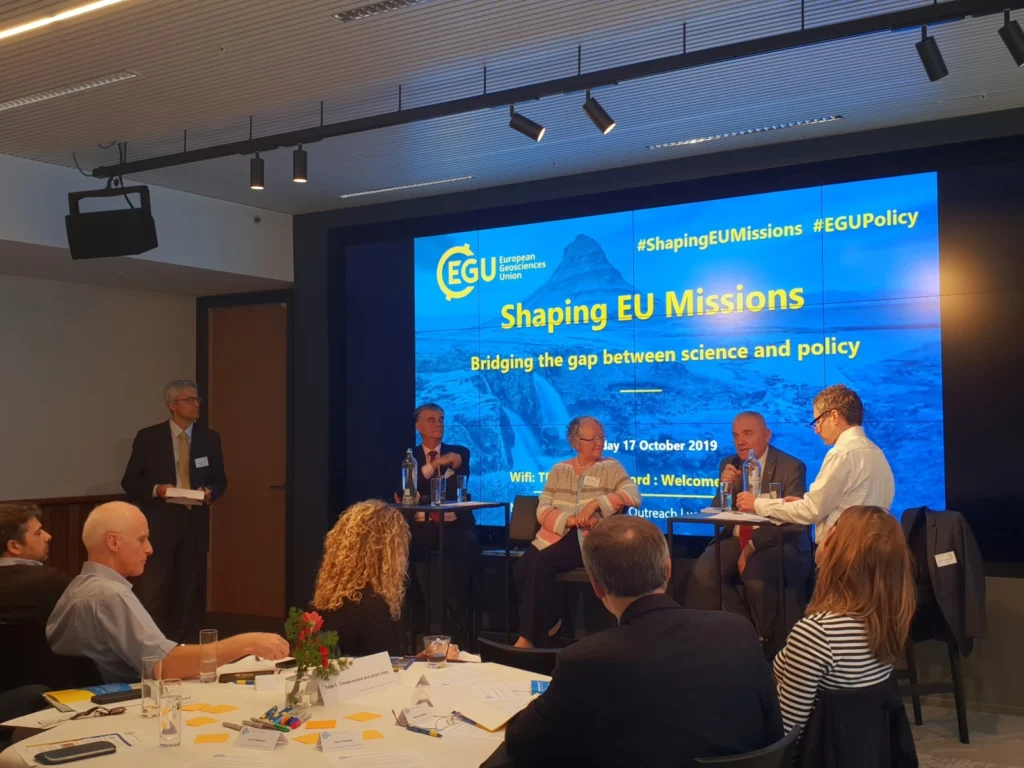
This month’s GeoPolicy Column was written by Alexander Roesner, a researcher at MARUM (the Center for Marine Environmental Sciences) and the winner of the EGU’s 2019 ECS Policy Competition, which provides the winner with funding to attend the EGU’s science-policy event, Shaping EU Missions in Brussels. Roesner outlines his motivation for applying for the competition and reflects on his experience. ...[Read More]
September GeoRoundUp: the best of the Earth sciences from around the web
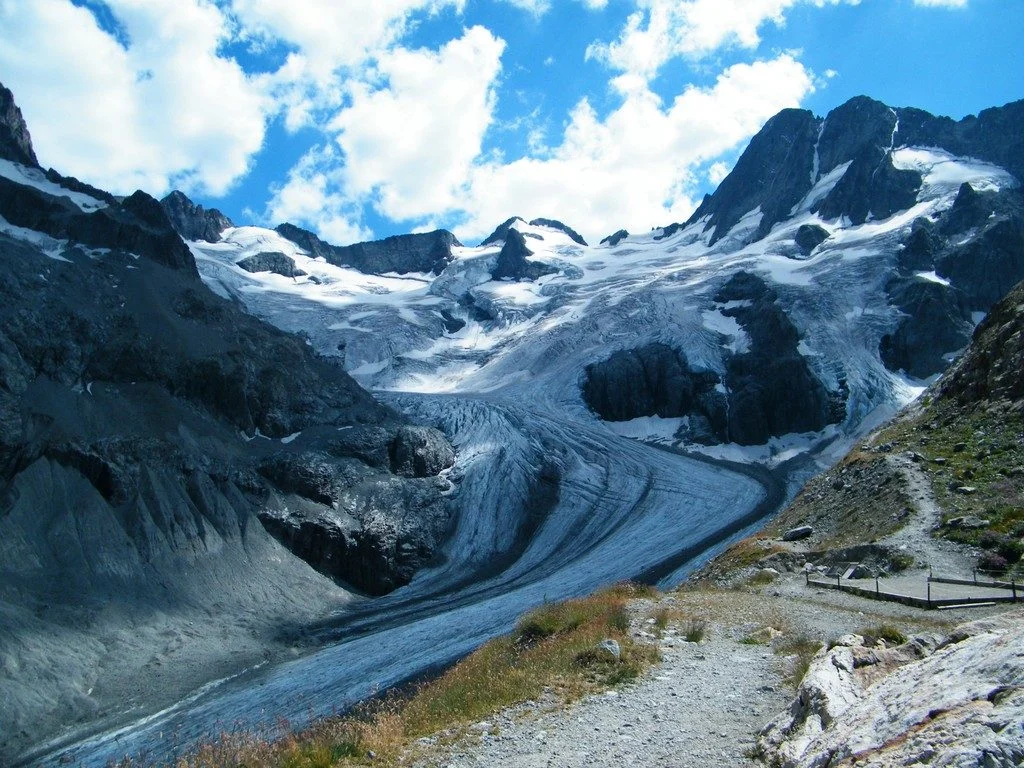
Drawing inspiration from popular stories on our social media channels, major geoscience headlines, as well as unique and quirky research, this monthly column aims to bring you the latest Earth and planetary science news from around the web. Major stories Latest IPCC report puts the oceans and cryosphere in focus Last month the United Nations’ Intergovernmental Panel on Climate Change (IPCC) releas ...[Read More]
Conversations on a century of geoscience in Europe: Part 1
When you think about the last century of geoscience, what comes to mind? Perhaps Alfred Wegener’s theory of continental drift? Or Inge Lehmann’s discovery of Earth’s solid inner core? Over the last 100 years, geoscientists have made incredible contributions to our understanding of the Earth, the solar system, and beyond. The science community has explored uncharted territory, challenged previously ...[Read More]
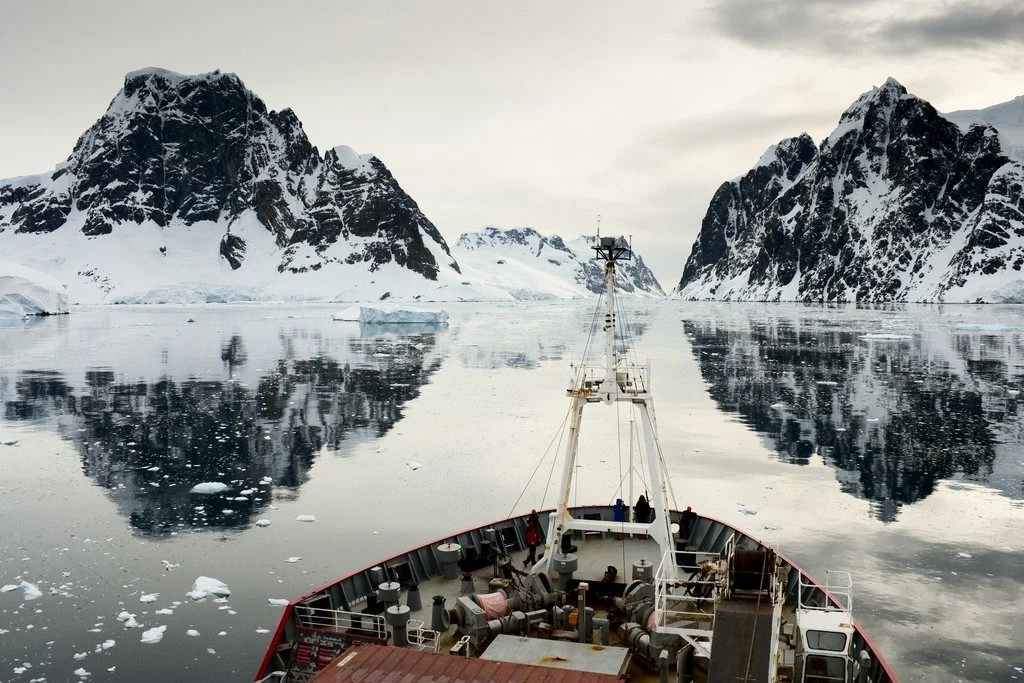
Imaggeo on Mondays: Monitoring Antarctica’s ocean current
This week’s featured image depicts a quiet and still oceanic landscape in Antarctica, but polar scientists are studying how energetic and variable the ocean currents in this part of the world can be. In this picture, the marine research vessel RRS James Clark Ross is making its way through the Lemaire Channel, a small passage off the coast of the Antarctic Peninsula, south of the southernmost tip ...[Read More]
GeoPolicy: What really drives political decision-making?
On July 17 2019, the EU Commission’s Joint Research Centre (JRC) published a report highlighting how thinking is challenged by today’s information environment and the role of evidence-informed policymaking in a well-functioning democracy. Titled Understanding our political nature, the report was produced with the assistance of 60 international experts in the humanities, behavioural and socia ...[Read More]
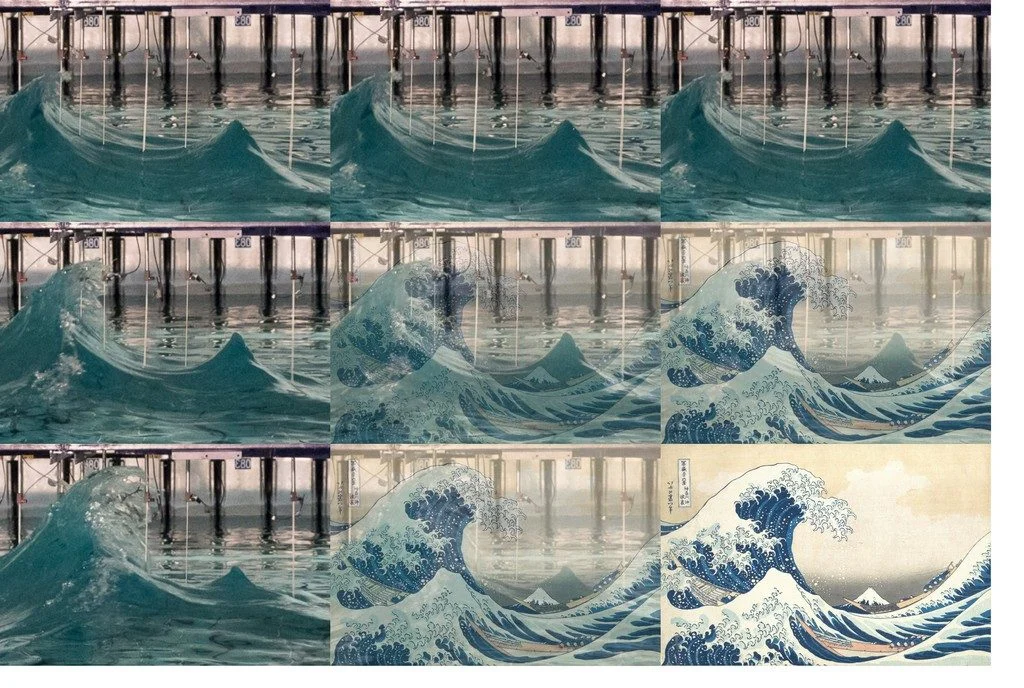
Imaggeo on Mondays: Recreating monster waves in art and science
Featured in this blog post is a collection of images that gives a picture-perfect example of life imitating art. The photos in the left column are three consecutive still frames of a breaking wave that scientists generated in a lab environment at the University of Edinburgh in the UK. The pictures in the centre and right columns show the same wave images, but now superimposed with the famous 19th ...[Read More]
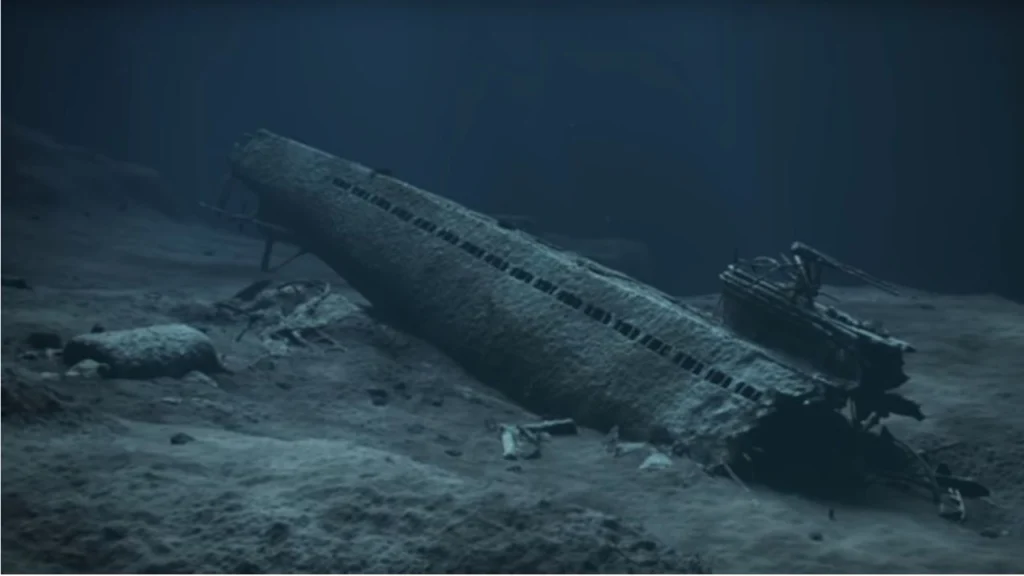
GeoPolicy: Preventing mercury leakage from a WWII submarine
I recently had the opportunity to interview Matthias Kaiser, a professor at Bergen University and, at the time of the interview, Director of the Centre for the Study of the Sciences and the Humanities. He is part of an expert team that has given scientific advice to Norwegian policymakers, highlighting the issues that should be considered when dealing with the U-864 submarine wreckage and its carg ...[Read More]
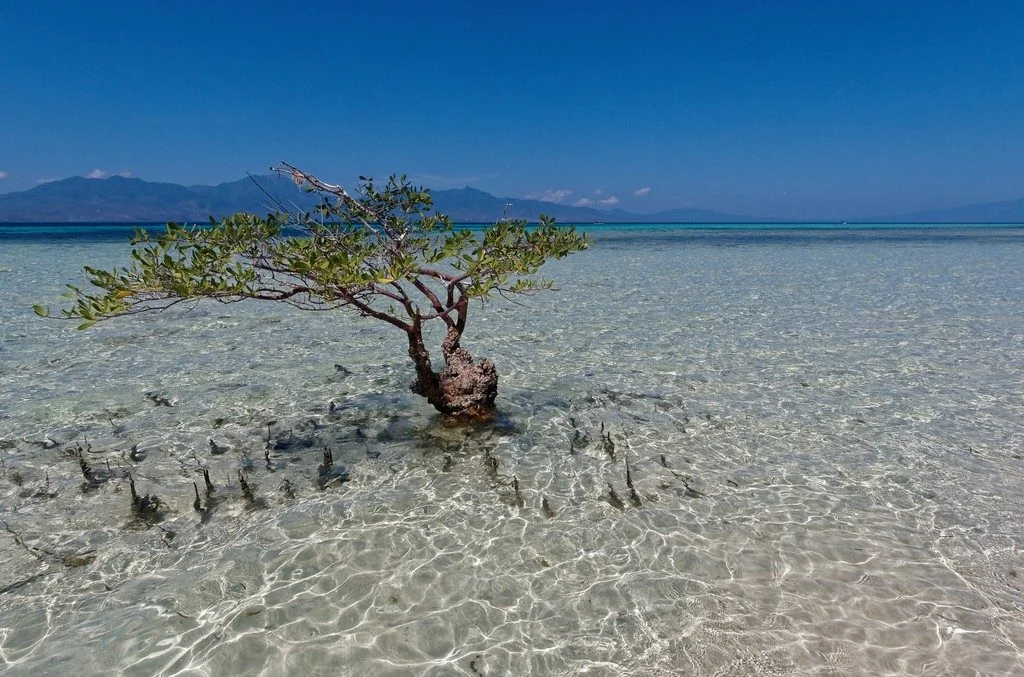
Imaggeo on Mondays: Indonesian mangroves and tsunamis
Pictured here is a solitary mangrove tree, rooted off the northern coast of the Indonesian island Flores. While this tree has the shallow sandy reef to itself, mangroves are often found clumped together in large forests covering tropical and subtropical coastlines. The propped-up roots of mangrove trees often tangle together, creating a dense natural barrier that can weaken the coastal impact of o ...[Read More]
Back for the first time: measuring change at Narrabeen–Collaroy Beach
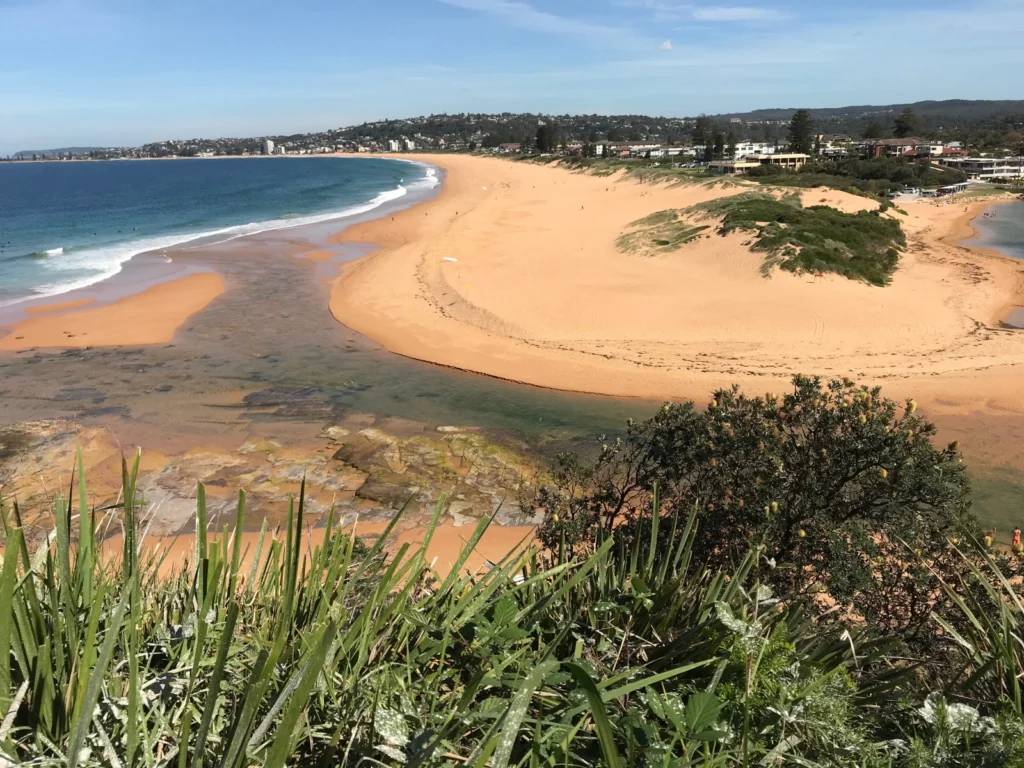
Narrabeen–Collaroy Beach in New South Wales, Australia, just north of Sydney, is home to one of the longest-running shoreline-measurement programmes in the world. With colleagues at the University of New South Wales (UNSW) Sydney, Eli Lazarus, an associate professor in geomorphology at the University of Southampton, UK, has been analysing over 40 years of data from Narrabeen–Collaroy to better und ...[Read More]