GeoLog

Ocean Sciences

The place of Biodiversity in EU Policy
The place of Biodiversity in EU Policy
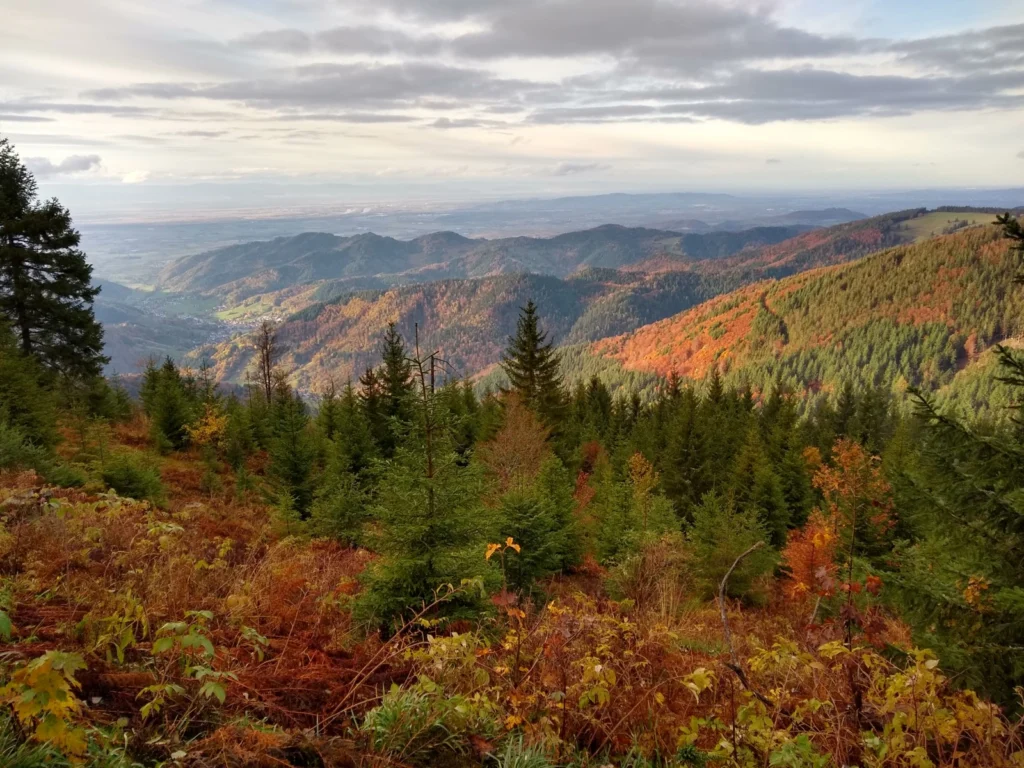
Biodiversity is an essential component of life on Earth and of human society, and is now a primary focus area of the European Union with the EU’s Biodiversity Strategy for 2030 launched in 2020 as part of the European Green Deal. The Biodiversity Strategy has some extremely ambitious targets that will require new legislation and processes in a multitude of different areas that are related to the g ...[Read More]

Imaggeo On Monday: The tree that gave birth to a forest

Imaggeo On Monday: The tree that gave birth to a forest

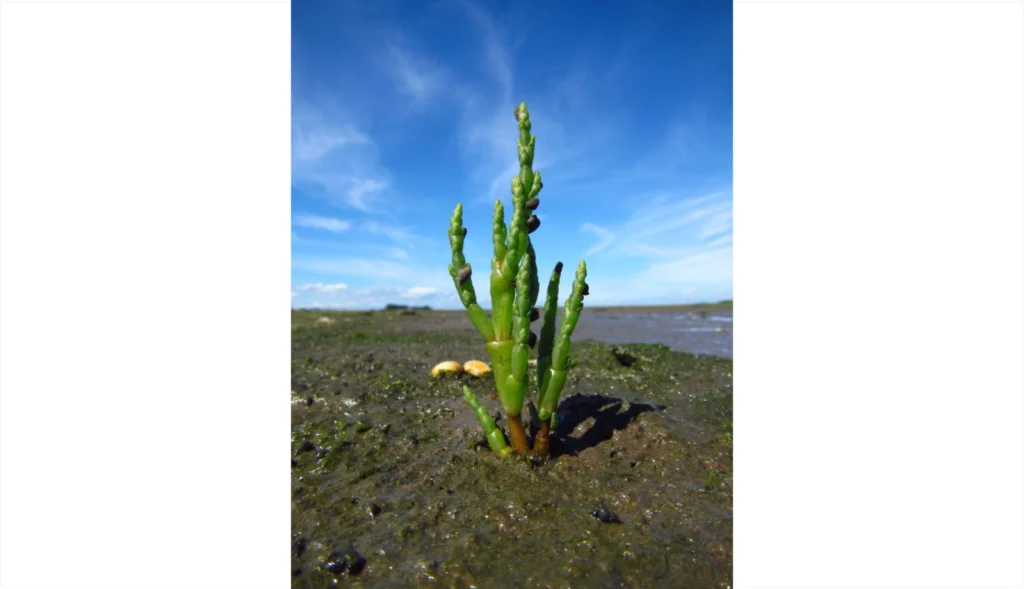
This 10 centimetre giant is a pioneer of marine conquest. All summer, glassworts (Salicornia europaea) will be rhythmically swept by the tide, gradually trapping seaborne sediment on the shores of Aberlady Bay in Scotland. The resulting elevation of the mudflat marks the start of a race of growth against waves, currents and sea level rise, eventually leading to the development of a salt marsh. How ...[Read More]

Imaggeo On Monday: A drift of sea-snail shells

Imaggeo On Monday: A drift of sea-snail shells

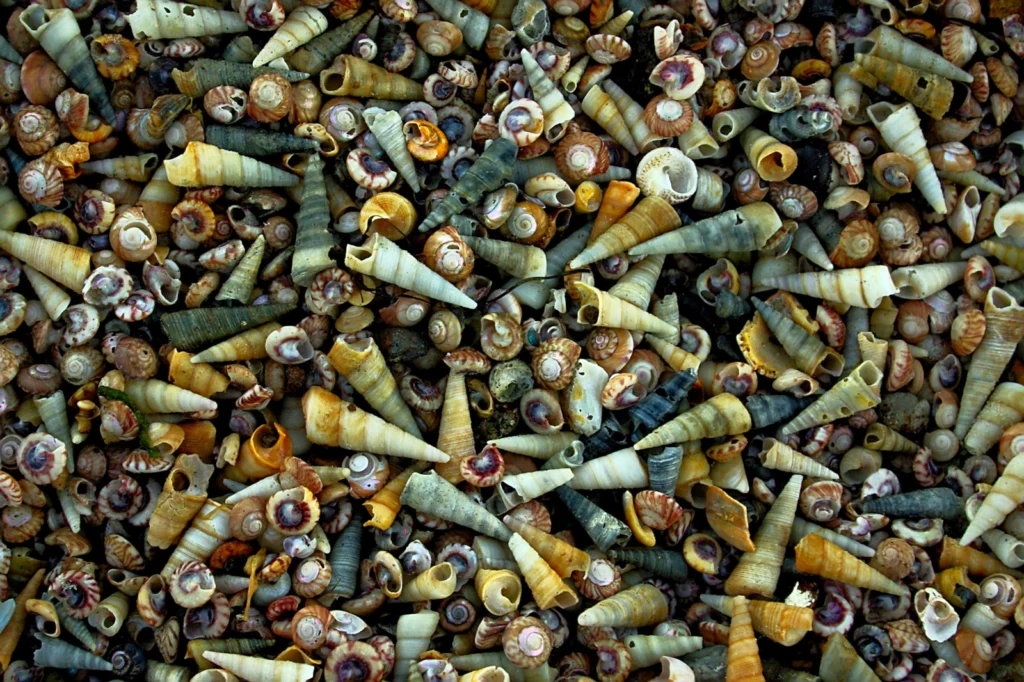
A collection of washed-up shells on a beach on the south island of New Zealand. Shore transport processes have produced a well-sorted drift of similarly sized (approx. 1-2 cm) shells and shell fragments. The main species represented are the common turret shell (Maoricolpus roseus) and wheel shell (Zethalia zelandica), both sea snails endemic to New Zealand.   Description by Pontus Lurcock, af ...[Read More]

Pride on board: working on an ocean-going research vessel as an LGBTQI+ person

Pride on board: working on an ocean-going research vessel as an LGBTQI+ person

Working from home during the pandemic has allowed many of us to look back on past experiences and to long for the days when our work in marine science took us to amazing places all around the world. Pride month is another great opportunity for reflection and to consider how things have changed for us as LGBTQI+ individuals and the community within STEM, including, on the International Day of the S ...[Read More]

Imaggeo On Monday: Giant Australian Cuttlefish in the Spencer Gulf, South Australia

Imaggeo On Monday: Giant Australian Cuttlefish in the Spencer Gulf, South Australia

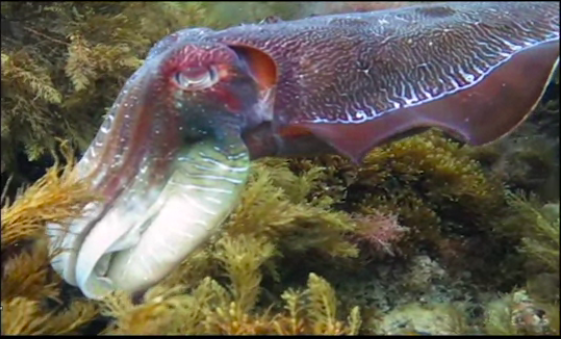
In the shadow of the Santos oil and gas processing plant and export terminal lies the only place in the world where cuttlefish come together by the tens of thousands to mate every winter. The unique geology of the area, with a seafloor composed of bedrock and tabular quartzite blocks, makes for an ideal egg-laying habitat, and thus is an attractive breeding ground for the Australian Giant Cuttlefi ...[Read More]

GeoTalk: Meet Meriel Bittner, the Ocean Science Division’s Early Career Scientist Representative

GeoTalk: Meet Meriel Bittner, the Ocean Science Division’s Early Career Scientist Representative

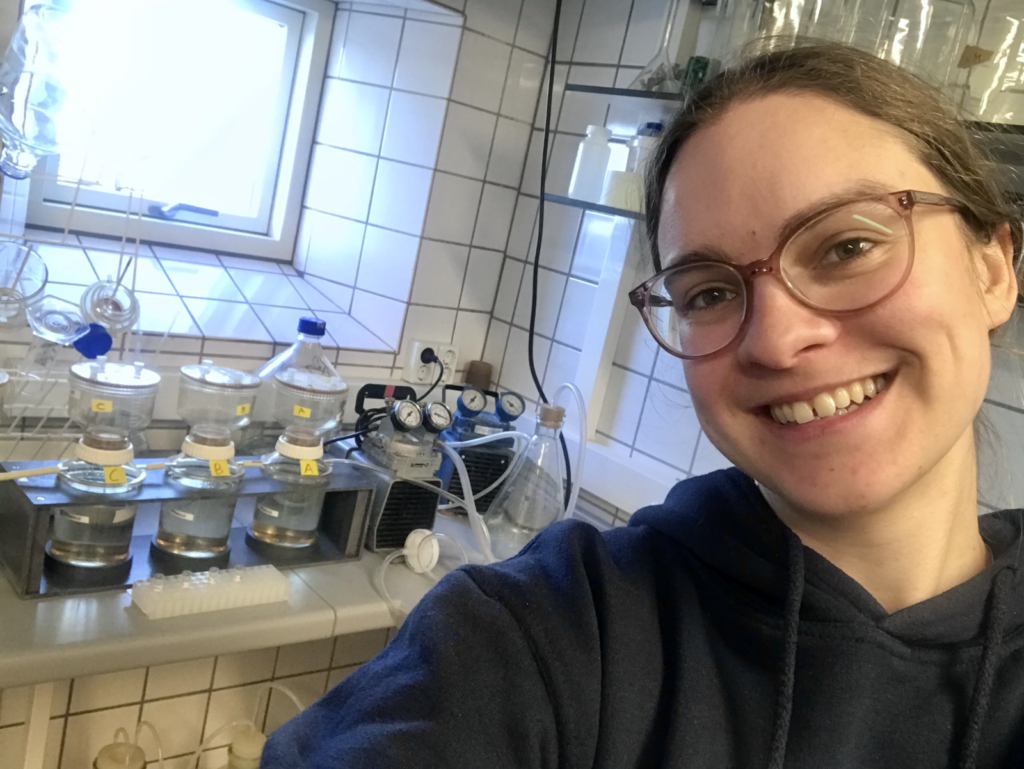
Hello Meriel, thank you for speaking with us today! Could you introduce yourself? My name is Meriel Bittner and I am the Early Career Scientist Representative for the Ocean Sciences (OS) Division of EGU. Currently, I am a PhD fellow at the University of Copenhagen. Originally from Germany, I did my Bachelor and Master at the University of Vienna in Austria, hence I have attended multiple general a ...[Read More]

Imaggeo On Monday: Studying shell morphodynamics to improve climate models

Imaggeo On Monday: Studying shell morphodynamics to improve climate models

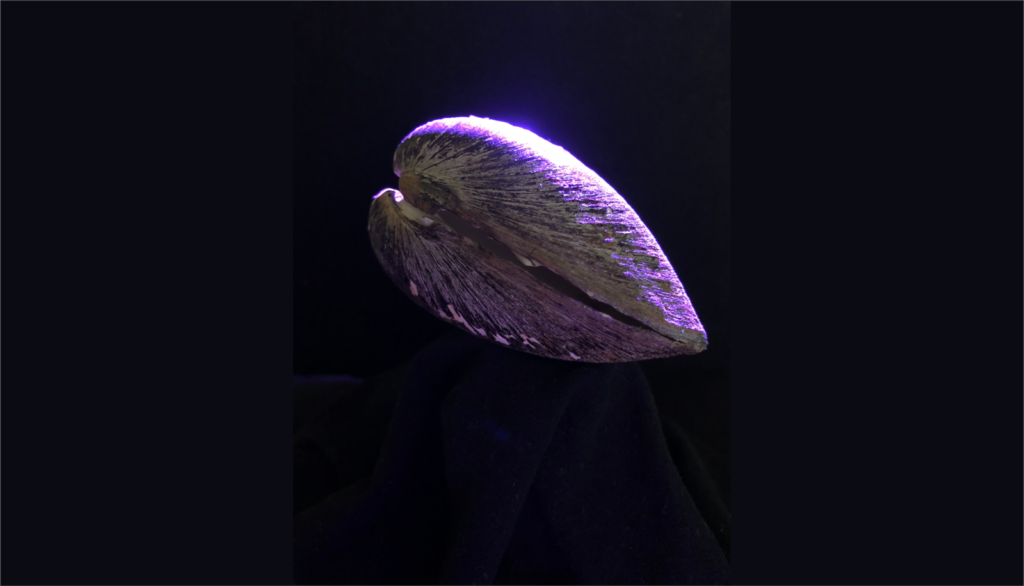
Profile of a specimen of Arctica islandica, one of the longest lived marine bivalves known, undergoing a 3D scan. Their longevity is exploited for reconstruction of climate patterns in the North Atlantic. However, mathematical models of their morphodynamics are necessary to account for bias induced by their asymmetric growth (“morphodynamics” is the study of how an organisms’ gro ...[Read More]

Imaggeo On Monday: Catch the wave hitting on the rocks

Imaggeo On Monday: Catch the wave hitting on the rocks

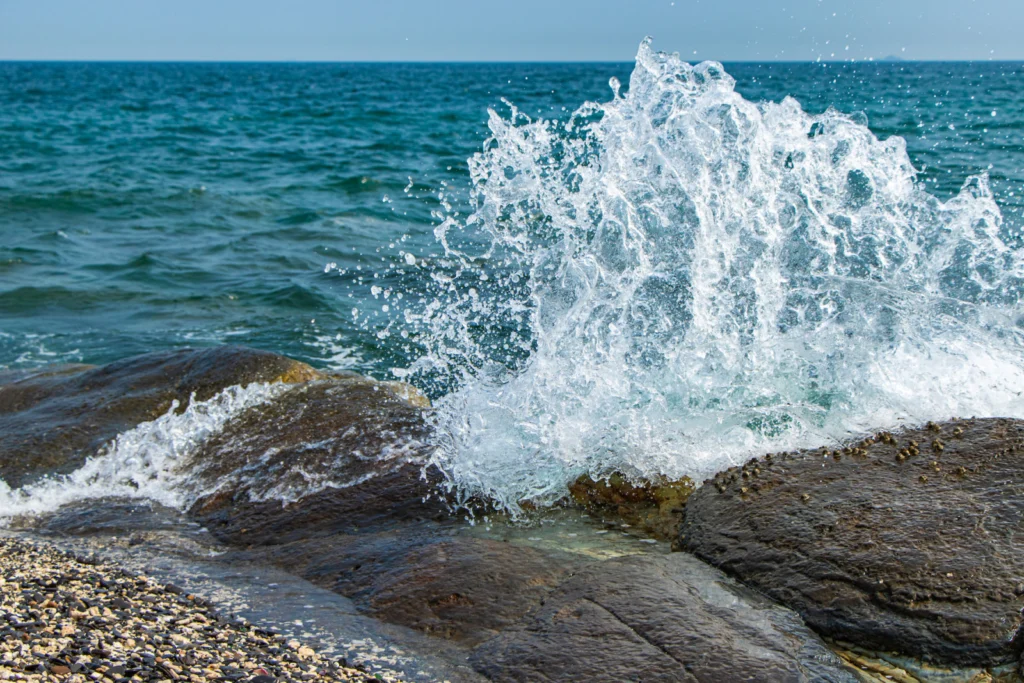
A wave is caught on camera when it hits the rocks on Tung Ping Chau, an offshore island in the northeastern corner of Hong Kong. Tung Ping Chau is unique island in Hong Kong that is mainly made up of sedimentary rock. Weathering and erosion have great impacts on forming the current landscape and geologic features such as wave-cut platforms and sea cliffs on Tung Ping Chau.   Description by An ...[Read More]

GeoPolicy: How to achieve policy impact

GeoPolicy: How to achieve policy impact

Last year, the European Commission’s Joint Research Centre (JRC) published their Science for Policy Handbook that provides advice on how to bring science to the attention of policymakers. The Handbook is divided into 19 Chapters covering different areas of science for policy as well as some of the challenges that scientists face when engaging with policy and potential solutions. This month’s GeoPo ...[Read More]

Winners of the EGU Best Blog Posts of 2020 Competition

Winners of the EGU Best Blog Posts of 2020 Competition

2020 was a brilliant year for our blogging network here at EGU. Across the EGU’s official blog, GeoLog, as well as the network and division blogs there were so many interesting, educational and just downright entertaining posts this year it was hard to get the blog editors to choose their favourites! Nevertheless at the beginning of January, to celebrate the excellent display of science writing ac ...[Read More]