This blog post features an interview with Petra Fagerholm who is currently leading the team on public relations and outreach in the communications department of the European Environment Agency (EEA). Petra gave a presentation about the EEA during the Science for Policy short course at the 2018 EGU General Assembly. In this interview, Petra describes her career path, what it is like to work at the ...[Read More]
Ocean Sciences
GeoPolicy: ESOF – putting scientists & policymakers in the same room!
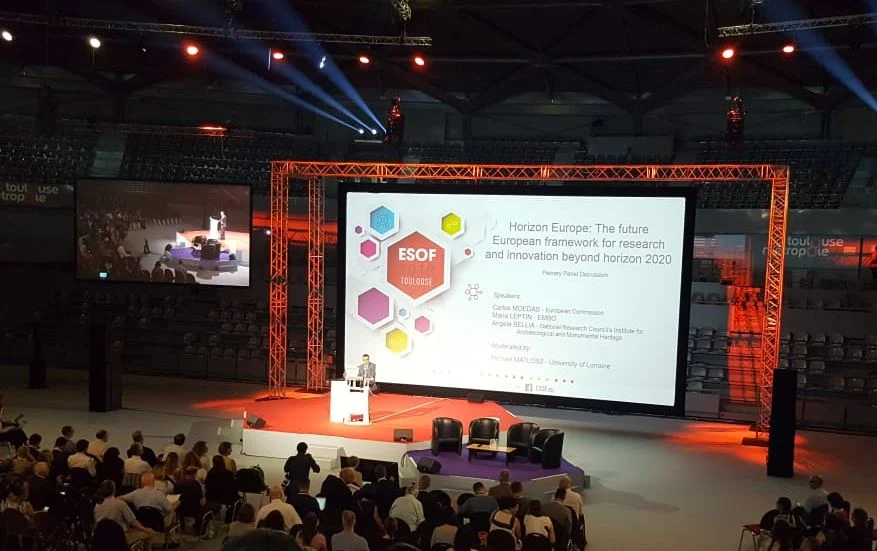
The EuroScience Open Forum (ESOF), the largest interdisciplinary science meeting in Europe, was held earlier this month in Toulouse, France and attracted scientists and policymakers from across the globe. Held every second year, ESOF provides an interface between science, policy and society. This year was my first ESOF. I attended as the EGU Policy Officer and was able to actively participate in a ...[Read More]
GeoTalk: A new view on how ocean currents move
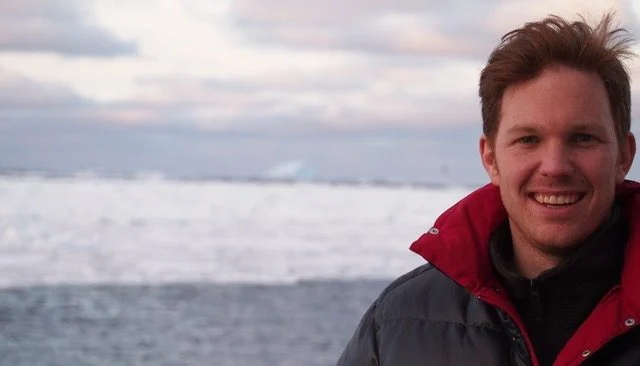
Geotalk is a regular feature highlighting early career researchers and their work. In this interview we speak to Jan Zika, an oceanographer at the University of New South Wales in Sydney, Australia. This year he was recognized for his contributions to ocean dynamics research as the winner of the 2018 Ocean Sciences Division Outstanding Early Career Scientists Award. First, could you introduce your ...[Read More]
Top ten tourist beaches threatened by tsunamis
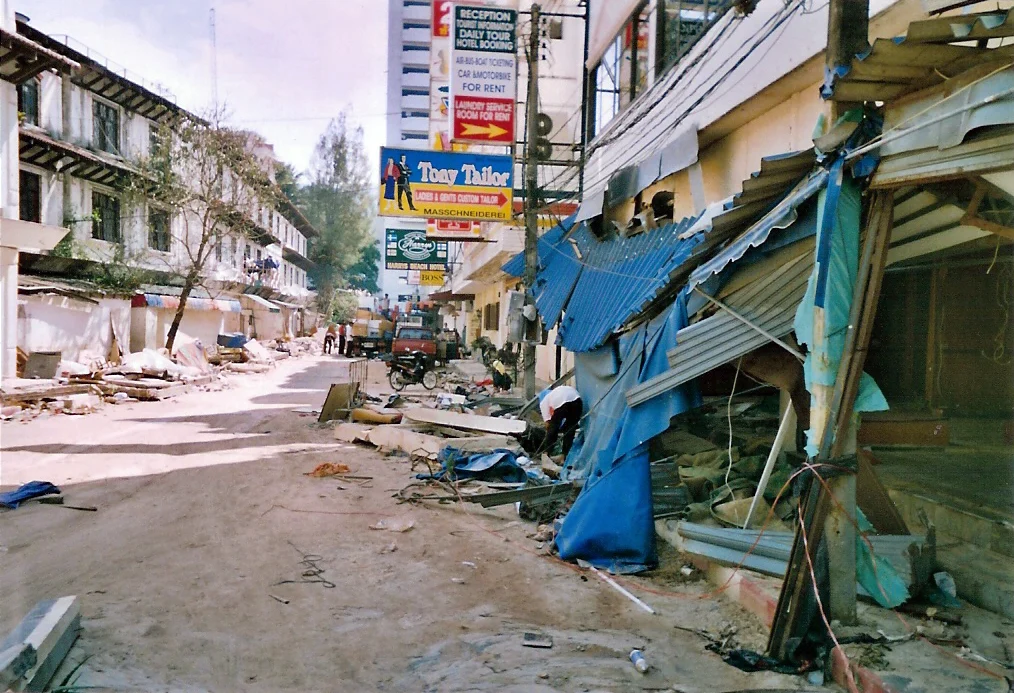
December 2004 saw one of the deadliest natural disasters in recorded history. 228,000 people were killed when an earthquake off the coast of the Indonesian island of Sumatra triggered tsunami waves up to 30 m high. The destruction was extreme as the waves hit 14 different countries around the Indian Ocean. Economic losses totalled over 10 billion US dollars. The tourism industry in particular suff ...[Read More]
Plate Tectonics and Ocean Drilling – Fifty Years On
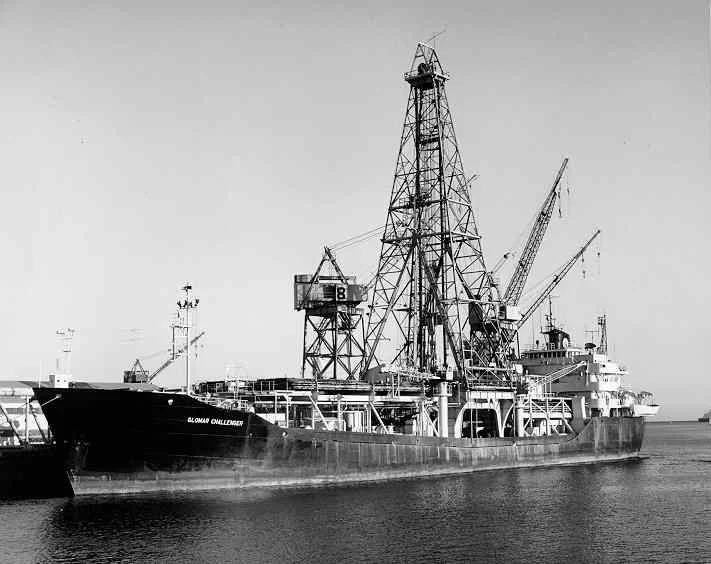
What does it take to get a scientific theory accepted? Hard facts? A strong personality? Grit and determination? For many Earth Scientists today it can be hard to imagine the academic landscape before the advent of plate tectonics. But it was only fifty years ago that the theory really became cemented as scientific consensus. And the clinching evidence was found in the oceans. Alfred Wegener had p ...[Read More]
Underwater robot shares ocean secrets
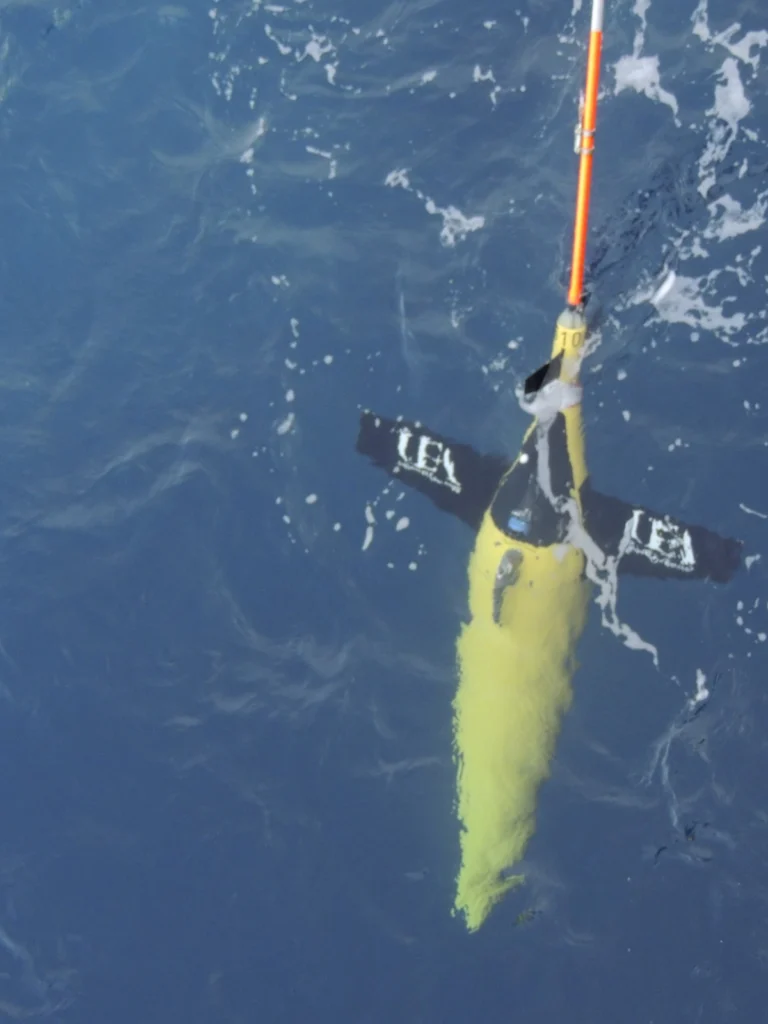
Buoyancy-driven drones are helping scientists paint a picture of the ocean with sound. Around the world, silent marine robots are eavesdropping on the ocean and its inhabitants. The robots can travel 1000 metres beneath the surface and cover thousands of kilometres in a single trip, listening in on the ocean as they go. These bright yellow bots, known as Seagliders, are about the size of a diver, ...[Read More]
Imaggeo on Mondays: Iceberg viewing in Cape Spear, Newfoundland, Canada
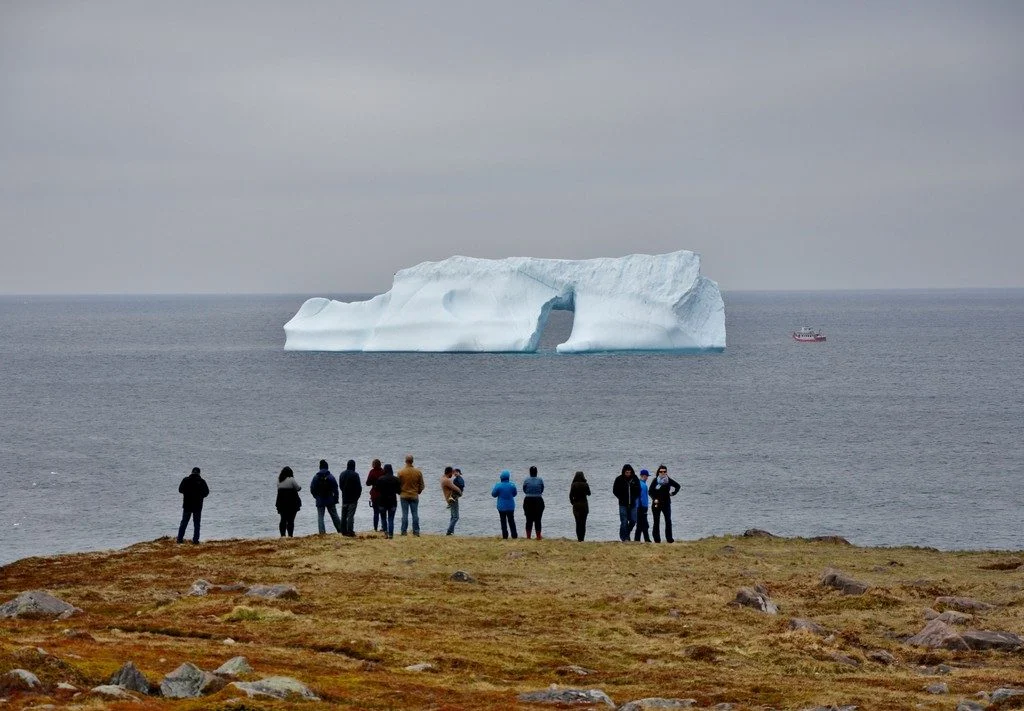
Cape Spear in Newfoundland, Canada is the easternmost location in North America and one of the few places in the world where you can contemplate icebergs from the shore. Every year, about 400 to 800 bergs journey down to this particular point. These 10,000-year-old ice giants drift along the northern shore of Newfoundland with the Labrador Current. About 90 percent of these icebergs come from west ...[Read More]
Geopolicy: Combating plastic pollution – research, engagement and the EU Plastic Strategy
Awareness around the prevalence of plastic pollution, particularly in our oceans, has been growing over the last few years. This is not surprising considering that plastic production has surged from 15 million tonnes in 1964 to 311 million tonnes in 2014 and models have shown that this number will double again within the next 20 years in a business as usual scenario. Furthermore, research conducte ...[Read More]
Imaggeo on Mondays: Robberg Peninsula – a home of seals
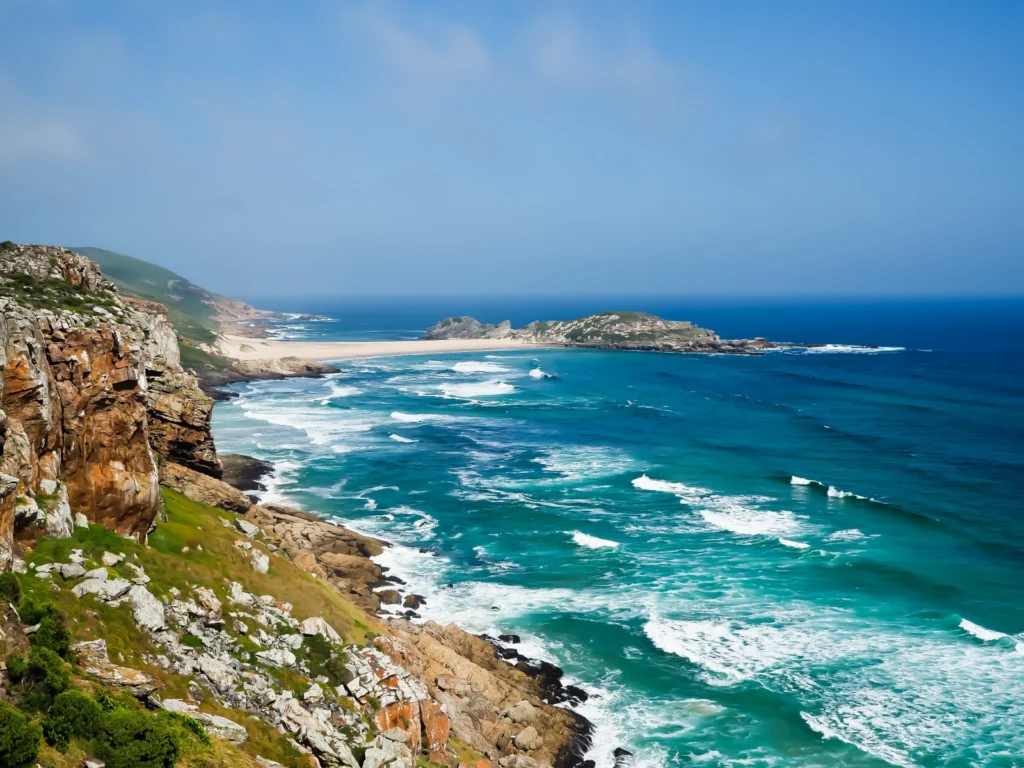
This picture is taken from the Robberg Peninsula, one of the most beautiful places, and definitely one of my favorite places in South Africa. The Peninsula forms the Robberg Nature Reserve and is situated close to the Plettenberg Bay on the picturesque Garden Route. “Rob” in Dutch means “seal”, so the name of the Peninsula is translated as “the seal mountain”. T ...[Read More]
GeoTalk: Eleanor Frajka-Williams, the 2017 Ocean Sciences Division Outstanding Early Career Scientists Awardee
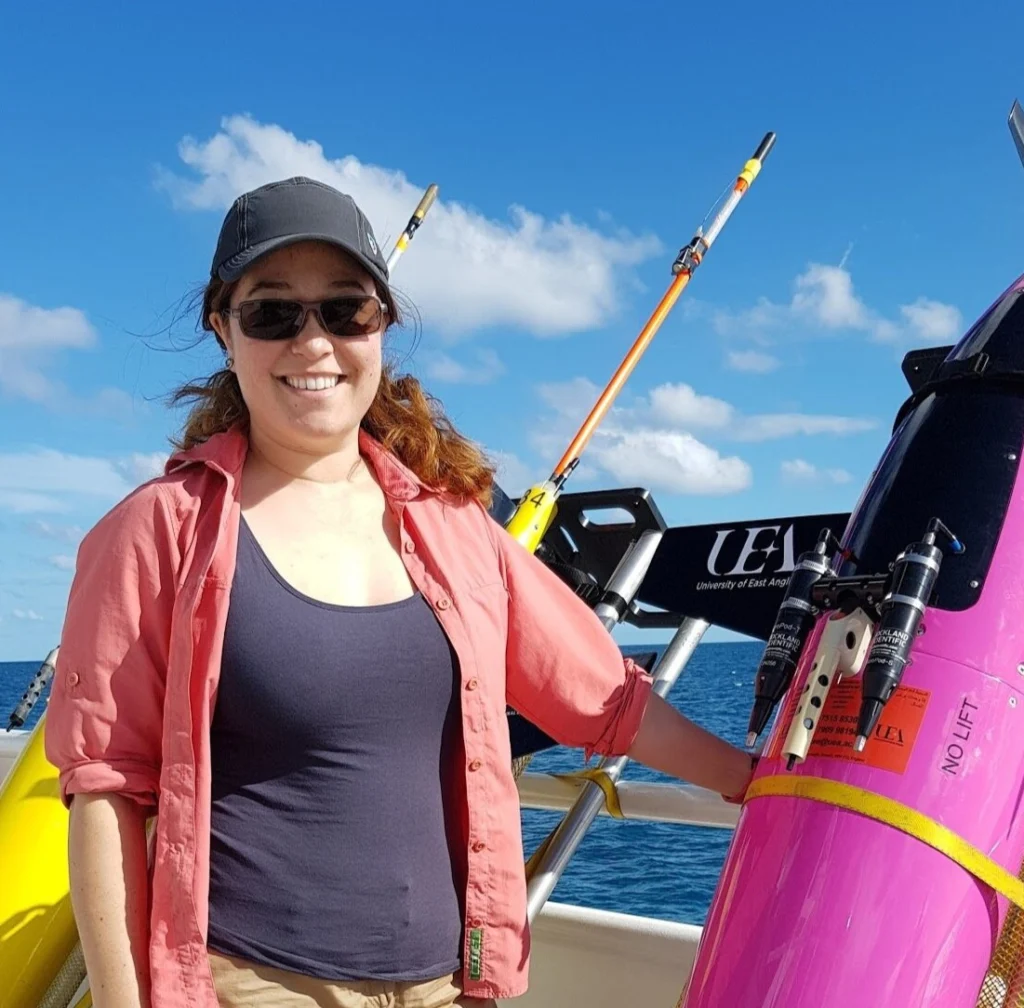
Geotalk is a regular feature highlighting early career researchers and their work. Following the EGU General Assembly, we spoke to Eleanor Frajka-Williams, the 2017 Ocean Sciences Division Outstanding Early Career Scientists awardee. In her work, Eleanor uses real-world measurements – from ships, satellites, sea gliders and moorings – to understand how the world’s oceans work. In today ...[Read More]