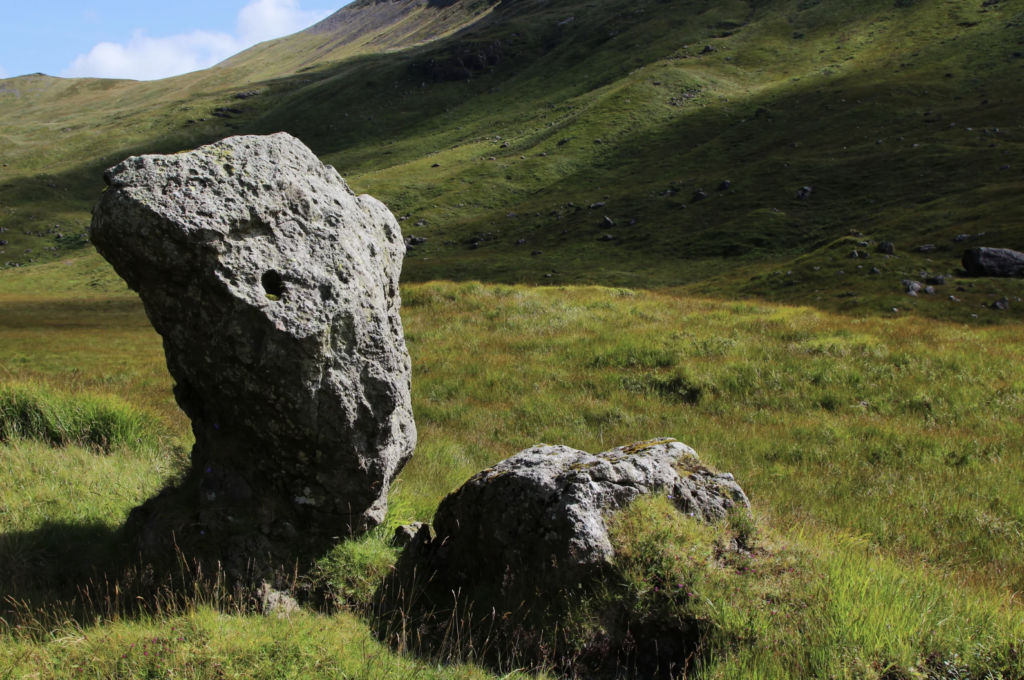
Glen More, on the Isle of Mull, Scotland, is a classic locality for studying glacial landforms and sediments. Here, two prominent ice-transported boulders stand guard at the head of the valley, left behind after the Loch Lomond Readvance (Younger Dryas stade), the final pulse of Quaternary glaciation in Scotland. Behind them in the characteristic U-shaped valley, hummocky morraines are littered wi ...[Read More]
Geomorphology
Taking the pulse of an extreme landscape
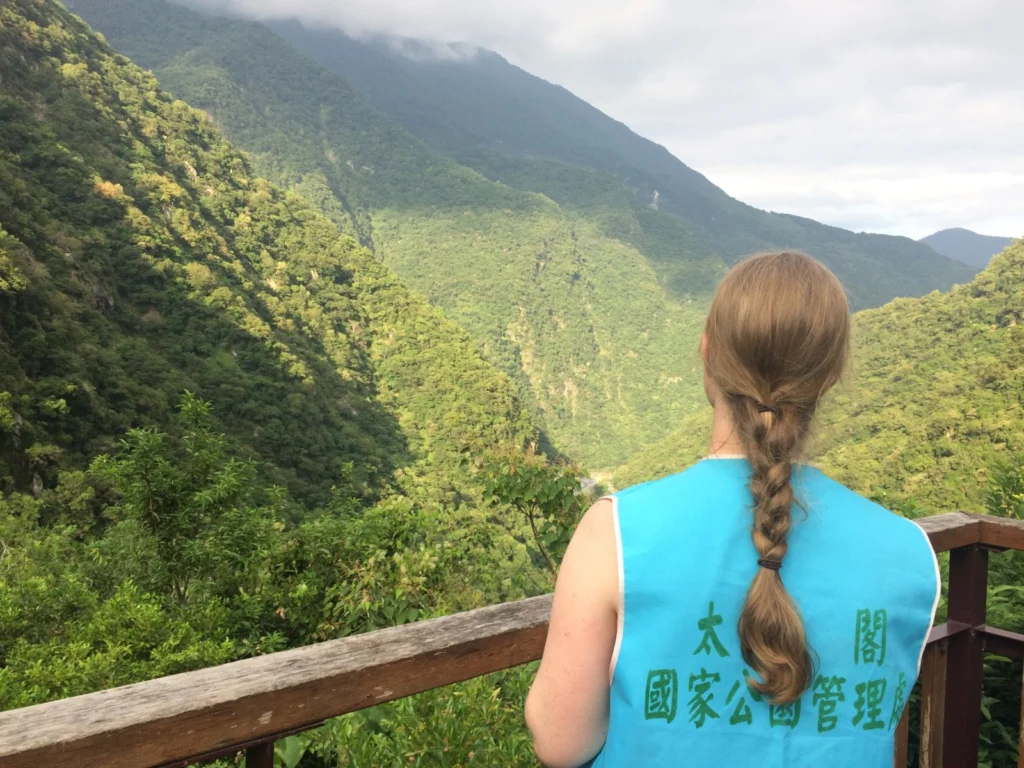
Welcome to Taroko National Park. Would you like to borrow a safety helmet? In this precipitously steep landscape, covering one’s head is strongly encouraged. Rockfalls and landslides, triggered by frequent seismic activity and torrential rainfall, are mainstays in Taiwan’s preeminent national park. Evidence of this mass-wasting is everywhere: roadways are littered with fallen rocks, boulders choke ...[Read More]
Imaggeo on Mondays: Great sand dunes and beyond
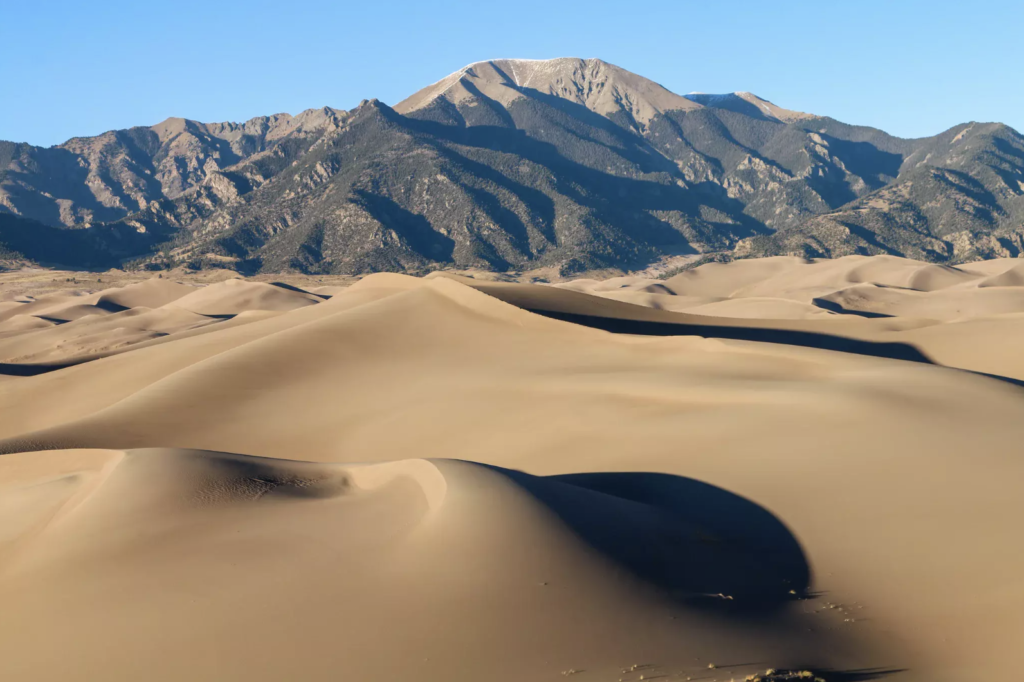
Driving eastwards through the San Luis Valley in south central Colorado, United States, the Great Sand Dunes emerge at the foot of the Sangre de Cristo Range in the northeast of the region’s upland plain. The origin story of these great dunes begins during a time of glacial melt, five to three million years ago, when the rivers of the surrounding mountains filled the basin with water and sediments ...[Read More]
Imaggeo on Mondays: Civita di Bagnoregio – the dying town
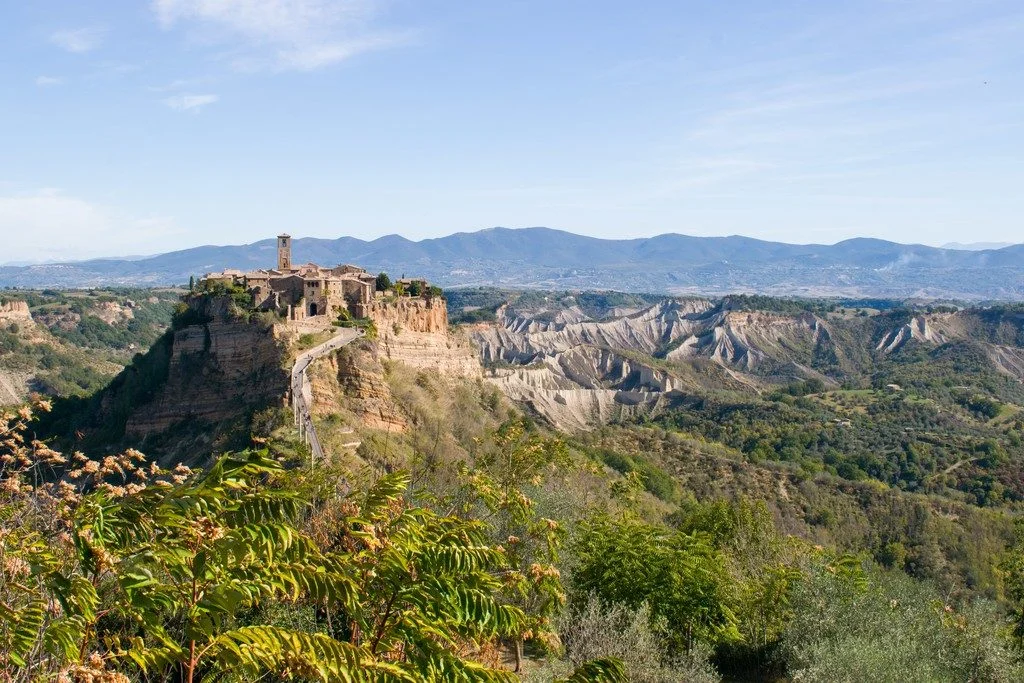
On top of a steep cliff standing out from the surrounding countryside, lies the small town of Civita di Bagnoregio, one of the most famous villages of Italy. It is often called the dying town, although more recently people have started to refer to it as fighting to live. What this little town is fighting against is the threat of erosion, as its walls are slowly crumbling down. Located in central I ...[Read More]
How extreme events impact Earth’s surface: reports from the 6th EGU Galileo conference
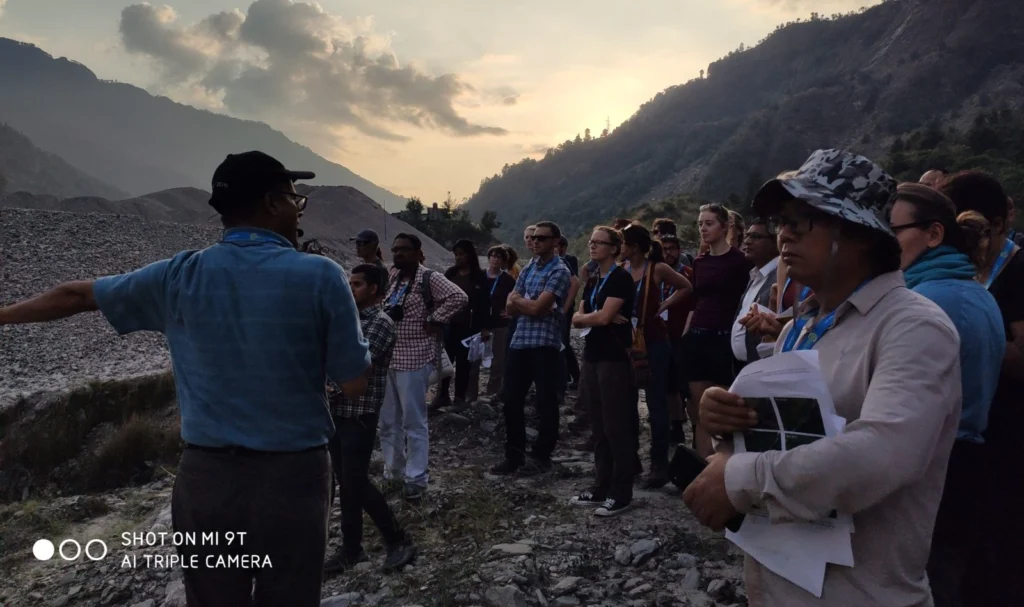
Throughout the year, EGU hosts a number of meetings, workshops, and conferences for the geoscience community. While the EGU’s annual General Assembly brings more than 15,000 scientists together under one roof, the EGU Galileo Conferences allows a smaller number of scientists to discuss and debate issues at the forefront of their discipline. In this blog post, the organisers of the 6th Galileo Conf ...[Read More]
Geosciences Column: Taking a Breath of the Wild – are geoscientists more effective than non-geoscientists in determining whether video game world landscapes are realistic?
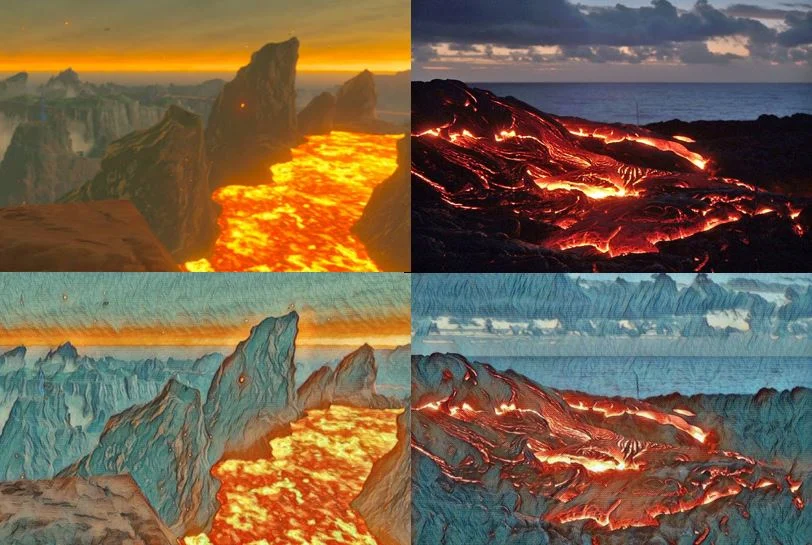
For years, geoscientists have been both fascinated and perplexed by the beautiful (yet often inaccurate) landscapes present in several video games. But are people with a geoscientific education better at telling ‘fake’ natural features from real ones? Rolf Hut, an assistant professor at Delft University of Technology in the Netherlands, and his colleagues sought to answer this question in a new st ...[Read More]
Imaggeo on Mondays: A walk at the glacier
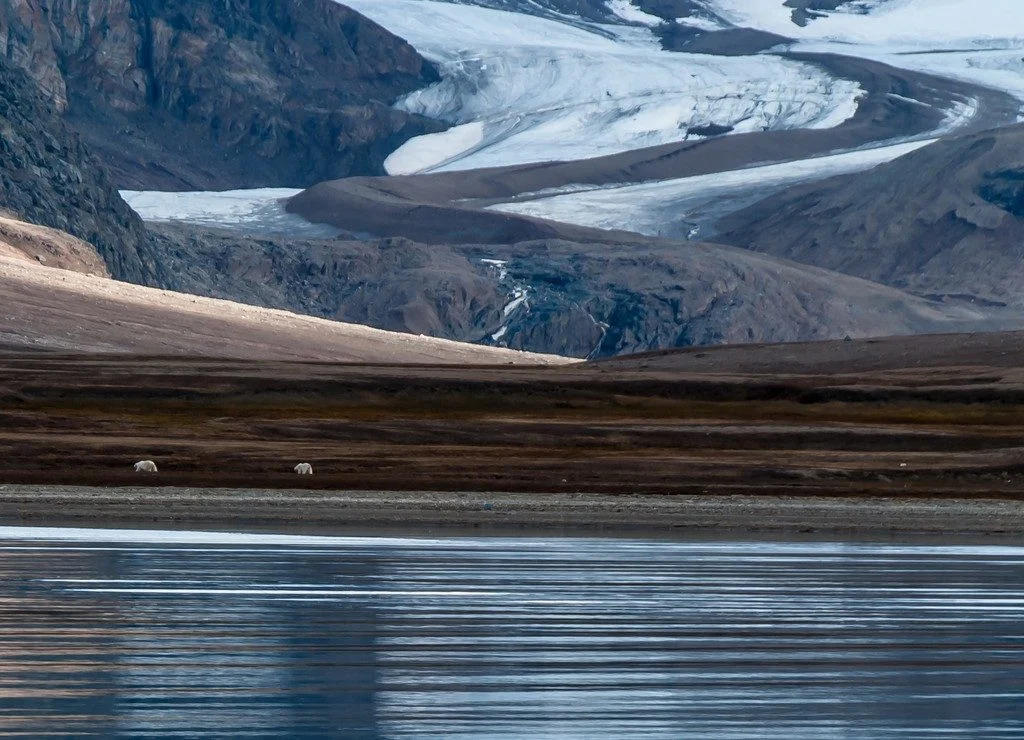
In 2012 I had the opportunity to help lead a teaching excursion to the Norwegian archipelago Svalbard. On this trip, geography students from the Ruhr-University of Bochum in Germany had the chance to learn more about the nature of this fascinating island. In addition to Svalbard’s climatology and the wildlife, the region’s glaciology and geomorphology were the main topics we focused on. For exampl ...[Read More]
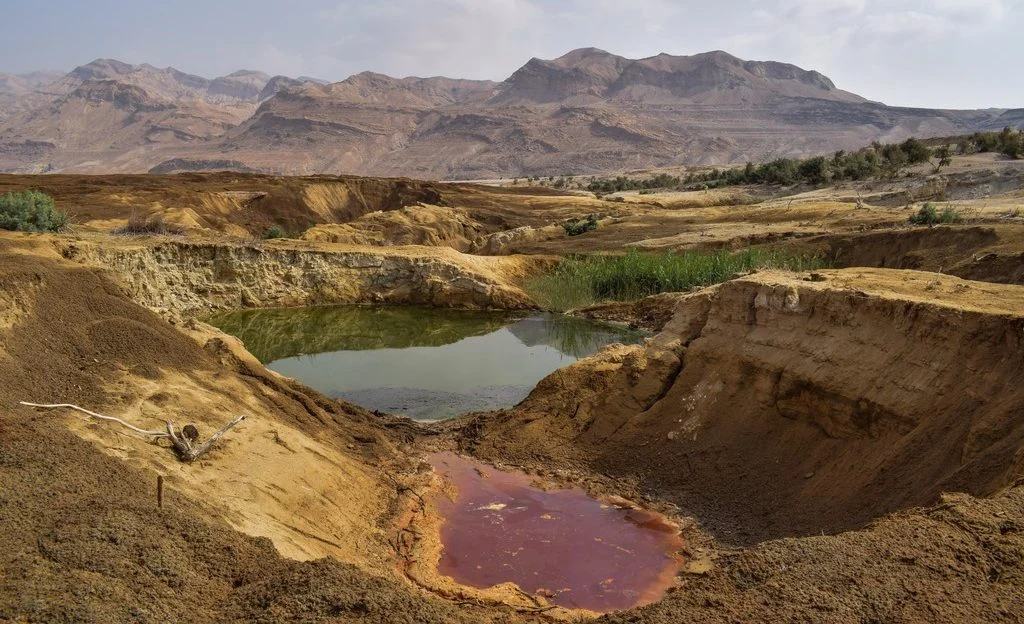
Imaggeo on Mondays: The colourful sinkhole clusters at Ghor Al-Haditha
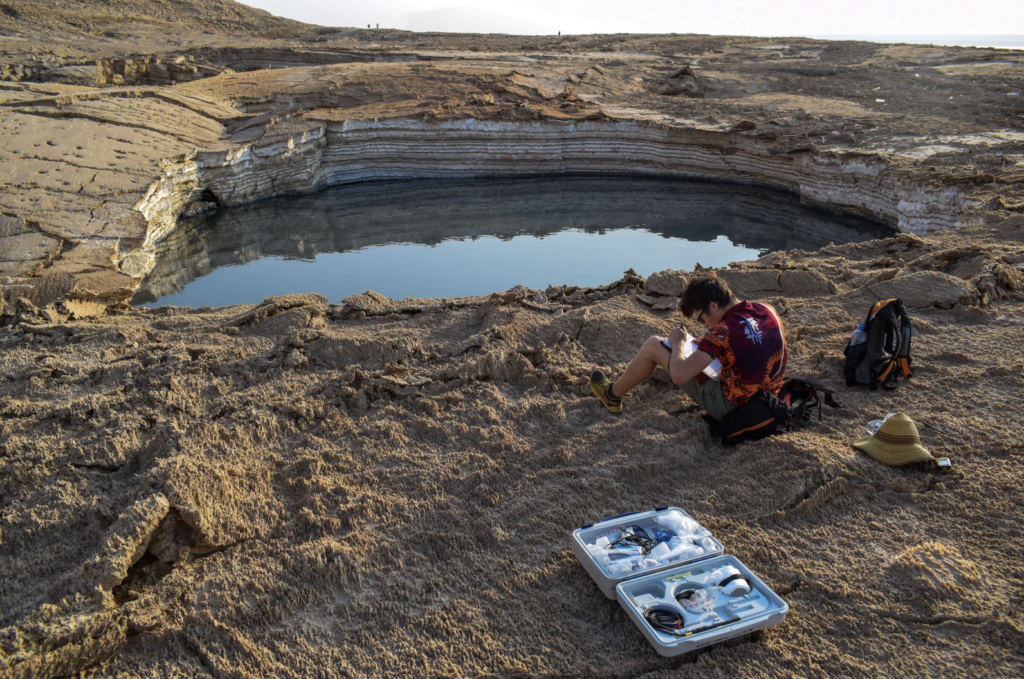
Sinkholes that form on the Dead Sea shore at Ghor Al-Haditha, Jordan, often occur in clusters, with many holes packed into a small area. However the visual appearance of neighbouring sinkholes can vary significantly. Mineral precipitation in the foremost sinkhole in this picture, which has no fresh water supply, gives it a garish pink-orange colouration. The larger hole behind has a groundwater-de ...[Read More]
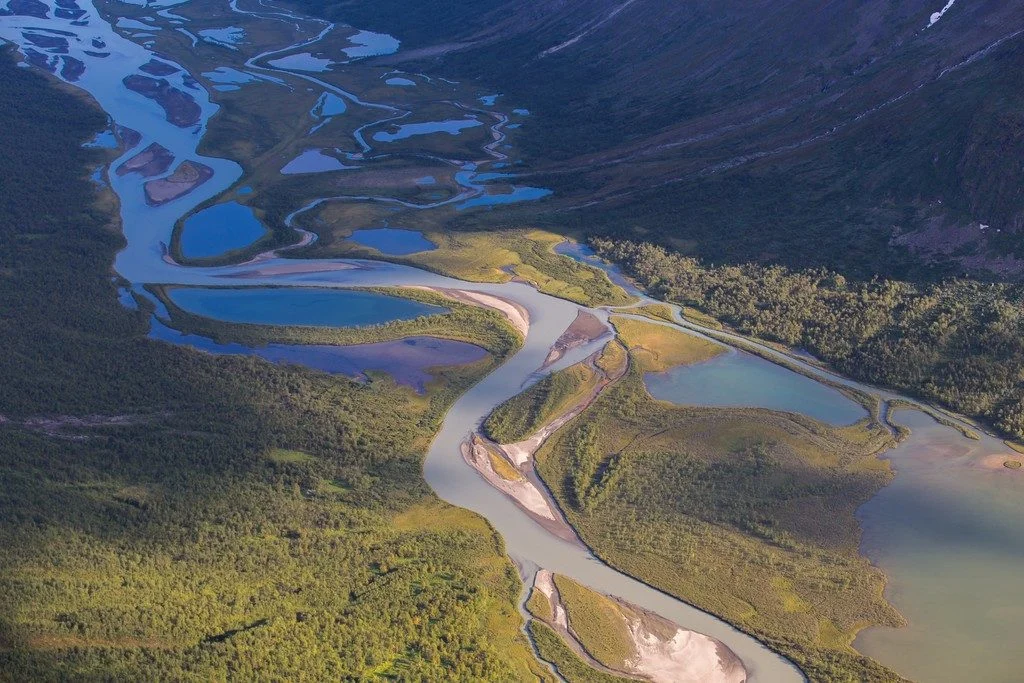
Imaggeo on Mondays: A lifeline between light and shadow
The Rapaälven making its way through the Rapadalen valley in Northern Sweden. After over a week of hiking through pure wilderness I reached the summit of Skierffe together with three friends. We were just blown away by the view and completely in awe for the beautiful shape of the rivers course… little lakes in between river channels of different sizes as well as dense vegetation forming a ha ...[Read More]
Imaggeo on Mondays: how short-term storms can impact our landscapes
In the Sierra de Aconquija, a mountain range in the southern Central Andes of Argentina, strong storms often come and go at a moment’s notice, but they can have a long-lasting impact on the Earth’s surface. The thunderstorm cell featured in this photo formed in less than half an hour, giving all those nearby only a few minutes to take cover. Mitch D’Arcy, a geomorphologist and postdoctoral researc ...[Read More]