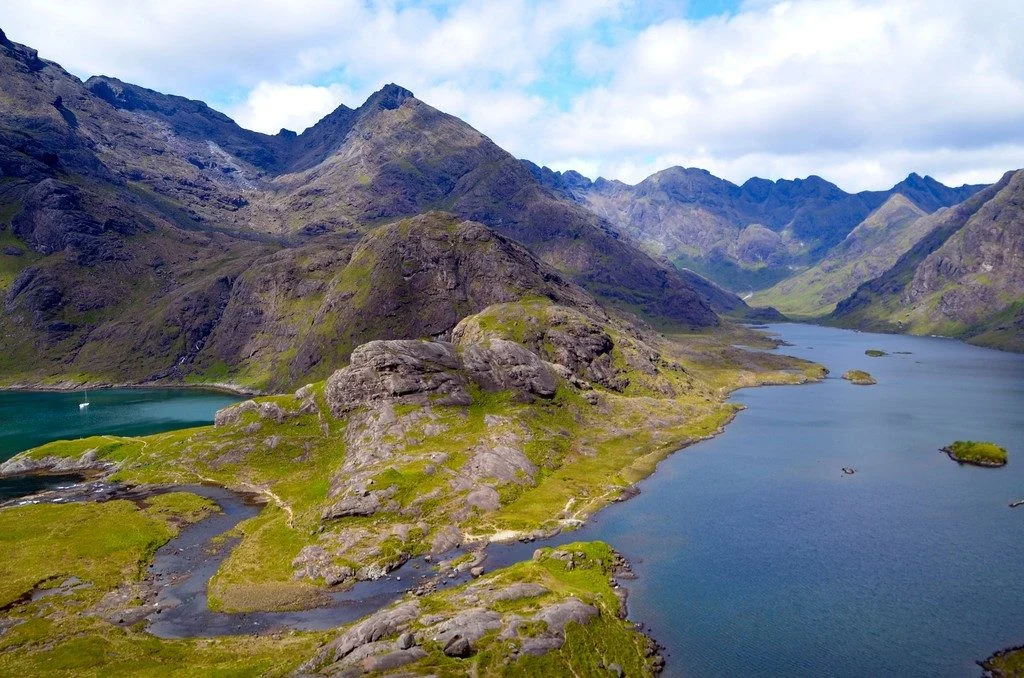
On the south-western coast of the Isle of Skye, Scotland, lies Loch Coruisk, supposedly home of a water horse. At the southern end of this freshwater Loch, the Scavaig River discharges into a sea Loch, Loch na Cuilce. Loch Coruisk snuggles close to the center of the Cuillin Hills complex, younger than both the northern and southern formations of the Isle. At present, the neighbouring hills are dom ...[Read More]
Geomorphology
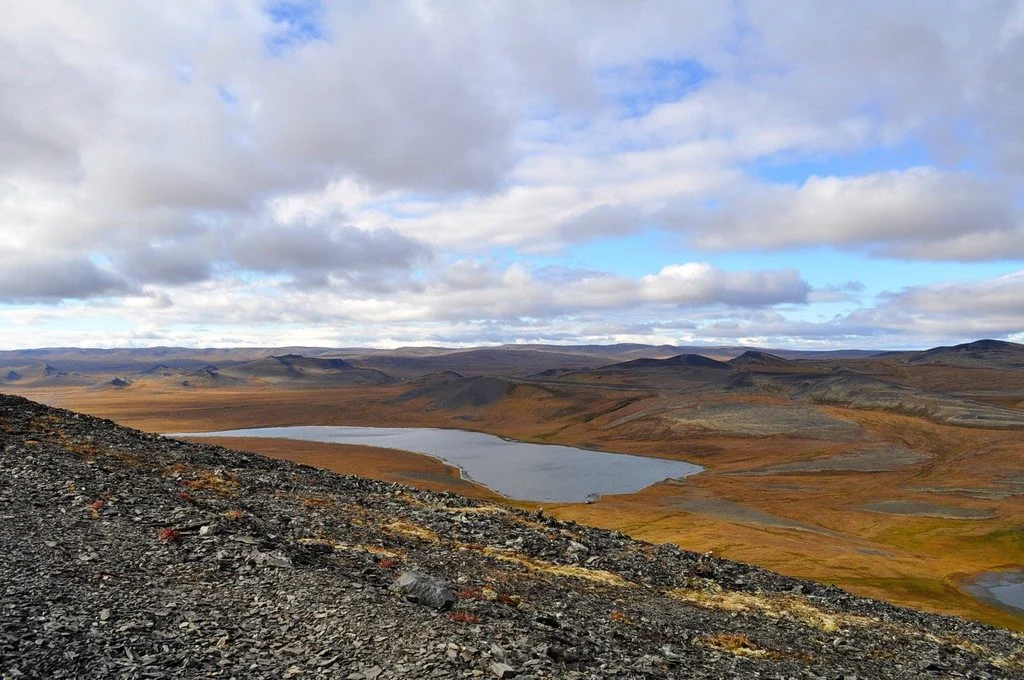
Imaggeo on Mondays: The surprising beauty of the Arctic tundra
Close your eyes and try to imagine first thing which comes to your mind, when somebody says “Tundra”. What would you imagine? Being a master student, I imagined cold, flat and a dead field. In fact, Tundra turn out to be completely different, at least in September 2010, when I and my colleagues were lucky to visit it. As it is well known from textbooks no big trees grows in Tundra, how ...[Read More]
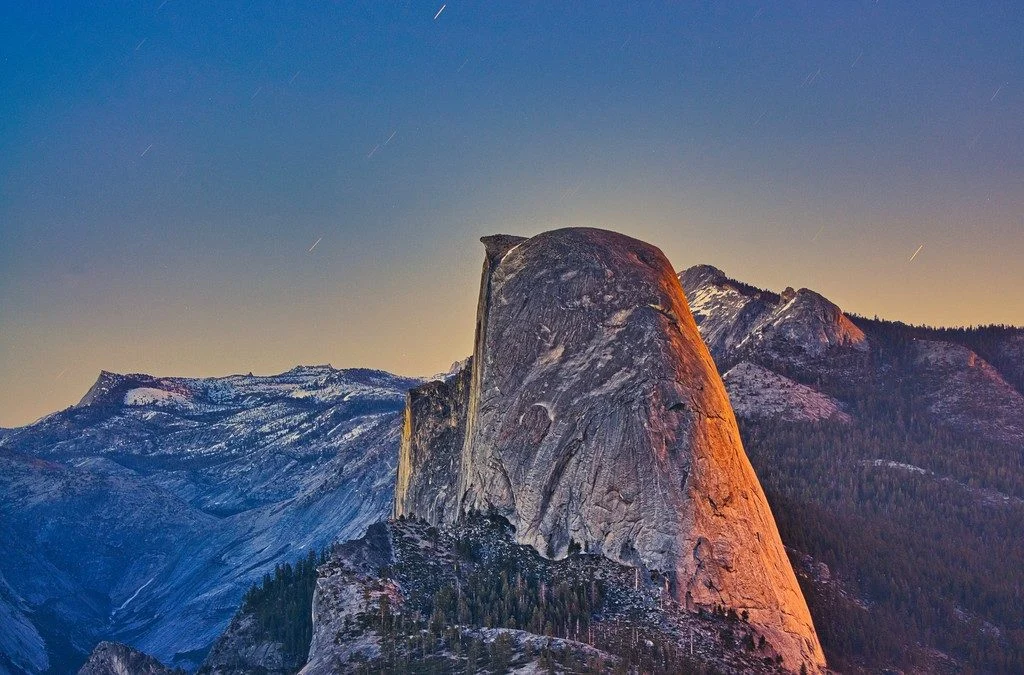
Imaggeo on Mondays: Sunset and moonrise at Yosemite
This side view of Half Dome at Yosemite National Park (California, USA) was taken from Washburn Point, a less frequented overlook a few hundred meters away from the popular Glacier Point outlook. The sun just on the right side behind the camera, which gave the orange tint to the back side of Half Dome. At the same time a full moon was mere minutes from bursting in the background, which resulted in ...[Read More]
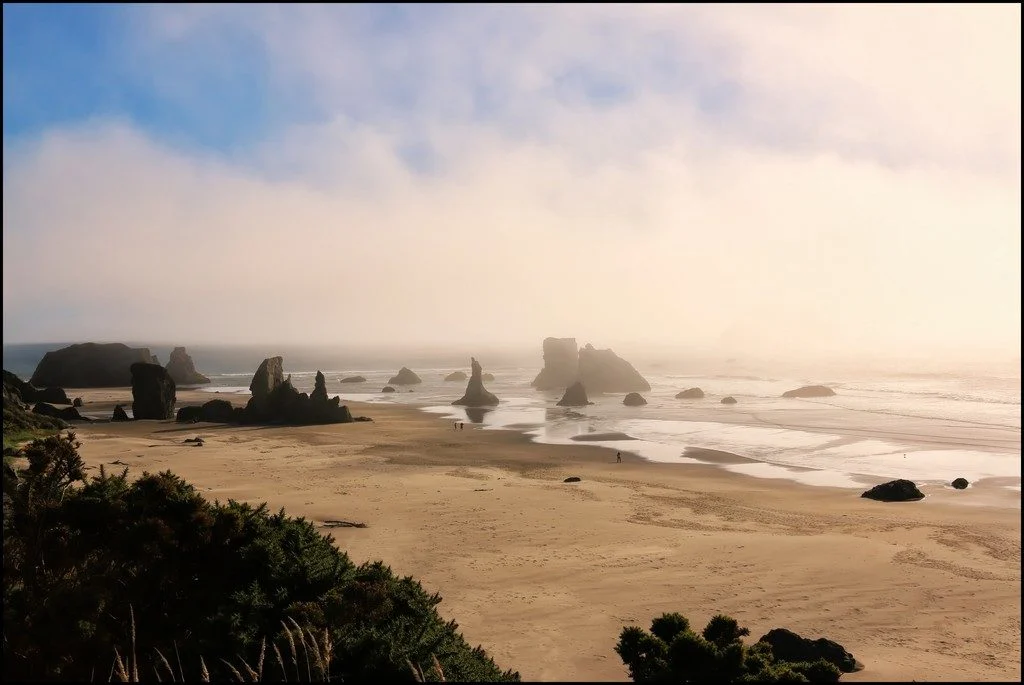
Imaggeo on Mondays: Foggy Bandon beach, Oregon
This picture was taken at Bandon beach, Oregon. Bandon is well-known for its memorable seascape of stacks of all shapes and sizes. These rock formations are known to geologists as ‘knockers’ and carry nicknames like ‘the Wizards hat’. They date from the Jurassic period – about 200 to 145 million years ago – and are what remains from the great mélange during tectonic subduction processe ...[Read More]
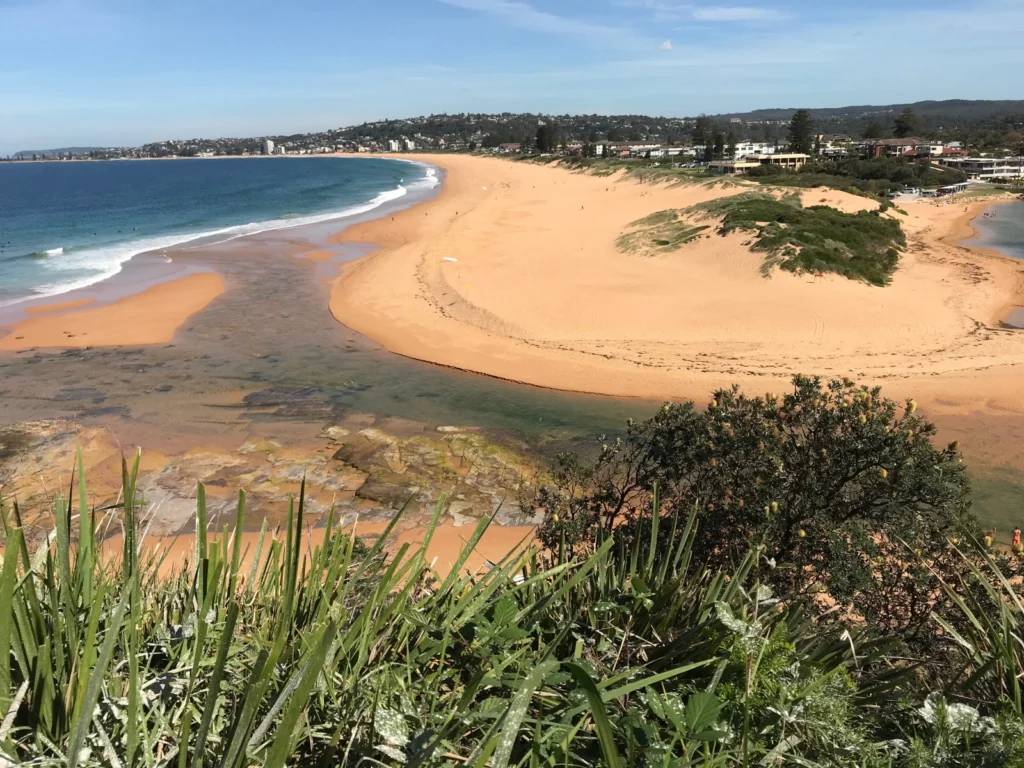
Back for the first time: measuring change at Narrabeen–Collaroy Beach
Narrabeen–Collaroy Beach in New South Wales, Australia, just north of Sydney, is home to one of the longest-running shoreline-measurement programmes in the world. With colleagues at the University of New South Wales (UNSW) Sydney, Eli Lazarus, an associate professor in geomorphology at the University of Southampton, UK, has been analysing over 40 years of data from Narrabeen–Collaroy to better und ...[Read More]
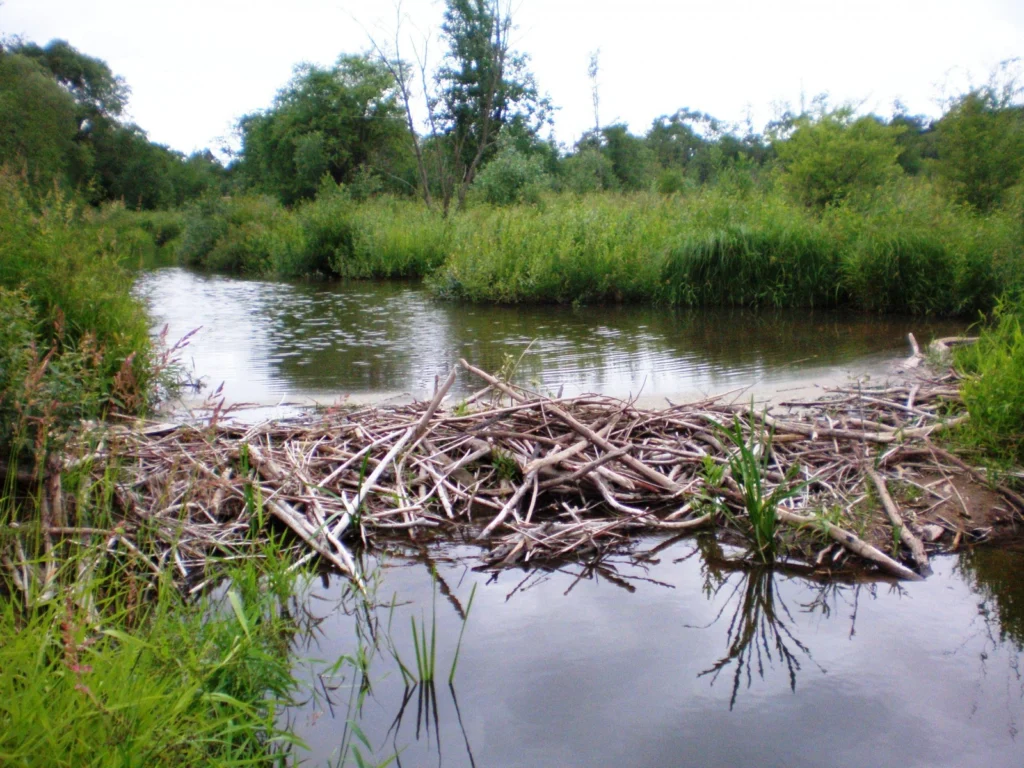
Could beavers be responsible for long-debated deposits?
Following her presentation at the European Geosciences Union General Assembly in Vienna, I caught up with geomorphologist and environmental detective Annegret Larsen from the University of Lausanne, Switzerland, about beavers, baffling sediments and a case she’s been solving for the past seven years. Back in 2012 the German geomorphology community was seriously debating the source of buried black ...[Read More]
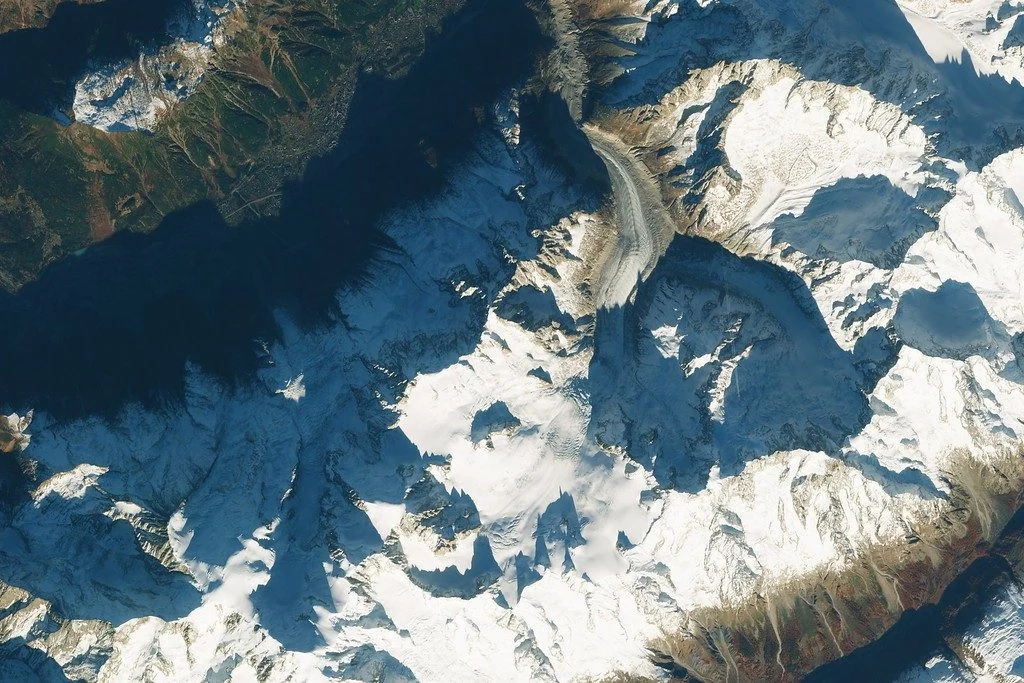
Imaggeo on Mondays: High above the top of Europe
Sentinel-2B imaged the highest mountains of western Europe, just the moment an airplane was about to fly over the granite peaks of Grandes Jorasses and cross the border from France to Italy. The passengers on the right side of the plane must have enjoyed a spectacular view on Mont Blanc, just nine kilometers away to the south-west, and Mer de Glace, the longest glacier in France flowing down from ...[Read More]
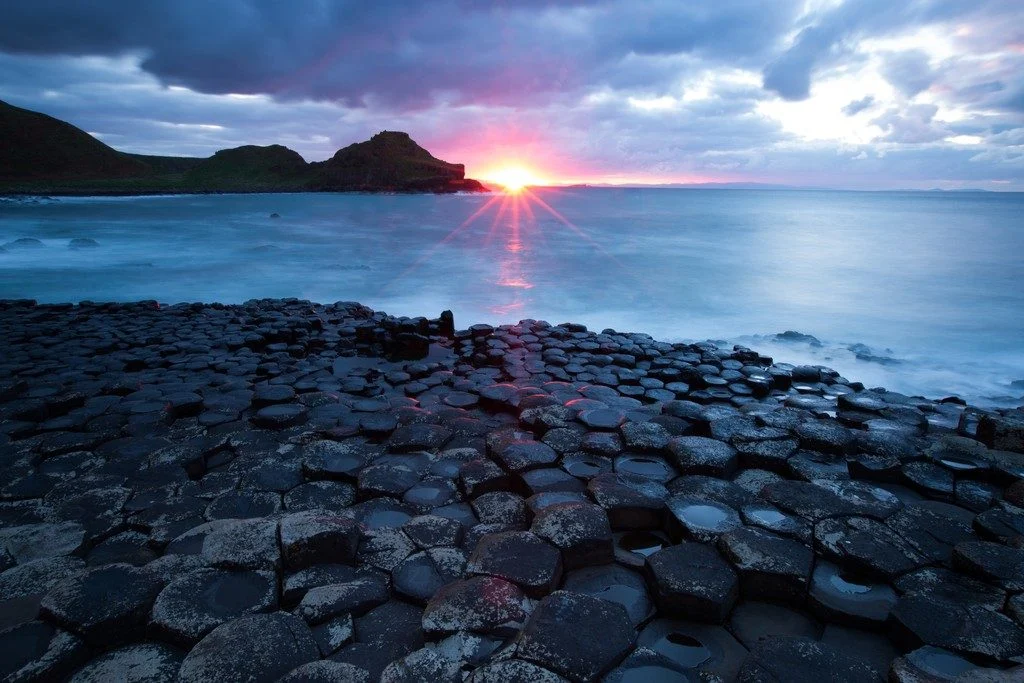
Imaggeo on Mondays: Sunset on the Giant’s Causeway
Pictured here is the Giant’s Causeway – a region of basalt columns, created 50-60 million years ago during the Paleogene. The typical polygonal form of the bedrocks, a product of active volcanic processes from the past, is well underlined by the sunset’s light; that’s why I took the photo in the late evening. The separate cracks are extended by weathering over time and are filled eluvi ...[Read More]
Imaggeo on Mondays: The best of imaggeo in 2018
Imaggeo, our open access image repository, is packed with beautiful images showcasing the best of the Earth, space and planetary sciences. Throughout the year we use the photographs submitted to the repository to illustrate our social media and blog posts. For the past few years we’ve celebrated the end of the year by rounding-up some of the best Imaggeo images. But it’s no easy task to pick which ...[Read More]
Looking back at the EGU Blogs in 2018: a competition
The past 12 months has seen an impressive 382 posts published across the EGU’s official blog, GeoLog, as well as the network and division blogs. From an Easter-themed post on the convection of eggs, features on mental health in academia, commentary on the pros and cons of artificial coral reefs, advice on presenting research at conferences, through to a three-part “live-series” on the ...[Read More]