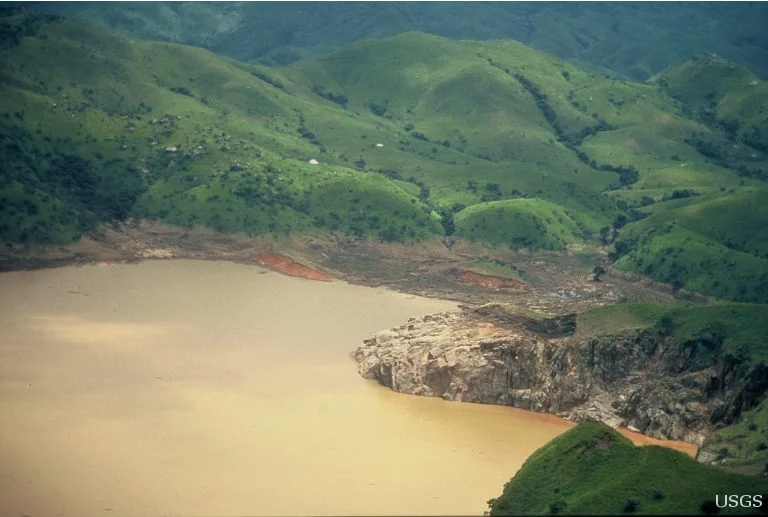
On the evening of August 21, 1986, an unusual stillness blanketed the green highlands of northwestern Cameroon. The local villagers in Nyos, Cha, and Subum were preparing for bed, totally unaware that the crater lake nearby had reached its breaking point. Without warning, a wave of gas burst from the lake and spilled over the volcanic crater rim and cascaded into the valleys. Unseen, heavy, and co ...[Read More]
Geomorphology
GeoTalk: Anjana Khatwa, author of ‘The Whispers of Rock’
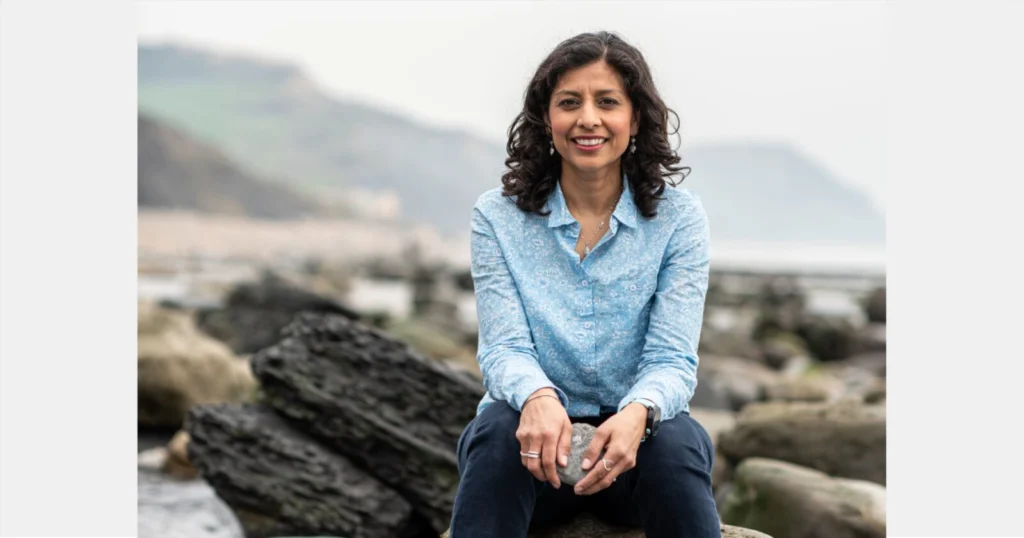
This month for GeoTalk we were lucky enough to speak with Anjana Khatwa, the author of a new geoscience book ‘The Whispers of Rock’. Dr Anjana Khatwa is an award-winning Earth Scientist, science communicator, writer, presenter and advocate for diversity in natural heritage spaces. For over twenty years, Anjana has worked as a learning and engagement professional in the natural heritage ...[Read More]
GeoTalk: Meet Annegret Larsen, Biogeomorphologist and Quaternary Scientist passionate about rewilding and a member of EGU’s Biodiversity Task Force.
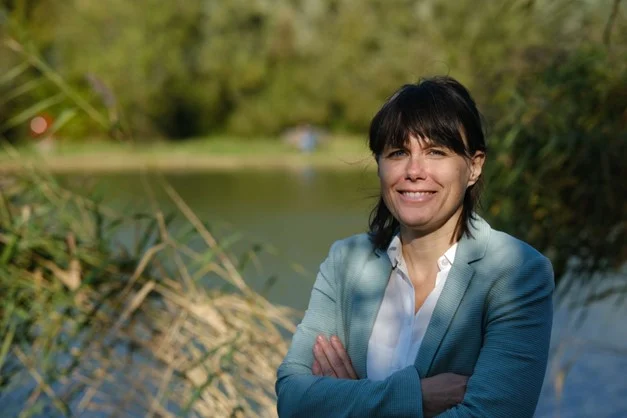
Annegret, welcome to GeoTalk! You’re a researcher who focuses on abiotic-biotic environmental interactions. Can you tell us how the implications of your research extend to sustainable management practices? The United Nations, European Union, and national governments require us to restore landscapes to a ‘natural’ state. However, European landscapes have been shaped by human activity for thousands ...[Read More]
Higher Education Resource: Sandbox Modelling for Basin Development
The European Geosciences Union (EGU) supports bringing science into the classroom at all learning levels, from schools to universities. Since the Higher Education Teaching grant programme launched in 2020, EGU has funded 24 projects to develop useful and freely available geoscience resources to university educators. This blog is part of a series of blogs highlighting the innovative and accessible ...[Read More]
GeoTalk: Rita Carrasco: Researcher in wetlands biogeormorphology and EGU Biodiversity Task Force member
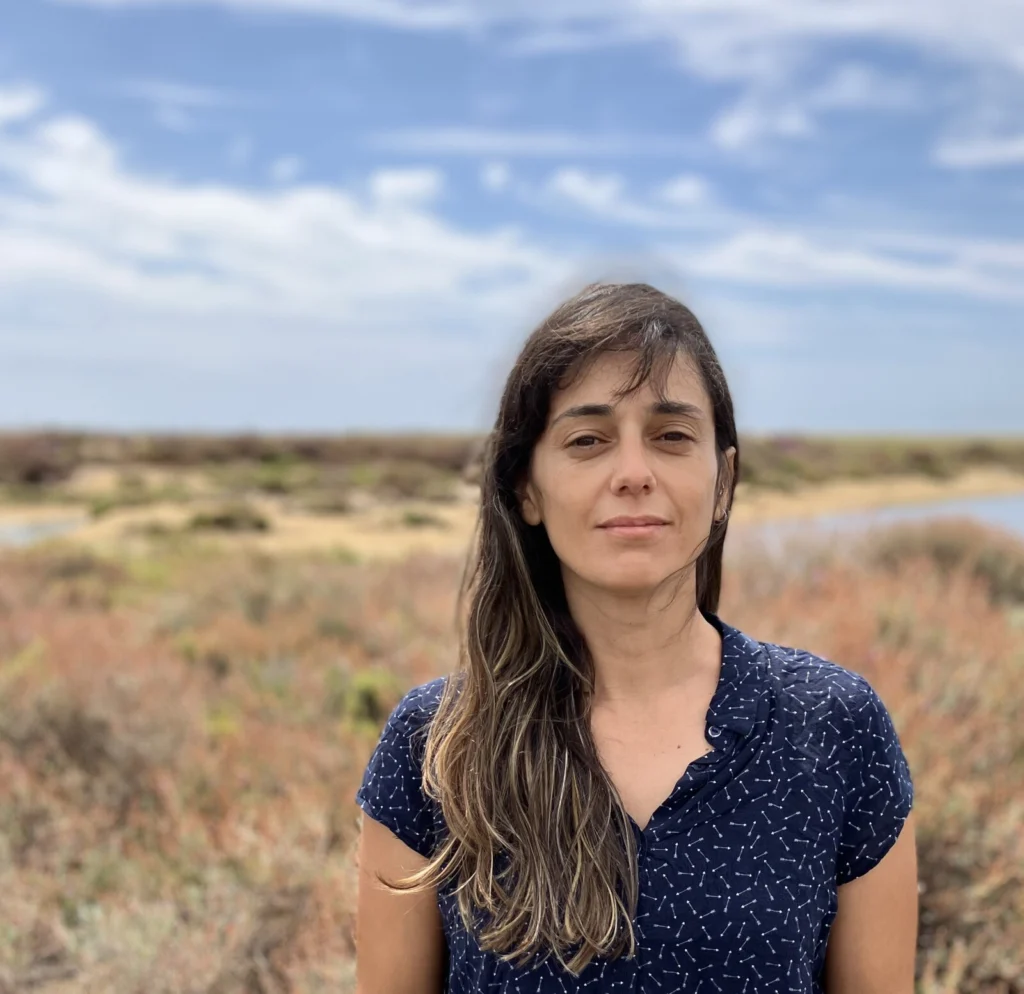
Rita, welcome to GeoTalk! Can you tell us a bit about what initially drew you to the field of coastal geomorphology and wetland ecosystems? Thanks for inviting me! My academic background is in environmental engineering, with a lifelong passion for coastal areas and geomorphology. The real inspiration comes from a constant desire to contribute to the conservation of natural ecosystems. Thus, at som ...[Read More]
Looking for answers towards the stars: stone tools and nuclides unveil the earliest solid evidence of humans in Europe
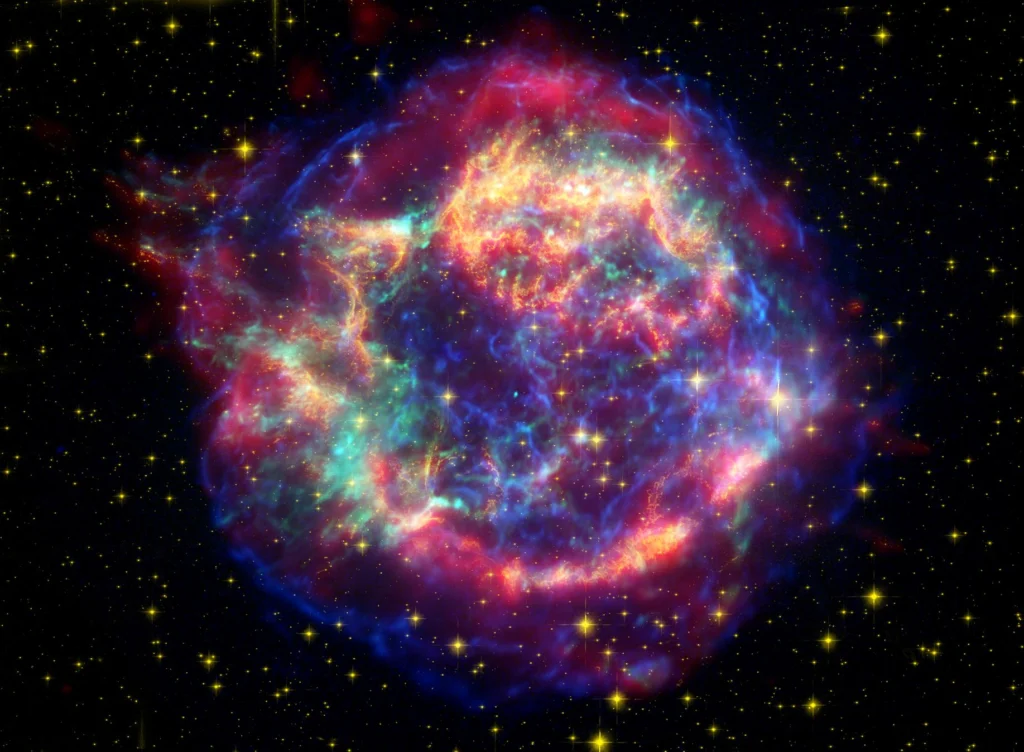
When stars explode, supernova-style, the explosion sets off streams of high energy particles across the universe, mainly protons and alpha particles, that after millions of years reach us here on Earth. Secondary cosmic rays pass through our bodies and almost everything around us, and they penetrate a few meters into the ground where they interact with atoms in soil and rock. This produces new iso ...[Read More]
GeoPolicy: Fluvial geomorphology and its potential for policy impact
In this month’s GeoPolicy blog post, Dr Grace Skirrow outlines how researchers can share their expertise with environmental regulators to have policy impact and the role that fluvial geomorphology can play in policy decisions. Fluvial Geomorphology and why it is relevant for policymakers Fluvial Geomorphology (“fluvial”, derived from the Latin “fluvialis”, meaning “of the river”) is the study of l ...[Read More]
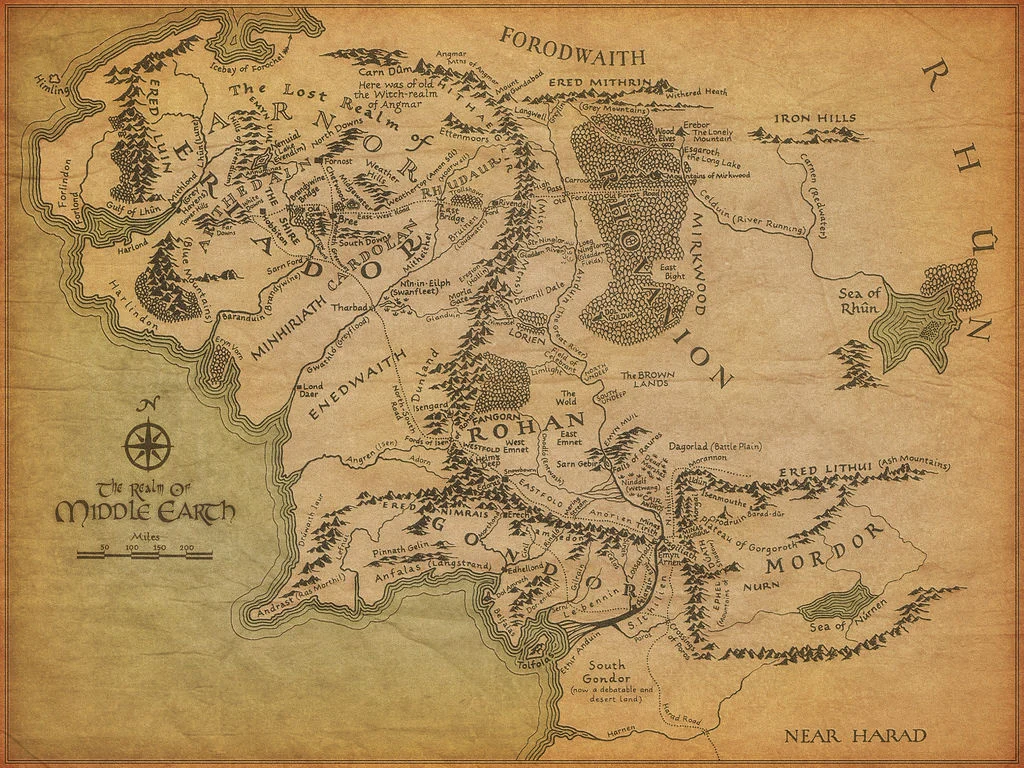
Far over the Misty Mountains cold, to dungeons deep and caverns old: the geology of the Lord of the Rings.
“He loved mountains, or he had loved the thought of them marching on the edge of stories brought from far away; but now he was borne down by the insupportable weight of Middle-earth.” J.R.R. Tolkien (1955) Return of the King ‘The Lord of the Rings‘ by J.R.R. Tolkien is one of the most famous english-language fantasy book series’ ever written. It set the blueprint for ...[Read More]
Winners announced: Here are the best EGU Blog Posts of 2022!
As future-focused as we like to be at EGU, we sometimes pause to look back at the year gone by – just a brief glimpse to appreciate all the good work of 2022! As always, we had so many inspiring and thought-provoking blog posts published this year across the EGU’s official blog GeoLog and division blogs. Thank you to each of you for your writing contribution! To continue our annual appreciation fo ...[Read More]
Imaggeo On Monday: The Papingo’s rock pools
The Papingo’s rock pools are located at the mountainous area of Epirus in northwestern Greece, at an altitude of 980 meters. The Rogovo stream, over the years, has eroded the limestone rocks creating a complex of water falls and cavities (natural rock pools) with clear and cold running water, which the locals call “ovires”. Photo by Athanasios Serafeim, as described on imaggeo.egu.eu. ...[Read More]