GeoLog

Geomorphology

Winners of the EGU Best Blog Posts of 2020 Competition

Winners of the EGU Best Blog Posts of 2020 Competition

2020 was a brilliant year for our blogging network here at EGU. Across the EGU’s official blog, GeoLog, as well as the network and division blogs there were so many interesting, educational and just downright entertaining posts this year it was hard to get the blog editors to choose their favourites! Nevertheless at the beginning of January, to celebrate the excellent display of science writing ac ...[Read More]

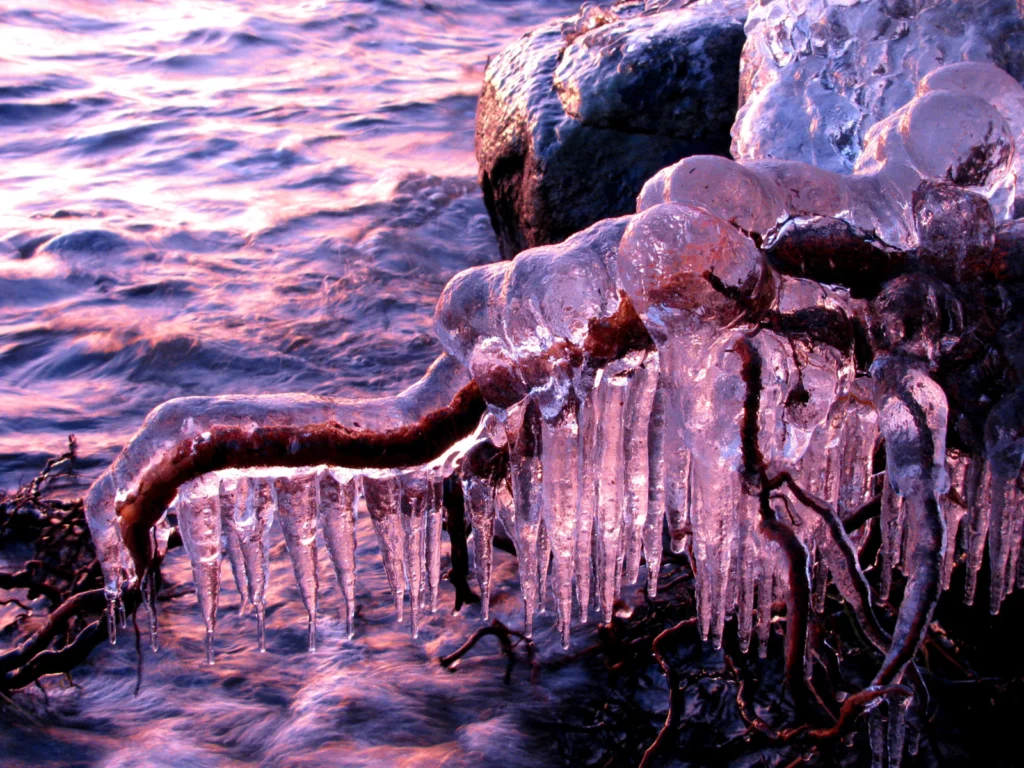
Imaggeo On Monday: Ice-coated roots at sunset

Imaggeo On Monday: Ice-coated roots at sunset

The coating by the ice and the icicles are created through the interplay of wave action and the simultaneous freezing of the water around the exposed tree roots. The reason for the exposed tree roots is increased bank erosion due to a rather unusual circumstance. The combination of the lake not yet being frozen in early winter, and strong winter storms, make it very easy for the waves to erode the ...[Read More]

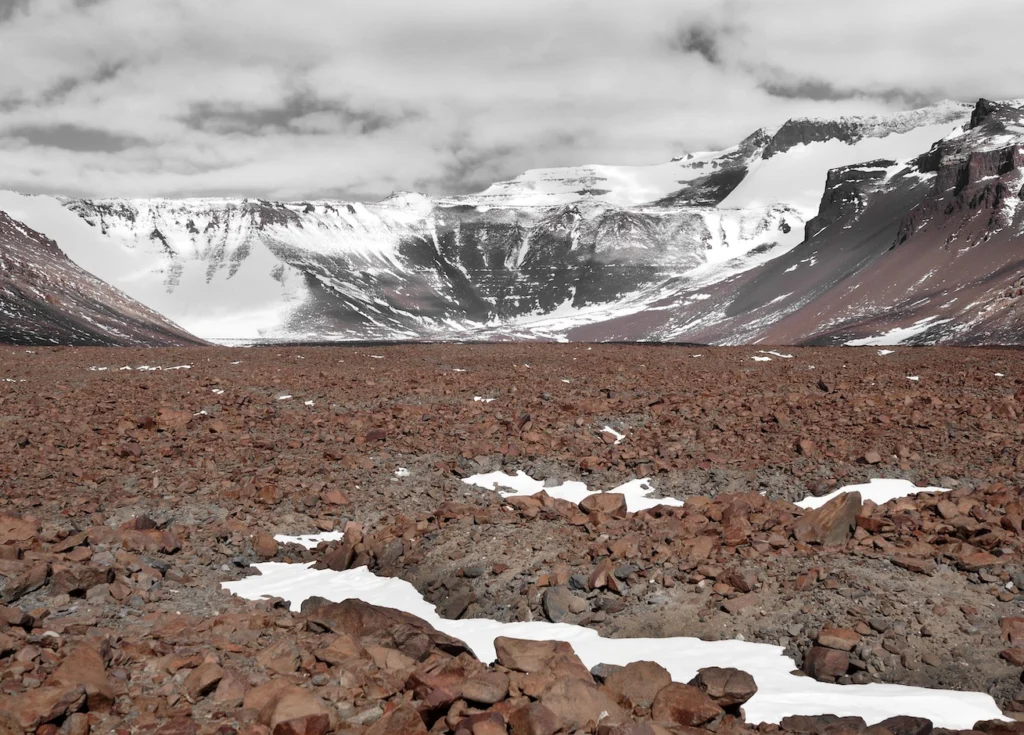
Imaggeo On Monday: Desert Varnish, Antarctica Style

Imaggeo On Monday: Desert Varnish, Antarctica Style

This photograph highlights the oxidized surface of diorite boulders, which fall from the ice at the base of the Mullins Glacier in Beacon Valley, Antarctica when the ice moves directly from a solid state into a gas state, without becoming a liquid in between (a process called sublimation). The particular features (morphology) of the varnish and the desert pavement of this unique environment are re ...[Read More]

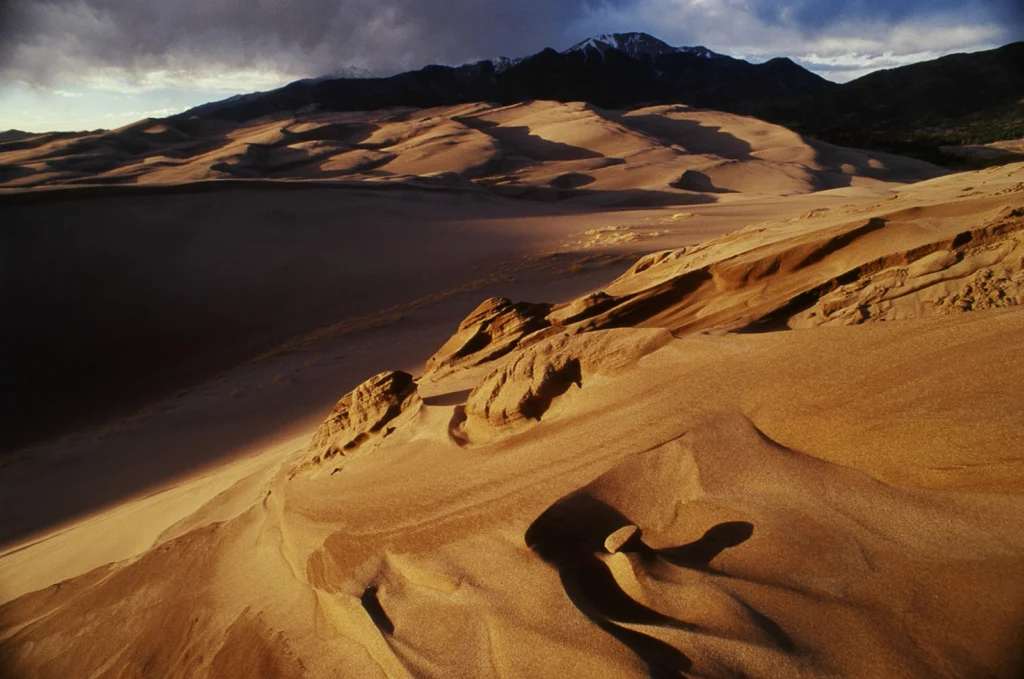
Imaggeo On Monday: Great Sand Dunes Sunset

Imaggeo On Monday: Great Sand Dunes Sunset

On a late afternoon in Colorado’s Great Sand Dunes, the sun came out from behind the clouds for a brief moment before it went behind the horizon, illuminating the stoss side of an eroding dune. Sand originated from lacustrine deposits in the San Luis Valley; the Sangre de Cristo mountains, which can be seen in the background, provided a source of some of the sand. This image therefore illust ...[Read More]

Travels in Geology: A World Turned Upside Down

Travels in Geology: A World Turned Upside Down

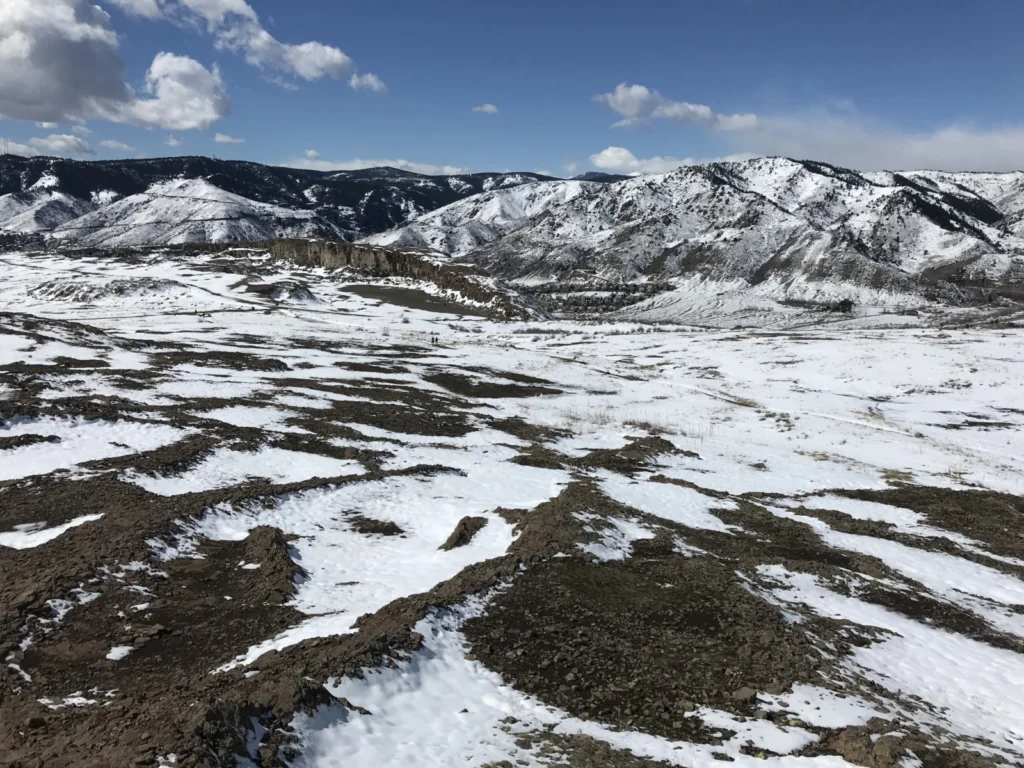
Last weekend, with a strict, stay-at-home coronavirus order looming on the horizon, I decided to practice social distancing by escaping on one last hike. Since I’m currently in Colorado, I chose to climb North Table Mountain, the remnant of an ancient basalt lava flow located on the outskirts of Denver.   Locally this mesa, along with its twin located a short distance to the south, are popula ...[Read More]

Imaggeo on Mondays: The sun rises also in the middle of nowhere

Imaggeo on Mondays: The sun rises also in the middle of nowhere

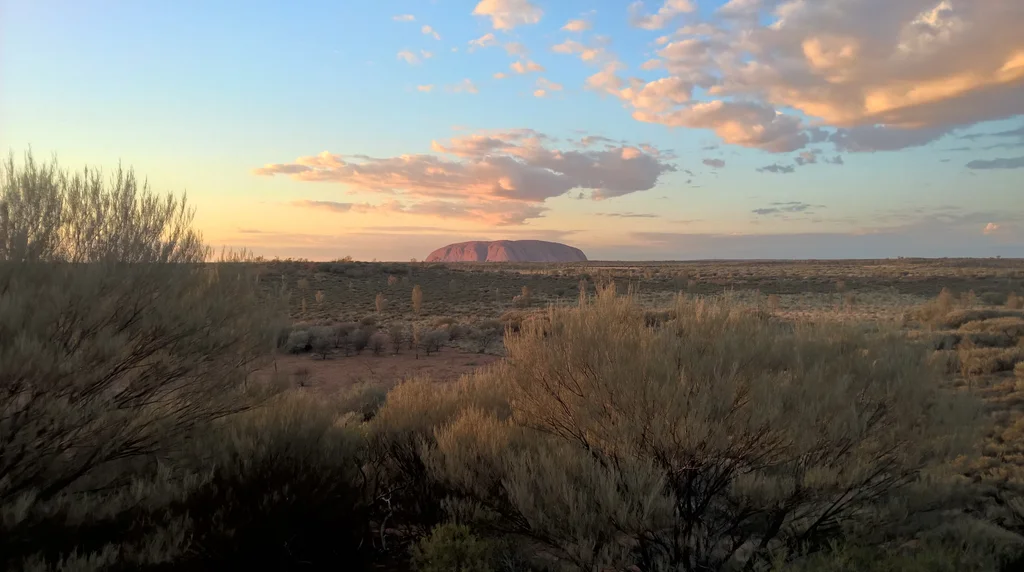
Uluru in Australia is one of the most visibly recognisable geological features in the world. This sandstone formation covers an area of 3.3 kilometres and stands 345 metres above the plains around it. According to geoscientists, the rocks that form Uluru were deposited in an inland sea during the Cambrian Period approximately 500 million years ago. The arkose sandstones were then uplifted and fold ...[Read More]

Imaggeo on Mondays: Santorini cliffs sculpted by wind and sea

Imaggeo on Mondays: Santorini cliffs sculpted by wind and sea

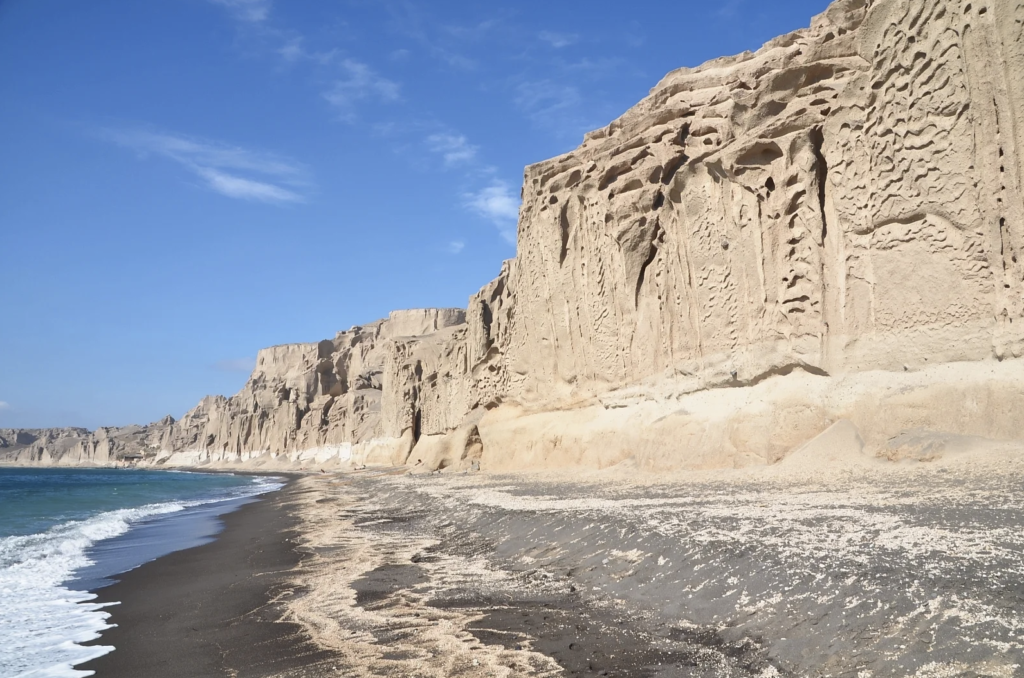
The cliffs look like a bas-relief sculpted by a tireless artist. Naturally carved by the wind and sea, Vlychada’s white cliffs border its black sands, on the southern shore of Thera (Santorini), Greece. Both are of volcanic origin. The material originates from the Late Bronze Age eruption around 1600 BCE, which also buried the prosperous Akrotiri settlement. This massive Plinian eruption led to th ...[Read More]

Winners of the EGU Best Blog Posts of 2019 Competition

Winners of the EGU Best Blog Posts of 2019 Competition

2019 was a brilliant year for our blogging network here at EGU. Across the EGU’s official blog, GeoLog, as well as the network and division blogs there were so many interesting, educational and just downright entertaining posts this year it was hard to get the blog editors to choose their favourites! Nevertheless in December, to celebrate the excellent display of science writing across the network ...[Read More]

Imaggeo on Mondays: Sampling sulfurous sinkhole water

Imaggeo on Mondays: Sampling sulfurous sinkhole water

Sampling of water present in sinkhole formed in superficial salt-rich lacustrine deposits at Ghor Al-Haditha, Dead Sea eastern shore, Jordan, during a field campaign in October 2018. The water in this sinkhole flows into the Dead Sea in a surface stream channel formed in 2012. The water was highly acidic and extremely conductive, with a strong sulfurous odour. Understanding the chemistry of the wa ...[Read More]