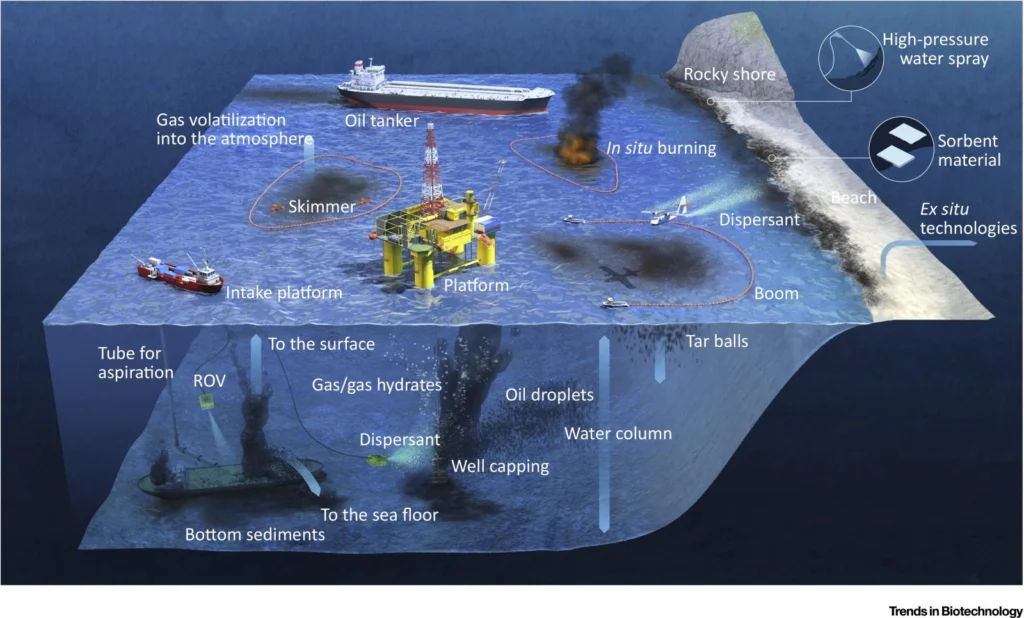
Hello to everyone. Today I have the personal pleasure to interview Dr. Grégoire Michoud. He is a friend and a brilliant scientist working on ecosystem microbial ecology. In the interview, Grégoire will talk to us about oil spills in the marine system, a specific anthropic hazard that can evolve into a natural hazard with terrible environmental consequences. …[Read More]
Natural hazard
How to study Mega-earthquakes? By generating them!
Francesca Funiciello is an Associated Professor at Roma Tre University (Rome, Italy). Her research interests are, among others, geodynamics, seismotectonics, rheology of analogue materials and science communication. She leads an active and young research group composed by Fabio Corbi, Silvia Brizzi and Elenora van Rijsingen, and collaborates with many other young and experienced researchers in …[Read More]
The emergency of disaster emergency planning
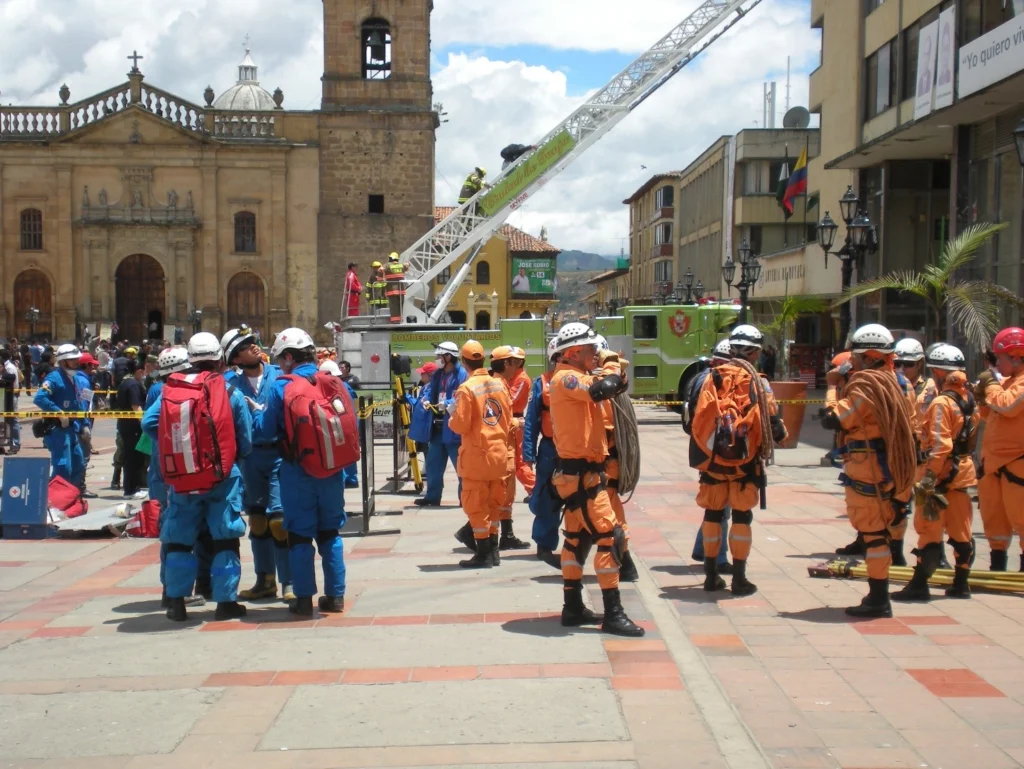
Today I have the honour to introduce Prof. David Alexander as our guest. David is Professor of Risk and Disaster Reduction at University College London (UK). His expertise comprises holistic aspects of disaster risk reduction and practical matters in emergency planning and management. He has also worked as Scientific Director of the Advanced School of …[Read More]
Volcanic tourism, in between fascination and hazard awareness. Episode 1: the volcanologist prospective.
Volcanoes are often located in stunning and fascinating places of the world. Some volcanoes are in areas already heavily populated, like Popocatépetl in Mexico or that thanks to tourism become highly or more populated during certain times of the year, like Agung in Indonesia. In addition to the charm, volcanoes can be and have …[Read More]
Natural Groundwater Quality: an underestimated and yet dangerous hazard.
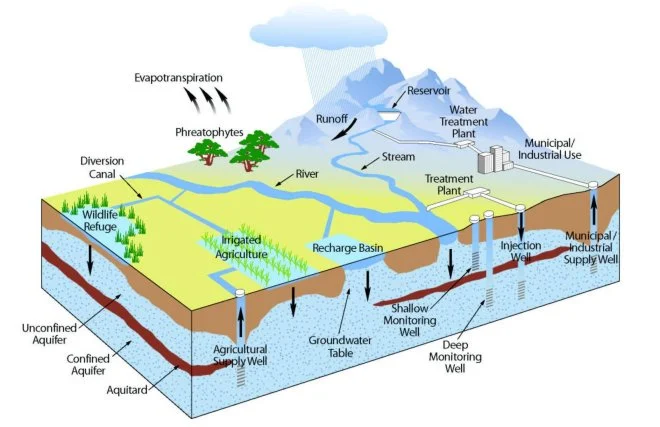
Today I have the pleasure to interview Dr. Evangelos Tziritis, a brilliant scientist and a friend. He will talk to us about Natural groundwater quality hazard and its implications. This blog aim is to discuss Natural Hazards. Therefore, today we will focus on the natural component of water quality, disregarding anthropogenic sources. Evangelos is a …[Read More]
Permafrost fever, do we need a doctor?
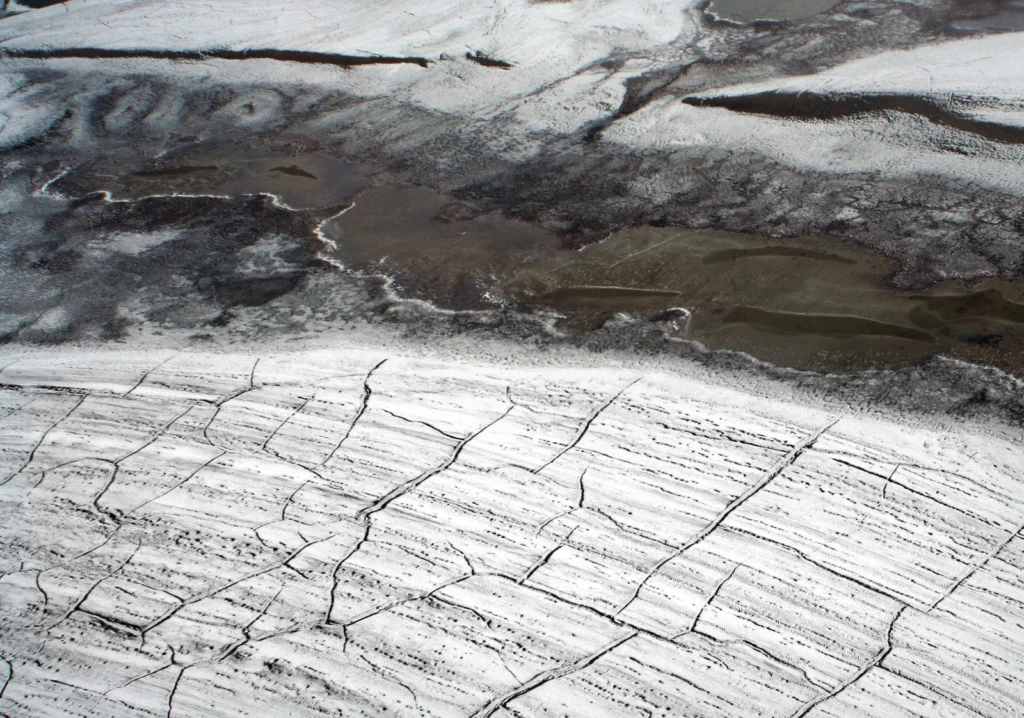
Today we will shed some light on permafrost thanks to Dr. Dmitry (Dima) Streletskiy. Dima is an Assistant Professor of Geography and International Affairs at the George Washington University. He leads several research grants focusing on various aspects of climate change and its impacts on natural and human systems in the Arctic. Streletskiy is the President Elect of …[Read More]
Steaming badly: what do we know about hazardous and less known hydrothermal eruptions in volcanic environments?
Volcanic eruptions are among the fascinating natural phenomena we can observe on Earth. Along with being very attractive, they are hazardous for both society and infrastructures. Eruptive styles are various and today we focus our attention on one particular type of explosive event: hydrothermal eruptions. We have interviewed Cristian Montanaro on the topic.
Multi-Natural-Hazards: how can we deal with such complex chain of events?
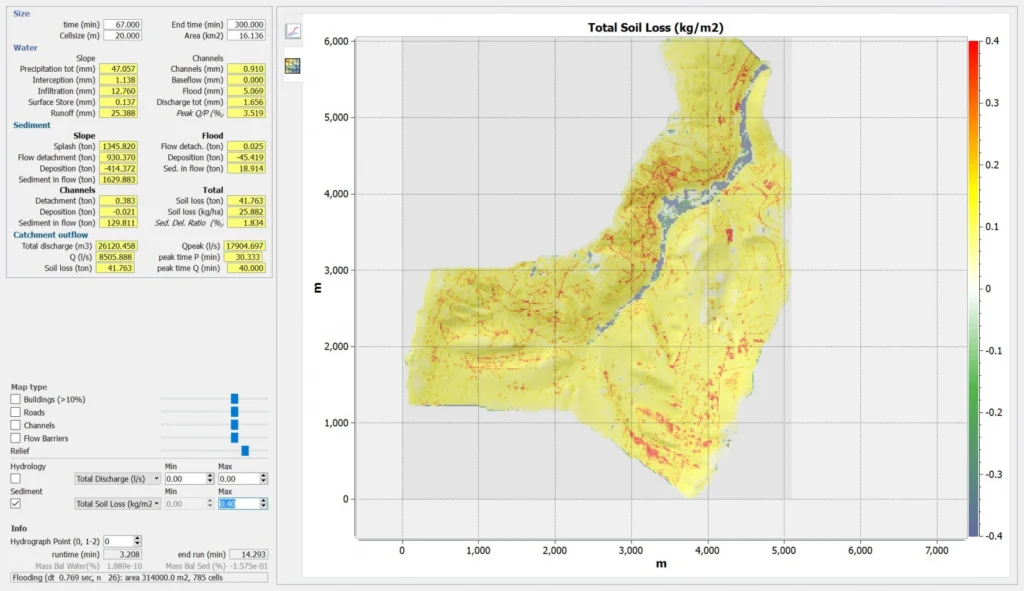
Today we have the honor to have Prof. Victor Jetten as our guest. Throughout his career Victor, has been working in modelling of natural hazard and land degradation processes. Starting with biomass and grazing capacity, the effects of logging on the natural rain forest water balance, he then moved to soil erosion and land degradation processes …[Read More]
International Research Projects: what can we learn from CHANGES?
Today I have the pleasure to post an interview on International Research Projects. The interviewee, Dr. Cees van Westen, does not need any introduction for those who work in the field on Natural Hazards. Today, he will “speak” as the coordinator of the CHANGES project and further information can be asked directly to him if this …[Read More]
The fantastic world of OBIA!
For today blog, we have interviewed Clemens Eisank about OBIA and its application in Natural Hazard. Dr. Clemens Eisank is Remote Sensing Specialist & Project Manager at GRID-IT Company in Innsbruck (Austria). He obtained his Ph.D. from the Department of Geoinformatics – Z_GIS at Salzburg University in 2013. In his Ph.D. research, he proposed a …[Read More]