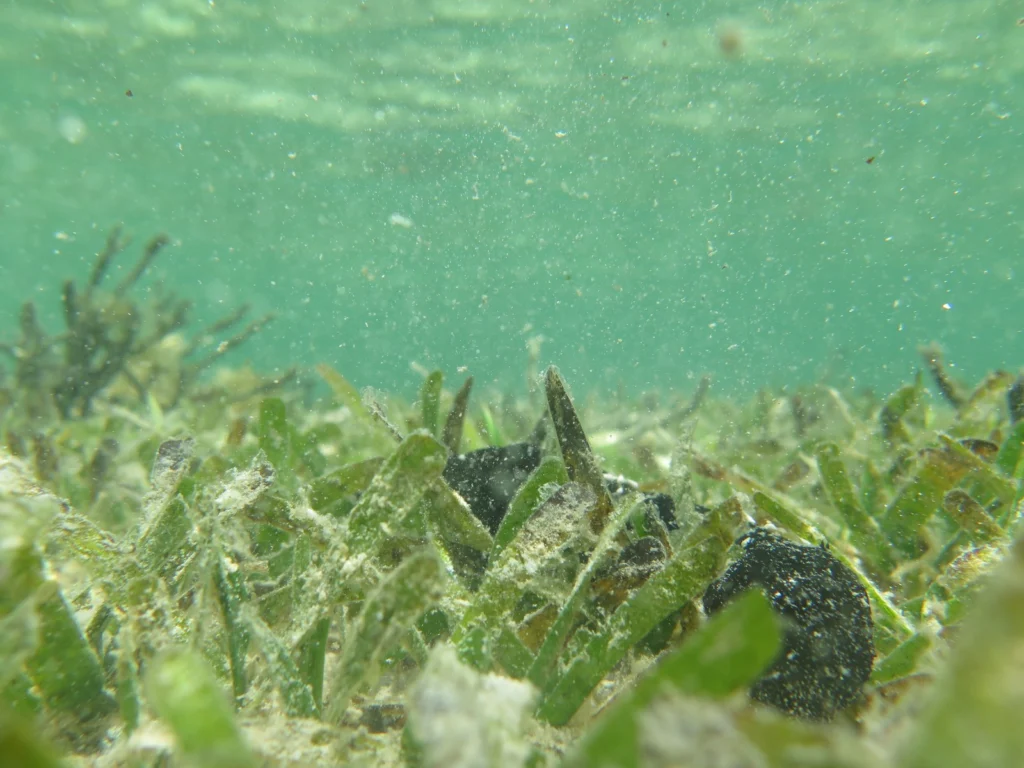
Dear readers, today our blog will host Marco Fusi, a postdoctoral fellow working on coastal ecosystems. Together with Marco we will give a twist to our usual geoscientific perspective and mix some ecology in it. Specifically, we will explore the surprising role of seagrass in limiting coastal erosion effects. 1- Hello Marco, please give us …[Read More]
Natural hazard
The devil in disguise: filmmaking lives under the threat of volcanoes.
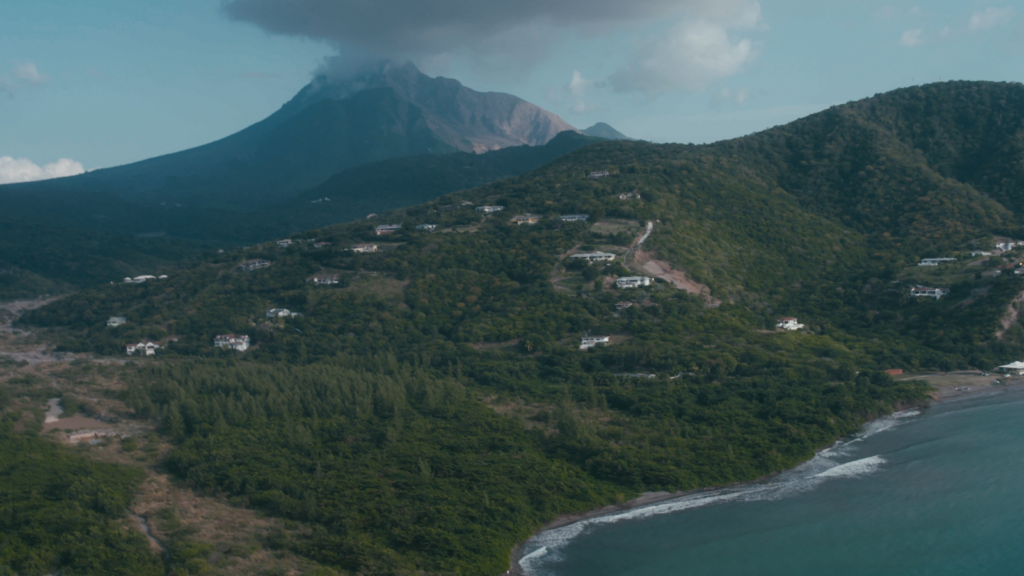
Dear readers, today our blog will host Ryan Stone from Lambda Films. He will tell us his story and perspective behind the camera while documenting people’s lives constantly exposed to volcanic risk. If you want to get a quick taste of today’s content, just take a long breath and watch this video: https://www.lambdafilms.co.uk/video-production/an-eclipse/. Hello Ryan, Please …[Read More]
Combining geomorphology, geomorphometry and natural hazards research: the way forward
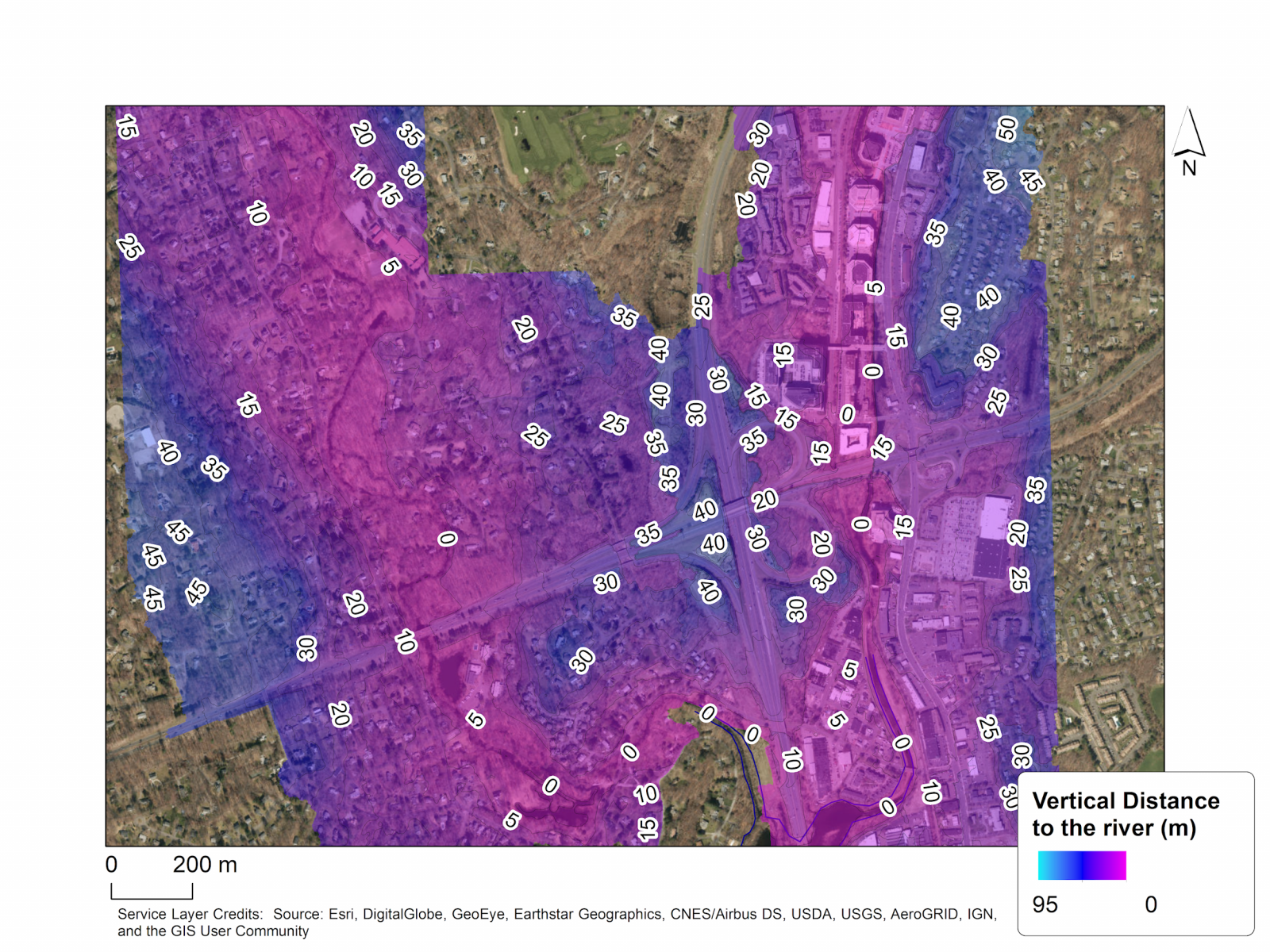
Today I have the honour to introduce a friend and a brilliant scientist that recently won the 2019 Arne Richter Award for Outstanding Early Career Scientists of the EGU, Dr Giulia Sofia. Dr Sofia is currently Assistant Research Professor at the University of Connecticut (USA) in the Hydrometeorology and Hydrologic Remote Sensing group. She received a B.S. …[Read More]
Time for submissions: sessions proposed by NhET at the next EGU conference!
The new year is approaching, and at the beginning of 2019, there is also the deadline for the submission of abstracts for the next EGU conference in Wien, from the 7th to the 12th of April 2019. The Natural hazards Early career scientist Team has proposed many sessions and short courses. Below you can find …[Read More]
The (un)usual suspect: how the environment affects human health.
If you have been regularly following our blog for this (almost) past year, you may have noticed that the field of natural hazards is coloured by many different shades. One more that I would like to present to you today is about how the natural environment can affect human health. It is a recognized fact …[Read More]
Volcanic eruptions: Sometimes natural spectacles, but other times disasters
In April 2018, an eruption of the Kilauea volcano in Hawaii started. The activity continued for months, with impressive lava flows that cut roads and even covered houses and entire neighbourhoods (Figure 1), forcing the evacuation of thousands of people. Fortunately, it did not take any life. Some weeks later, on June 3rd, Fuego volcano, …[Read More]
Earthquake-induced landslides and the ‘strange’ case of the Hokkaido earthquake
The population of many countries in the world is exposed to earthquakes, one of the most destructive natural hazards. Sometimes, consequent triggered phenomena can be even worse than the earthquake itself. In this context, earthquake-induced landslides often concur in life and economic losses. To better understand these induced phenomena, updated catalogues of their types and …[Read More]
Mapping population dynamics to advance Disaster Risk Management
Today we have the honour to introduce Sérgio Freire as our guest. Sérgio Freire is a Geographer, currently working as Scientific/Technical Project Manager at the European Commission’s Joint Research Centre (JRC), Directorate E. Space, Security and Migration, Disaster Risk Management Unit, based in Ispra, Italy. His main activities focus on developing applications of the …[Read More]
Bridging the gap between science and decision makers – a new tool for nuclear emergencies affecting food and agriculture
The International Atomic Energy Agency (IAEA) has developed an online system to assist in improving the response capabilities of authorities in the event of an emergency caused by natural hazards. This tool provides a clear overview of radioactive contamination of crops and agricultural lands through improved data management and visualization, it also assists in decision …[Read More]
Heavy metals in industrial wastewater: hazardous waste or secondary resource?
Not long ago on the blog, we have talked about natural groundwater quality triggered by geogenic factors and related hazards such as a high concentration of heavy metals. Today’s topic concerns the anthropogenic input of heavy metals into the water and how to tackle its effects efficiently. Industrial processes can lead to heavy metal-bearing …[Read More]