NH
Natural Hazards

Natural hazard

NH10 Multi-Hazards: The Latest EGU Natural Hazards Sub-Division
NH10 Multi-Hazards: The Latest EGU Natural Hazards Sub-Division
Earlier this year, the EGU Natural Hazards Division approved the addition of a new sub-division focused on the theme of ‘multi-hazards’. The Science Officers representing this sub-division, Joel Gill (British Geological Survey) and Marleen de Ruiter (IVM-VU Amsterdam), reflect on why this sub-division is necessary and how you can get involved. Many regions are affected …[Read More]

I-REACT – ‘Fight disasters with your phone’

I-REACT – ‘Fight disasters with your phone’

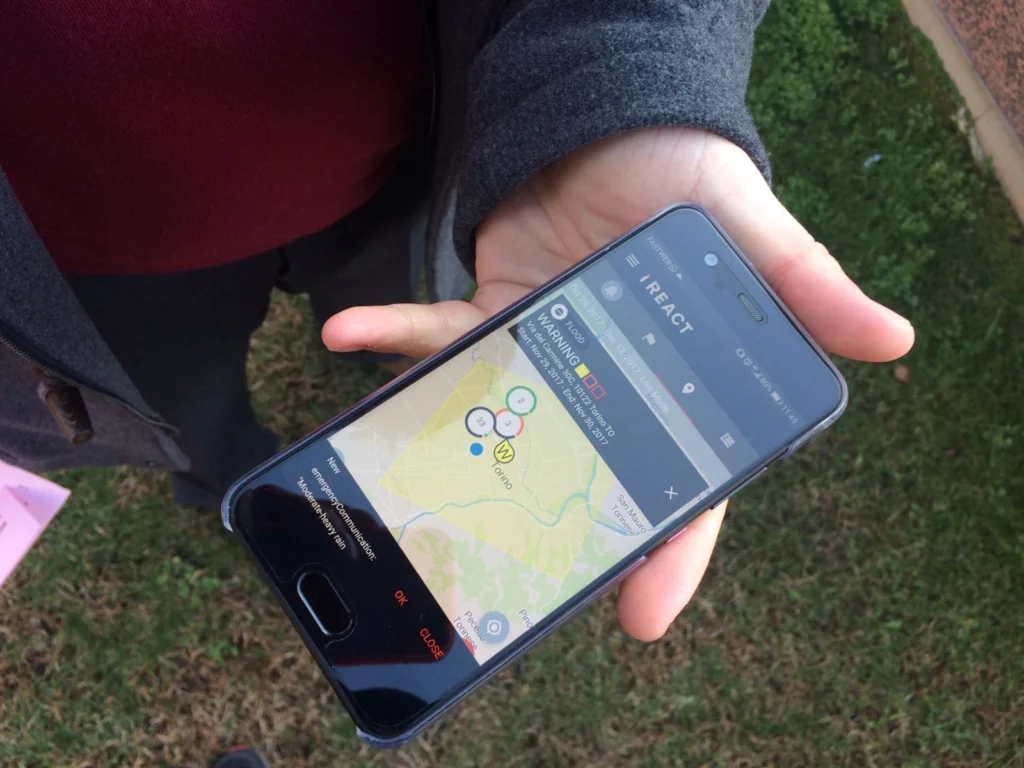
Technology has never been more at hand than at the time we are living. Smartphones and the many apps on the market are proof of this. As I recently discovered, there is also an app developed to learn about natural hazards and, as they claim, fight disasters! This app is called I-REACT, and it was …[Read More]

Gaius Plinius Secundus and Sergey Soloviev, two names and awards.

Gaius Plinius Secundus and Sergey Soloviev, two names and awards.

The EGU has an award system in place aiming at recognising eminent scientists for their outstanding contribution in Earth, planetary and space science. There are different medals a researcher can be nominated to, including Division ones. Ah, before I forget: the deadline for this year nominations is 15 June! Don’t miss the chance to appoint …[Read More]

Let the ash fall, but get ready for its consequences

Let the ash fall, but get ready for its consequences

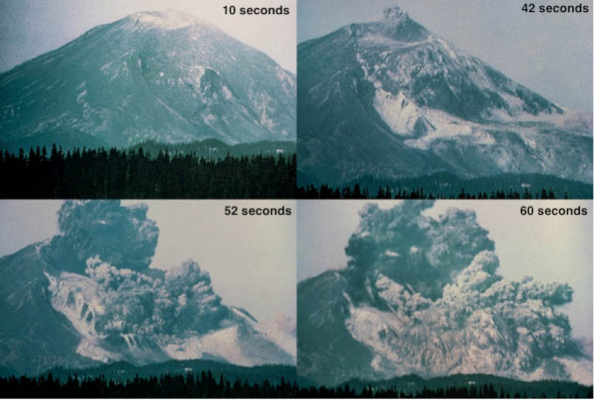
The past 18th May marked 39 years since one of the most emblematic volcanic eruptions in historic times: the 1980 Mt St Helens explosive eruption. With a death toll of 57 victims, it is the deadliest volcanic event in U.S. history. If that wasn’t enough, it also destroyed hundreds of houses and roads. When we …[Read More]

InSAR Norway: the big eye on Norwegian unstable rock slopes

InSAR Norway: the big eye on Norwegian unstable rock slopes

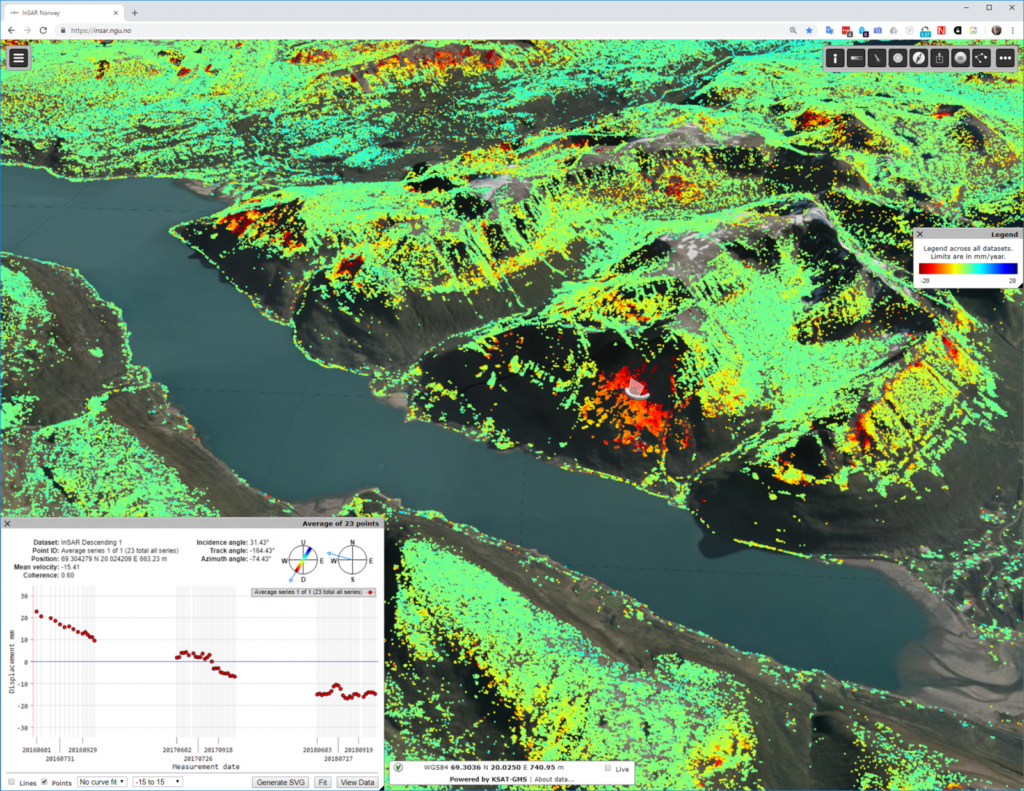
Marie Keiding is a researcher in the Geohazard and Earth Observation team at the Geological Survey of Norway. Together with her colleague, John Dehls, who is leading the project, she works to develop and operate the new mapping service called InSAR Norway. Before we start, let’s briefly describe what is InSAR. First, the Synthetic Aperture …[Read More]

#EGU19 program is ready! Are you ready for it?

#EGU19 program is ready! Are you ready for it?

#EGU19 program is ready! Are you ready for it?   The next EGU’s General Assembly is taking place in one week! We bet you already started planning your program for the week, that Natural Hazard (NH) sessions are included, and, especially if you are an Early Career Scientist (ECS), you have found many sessions and …[Read More]

Anthropogenic changes of the landscape and natural hazards

Anthropogenic changes of the landscape and natural hazards

In this post, I had the pleasure to interview Paolo Tarolli, a very active member of the EGU community and a brilliant scientist. He is Professor in Water Resources Management and Integrated Watershed Management, and head of Earth Surface Processes and Society research group at the Università degli Studi di Padova (Italy). He has a …[Read More]

The collapse of Anak Krakatau volcano: a scenario envisaged

The collapse of Anak Krakatau volcano: a scenario envisaged

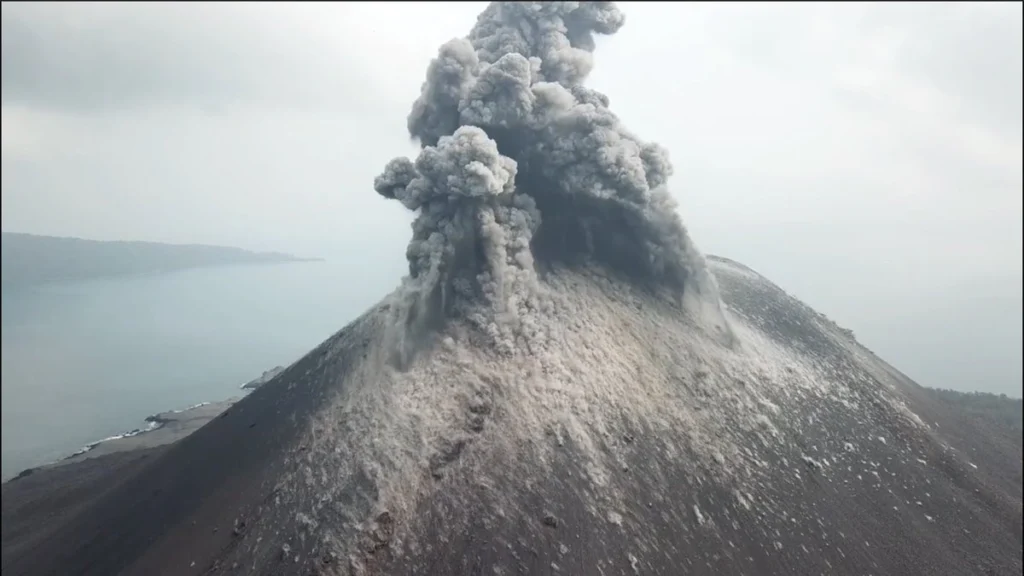
The volcano ID Krakatoa or Krakatau, in Indonesia, is part of the Ujung Kulon National Park, a UNESCO World Heritage property, and among the most (in)famous volcanoes in the world. From a geological point of view, it is part of the Indonesian island arc system generated by the north-eastward subduction of the Indo-Australian plate (Figure …[Read More]