In this week’s blog post, Katherine Villavicencio (University of Chieti – Pescara) looks into the world of the mind and the mental-health issues that can result by the pressure behind a research project, such as a doctoral thesis. Here, through a personal reflexion ,she explores the main reasons that can lead candidates to suicidal thoughts, …[Read More]
Geodynamics
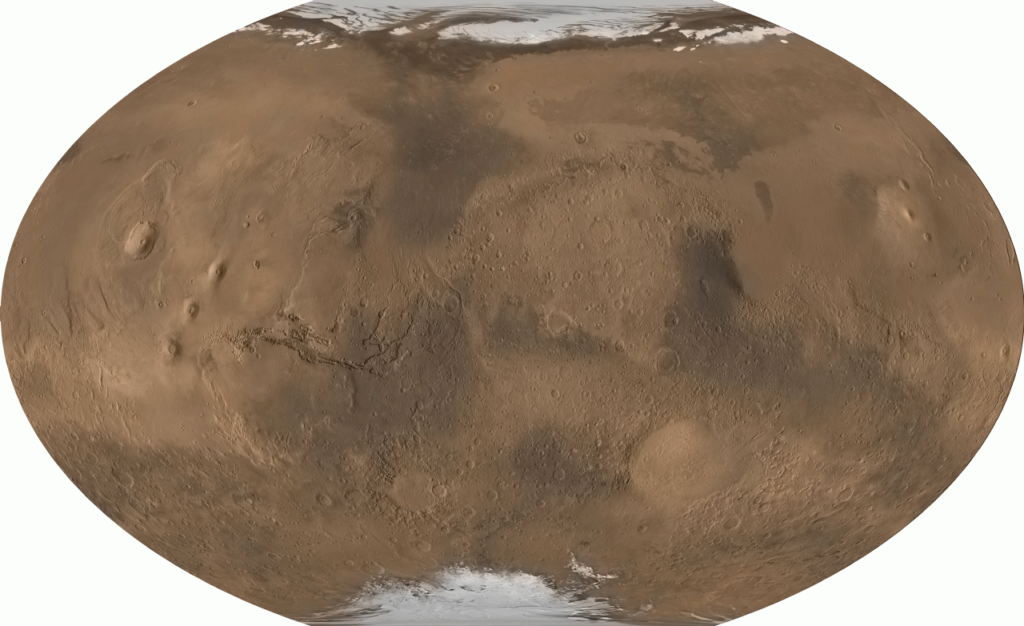
Going Around Mars
One of our closest neighbors in the universe, the red planet, has long intrigued geoscientists. Mars has been the destination for multiple spacecraft missions. Two rovers, Curiosity and Perseverance, are still exploring the planet as of 2025. This week, let us go on a short tour around Mars and show a little love to this …[Read More]
The Sassy Scientist – Academic survivor Ep.987
Is it a good day to have a meltdown? It’s cold and there is sun outside, neh maybe not. Procrastinating even having a meltdown. But this audience doesn’t even let me do that. Today, we’re answering Kai’s question: Why do we consider leaving academia a failure? Dear Kai, Sorry, the question ended up in my …[Read More]
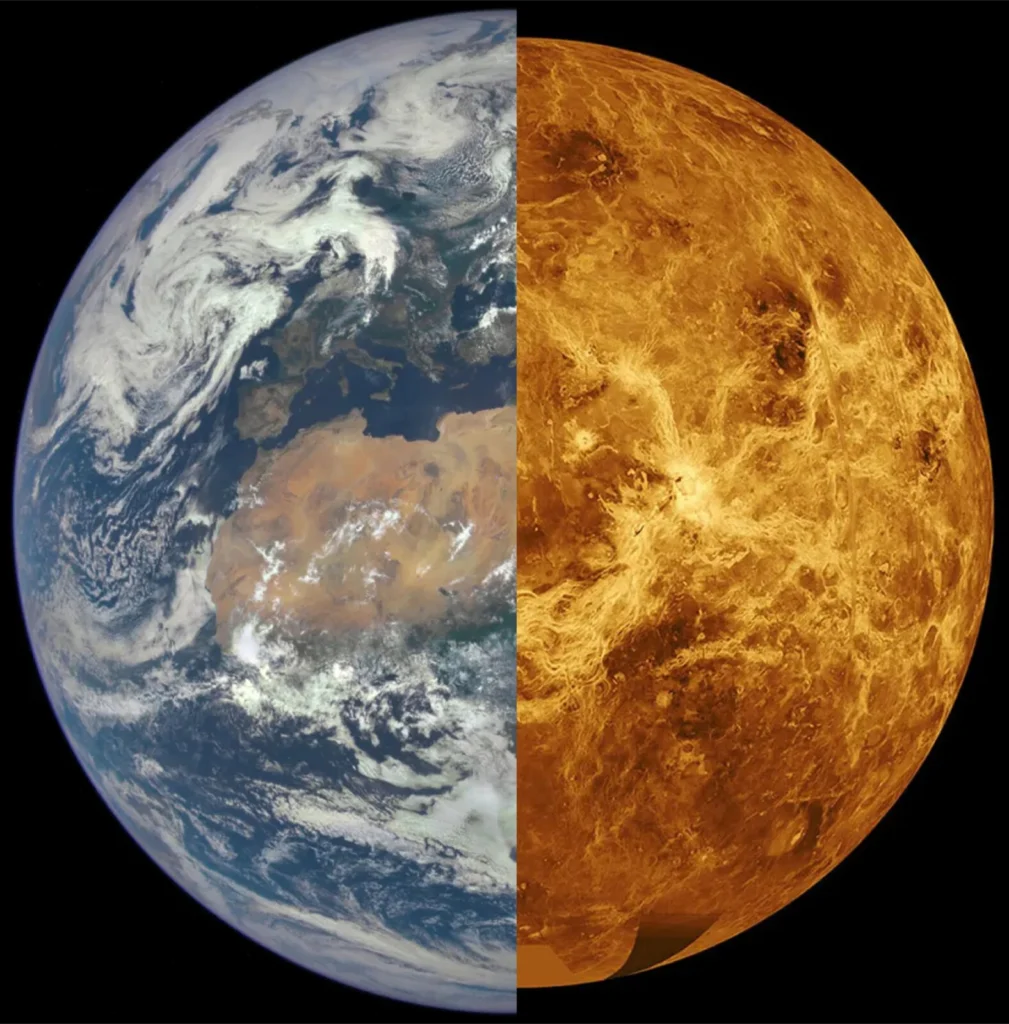
How numerical modeling helps decipher the dynamics and evolution of Venus
Earth’s sister, Venus, is a planet whose evolution is drastically different from our own. Unravelling the hidden mysteries behind the divergent evolution of these two planets could hold the key to understanding what makes a planet habitable. Using numerical modelling, Diogo Lourenço and Cédric Gillmann unveil the dynamics of Venus while linking them to observations. …[Read More]
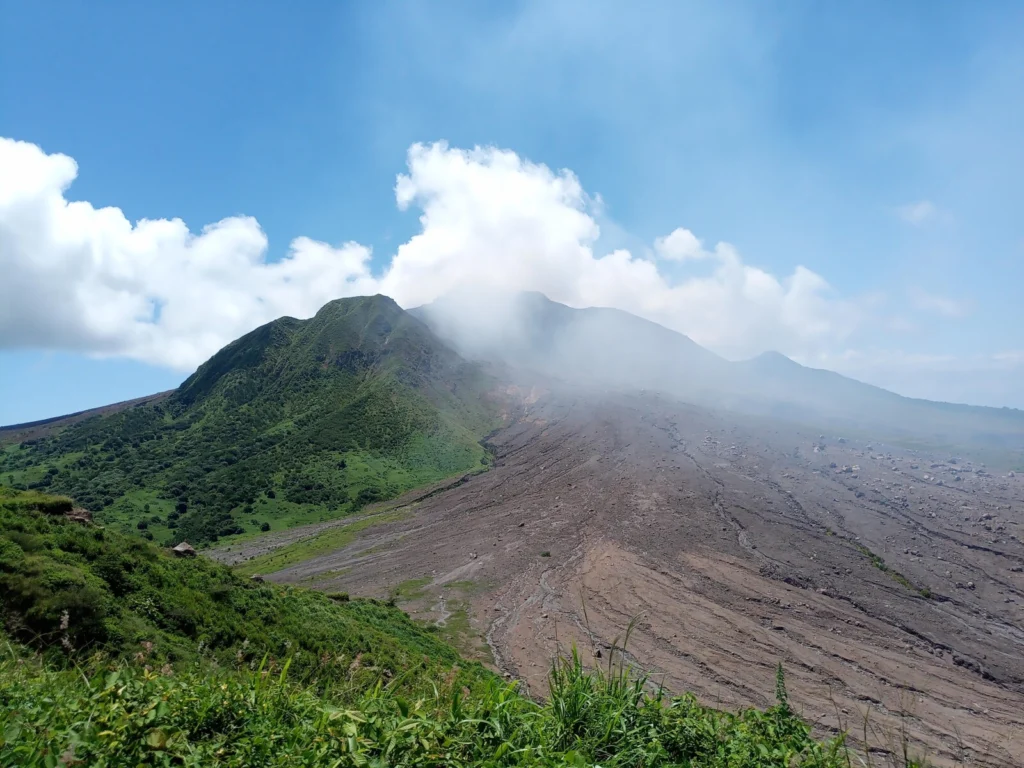
Between the Volcano and the Deep Blue Sea: Tales from Montserrat (Part 2)
In 1995, the Caribbean Island of Montserrat was shaken by the beginning of one of the most significant volcanic eruptions in recent history: one that profoundly changed the natural, social and economical landscape of the country. Three decades later, Soufrière Hills Volcano and its legacy of destruction still shape the lives of Montserrat’s people. Last …[Read More]
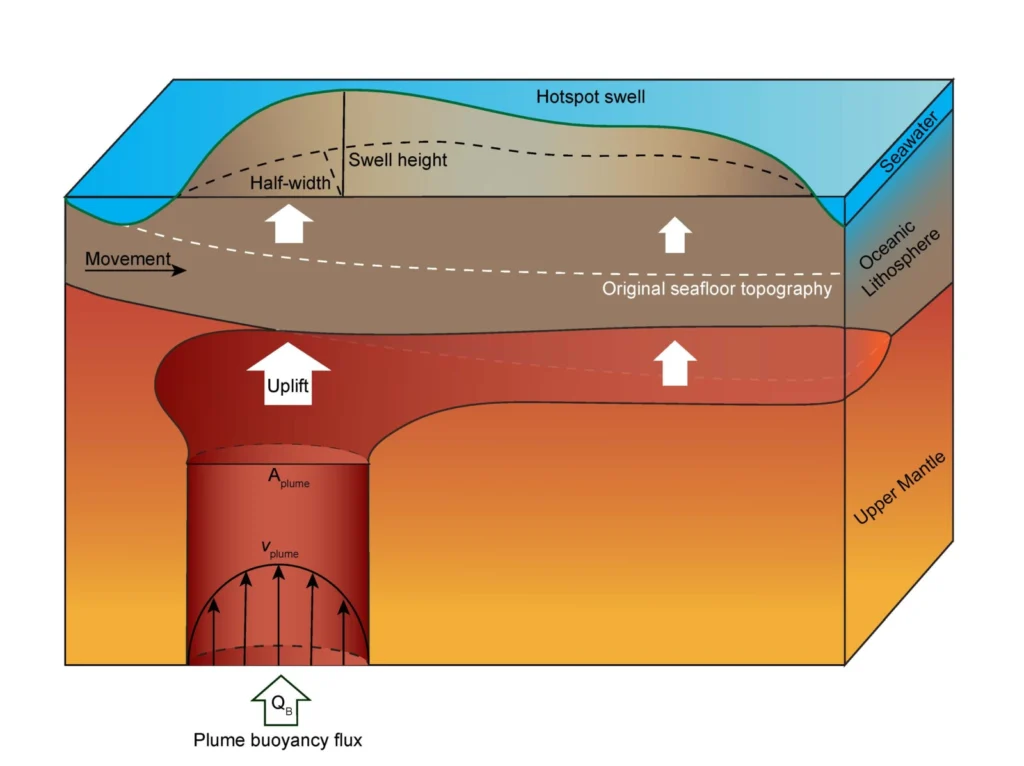
New Insights into Plume Buoyancy Fluxes and Dynamic Topography from Numerical Modelling
Figure 1. Illustration of the hotspot swell and plume buoyancy flux. White dashed line shows the original seafloor topography due to half-space cooling. Dark green line represents the surface dynamic topography caused by the dynamic uplift of the plume. One of the main surface expressions of dynamic topography are hotpot swells formed by mantle plumes. …[Read More]
Queer Quarterly: Allyship in the LGBTQIA+ community – what it is, how you can help
Queer Quarterly is the blog series of the EGU pride group, a LGBTQIA+ team of geoscientists engaged to uphold and improve the rights of the community in the EGU organization. This week’s post is dedicated to allyship: how people outside of the community can support our efforts. The term LGBTQIA+ is the abbreviation for Lesbian, …[Read More]
How Hot our Moon Can Get: Mapping Radioactive Elements and Thermal State of the Lunar Interior
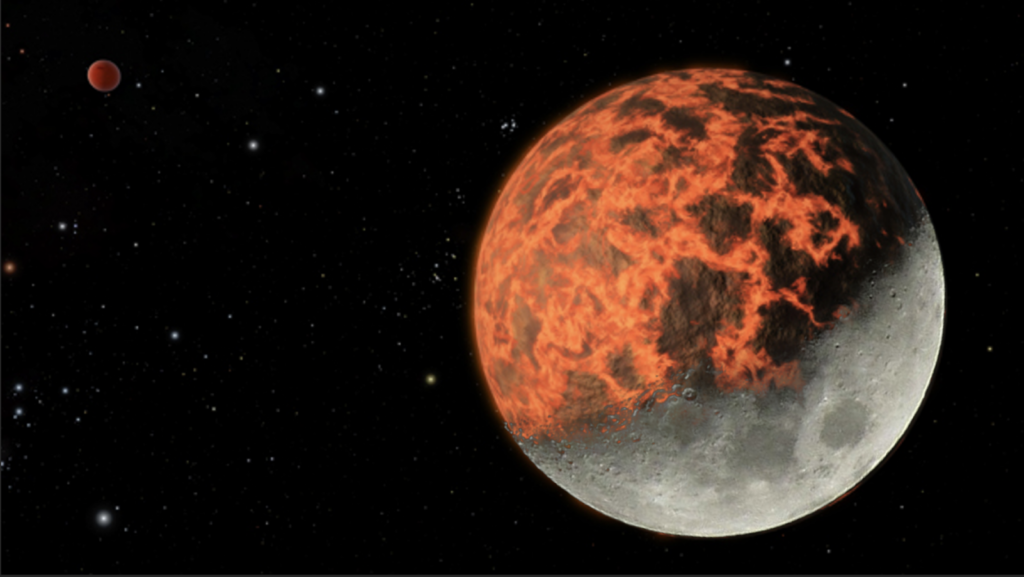
Geochemists and geophysicists, even with their favorite tools, have often scratched their heads while probing Earth’s deep interior—one can only imagine the challenges while applying those techniques to the Moon! This week in News & Views, Arkadeep Roy, a PhD candidate from the University of Arizona demonstrates how the intersection of experimental petrology, geochemistry, and geophysical …[Read More]
The Sassy Scientist – the one with covid blues
Did I get sick again? Covid, is that you? Long time no see. It’d be better if you left me alone, but I guess we don’t have much choice here, do we? While I’m knocked out by the sedatives to stop my lungs from squeezing themselves out, I ended up thinking about one of the …[Read More]
A New Look at the Rheology of Deep Subduction Zones
Subduction zones are dynamic regions where intense geological processes like earthquakes, volcanic eruptions, and the recycling of oceanic crust are constantly at play. A key factor that influences the behavior of these zones is *interface rheology*—the strength and viscosity of the boundary (the interface) between the subducting and overriding plates. Understanding this interface is crucial …[Read More]