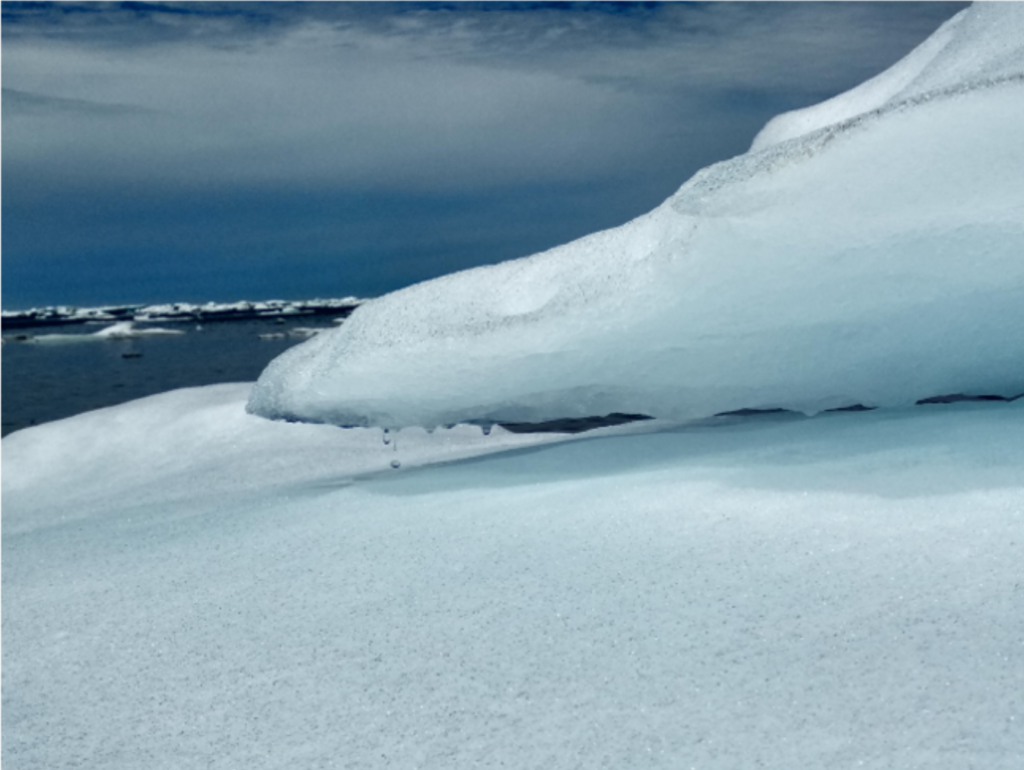
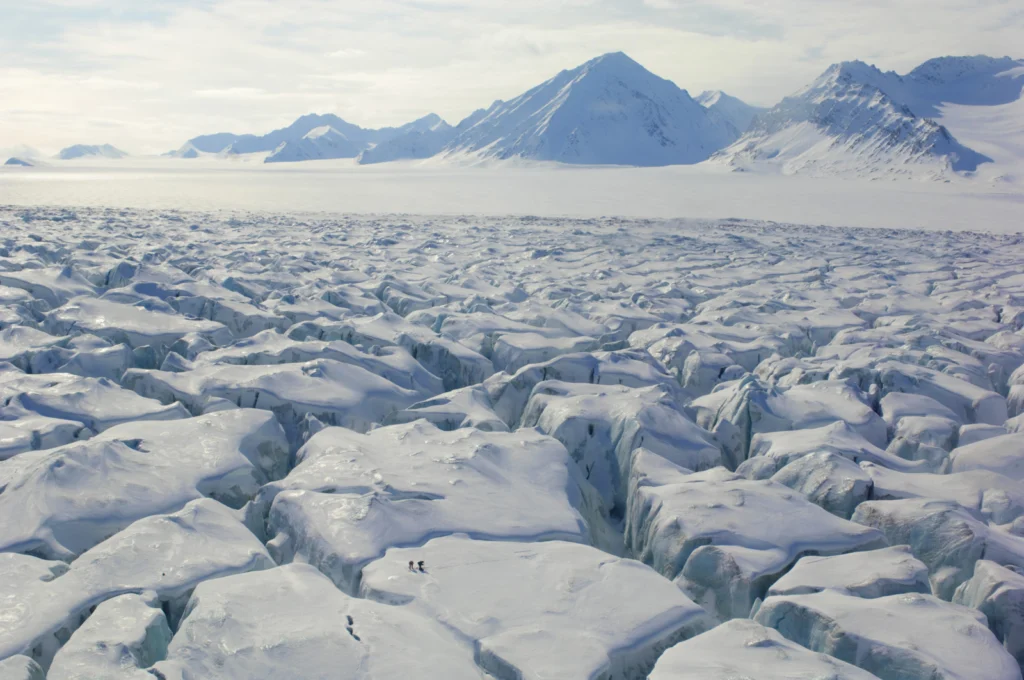
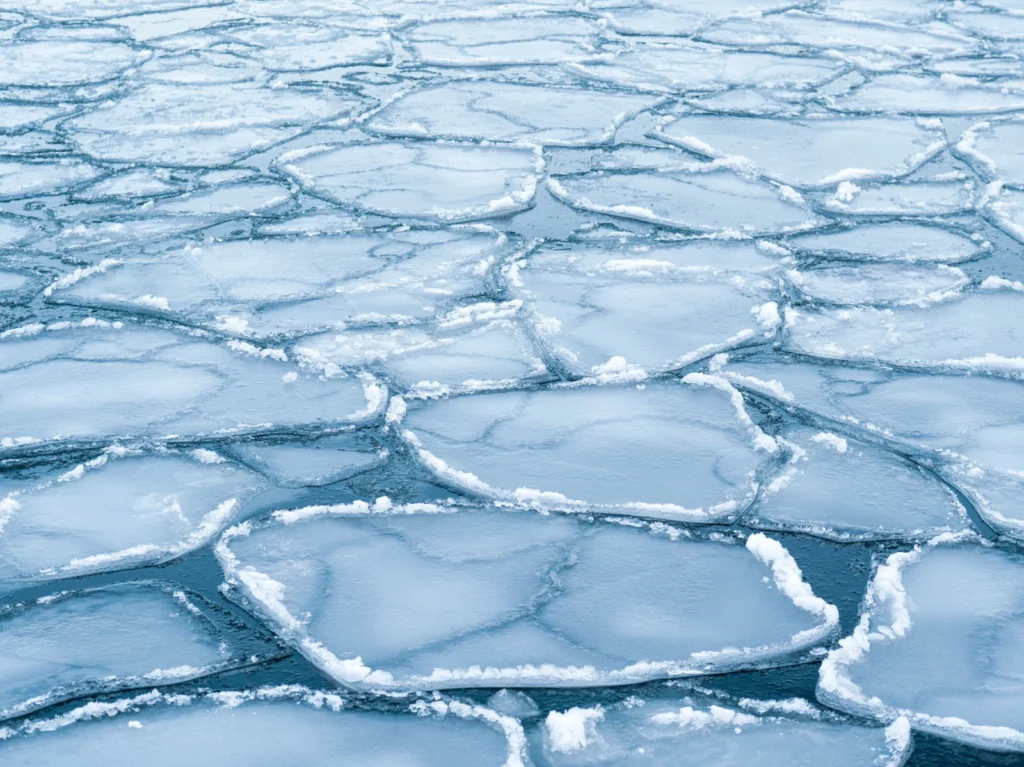
It’s no secret that the Arctic is warming faster than the rest of the planet, but why? Polar Amplification (often called Arctic Amplification) is the mechanism at play. In this week’s blog, we find out about its origins and why it happens. Early Discoveries In 1969, Russian scientist Mikhail Budyko and US scientist William Sellers …[Read More]
Antarctic
Women of Cryo IV: Virginia ‘Ginny’ Fiennes (1947 – 2004)
Women make up 50.8% of the worlds population, yet fewer than 30% of the world’s researchers are women. Of this percentage, BAME (Black Asia and Minority Ethnic) comprise around 5%, with less than 1% represented in geoscience faculty positions. The divide between women in the population and women in STEM needs to be addressed. Through …[Read More]
The Norwegian Polar Institute
It is a pleasure for the EGU Cryoblog team to present a new post category: Cryo-institutes around the world! There are many institutes working on cryosphere-related research spread around the world. The aim of this new category is to highlight the cool research that is carried out at these institutes, showing off our multi-faceted cryo-related …[Read More]
Atmospheric Rivers: A blanket for Antarctic winter sea ice
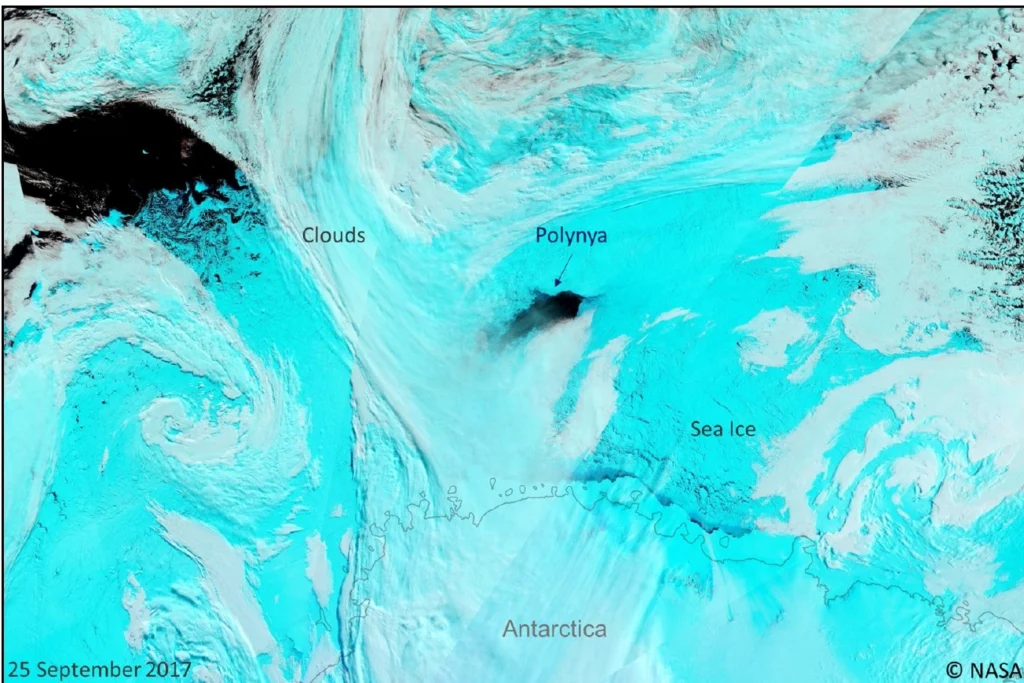
The mysterious appearance and disappearance of the Weddell Polynya, a giant hole in the sea ice cover, has long puzzled scientists. Recent work reveals that the polynya is initiated and maintained by gigantic and formidable atmospheric currents: atmospheric rivers! Read on to find out more… Each year, approximately 15 million square kilometers of ice forms …[Read More]
Did you know… the difference between sea-ice area and sea-ice extent?
At the beginning of March, just over a month ago, sea ice in the Arctic reached its annual maximum extent. As currently all media attention is focused on other news, you might have missed that, once again, this maximum fell below the 1981 to 2010 average maximum extent. When reading headlines about such sea-ice facts, …[Read More]
Image of the Week – Stuck in the ice: could it have been predicted?
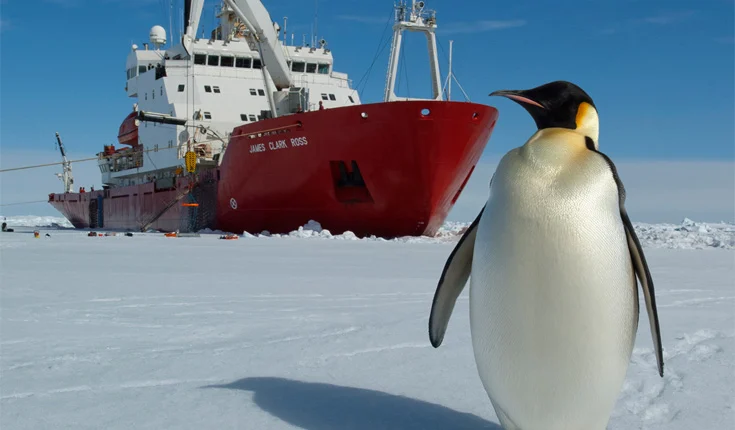
Expeditions in the Southern Ocean are invaluable opportunities to learn more about this fascinating but remote region of the world. However, sending vessels to navigate the hostile Antarctic waters is an expensive endeavor, not only financially but also from a human perspective. When vessels are forced to turn back due to hazardous conditions or, even …[Read More]
What’s on at POLAR18?
Next Tuesday (19th June) the POLAR18 Open Science Conference kicks off in Davos, Switzerland. We have put together a quick guide about events that might be of interest to you during the week! Conferences are about the science, of course, but the social side is just as important 🙂 What is POLAR18? The eagle-eyed among …[Read More]
Image of the Week – Polar Prediction School 2018
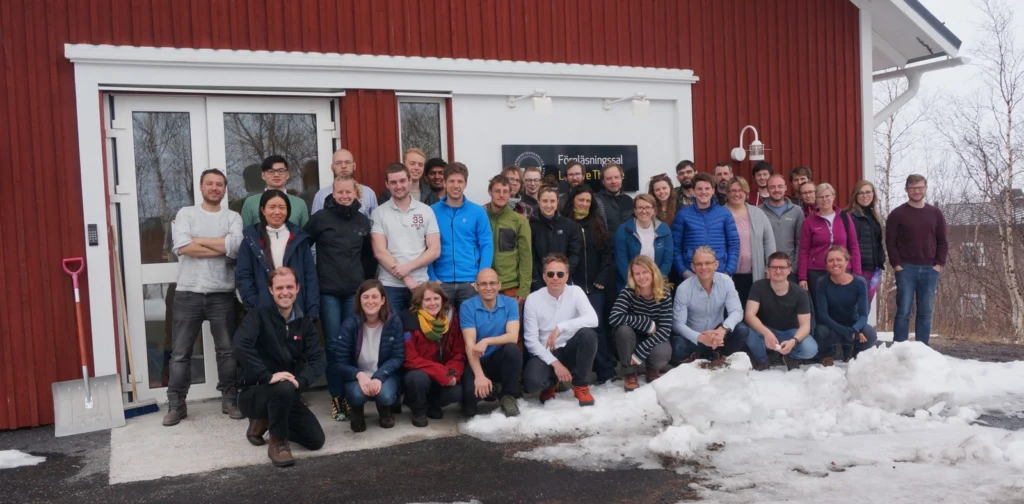
Early career scientists studying polar climate are one lucky group! The 29 young scientists who took part in the 10 day Polar Prediction School this year were no exception. They travelled to Arctic Sweden to learn and discuss the challenges of polar prediction and to gain a better understanding of the physical aspects of polar …[Read More]
Image of the Week – The ups and downs of sea ice!
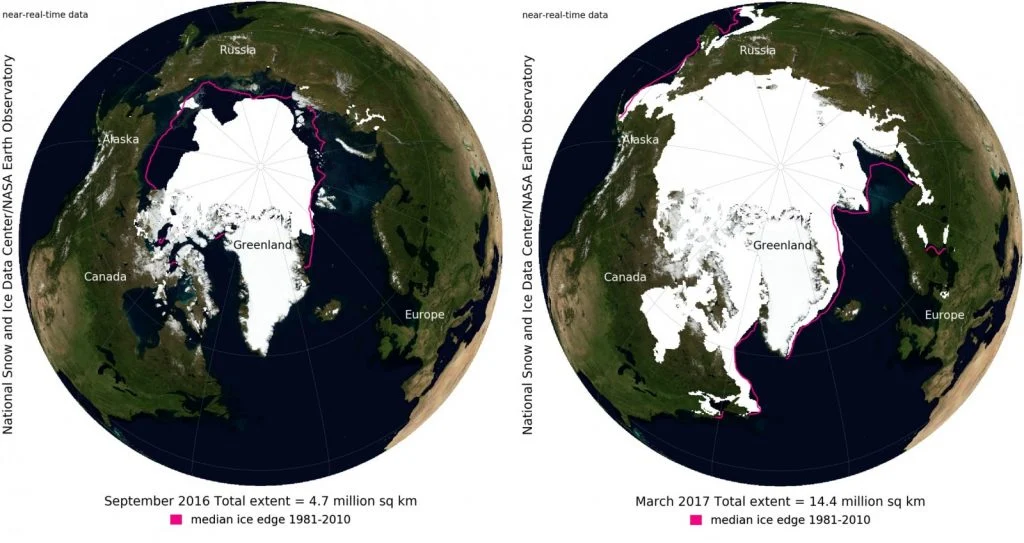
The reduction in Arctic sea-ice cover has been in the news a lot recently (e.g. here) – as record lows have been observed again and again within the last decade. However, it is also a topic which causes a lot of confusion as so many factors come into play. With this Image of the Week …[Read More]