
When we think of lightning, it is often accompanied by warm summer nights, tropical storms and a sticky feeling when we try to sleep. However, lightning also happens in the cold Arctic, and is even increasing in frequency. But how and why? And why does that matter? What is lightning? Lightning is caused by a …[Read More]

Cryo Careers: Should I stay, or should I go? Non-linear career paths
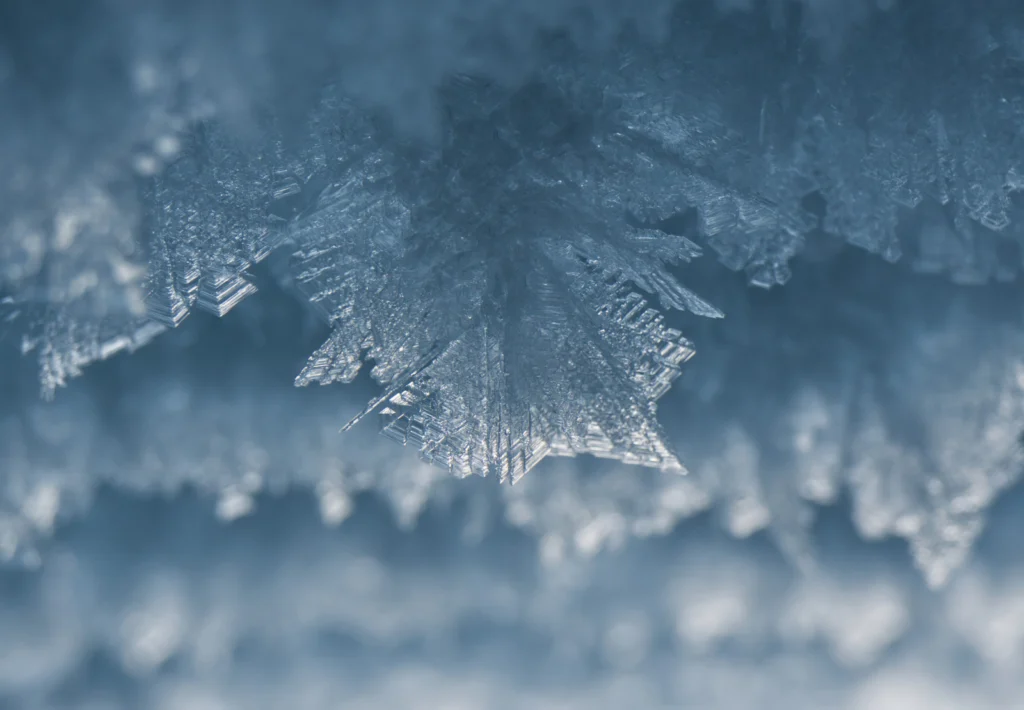
Nature is chaotic and random. Non-linear processes take place in our oceans, atmosphere and ice. No two snowflakes are the same, so why would two careers be the same? In this week’s blog, we highlight a number of scientists who took non-linear routes in their careers and give you some advice if you are considering …[Read More]
Cryo tips to make the most of vEGU21
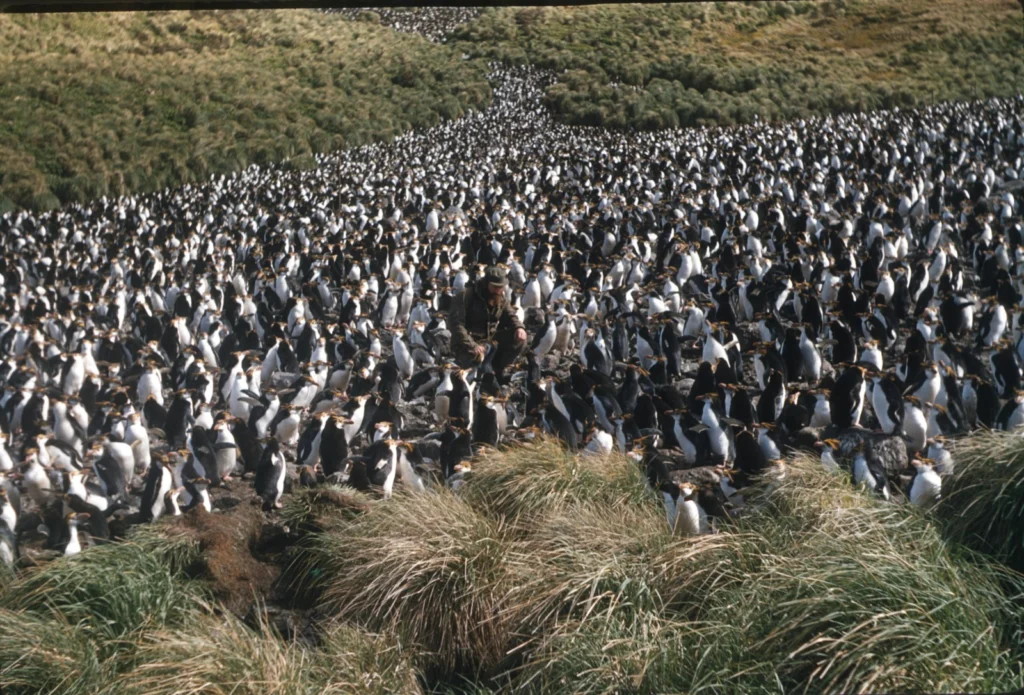
Similar to last year, this year’s annual general assembly is fully virtual. But unlike last year, the in-person experience is back! There are short courses, networking events and a website which looks just like the real Vienna Conference Centre. So go and buy yourself a Viennese Sachertorte, brew a batch of coffee and take 5 …[Read More]
Cryo-massy Films

There are countless Christmas films, and almost all of them feature some form of snow, ice or cold weather. There are the classics such as Home Alone, Elf and Miracle on 34th Street, and there are the newer, shall we say ‘Netflix’ style, which feature Princes, Knights and Vanessa Hudgens. There’s just no way to …[Read More]
Careers outside of academia
You’ve just finished your PhD or postdoc… now what? Perhaps you’re thinking of a non-academic career, but don’t know where to start, or which skills you need? Up to 70% of scientists move into non-academic careers after graduation (The Royal Society, 2010). But finding useful information and advice is hard. In today’s blog, we summarise …[Read More]
Did you know…? Antarctica Day 2019 – 60 years of peace
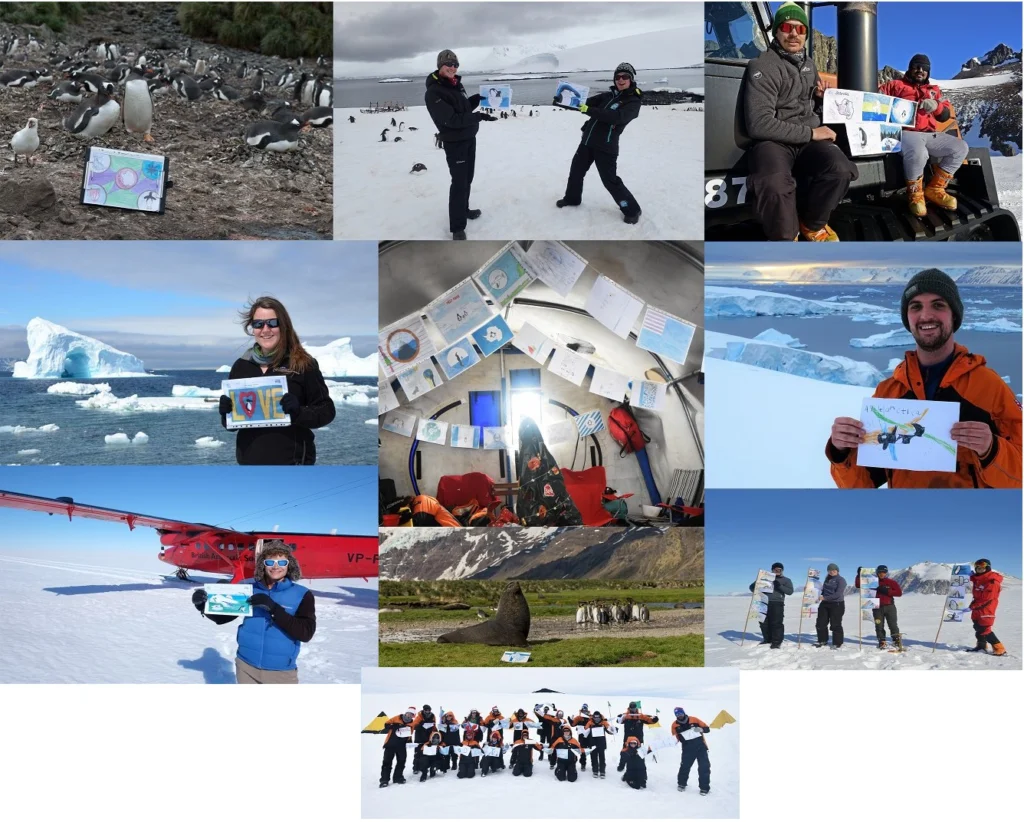
December 1st 2019 marks the 60th anniversary of the signing of the Antarctic treaty. To celebrate the signing of the treaty, ‘Antarctica Day’ now occurs each year on December 1st. But what is the Antarctic Treaty? How do people celebrate? This week’s blog post will tell you everything you need to know, just in time …[Read More]
Climate Change & Cryosphere – Summer 2019: The year that the Arctic was sunburned
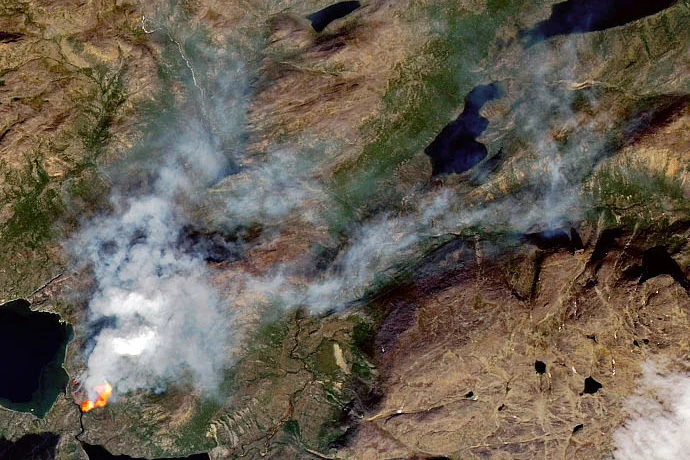
June, July and August 2019 saw extensive heat waves across Europe, with air temperatures reaching above 40°C in many countries. In response, record breaking ice melt was observed in Greenland and wildfires in Siberia, Alaska, Arctic Canada and Greenland occurred. A particularly dry and warm summer was responsible for hemisphere-wide changes to the cryosphere. In …[Read More]
An interview with Jenny Turton, early-career representative for the cryo-division of the EGU

The European Geophysical Union (EGU) has a number of scientific divisions or themes, such as cryosphere, atmospheric sciences and geodesy. Each division has a representative for early career scientists, and often a team of scientists who write and edit blogs and organise events. Today, Jenny Turton, the new representative for the cryo-division, explains a bit …[Read More]
Image of the Week – The GReenland OCEan-ice interaction project (GROCE): teamwork to predict a glacier’s future
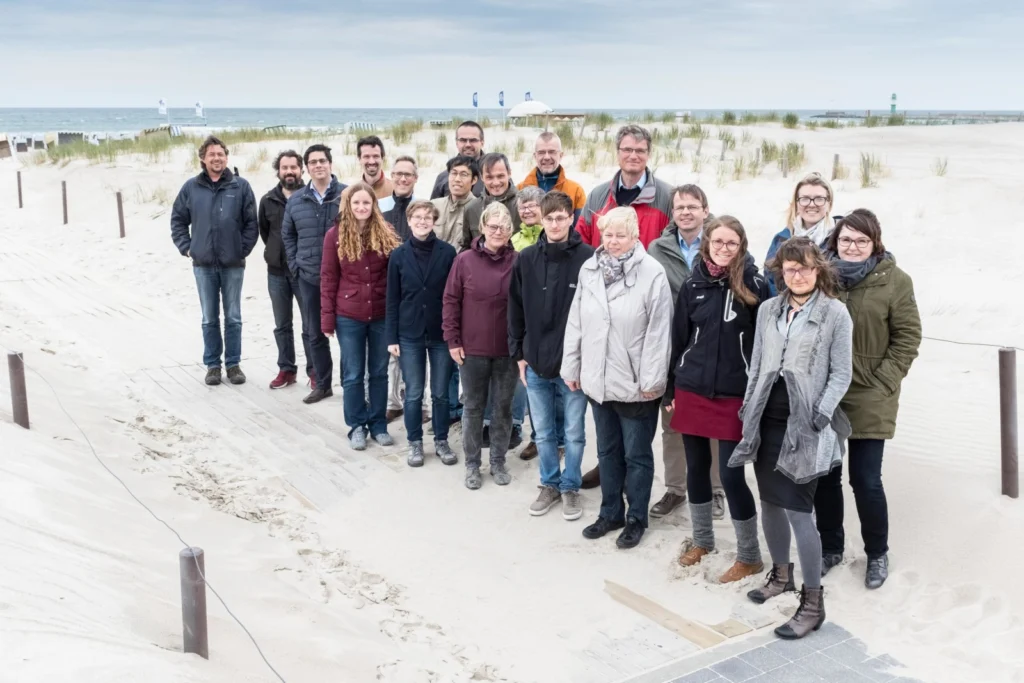
The GROCE project, funded by the German Ministry for Education and Research (BMBF), takes an Earth-System approach to understand what processes are at play for the 79°N glacier (also known as Nioghalvfjerdsfjorden), in northeast Greenland. 79°N is a marine-terminating glacier, meaning it has a floating ice tongue (like an ice shelf) and feeds into the …[Read More]
Image of the Week – Polar Prediction School 2018
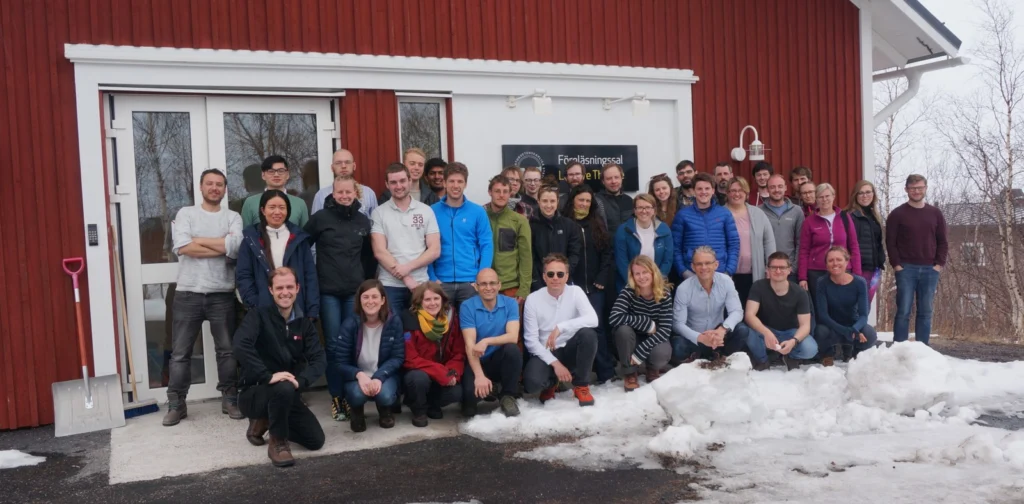
Early career scientists studying polar climate are one lucky group! The 29 young scientists who took part in the 10 day Polar Prediction School this year were no exception. They travelled to Arctic Sweden to learn and discuss the challenges of polar prediction and to gain a better understanding of the physical aspects of polar …[Read More]