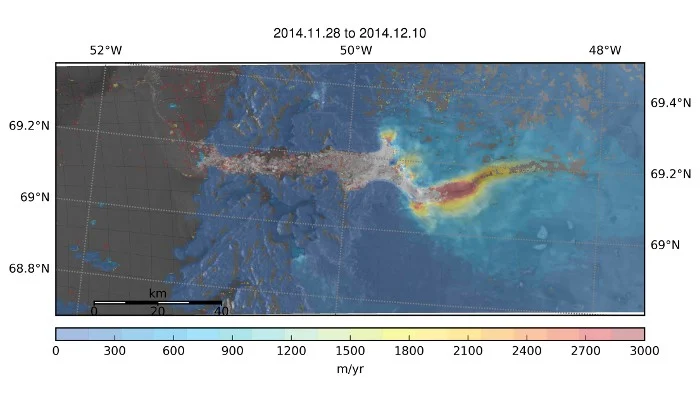
Hello again, I’m Kathi Unglert, and you’re about to read my third and final post as a student reporter at EGU 2016. Today I am writing about my experience in the cryosphere sessions from my volcanology perspective. In preparation for the conference I kept thinking about what sort of research I would see in the …[Read More]
Latest posts
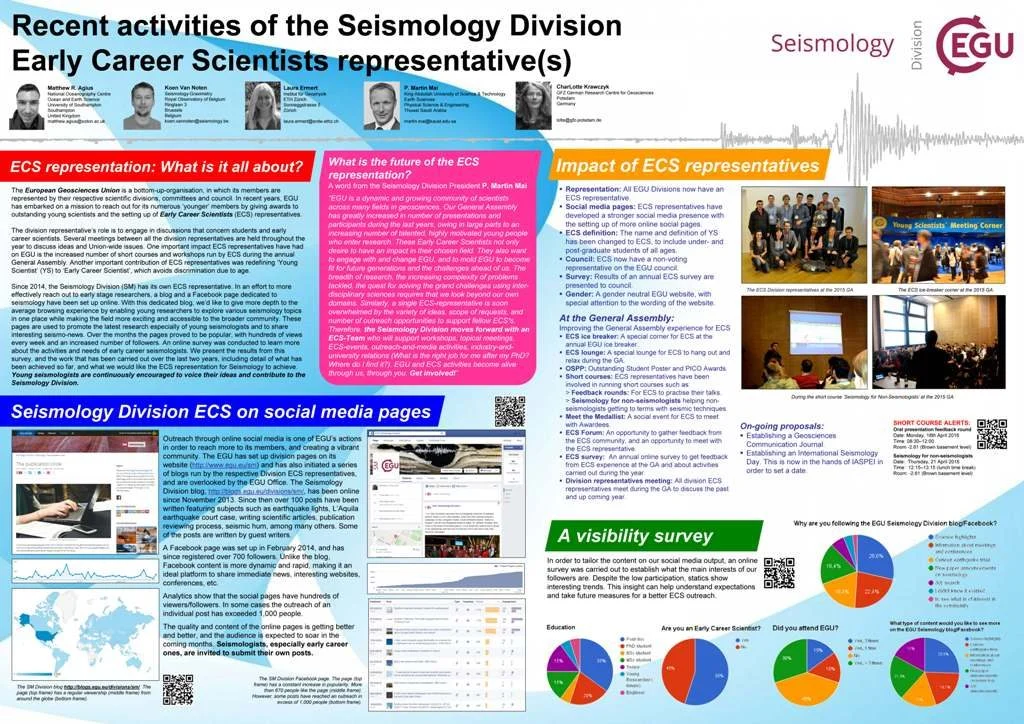
Recent activities of the Seismology Division Early Career Scientists representative(s)
In this blog post we highlight the work that has been done by the Early Career Scientists representatives of the Seismology Division in the last two years. In recent years the European Geosciences Union has embarked on a mission to reach out for its numerous ‘younger’ members by giving awards to outstanding young scientists and the setting up …[Read More]
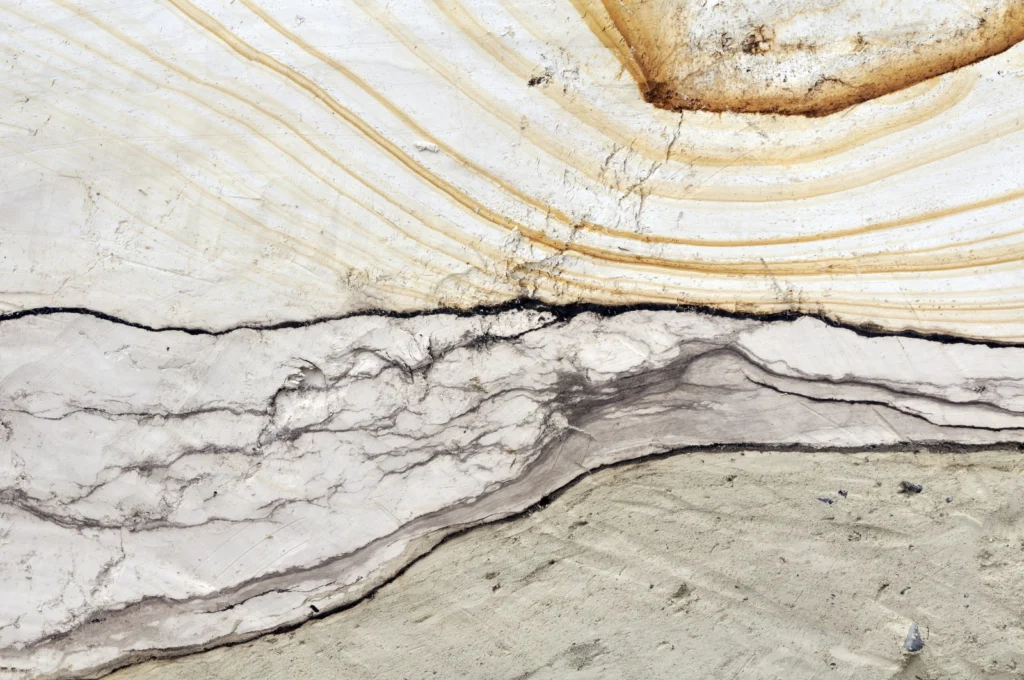
Imaggeo on Mondays: Earth Wave
Take a stroll along the norther beaches of the French Channel Coast, some kilometers east from the entrance of the Channel Tunnel, and you’ll encounter an imposing cliff of soft, sandy composition which dominates the landscape. On close inspection, the sediments which make up the Quaternary aged deposits of the Sangatte Cliff, are beautiful, revealing …[Read More]
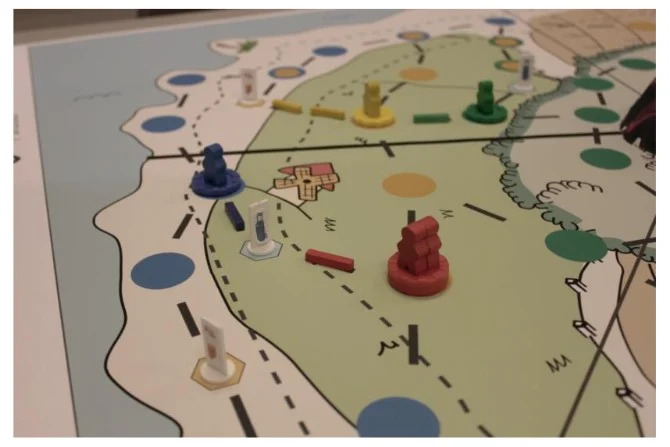
GeoSciences Column: Hazagora – will you survive the next disaster?
There is no better thing, on a cold and stormy winter’s evening, than to gather your friends for a night of games / board games. Fire blazing (if you have one), tasty snacks laid out and drinks poured, you are all set to indulge in a night of scheming (if you are playing battle ship), …[Read More]
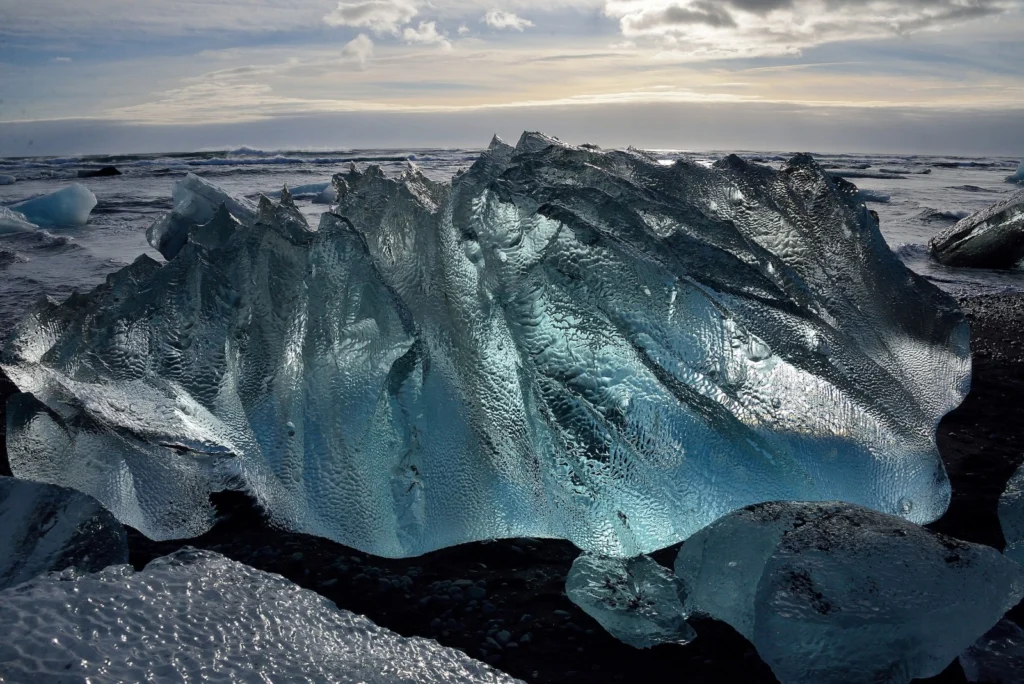
Image of the Week — Glowing Ice
Two weeks ago, the EGU General Assembly was coming to an end in Vienna. With over 16,500 participants, this year’s edition was bigger and more varied than ever (e.g check out this good overview of the science-policy short course, published 2 days ago on geolog). The week was particularly fruitful for the cryospheric sciences and to mark this …[Read More]
GeoPolicy: How to communicate science to policy officials – tips and tricks from the experts
The EGU General Assembly was bigger than ever this year. Over 16,500 people attended more than 500 sessions. Although many sessions featured policy-relevant science, the short course entitled ‘Working at the science policy interface‘ focused purely on the role of scientists within the policy landscape. For those of you that couldn’t attend, this month’s GeoPolicy post …[Read More]
Careers at the European Space Agency – How and Why?
As the pace of modern life speeds up and job competition becomes even more fierce, it is good to have a focused plan of where you would like to be in the future. The European Space Agency (ESA) offers traineeships and research positions to young scientists on a regular basis. They may be a springboard …[Read More]
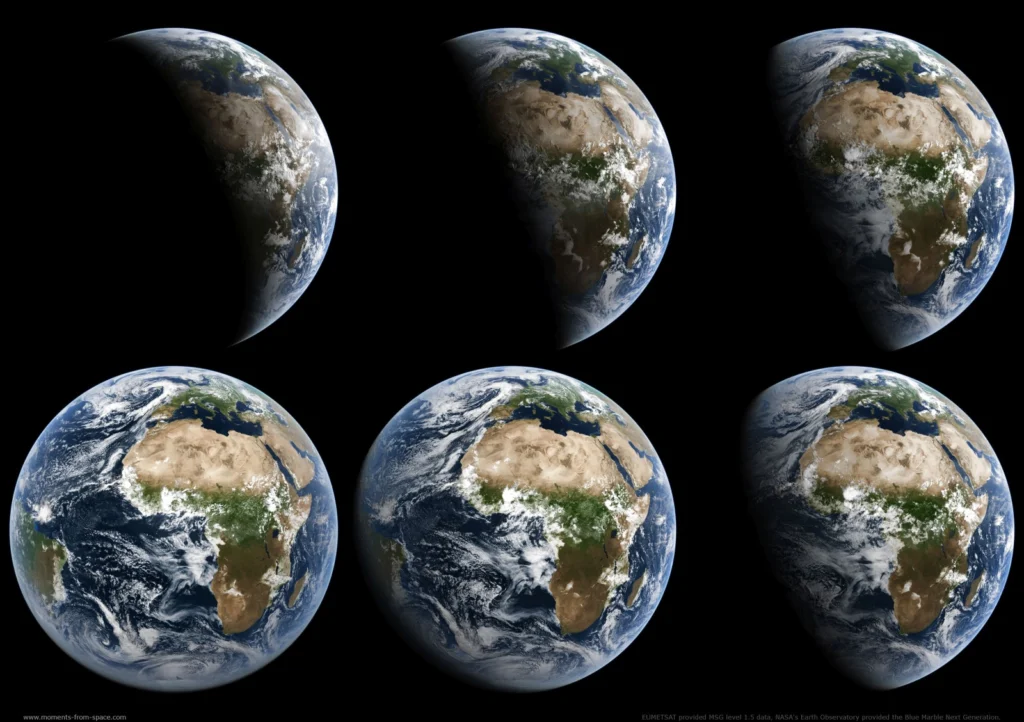
Imaggeo on Mondays: The waxing Earth
These incredible images of Earth were acquired from the European MSG-2 satellite on July 21, 2009. The MSG, which stands for Meteosat Second Generation, satellites are operated as a series of satellites which continually orbit our planet, capturing detailed images of Europe, Africa and parts of the Atlantic and Indian Ocean every 15 minutes. The data acquired …[Read More]
Image of the Week – Storing water in Antarctica to delay sea-level rise
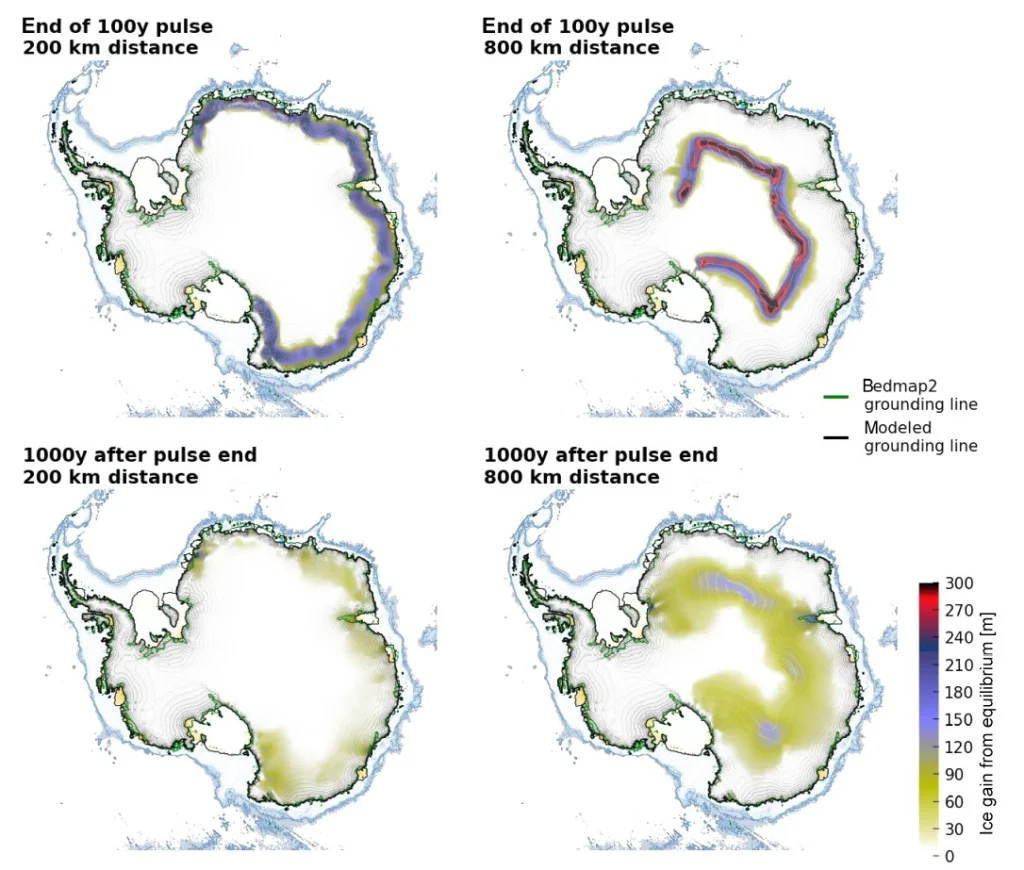
Sea level rise Sea-level rise is one of the main impacts of the current global warming and its rate has dramatically increased in the last decades (the current rate is about 3 mm per year). Even if greenhouse gas emissions were stopped today, sea level would continue to rise due to the slow Earth …[Read More]
GeoTalk: A smart way to map earthquake impact
Last week at the 2016 General Assembly Sara, one of the EGU’s press assistants, had the opportunity to speak to Koen Van Noten about his research into how crowdsourcing can be used to find out more about where earthquakes have the biggest impact at the surface. Firstly, can you tell me a little about yourself? …[Read More]