
At the last EGU general assembly, Matthew Agius has stepped down as main early career scientist (ECS) representative and a new team assembled around Laura Parisi has taken over! Gender equality is not maintained, instead we are very proud to announce a 4/2 women/men distribution. Let us take the opportunity to briefly introduce ourselves. We …[Read More]
Latest posts
Image of the Week — Historical aerial imagery of Greenland
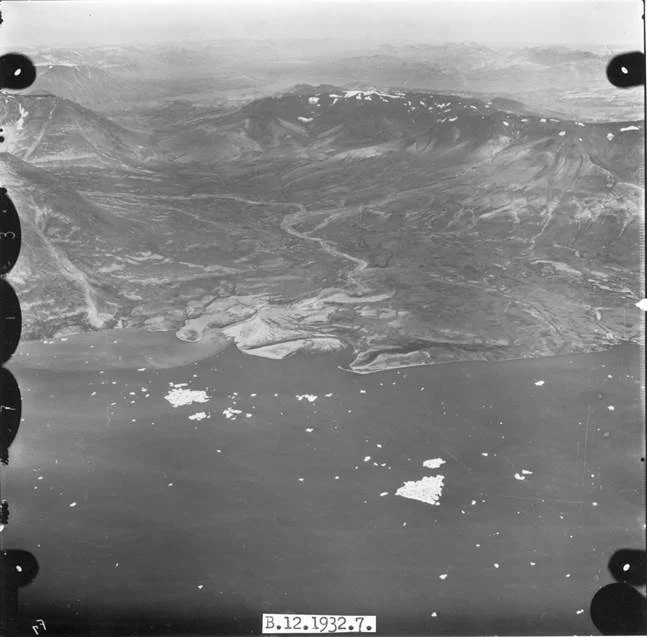
A few month ago, we were taking you on a trip back to Antarctic fieldwork 50 years ago, today we go back to Greenland during 1930s! When geopolitics serves cryospheric sciences The Permanent Court of International Justice in The Hague awarded Danish sovereignty over Greenland in 1933 and besides geopolitical interests, Denmark had a keen …[Read More]
European Space Agency Living Planet Symposium 2016
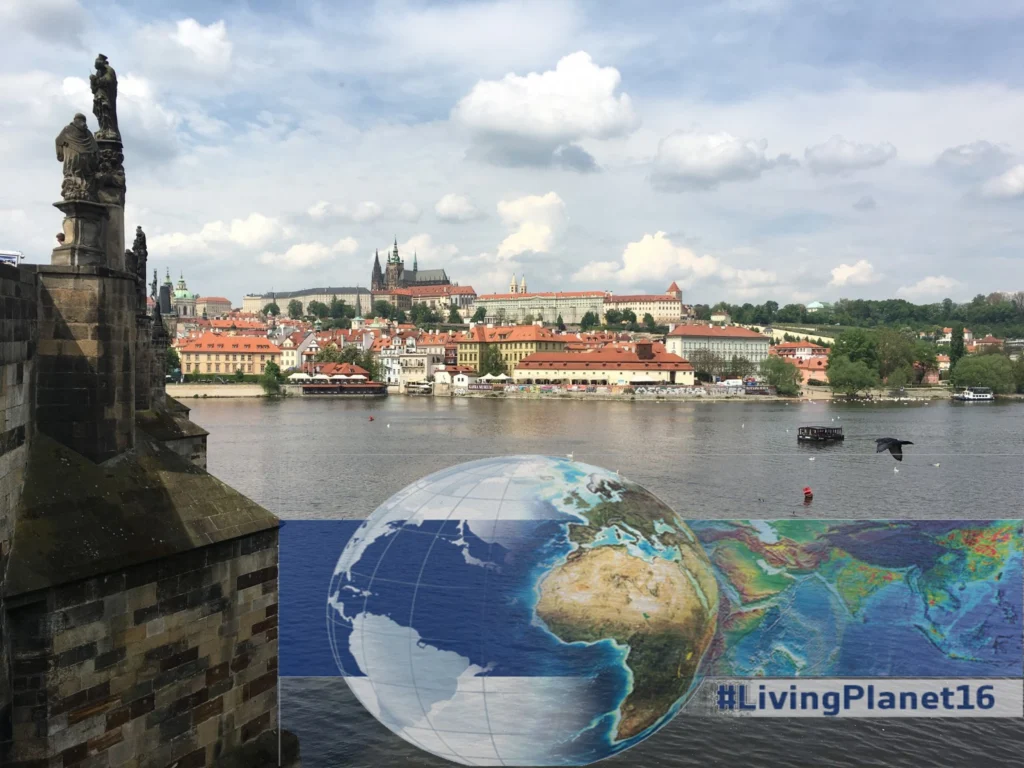
Living Planet Symposium Between the 9th and 13th May, Prague played host to the European Space Agency’s (ESA) fourth Living Planet Symposium. The event, the largest in its history with over 3300 attendees, brought together the earth observation community across multiple disciplines to discuss significant scientific results and the future developments of earth observation missions. …[Read More]
The new and exciting face of waterunderground.org
by Tom Gleeson I started waterunderground.org a few years ago as my personal groundwater nerd blog with the odd guest post written by others. Since I love working with others, I thought it would be more fun, and more interesting for readers, to expand the number of voices regularly posting. So here is the new …[Read More]
Great walls of fire – Vitrification and thermal engineering in the British Iron Age
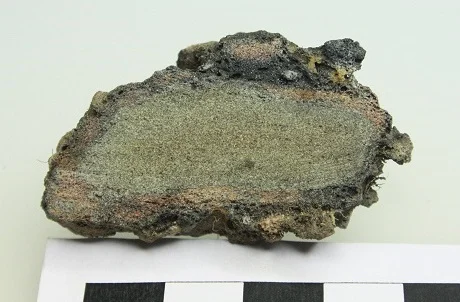
It’s long been recognised the peoples of European prehistory occasionally, and quite deliberately, melted the rocks from which their hilltop enclosures were made. But why did they do it? In today’s blog post Fabian Wadsworth and Rebecca Hearne explore this question. Burning questions Throughout the European Bronze and Iron Ages (spanning 2600 years from 3200 …[Read More]
Imaggeo on Mondays: Moving images – Photo Contest 2016
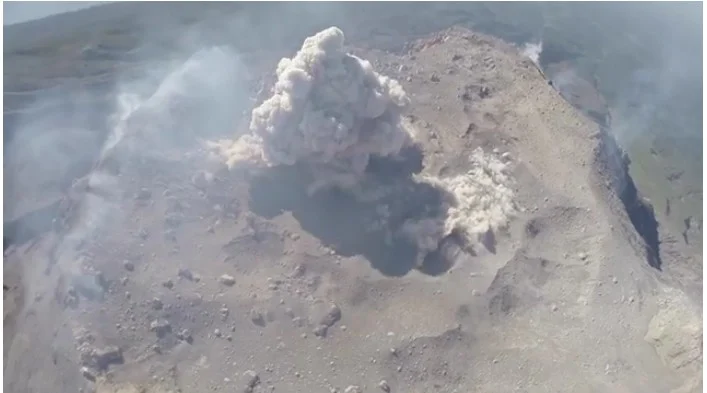
Since 2010, the European Geosciences Union (EGU) has been holding an annual photo competition and exhibit in association with its General Assembly and with Imaggeo – the EGU’s open access image repository. In addition to the still photographs, imaggeo also accepts moving images – short videos – which are also a part of the annual …[Read More]
Short video on Geomorphology – Sediment Dynamics in high-mountain Environments
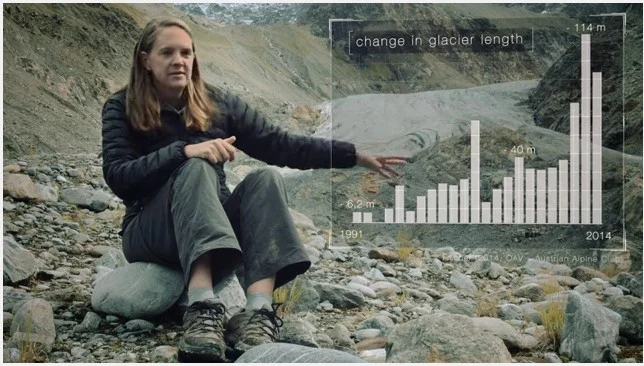
Geomorphology is the science of processes shaping the earth surface. Especially in high-mountain environments, where the relief is steep, these processes move a great amount of material. This 10 minute video features Geomorphologists from different parts of the world, explaining what happens when glaciers retreat and expose sediments to erosion and how it affects us …[Read More]
Writing boost: Being a reviewer
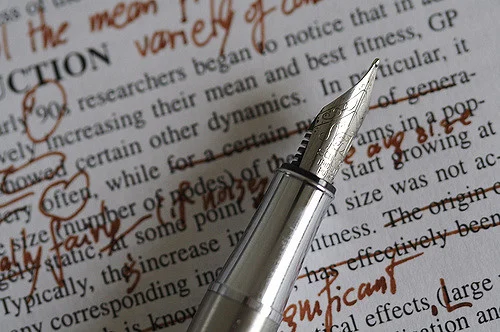
I don’t know how you feel … but after a stressful month to prepare for EGU and a month relaxing and getting back to work, it is now time for the last part of tips for writing, submitting, and reviewing. The last two times we have talked about scientific writing and the submission process. Today, I will …[Read More]
Coffee break biogeosciences – New coral reef at Amazon river mouth discovered
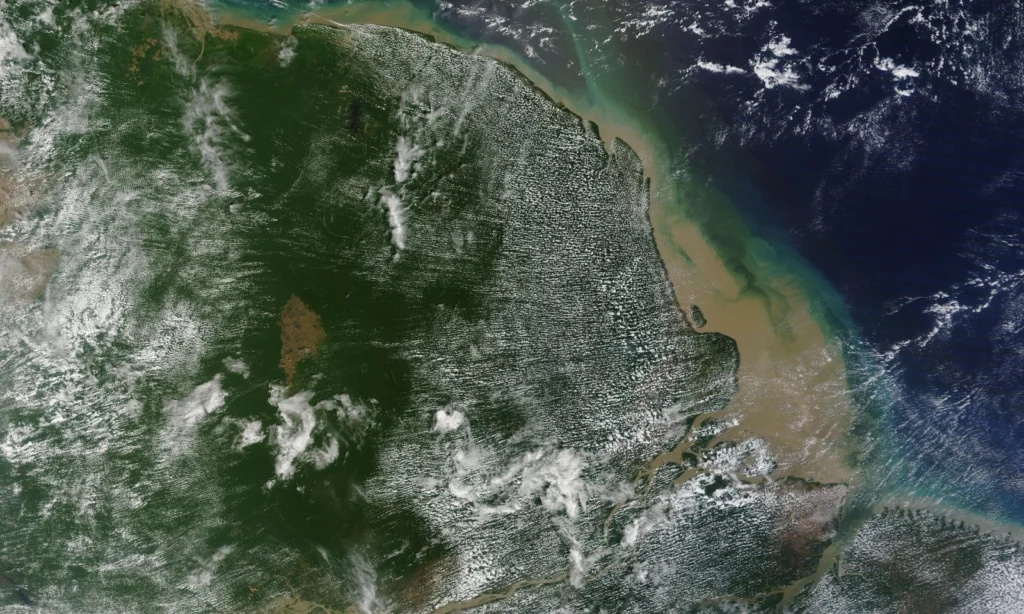
At the Amazon river mouth, a huge 9,300 sq km coral reef system has been found below the muddy waters off the mouth of the river Amazon. As corals mostly thrive in clear, sunlit, salt water, and the waters near the mouth of the Amazon are some of the muddiest in the world, the discovery …[Read More]
Livers, guts and gills: understanding how organisms become fossils
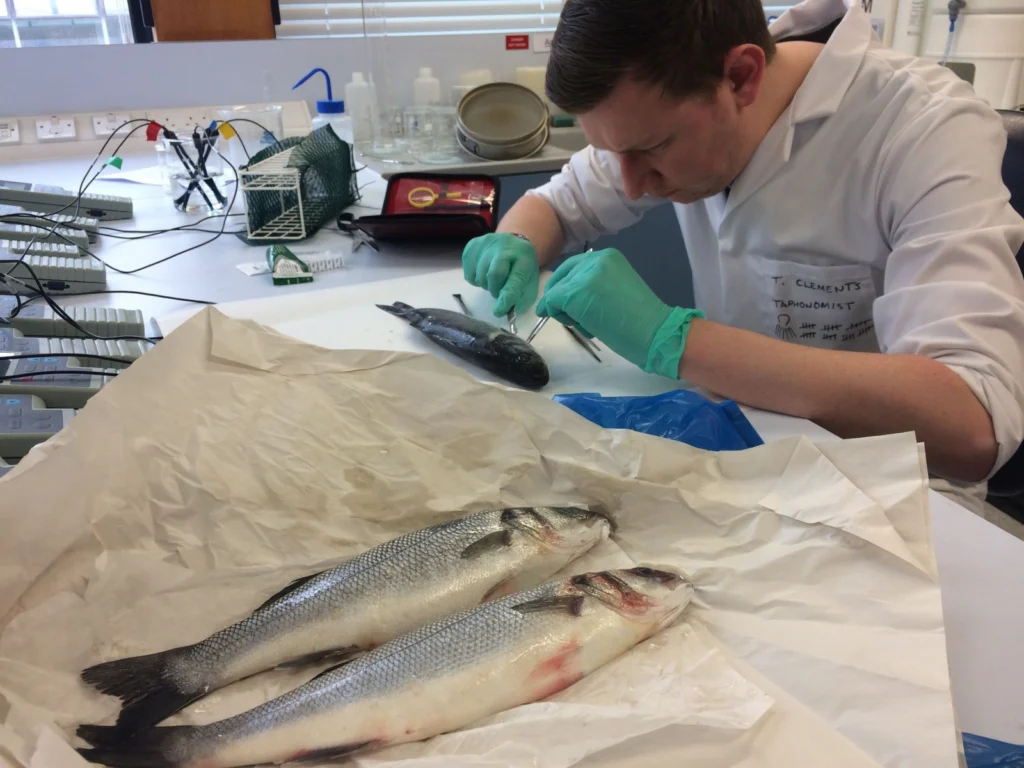
It’s 10am and Thomas Clements, a 3rd year palaeobiology PhD Student, is getting ready to check on his latest experiment. Full kited up in what can only be described as a space suit, Thomas carefully approaches the fume cupboard home to his latest specimen: a decaying seabass, balanced on a specially designed ‘hammock’ in a …[Read More]