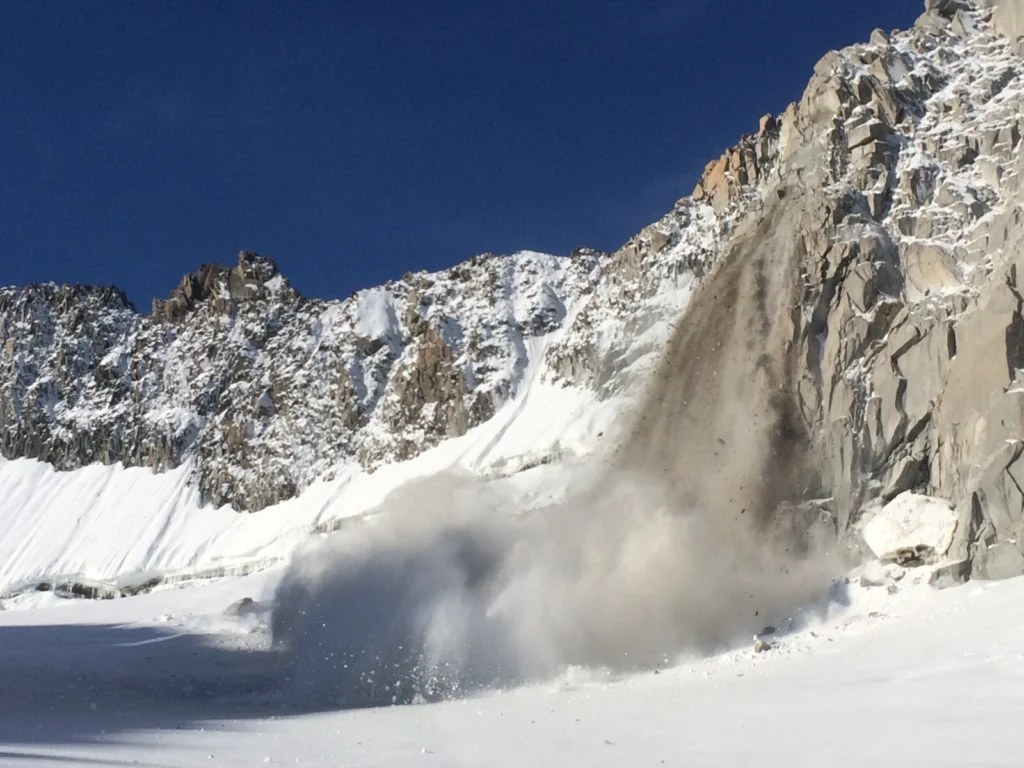
This photo captures a rockfall at the summit of Tour de Ronde, 3792 m above sea level in the Mont Blanc Massif. On 27 August 2015, around 15000 m3 of rock fell from the steep walls of the mountain. Why do mountains crumble ? Rockfalls such as the one on the photo have been linked …[Read More]
Latest posts
Share the work you presented at EGU 2016: upload your presentations for online publication
This year it is, once again, possible to upload your oral presentations, PICO presentations and posters from EGU 2016 for online publication alongside your abstract, giving all participants a chance to revisit your contribution – hurrah for open science! Files can be in either PowerPoint or PDF format. Note that presentations will be distributed under the Creative Commons Attribution …[Read More]
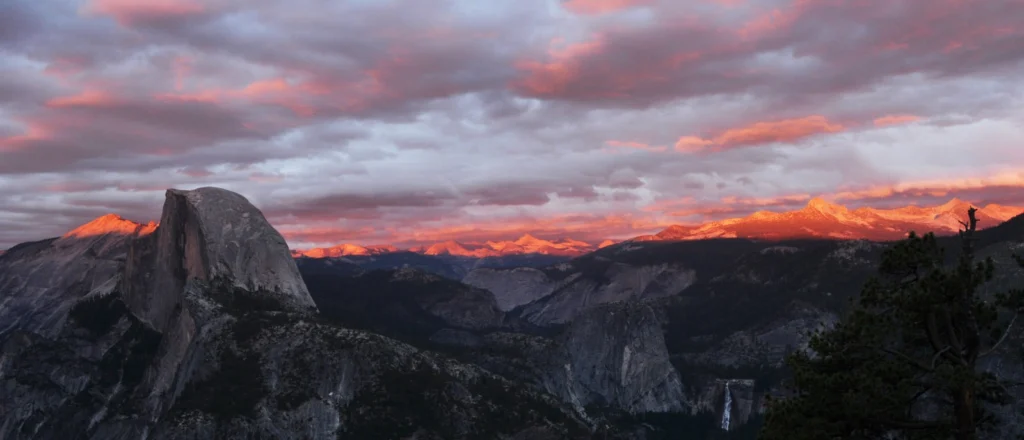
Imaggeo on Mondays: Half dome at sunset
Yosemite’s Half Dome stands, majestic, over a granite dominated terrain in the Yosemite Valley area; one of the most beautiful landscapes in northern America, and arguably, the world – it is also an Earth scientist’ playground. Stamped into the west slope of the Sierra Nevada range, the Yosemite Valley is a collection of lush forests, …[Read More]
4 ways to have your say
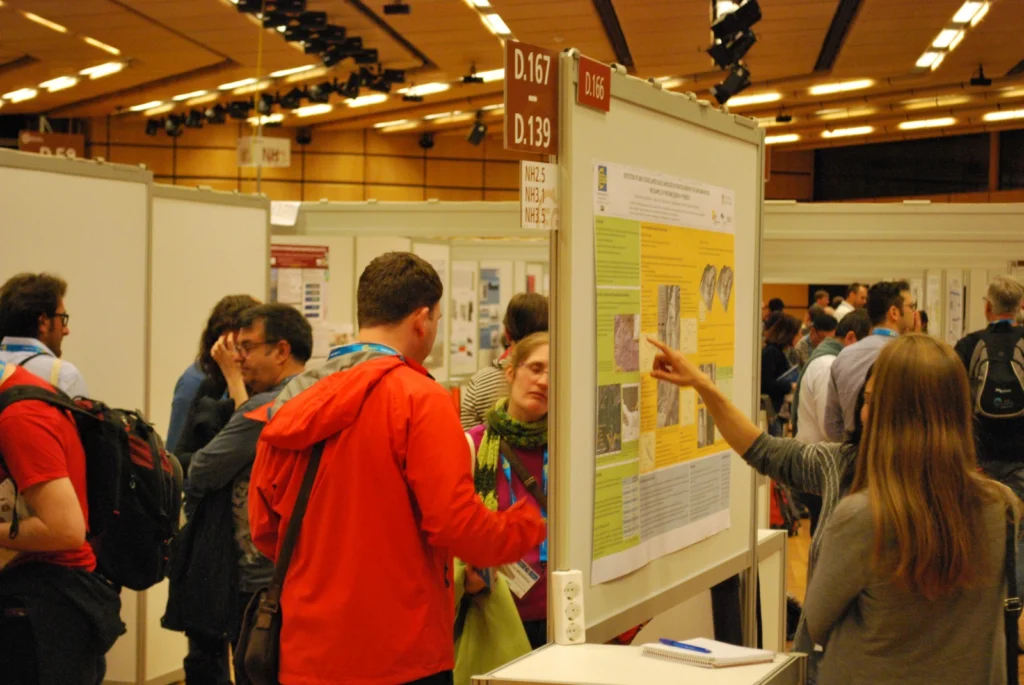
A couple of weeks ago, we promised a more detailed review of our experience at the General Assembly 2016. Here is something we deemed worthy to spread word about. EGU is dedicated to geoscience, so the first thing we are all looking for in the general assembly and EGU’s journals is…interesting science! Duh. But science …[Read More]
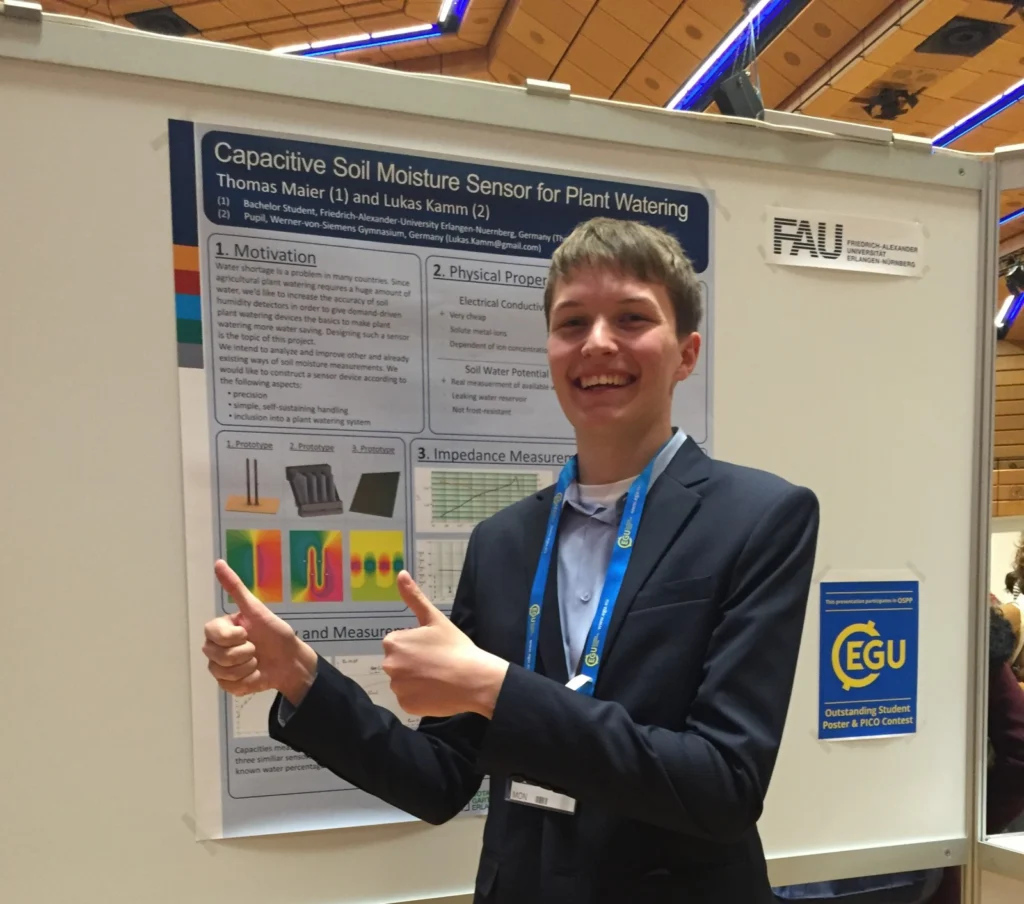
Geo Talk: One of the youngest EGU 2016 General Assembly delegates sends sensor to space
Presenting at an international conference is daunting, even for the most seasoned of scientists; not so for Thomas Maier (a second year university student) who took his research (co-authored by Lukas Kamm, a high-school student) to the EGU 2016 General Assembly! Not only was their work on developing a moisture sensor impressive, so was Thomas’ …[Read More]
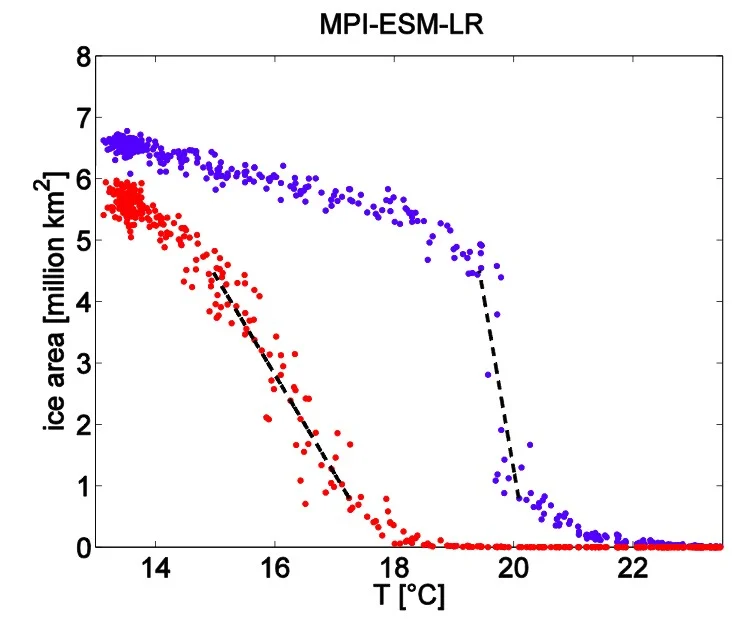
Image of the Week – See How Seasonal Sea Ice Decline Differs!
Why do we care about sea ice in the first place? Sea ice is important for several components of the climate system. Due to its high albedo, sea ice reflects a high amount of the incoming solar radiation and is therefore relevant for the Earth’s energy budget. Sea ice inhibits the exchange of heat, moisture …[Read More]
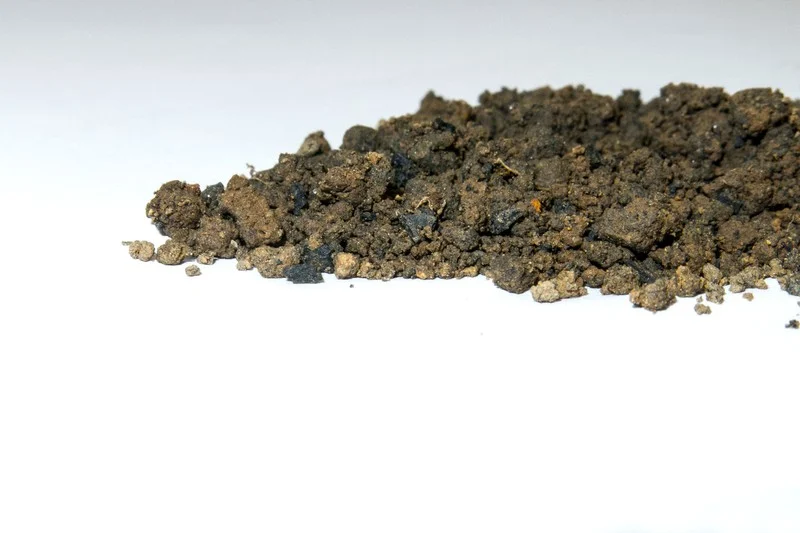
New and traditional soil amendments – not so new after all?
Caroline Spann University of Natural Resources and Life Sciences, Vienna As of increasing demands for 4F (food, feed, fiber and fuel production) from agricultural sites there are many researches being done on soil amendments to increase yields, to remediate degraded or even contaminated soils to make them more profitable again. Tuesday morning a session was …[Read More]
Take a deep breath… Or not!
We all know that pollution, of any kind, is not good news and that it may lead to health risks. Air pollution, such as smog, is something many large cities experience, especially in low- and middle-income countries. The World Health Organisation reports that “As urban air quality declines, the risk of stroke, heart disease, lung cancer, …[Read More]
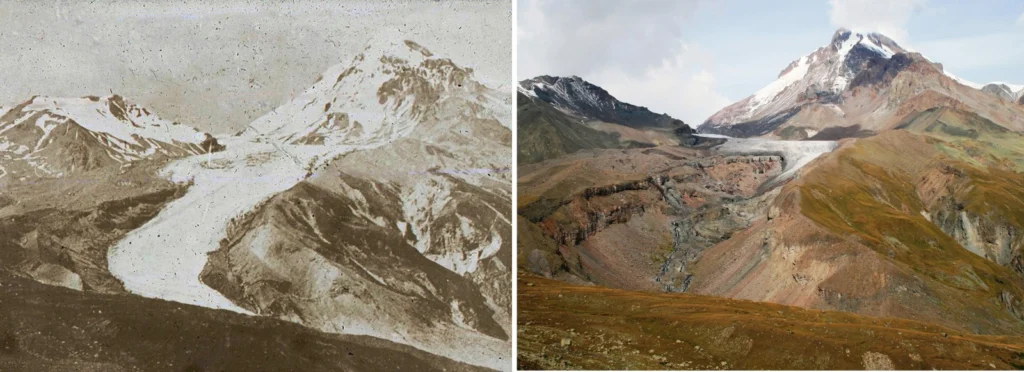
The final days of the mountain glaciers
In 1896 British lawyer, mountaineer and author Douglas Freshfield climbed an obscure mountain in the Caucasus called Kasbek and in his book detailing his adventures he described the mountain: “From this point the view of Kasbek is superb: its whole north-eastern face is a sheet of snow and ice, broken by the steepness of the …[Read More]
Go ask a statistician!
Caroline Spann University of Natural Resources and Life Sciences, Vienna During the EGU2016 Assembly, the chair of the statistics advisory panel of European Journal of Soil Science offered a short course on common statistical problems in soil science papers called “Secrets from the statistics panel: common statistical problems in soil science papers”. Motivation to start such …[Read More]