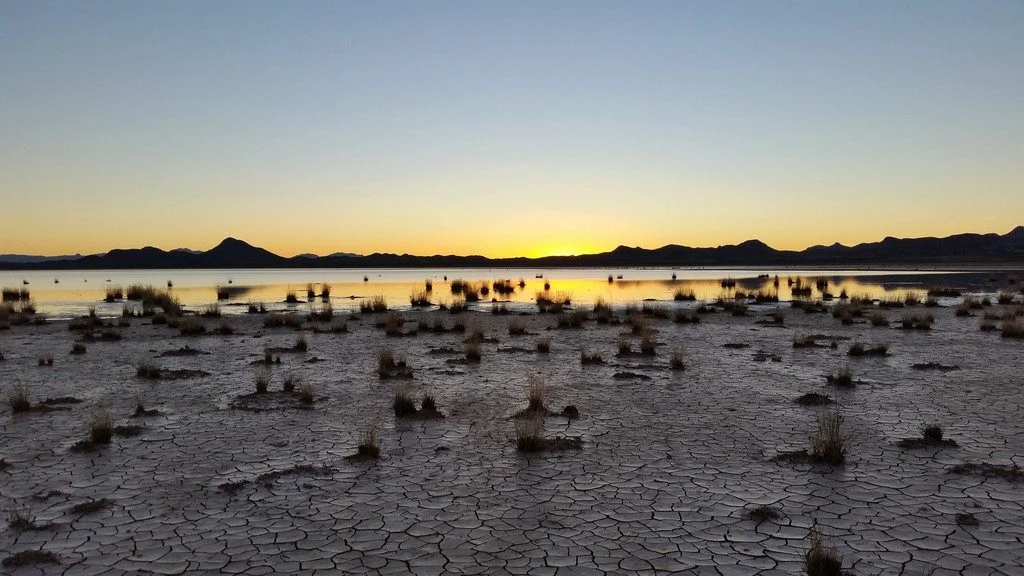
This picture was taken on the way back from collecting field measurements at the Lordsburg Playa in southwestern New Mexico, USA. The setting sun highlights the contrast between the dry, cracked soil and the standing water from antecedent rainfall. A playa is a flat topographic depression in arid or semi-arid regions that contains a large amount of deposited sediment. When the surface of the playa ...[Read More]
Regular Features
GeoTalk: How will large Icelandic eruptions affect us and our environment?
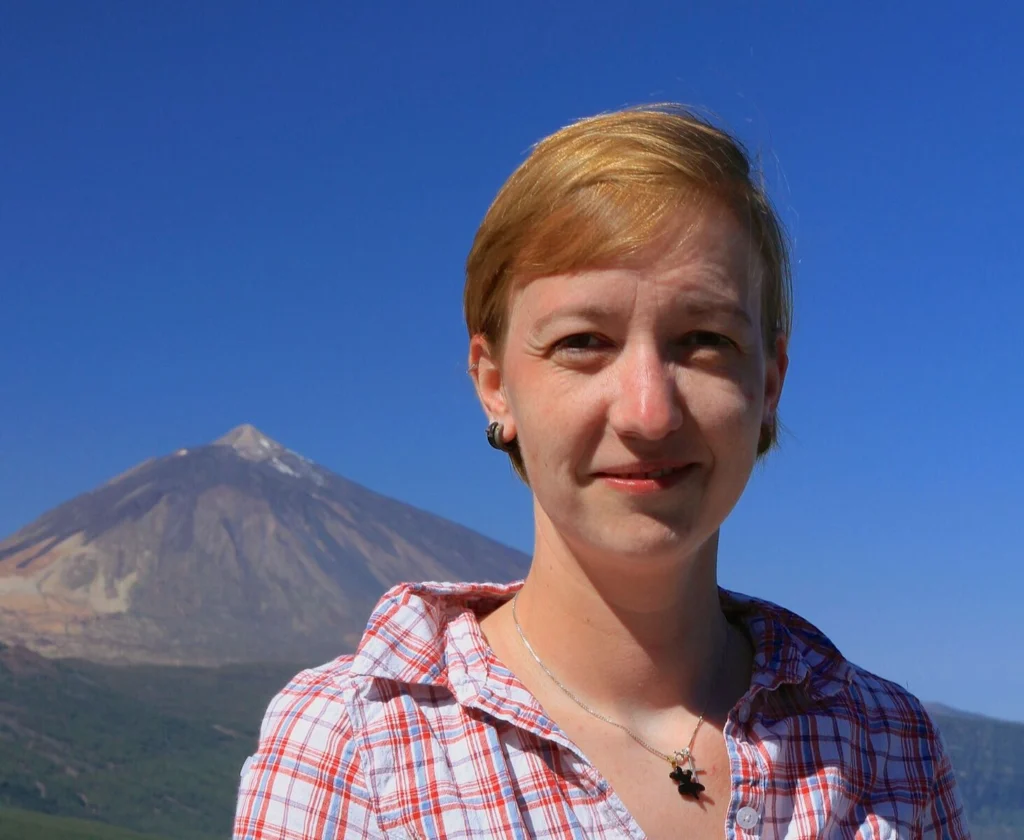
Geotalk is a regular feature highlighting early career researchers and their work. In this interview we speak to Anja Schmidt, an interdisciplinary researcher at the University of Cambridge who draws from atmospheric science, climate modelling, and volcanology to better understand the environmental impact of volcanic eruptions. She is also the winner of a 2018 Arne Richter Award for Outstanding Ea ...[Read More]
Imaggeo on Mondays: Chilean relics of Earth’s past
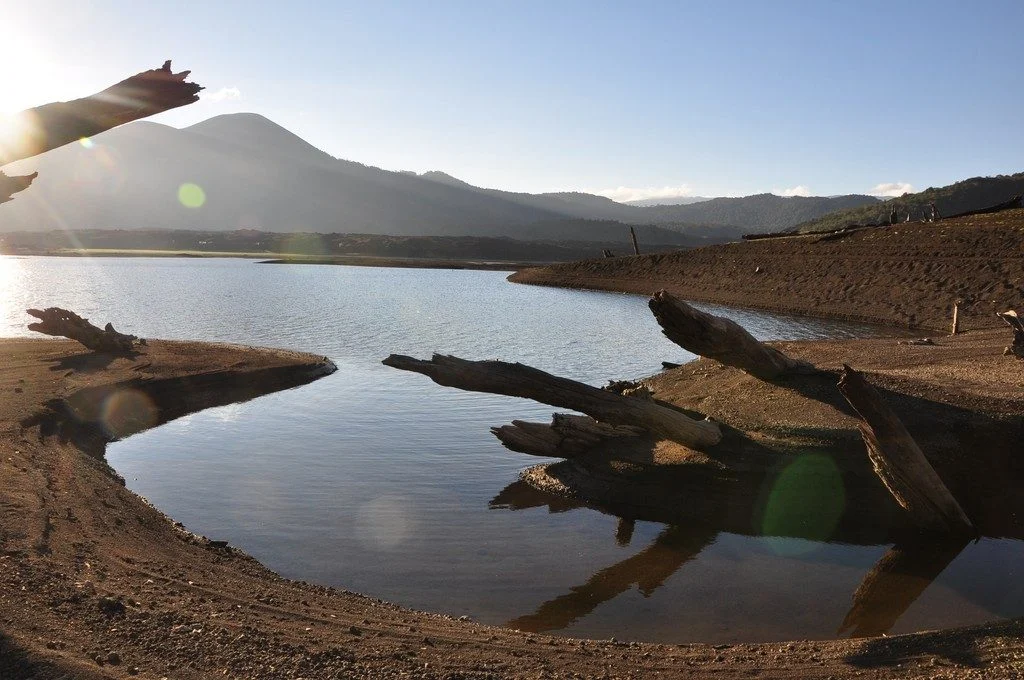
As Earth’s environment changes, it leaves behind clues used by scientists to paint portraits of the past: scorched timber, water-weathered shores, hardened lava flows. Chile’s Conguillío National Park is teeming with these kind of geologic artifacts; some are only a few years old while others have existed for more than 30 million years. The photographer Anita Di Chiara, a researcher at Lancaster U ...[Read More]
Geosciences Column: The science behind snow farming
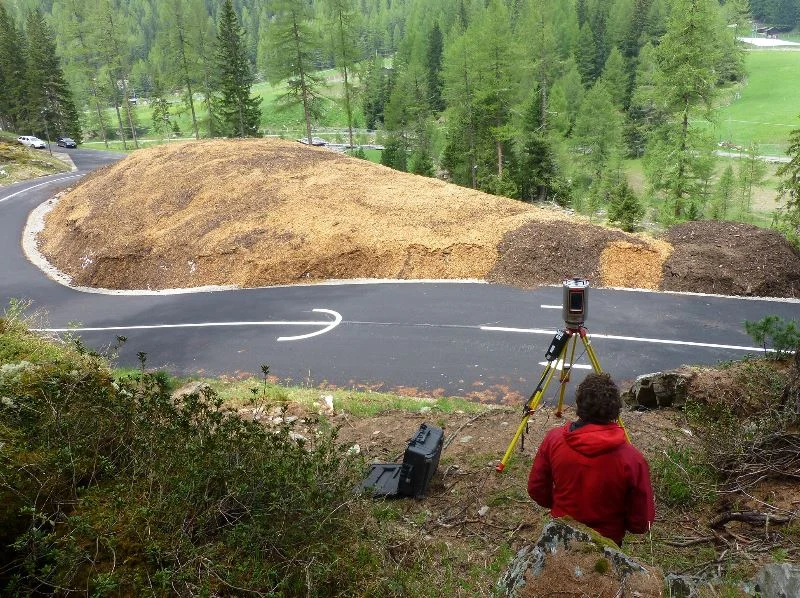
For roughly the last decade, some ski resorts and other winter sport facilities have been using a pretty unusual method to ensure white slopes in winter. It’s called snow farming. The practice involves collecting natural or artificially made snow towards the end of winter, then storing the frozen mass in bulk over the summer under a thick layer of sawdust, woodchips, mulch, or other insulating mat ...[Read More]
Imaggeo on Mondays: Nummulites, the living lentils
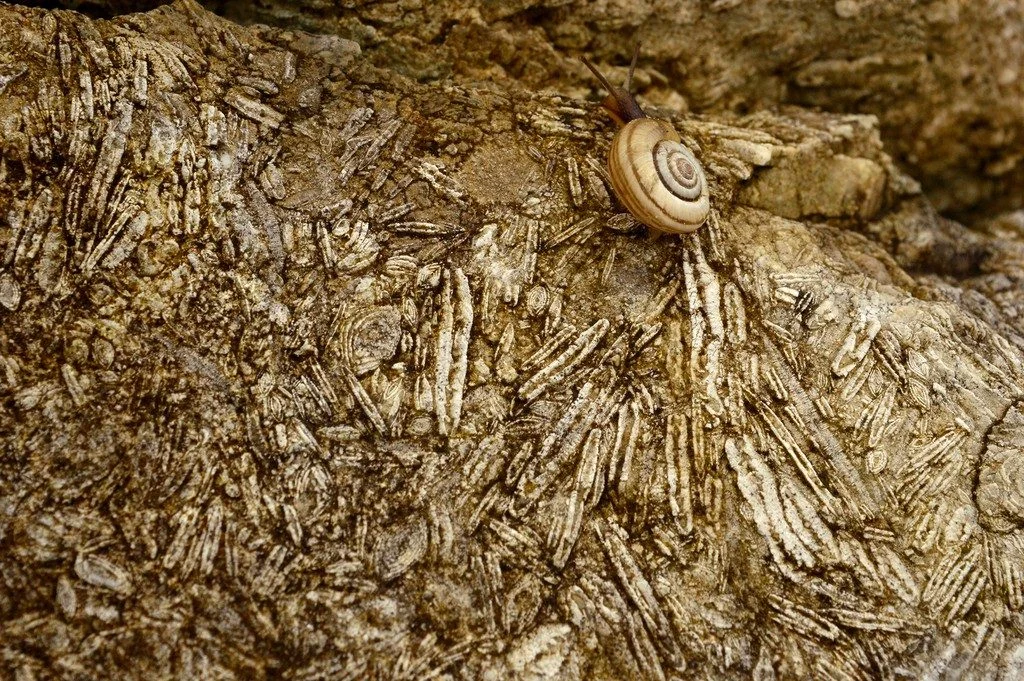
This photograph depicts a close-up of Eocene limestones from the Sardinero Formation in Cantabria (Northern Spain). The limestone is rich with foraminifera shells, most of them from the Nummulitidae family. These organisms once lived in a very shallow sea that separated Europe from Iberia in the late Mesozoic and early Cenozoic era. Later the sea basin’s closure led to the formation of the Pyrene ...[Read More]
February GeoRoundUp: the best of the Earth sciences from across the web
Drawing inspiration from popular stories on our social media channels, as well as unique and quirky research news, this monthly column aims to bring you the best of the Earth and planetary sciences from around the web. Major stories The biggest story in Europe right now is the bone-chilling cold snap sweeping across the continent. This so-called ‘Beast from the East’ sharply contrasts with the Arc ...[Read More]
Imaggeo on Mondays: Winter threatens to freeze over fieldwork
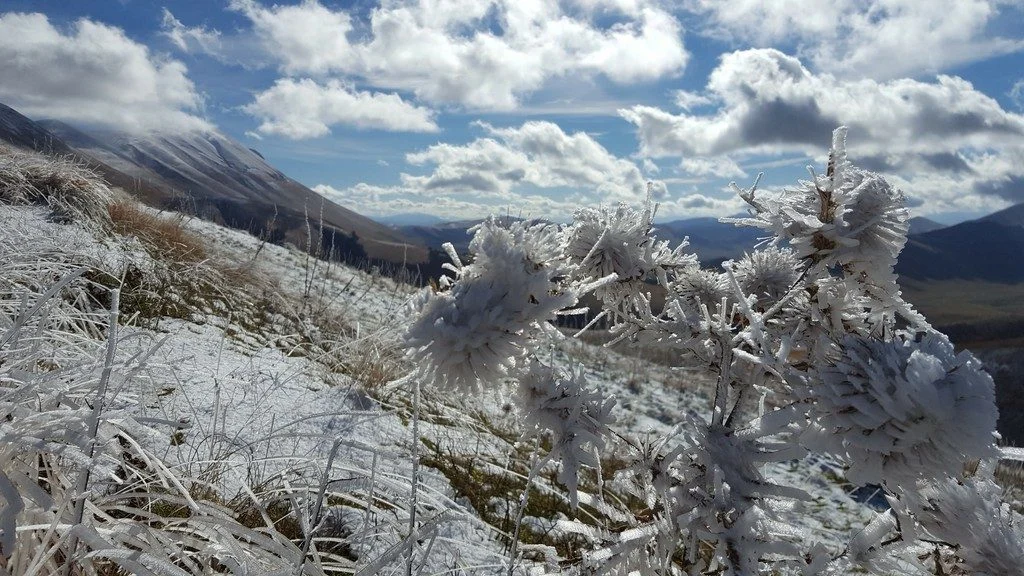
This photo was taken during a fieldwork campaign following the mainshock of the deadly seismic sequence that struck central Italy starting from 24 August 2016. The magnitude 6.2 earthquake severely damaged nearby towns, claimed more than 290 lives and injured nearly 400 people in its wake. As a geologist from the National Institute of Geophysics and Volcanology, I was in charge of measuring the ma ...[Read More]
Geopolicy: Combating plastic pollution – research, engagement and the EU Plastic Strategy
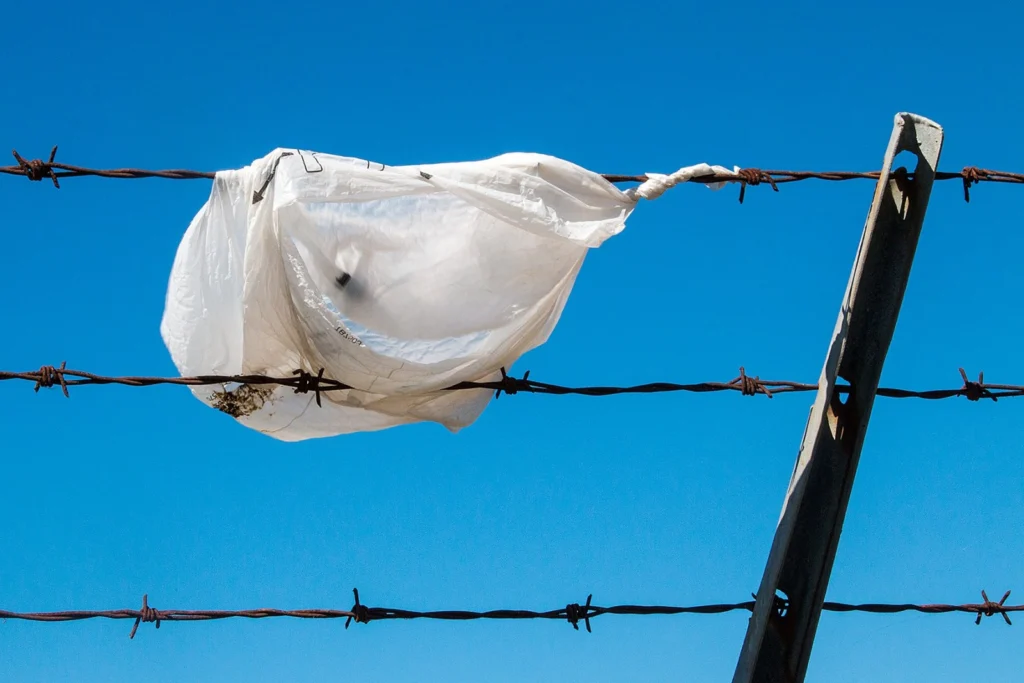
Awareness around the prevalence of plastic pollution, particularly in our oceans, has been growing over the last few years. This is not surprising considering that plastic production has surged from 15 million tonnes in 1964 to 311 million tonnes in 2014 and models have shown that this number will double again within the next 20 years in a business as usual scenario. Furthermore, research conducte ...[Read More]
Imaggeo on Mondays: The birth of a new ocean
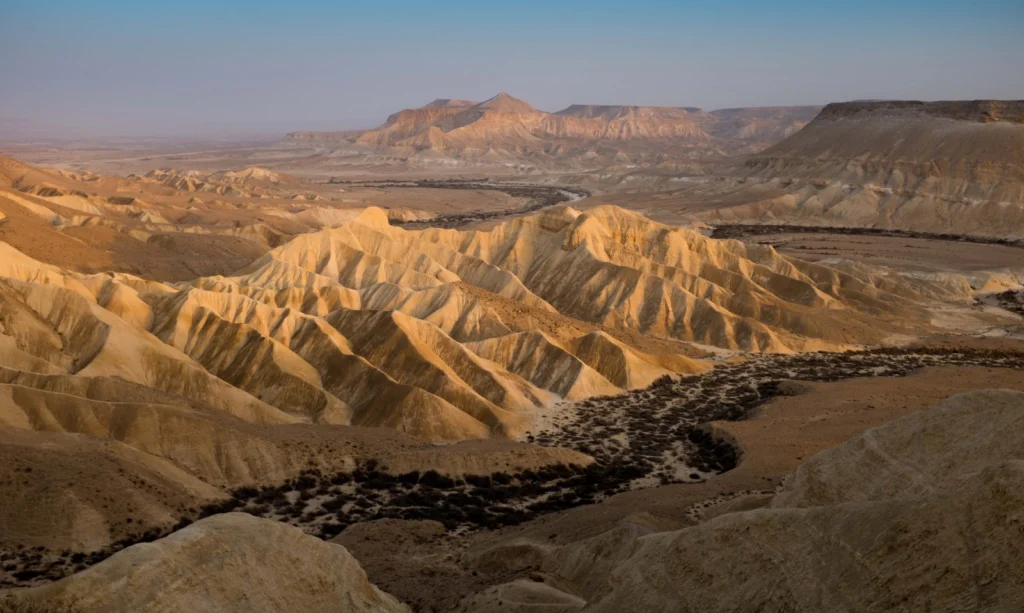
This is a photograph of Zin (or Tzin) Valley, taken from Midreshet Ben Gurion at Sede Boker, Negev Desert in Israel. The Zin Valley takes its name from the River Zin, which is now a dry river except for a few days of the year when heavy rainfall can form dangerous flash floods. The River Zin originates from the Makhtesh Ramon (Crater Ramon), the biggest erosion crater in the world. It is located a ...[Read More]
GeoTalk: Stephanie Zihms, Early Career Scientist Representative
In addition to the usual GeoTalk interviews, where we highlight the work and achievements of early career researchers, this month we’ll also introduce one of the Division early career scientist representatives (ECS). They are responsible for ensuring that the voice of EGU ECS membership is heard. From organising short courses during the General Assembly, through to running and attending regular EC ...[Read More]