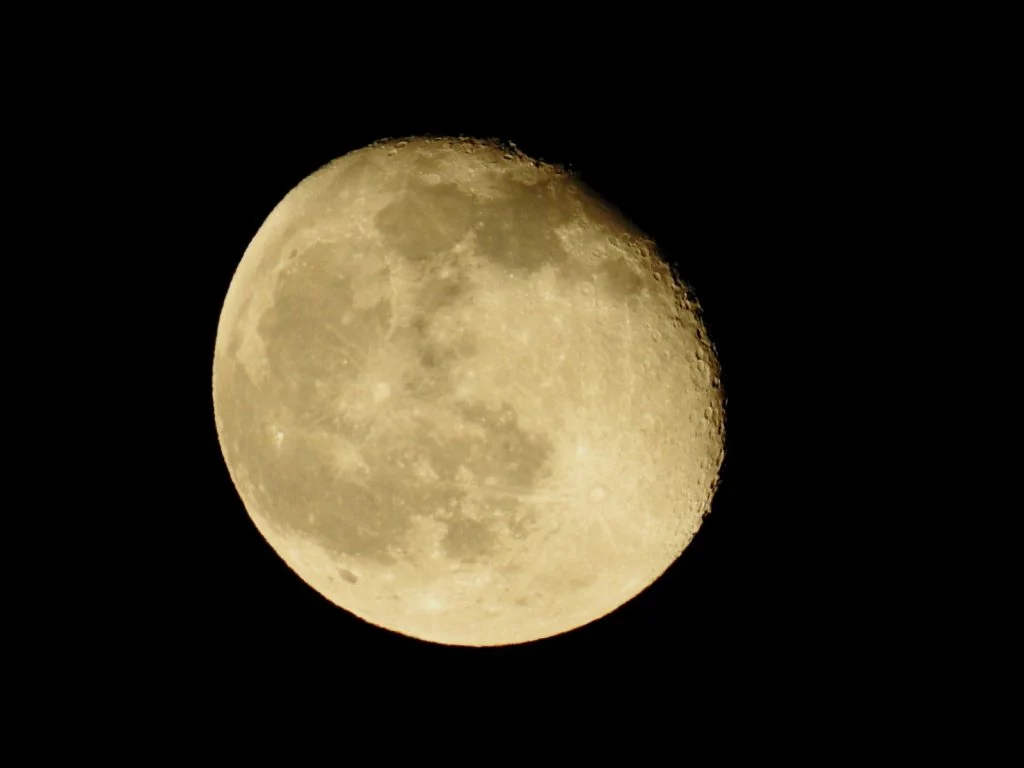
This picture shows the decreasing Moon on May 6, 2015, two days after the full Moon, as viewed from Hamburg, Germany. There are still 96.4% of the lunar front illuminated. The Moon does not glow on its own, but its surface reflects the sunlight. The Sun always illuminates a complete half of our natural satellite, …[Read More]
Regular Features
Imaggeo on Mondays: Glacier-fed rivers
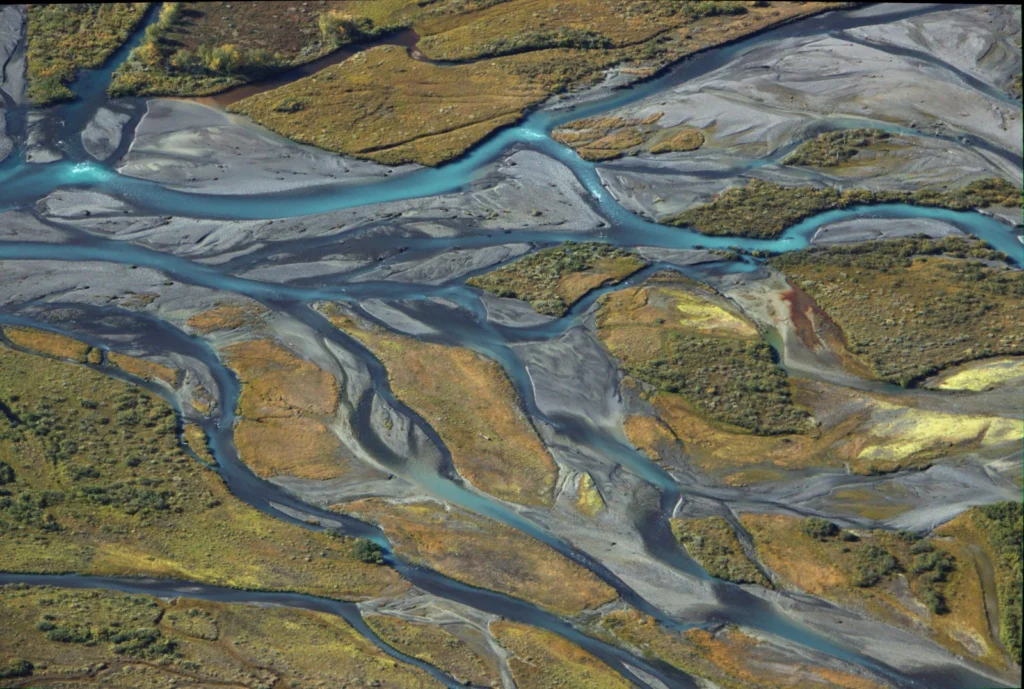
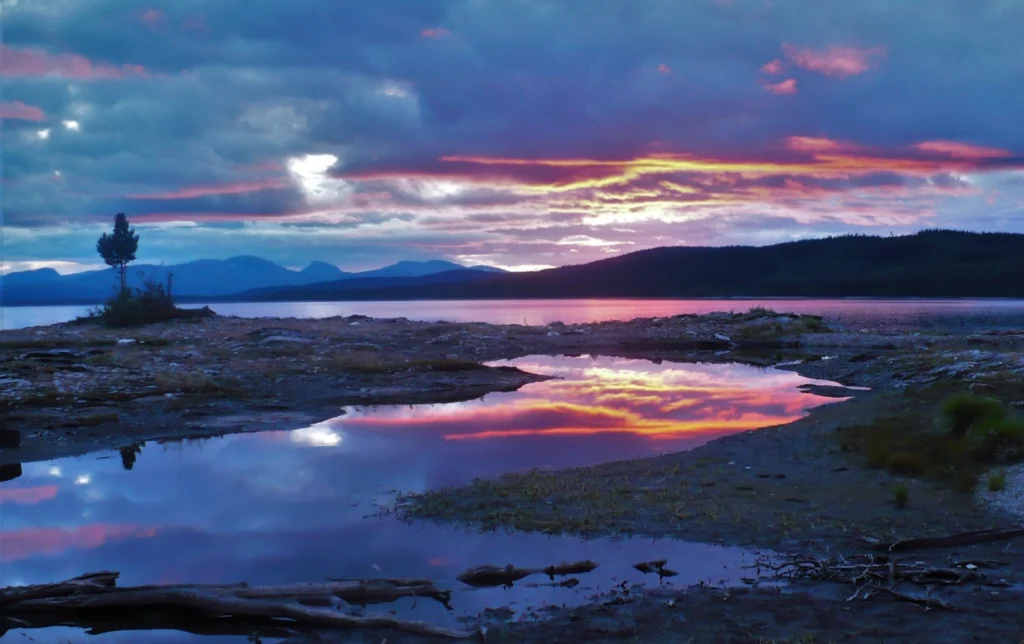
A view of the southern edge of the Ladebakte mountain in the Sarek national park in north Sweden. At this place the rivers Rahpajaka and Sarvesjaka meet to form the biggest river of the Sarek national park, the Rahpaädno. The rivers are fed by glaciers and carry a lot of rock material which lead to …[Read More]
Geosciences Column: The hunt for Antarctica’s oldest time capsule
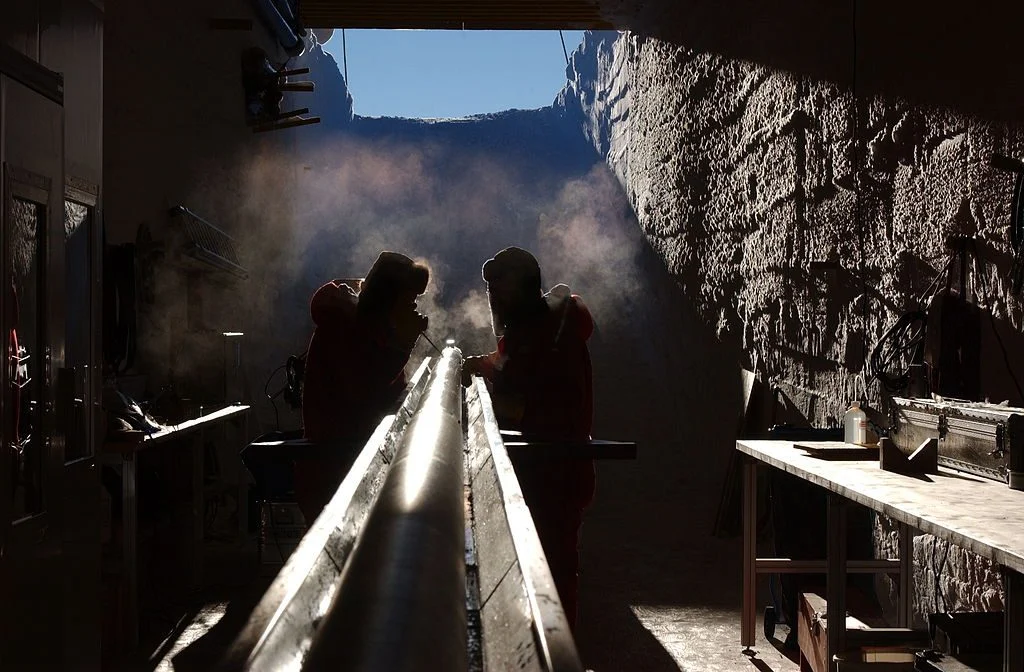
The thick packs of ice that pepper high peak of the world’s mountains and stretch far across the poles make an unusual time capsule. As it forms, air bubbles are trapped in the ice, allowing scientists to peer into the composition of the Earth’s atmosphere long ago. Today’s Geosciences Column is brought to you by …[Read More]
Imaggeo on Mondays: The best of imaggeo in 2017
Imaggeo, our open access image repository, is packed with beautiful images showcasing the best of the Earth, space and planetary sciences. Throughout the year we use the photographs submitted to the repository to illustrate our social media and blog posts. For the past few years we’ve celebrated the end of the year by rounding-up some …[Read More]
Imaggeo on Mondays: New life on ancient rock
For the start of a new year, we bring you a photograph featuring some of the oldest rocks in the world but bursting with new life. The image, taken by Gerrit de Rooij, of the Helmholtz Centre for Env. Res. – UFZ, comes complete with an informative caption which we’ve included below. May the new …[Read More]
Imaggeo on Mondays: Happy holidays!
Along with this magestic sunlit reindeer, photographed on a hilltop in one of the expeditions on the Yamal Peninsula, EGU wishes all our readers happy holidays and very warm wishes for 2018. And for a chance to be featured on GeoLog throughout the new year, don’t forget to submit your field and lab based photographs …[Read More]
GeoPolicy: Reaching out on Twitter – casually engage with policymakers!
Reaching out to policymakers and sharing your research with them can seem like a daunting task! While there are many formal outlets for engaging with policymakers (such as completing questionnaires, contributing to workshops and participating in paring schemes), there are also more casual methods that can be done sporadically and with less effort. One example …[Read More]
Imaggeo on Mondays: Smoking mountain top
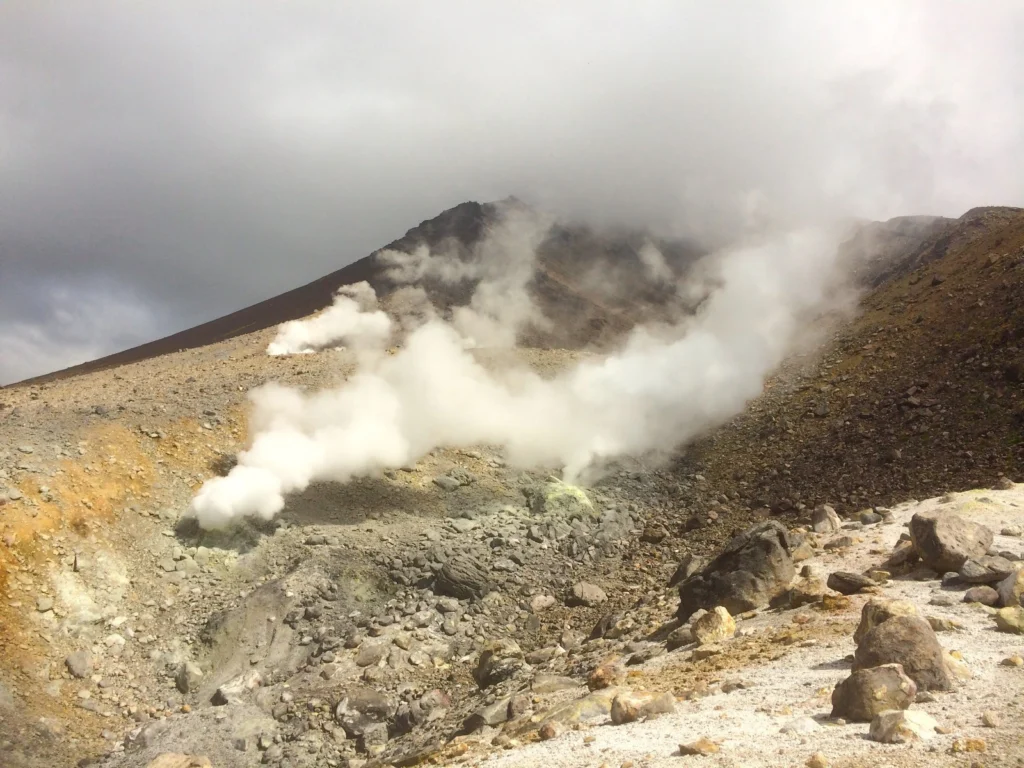
Japan’s northernmost, second largest and least developed island, Hokkaido, is famous for its unspoilt nature. Harsh, cold and snowy winters make way for pleasant summers, which allow tourists and locals to enjoy a variety of outdoor activities, year-round, in the island’s six protected areas. The largest of the natural parks is Daisetsuzan: known for it’s …[Read More]
GeoTalk: Maribel García-Ibáñez, Early Career Scientist Representative
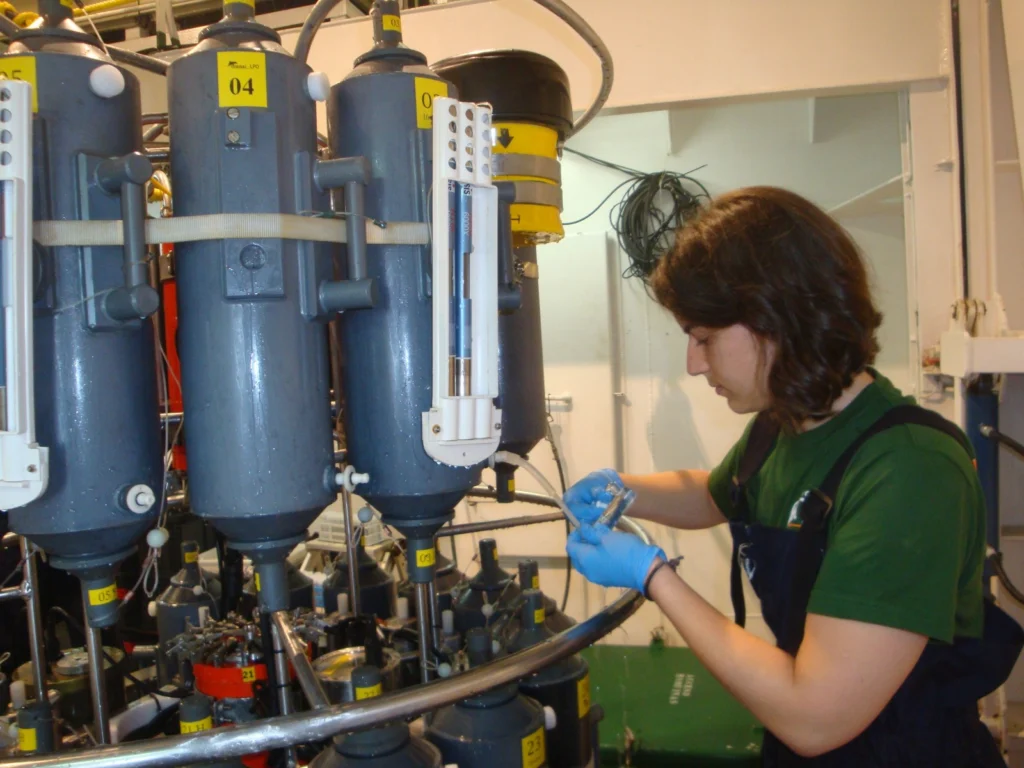
In addition to the usual GeoTalk interviews, were we highlight the work and achievements of early career researchers, this month we’ll also introduce one of the (outgoing) Division early career scientist representatives (ECS). The representatives are responsible for ensuring that the voice of EGU ECS membership is heard. From organising short courses during the General …[Read More]
Imaggeo on Mondays: A spectacular rainbow
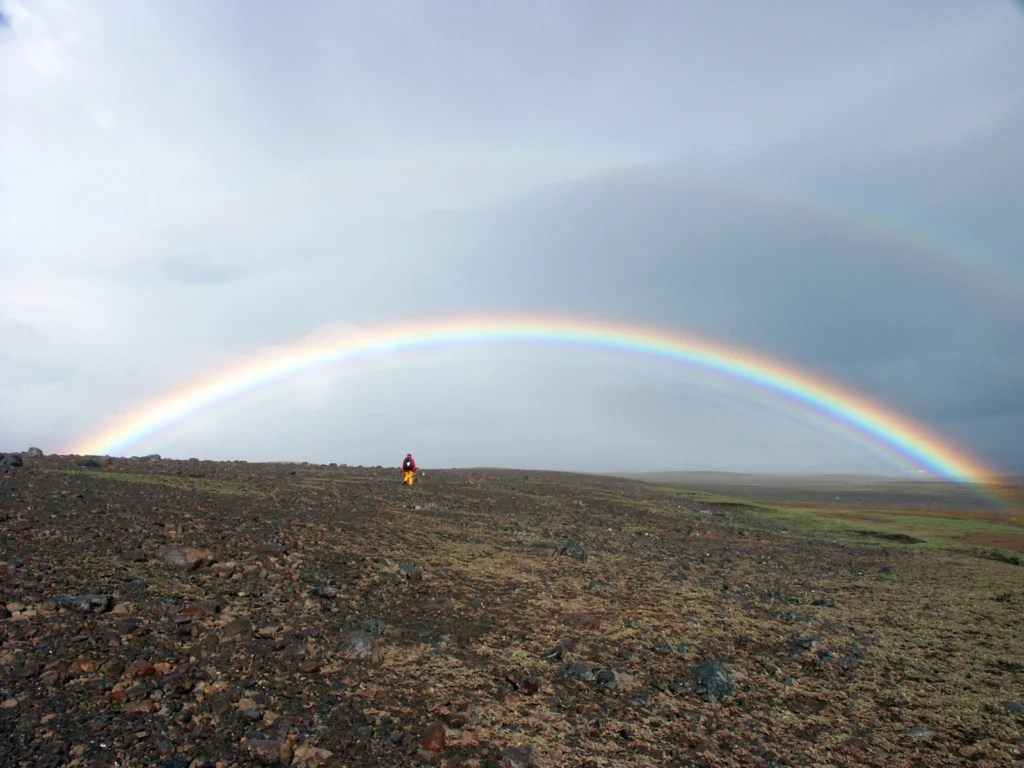
Back in February 2005, François Dulac and Rémi Losno worked in the field in the very remote Kerguelen Islands (also known as the Desolation Islands). Located in the southern Indian Ocean they are one, of the two, only exposed parts of the mostly submerged Kerguelen Plateau. Our work consisted in sampling atmospheric aerosols and their …[Read More]