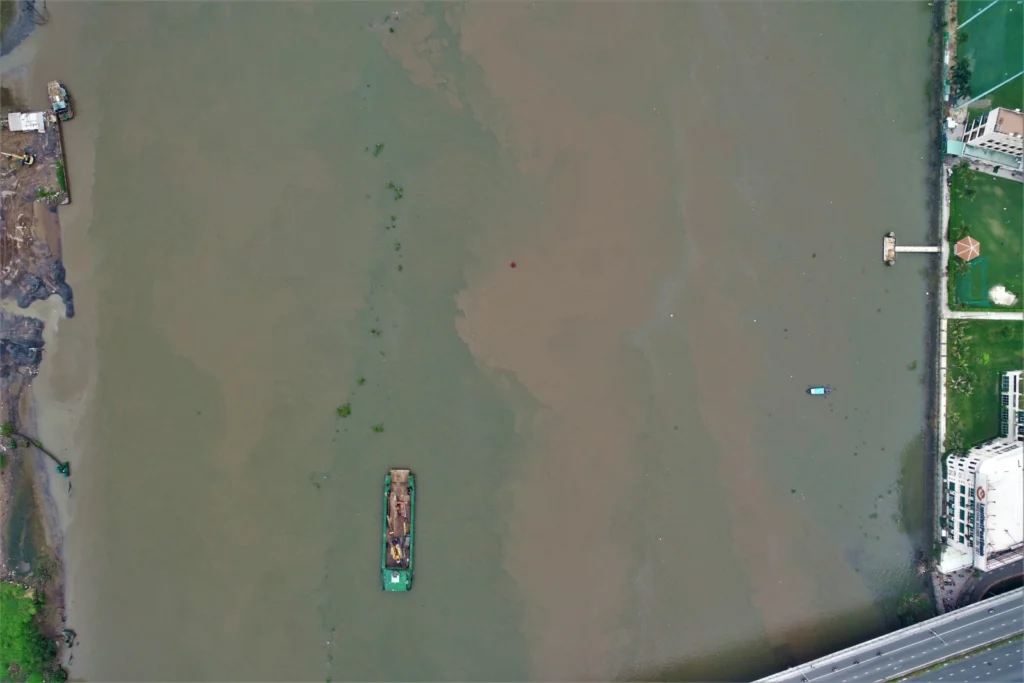
Hi Tim, thanks for talking with us today, can you start by telling us a little about yourself and your research background? As experimental hydrologist I aim to provide reliable data to solve water-related societal challenges. For over a decade I have been working on developing new, better or cheaper measurement methods to quantify components …[Read More]
Regular Features
GeoRoundup: the highlights of EGU Journals published during February!
Each month we feature specific Divisions of EGU and during the monthly GeoRoundup we will be putting the journals that publish science from those Divisions at the top of the Highlights roundup. For February, the Divisions we are featuring are: Geosciences Instrumentation and Data Systems (GI), Planetary & Solar System Sciences (PS) and Solar-Terrestrial Sciences …[Read More]
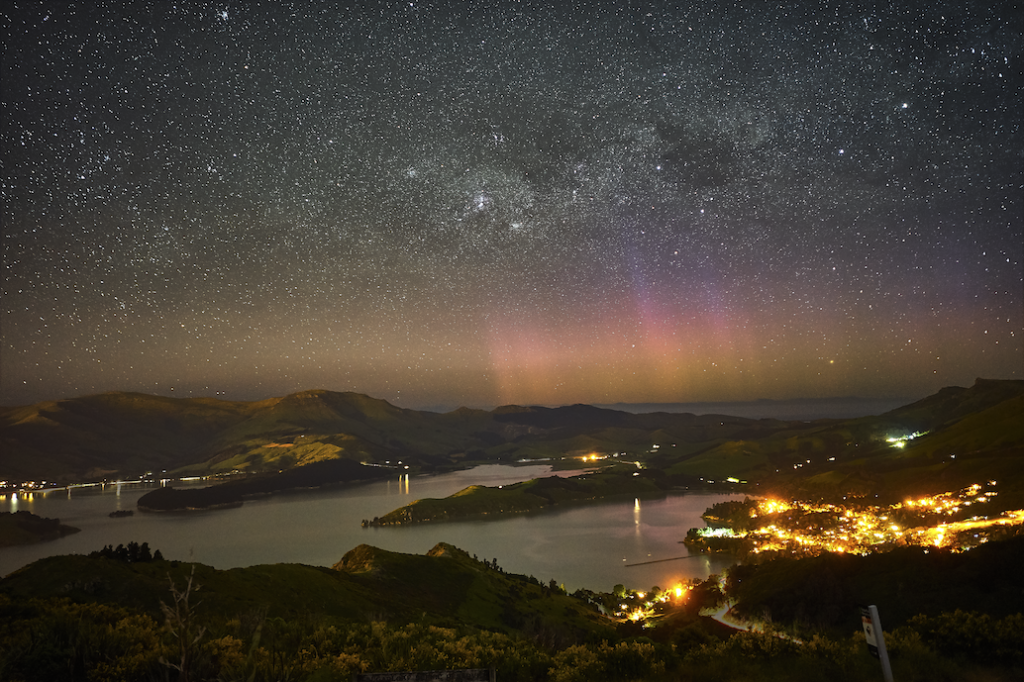
Imaggeo On Monday: Aurora Australis with Southern Cross and Pointer stars
This view from the Port Hills of Christchurch in New Zealand glances South over Governors Bay into the distance, where an Aurora Australis is visible near the horizon. Almost in the center of the starry sky the Southern Cross with its 2 Pointer stars are showing prominently. Description by Ulrich Schreiber, after the description …[Read More]
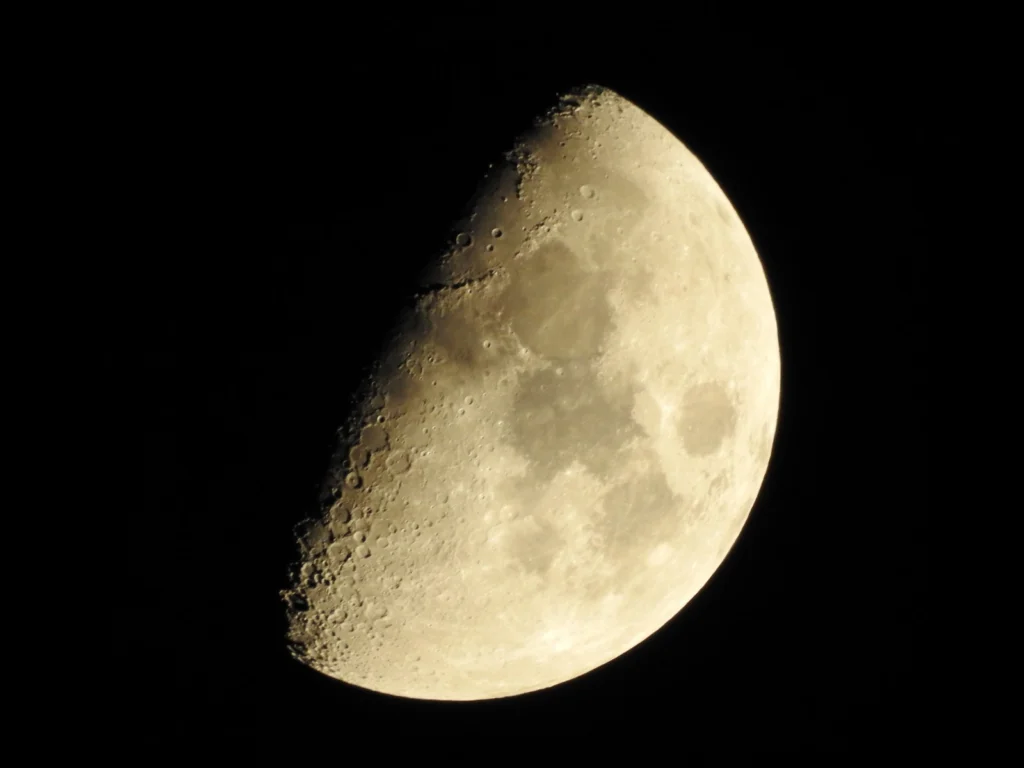
Imaggeo On Monday: Increasing Moon – seen from Hamburg
The image shows the increasing moon on March 16, 2016, seven days before the full moon. 53.3% of the lunar front are already illuminated. The moon does not glow on its own, but its surface reflects the sunlight. The sun always illuminates a complete half of the moon, which, in its orbit around the earth, …[Read More]
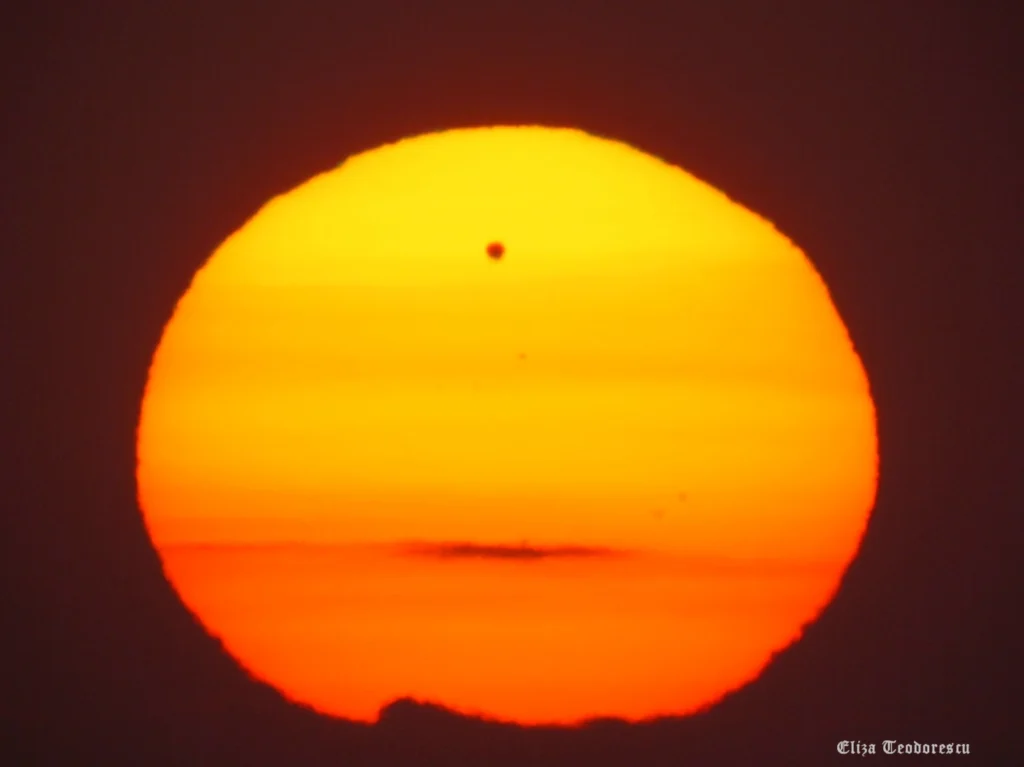
Imaggeo On Monday: Transit of Venus over the Sun
The object of this photo is the transit of planet Venus in front of the Sun which took place on June 6th 2012 and was the last event of this kind until 2117! This is a very rare event with respect to a human life span and the transit always happens in pairs, 8 years …[Read More]
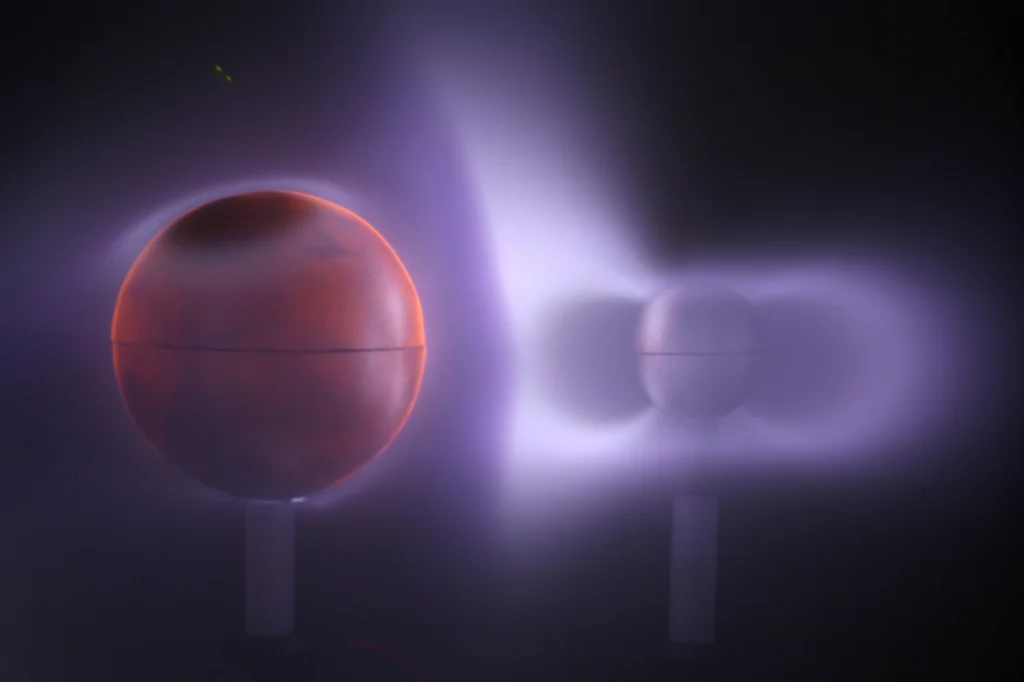
Imaggeo On Monday: Space plasma in a jar
Laboratory visualisation of solar wind interaction with Earth’s magnetic field. The Van Allen radiation belt, Earth’s magnetosphere, “bow shock” and a solar coronal hole can all be seen, and are emphasized with the ‘Planeterrella experiment‘, a vacuum chamber in the shape of a bell jar with the ‘Sun’ on the left (in the form of …[Read More]
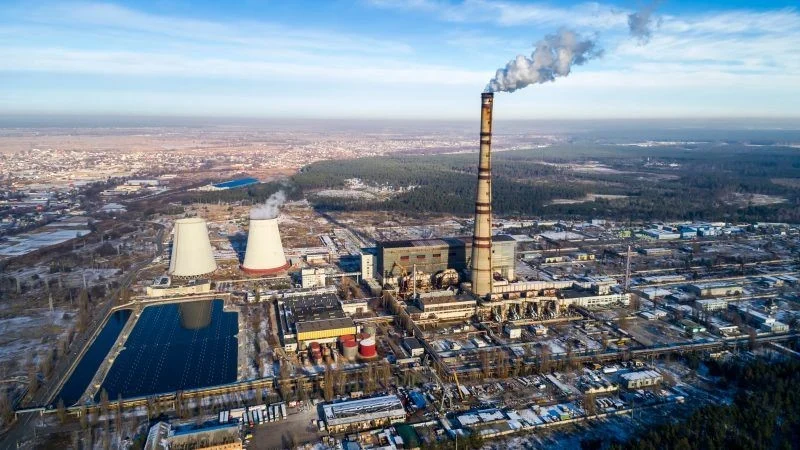
GeoPolicy: Europe’s Waste Policy – using Incinerator Bottom Ash and reducing landfill
Although you may not realise it, waste and the circular economy is an important topic for many geoscientists. Our consumption drives the need for resources and sustainable resource extraction, while disposing and reducing this waste requires a wide range of expertise and impacts the environments in which many scientists undertake their research. On a more …[Read More]
GeoRoundup: the highlights of EGU Journals published during January!
Each month we feature specific Divisions of EGU and during the monthly GeoRoundup we will be putting the journals that publish science from those Divisions at the top of the Highlights roundup. For January, the Divisions we are featuring are: Atmospheric Sciences (CR), and Earth and Space Science Informatics (ESSI). They are served by the journals: …[Read More]
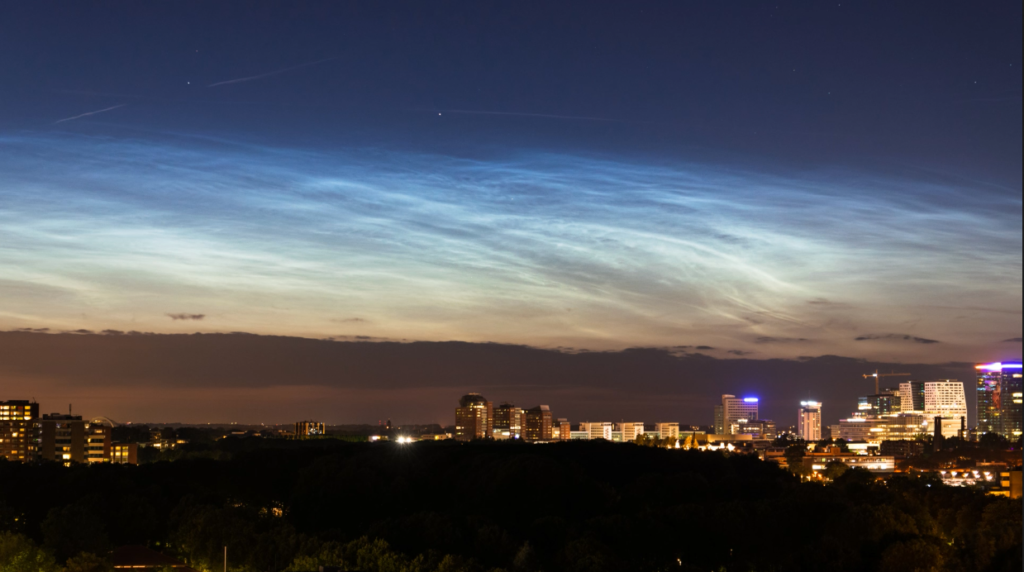
Imaggeo On Monday: Catching a glimpse of the Mesosphere
In the midst of summer when the sun does not set at high latitudes one can sometimes catch a glimpse of the mesosphere shortly after sunset or before sunrise. These thin veils, known as noctilucent clouds, are the highest known cloud-like structures forming at about 80km above the surface. At this height, they are still …[Read More]
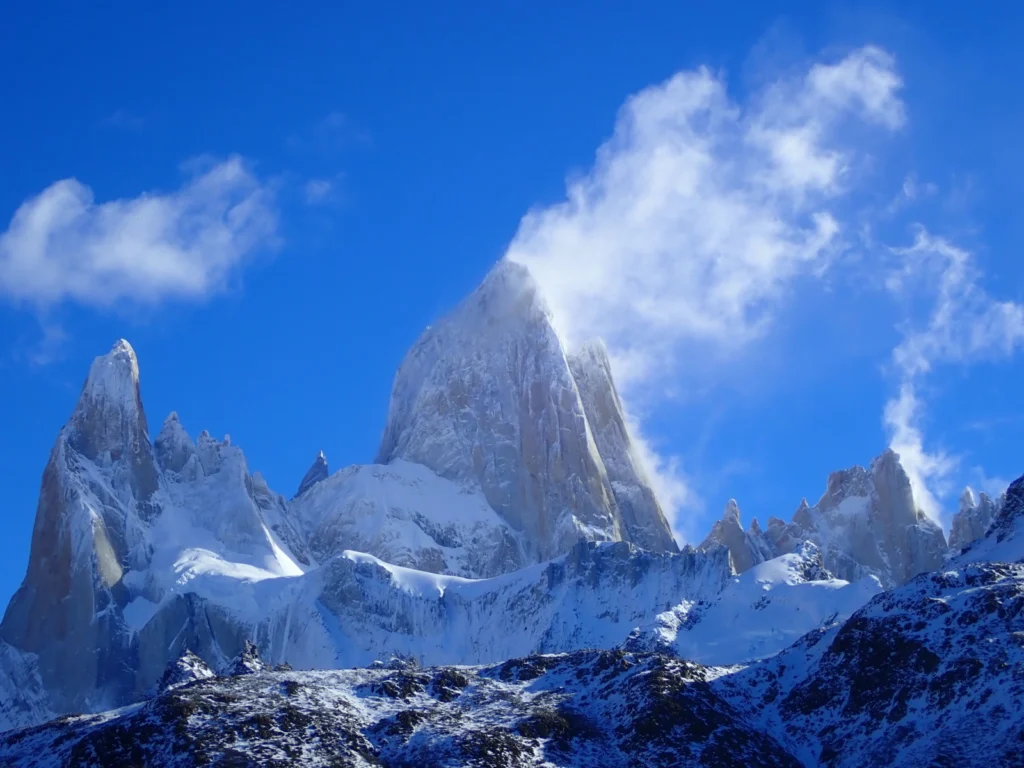
Imaggeo On Monday: “Smoking” peaks of the Patagonian batholith
The indigenous name of the 3405 meter high Fitz Roy mountain in Patagonia, on the border between Argentina and Chile, is frequently translated as “smoking mountain”. This photo may visually explain an origin of this name. On the day the photo was taken, vortices downwind of the peak drew warmer, humid air from below, forming …[Read More]