Each month we feature specific Divisions of EGU and during the monthly GeoRoundup we put the journals that publish science from those Divisions at the top of the Highlights roundup. For August, the Divisions we are featuring are: Cryospheric Sciences (CR), Energy, Resources and the Environment (ERE) and Atmospheric Sciences (AS). They are served by …[Read More]
Regular Features
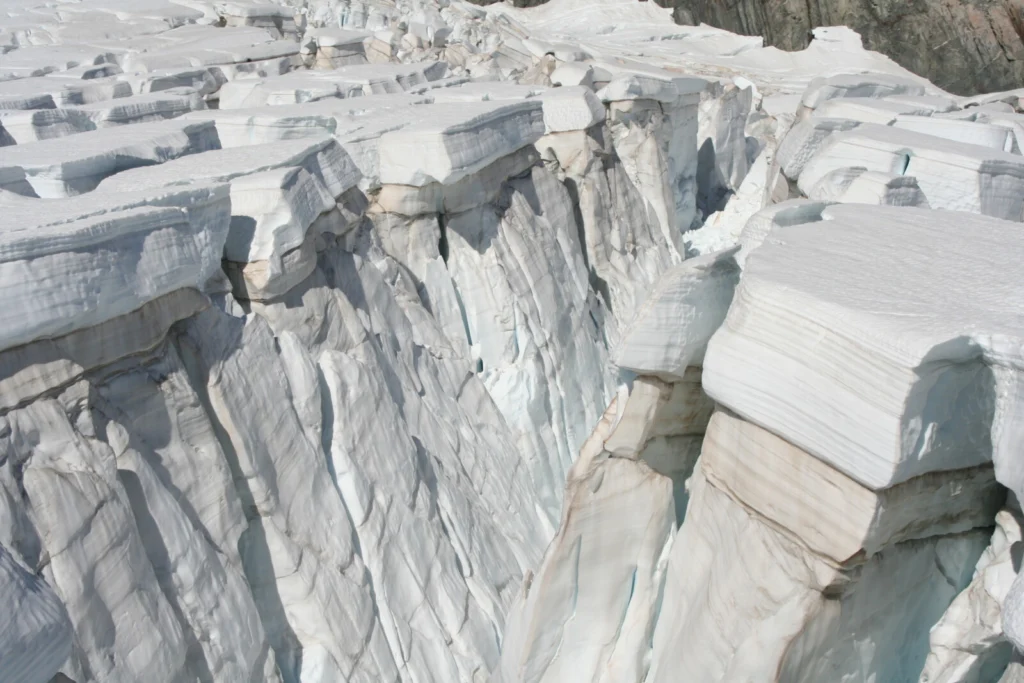
Imaggeo On Monday: Layers of dust and snow
This image shows layers of dust and snow at the surface of Fox Glacier, Southern Alps, New Zealand. The glacier surface in the upper part of Fox Glacier’s ice fall is heavily crevassed and intersected into seracs. Individual layers of fresh and old snow are visible, some with visible thin dust layers at their surface. …[Read More]
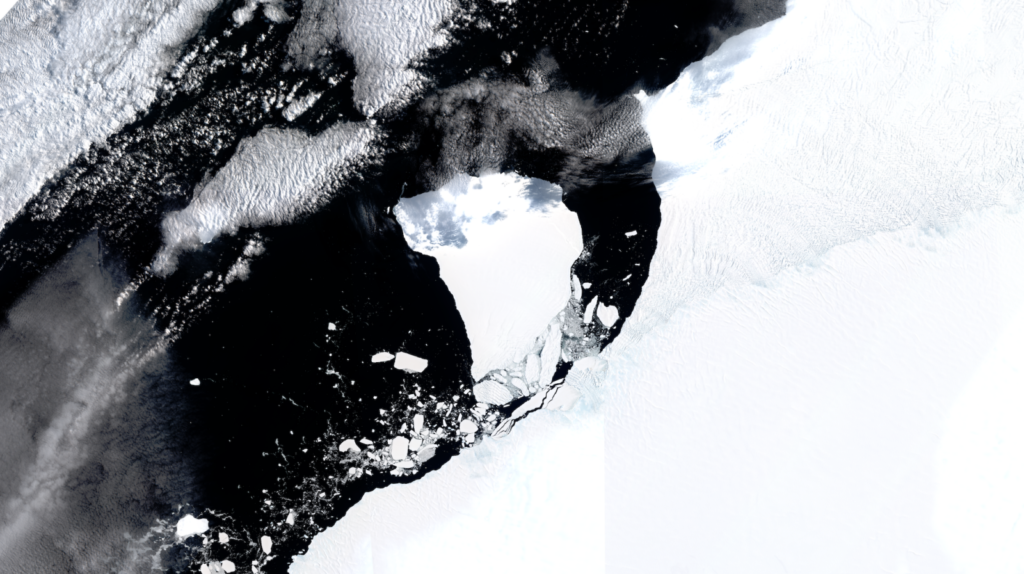
Imaggeo On Monday: Iceberg A-81, Brunt Ice Shelf, Antarctica
Information from a British Antarctic Survey Press Release. A huge iceberg (1550 km²), almost the size of Greater London, has broken off the 150m thick Brunt Ice Shelf. It calved after cracks that have been developing naturally over the last few years extended across the entire ice shelf, causing the new iceberg to break free. …[Read More]
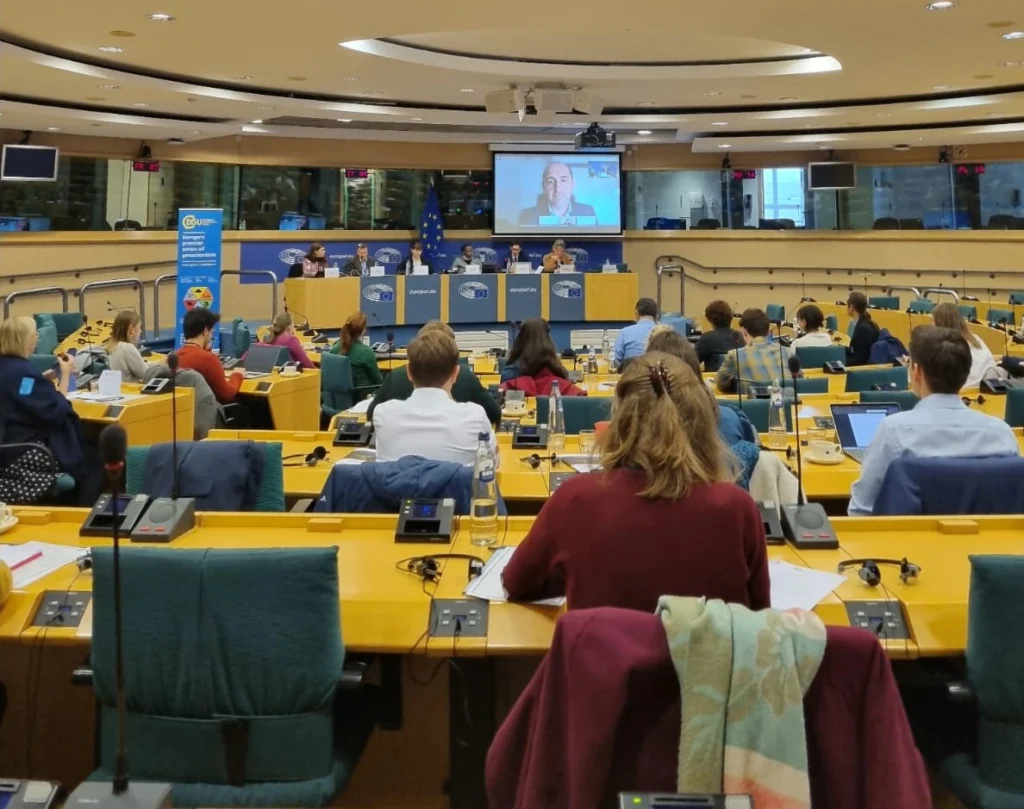
GeoPolicy: Reflecting on science advice as shown in the 2019 Chernobyl series
The HBO and Sky UK television series Chernobyl is a historical drama that explores the events leading up to and following the 1986 Chernobyl nuclear disaster in Pripyat Ukraine. Not only does this series focus on one of the worst nuclear accidents in history, but also on the challenges and successes of one of the …[Read More]
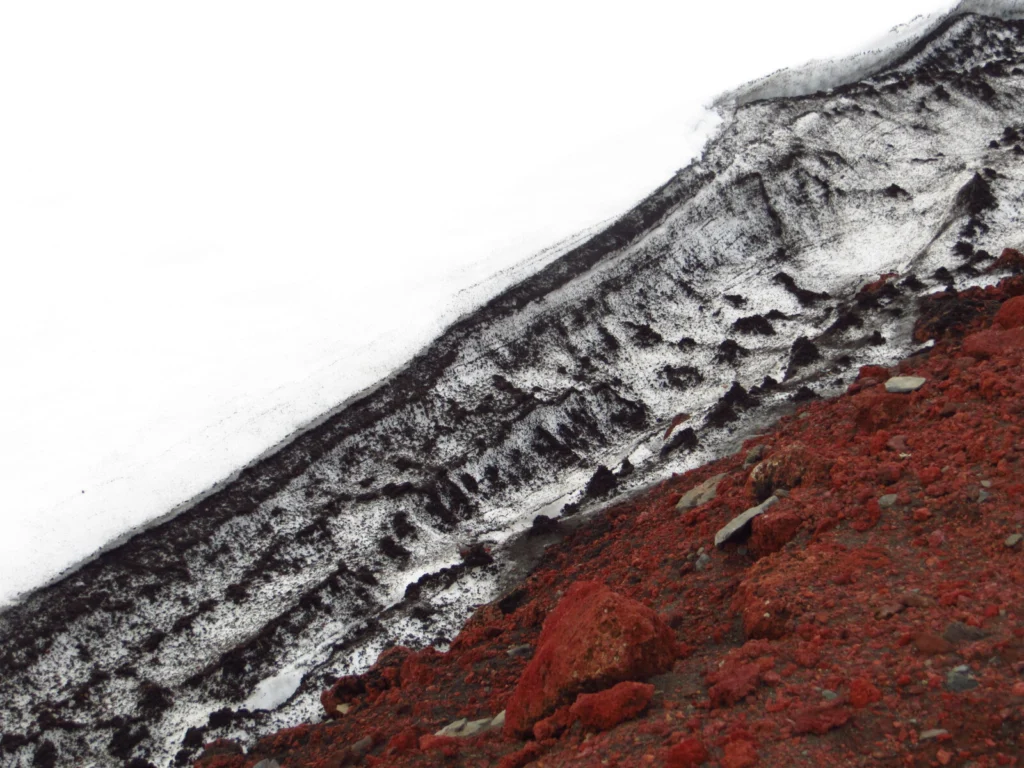
Imaggeo On Monday: Eyjafjallajökull – hot and cold
Active volcano Eyjafjallajökull is covered by 80 square kilometres of glaciers. Quite often one can feel the warmth from the red igneous rocks that protrude from the ice cap. The volcano is known for the eruption in April 2010, which released ash clouds so large that in some areas they turned daylight into darkness. Many …[Read More]
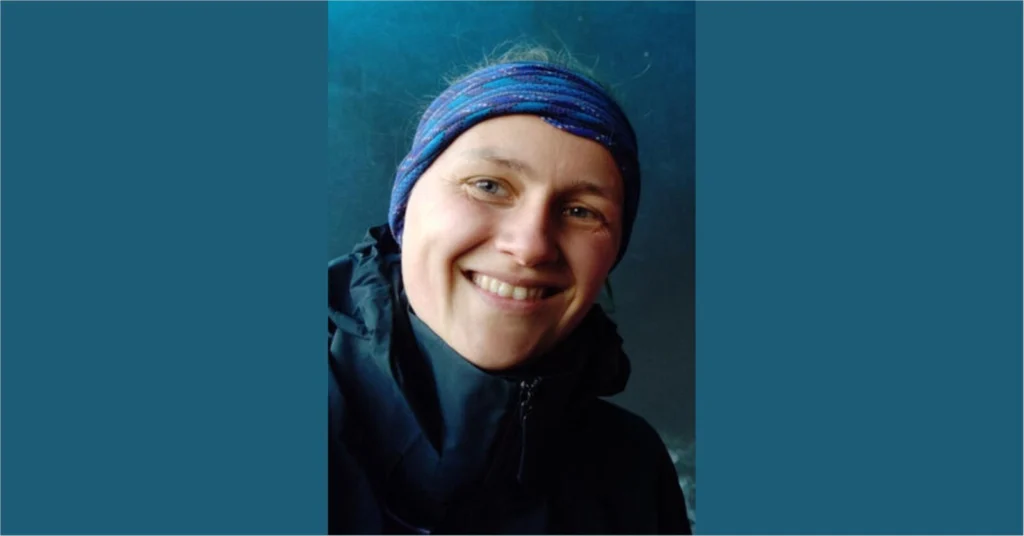
GeoTalk: Meet Ann-Sofie Zinck, researcher of Antarctic ice shelves and Cryosphere ECS Representative!
Hi Ann-Sofie. Thank you for joining this GeoTalk! To break the ice, could you tell us a bit about yourself and what got you interested in the Antarctic? Hi Simon, thanks for inviting me! That’s easy! As a child I always used to be ice cold… No, just kidding! I guess I have always been …[Read More]
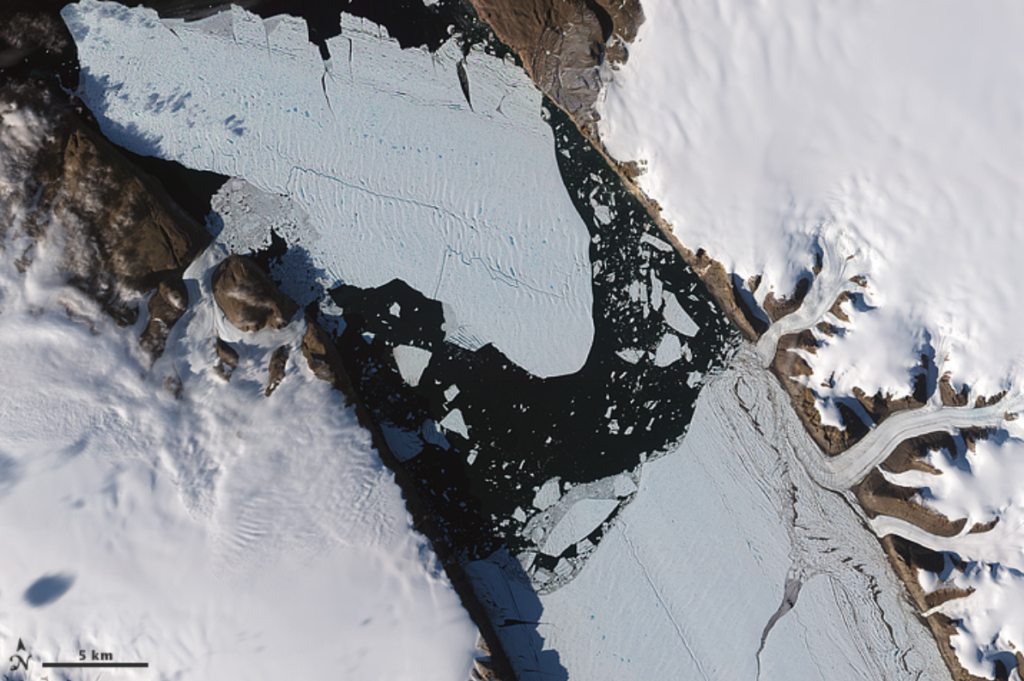
A chunk of ice the size of Amsterdam: how the calving of Greenland’s glaciers has changed since the 2010 Petermann Glacier event
Thirteen years ago, a roughly 251 km2 chunk of ice (or 97 miles2) broke off Greenland’s Petermann Glacier. This Amsterdam-sized piece of ice was the largest to calve in the Arctic since 1962. The massive iceberg traversed the Nares Strait, which lies between Canada’s Ellesmere Island and Greenland, and into the northern part of Baffin …[Read More]
GeoRoundup: the highlights of EGU Journals published during July!
Each month we feature specific Divisions of EGU and during the monthly GeoRoundup we put the journals that publish science from those Divisions at the top of the Highlights roundup. For July, the Divisions we are featuring are: Earth Magnetism & Rock Physics (EMRP) and Seismology (SM). They are served by the journals: Solid Earth …[Read More]
GeoPolicy: Science Activism vs. Science Advice – choosing your path to policy impact
Science is a vital part of the policymaking process. It enables decision-makers to better understand the policy options that they have and the potential consequences of any actions or inaction. While it is just one factor that policymakers should consider during their decision-making process, it is an important one! This month’s GeoPolicy blog post will …[Read More]
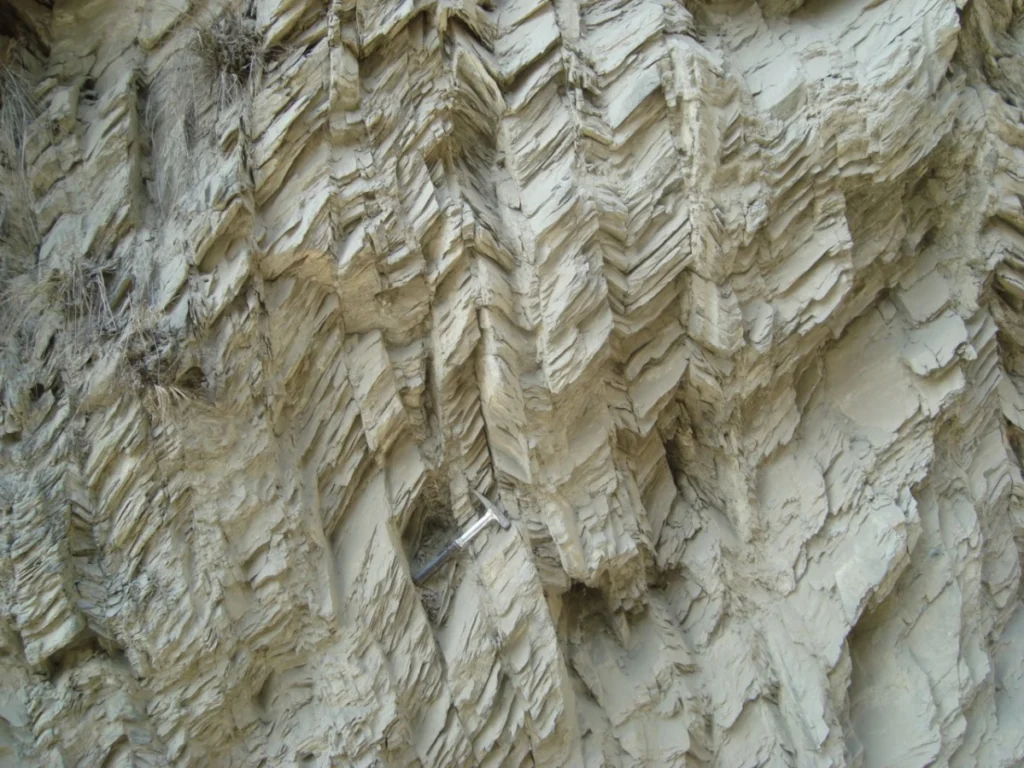
Imaggeo On Monday: High amplitude ‘V-shaped’ kink fold with axial plane cleavage
The Himalayan-Tibetan orogeny has been considered the youngest collisional fold belt in the Earth and a classic example of intercontinental collision orogeny. It is comprised of different litho-tectonic units manifested by normal/thrust faults and suture zones (Valdiya, K.S., 1977). The Himalayan region has experienced multifaced deformation, spectacular rock assemblages with high-pressure-temperature metamorphism, and an earthquake …[Read More]