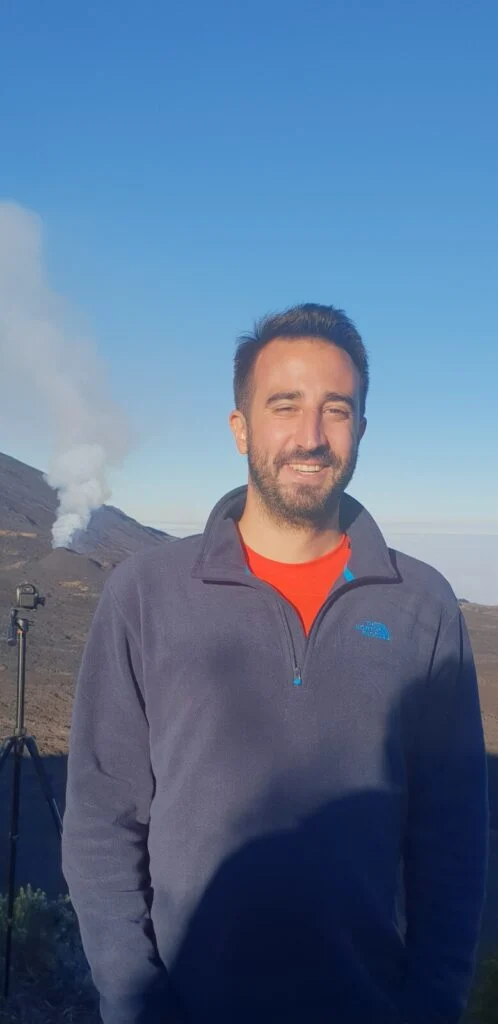
Hello Dinko. Thank you for agreeing to this interview! Before we dig deeper, could you tell our readers a little bit about yourself and your background? Well thanks for having me. My name is Dinko and I’m a seismologist, doing a PostDoc at the Department of Geophysics at the University of Zagreb. Currently, I work on a Croatian-Norwegian collaboration project in which we densified seismic network ...[Read More]
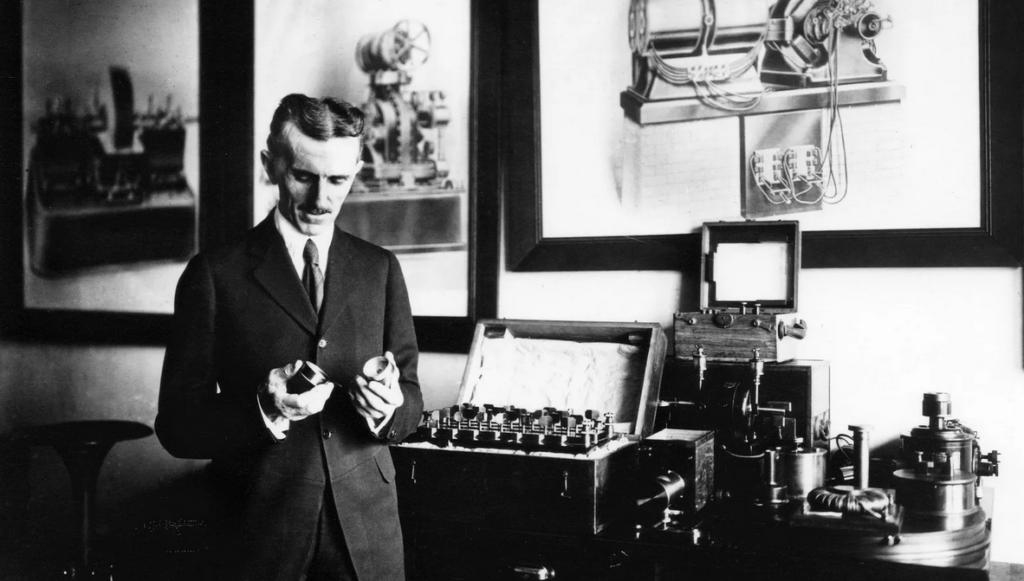
Two centuries later, the world is yet to fully understand Nikola Tesla
Most people associate Tesla with the multi-billion American automotive and clean energy company, and by that extension, with Elon Musk. But with today (July 10th) being Nikola Tesla Day, it gives us a rare opportunity to discover the man behind the name – the Serbian American scientist who contributed to scientific progress and advances in technology that we still heavily rely on today. Tesla is c ...[Read More]
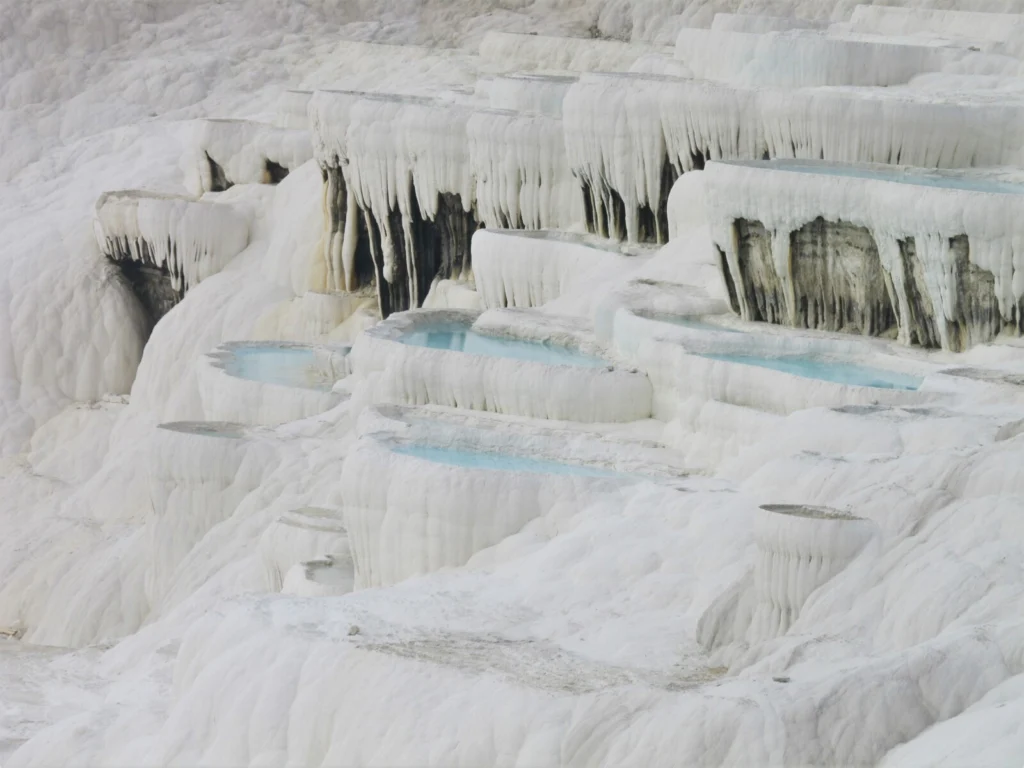
Imaggeo On Monday: Pamukkale, the cotton castle
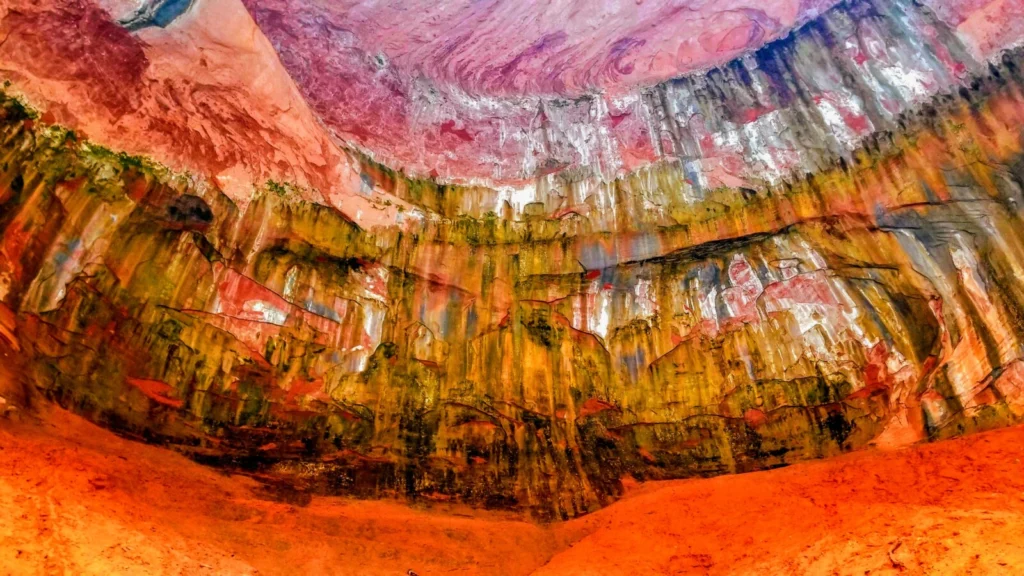
Pamukkale, the cotton castle by Paula Ballikaya. (distributed via imaggeo.egu.eu). Terraces of rock are crowned with the candle wax-like deposits of travertine, the white, fibrous limestone which characterises the Pamukkale UNESCO World Heritage Site and which is featured in the photo above. Despotised and moulded over 400,000 years by the calcite-rich mineral water flowing from the site ...[Read More]
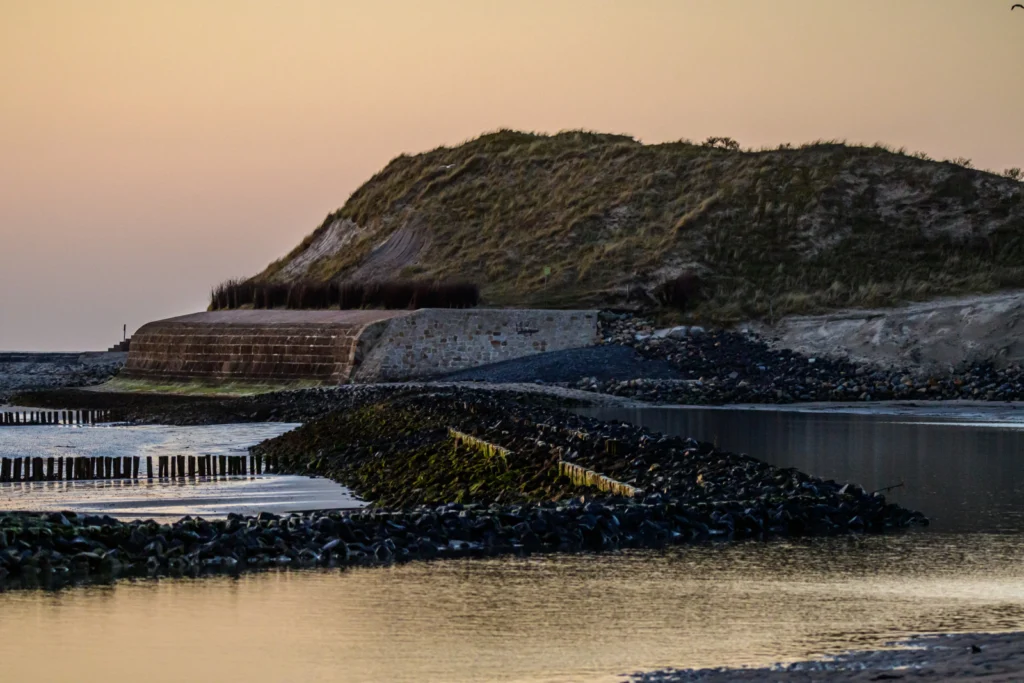
Imaggeo On Monday: Different structures for coastal management
Different structures for coastal management at Spiekeroog, Germany. The structures include a groyne and a revetment. Groynes are cross-shore structures, linearly ordered from the shoreline and into the sea. Typically made of rock or wood, groynes are built to limit the longshore transport and loss of shore material like sand or shingle. The build-up shore material captured by the groynes re ...[Read More]
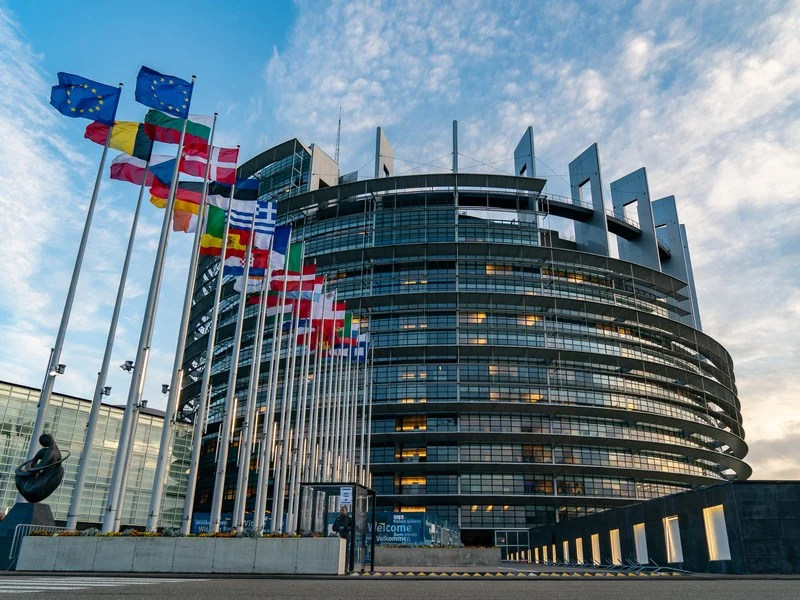
GeoPolicy: Life inside the European Parliament – an assistant’s view
This month’s GeoPolicy blog features an interview with Sebastian Jehle, Accredited Assistant to Member of the European Parliament (MEP) Norbert Lins. Understanding policymaking processes is vital to be able to engage with decision-makers and to provide scientific information that is both useful and timely. Sebastian was kind enough to answer some of my burning questions about life inside the Europ ...[Read More]
GeoRoundup: the highlights of EGU Journals published during June!
Each month we feature specific Divisions of EGU and during the monthly GeoRoundup we put the journals that publish science from those Divisions at the top of the Highlights roundup. For June, the Divisions we are featuring are: Ocean Sciences (OS), Nonlinear Processes in Geosciences (NP), and Geoscientific Instrumentation, Methods and Data Systems (GI). They are served by the journals: Ocean Scien ...[Read More]
Imaggeo On Monday: Where mountains meet the sea
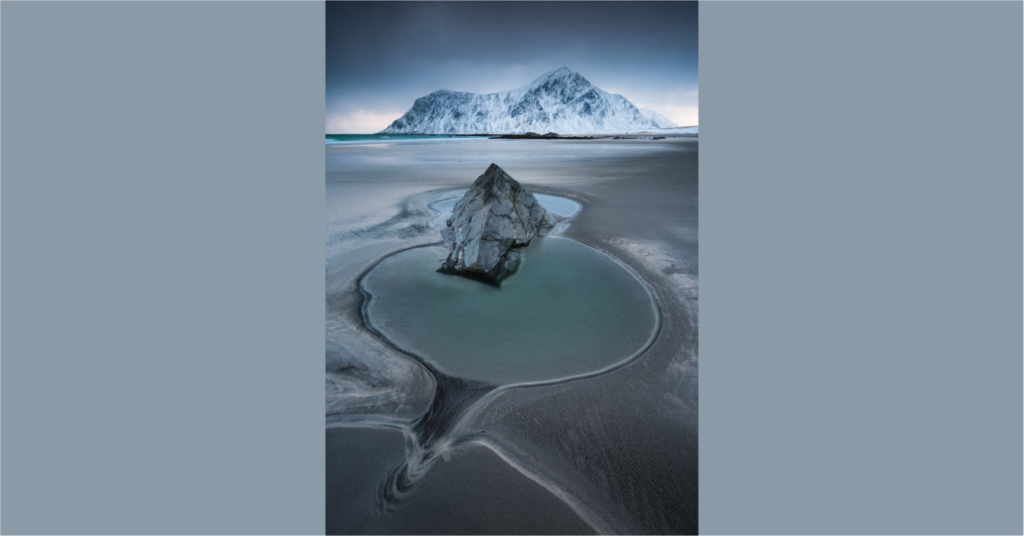
Skagsanden beach is a stunning destination located in the Lofoten archipelago in Norway. This beautiful white sandy beach stretches for 800 meters and offers breathtaking views of the surrounding mountains and crystal-clear waters. From a geological standpoint, Skagsanden beach is a fascinating site. It is believed that the beach was formed by the erosive power of the sea, which shaped and sculpte ...[Read More]
The world of hydrography calls for more hands on deck
This week on 21st June, governments around the world observed World Hydrography Day to celebrate the role of hydrography in understanding the seas. Though initially thought to be a field limited to the navigation of ships, hydrography is being increasingly recognized for its knowledge contribution to the oceans, seas, coastal areas, lakes and rivers, as well as with predicting their change over ti ...[Read More]
GeoTalk: meet Freija Mendrik, researcher of microplastics pollution in coral reefs!
Hi Freija. Thank you for joining us today! Could you tell our readers a bit about yourself before we dive in? Hi Simon, thanks for inviting me! I’m a marine scientist based in the UK specialising in microplastic pollution but my work has taken me across many different disciplines from physical geography to ecotoxicology. Recently my research has focused on trying to understand what impacts the tra ...[Read More]
Imaggeo On Monday: The movement of the tides
Tides are very long-period waves characterized by the rise and fall of sea levels. This phenomenon occurs in response to forces exerted jointly by the moon and sun, generated in the ocean, and propagating toward the coast. Tides can be divided into two main types: low tide and high tide. High tide occurs when sea water rises above the mean level while low tide occurs when sea water falls below the ...[Read More]