GeoLog

EGU Scientific Divisions

Who do you think most deserves the title of the Mother of Geology?

Who do you think most deserves the title of the Mother of Geology?

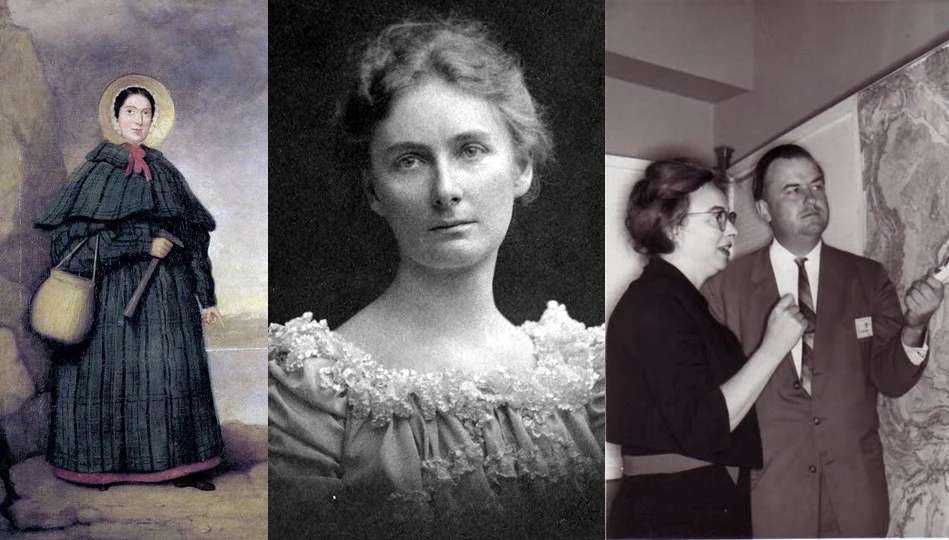
Much ink is spilled hailing the work of the early fathers of geology – and rightly so! James Hutton is the mind behind the theory of uniformitarianism, which underpins almost every aspect of geology and argues that processes operating at present operated in the same manner over geological time, while Sir Charles Lyell furthered the idea of geological time. William Smith, the coal miner and canal b ...[Read More]

Imaggeo on Mondays: A Bubbling Cauldron

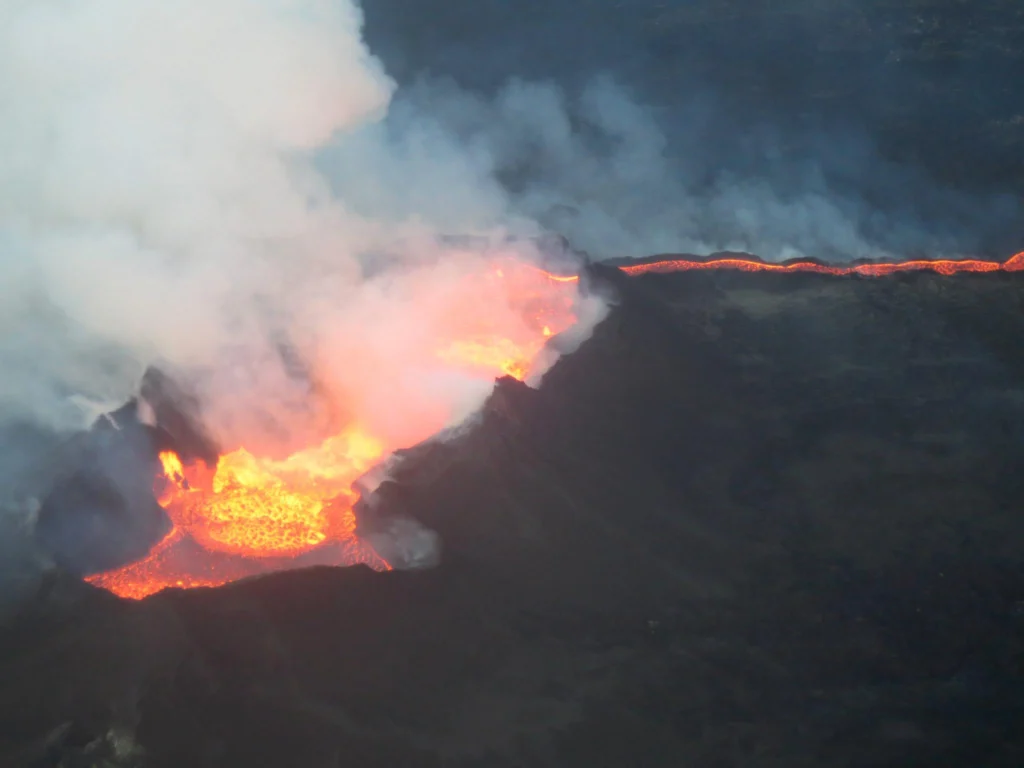
Imaggeo on Mondays: A Bubbling Cauldron

Despite being a natural hazard which requires careful management, there is no doubt that there is something awe inspiring about volcanic eruptions. To see an erupting volcano up close, even fly through the plume, is the thing of dreams. That’s exactly what Jamie  Farquharson, a researcher at Université de Strasbourg (France) managed to do during the eruption of the Icelandic volcano Bárðarbunga. R ...[Read More]

New study of natural CO2 reservoirs: Carbon dioxide emissions can be safely buried underground for climate change mitigation

New study of natural CO2 reservoirs: Carbon dioxide emissions can be safely buried underground for climate change mitigation

New research shows that natural accumulations of carbon dioxide (CO2) that have been trapped underground for around 100,000 years have not significantly corroded the rocks above, suggesting that storing CO2 in reservoirs deep underground is much safer and more predictable over long periods of time than previously thought, explains Suzanne Hangx a postdoctoral researcher at the University of Utrech ...[Read More]

Imaggeo on Mondays: Rock glaciers

Imaggeo on Mondays: Rock glaciers

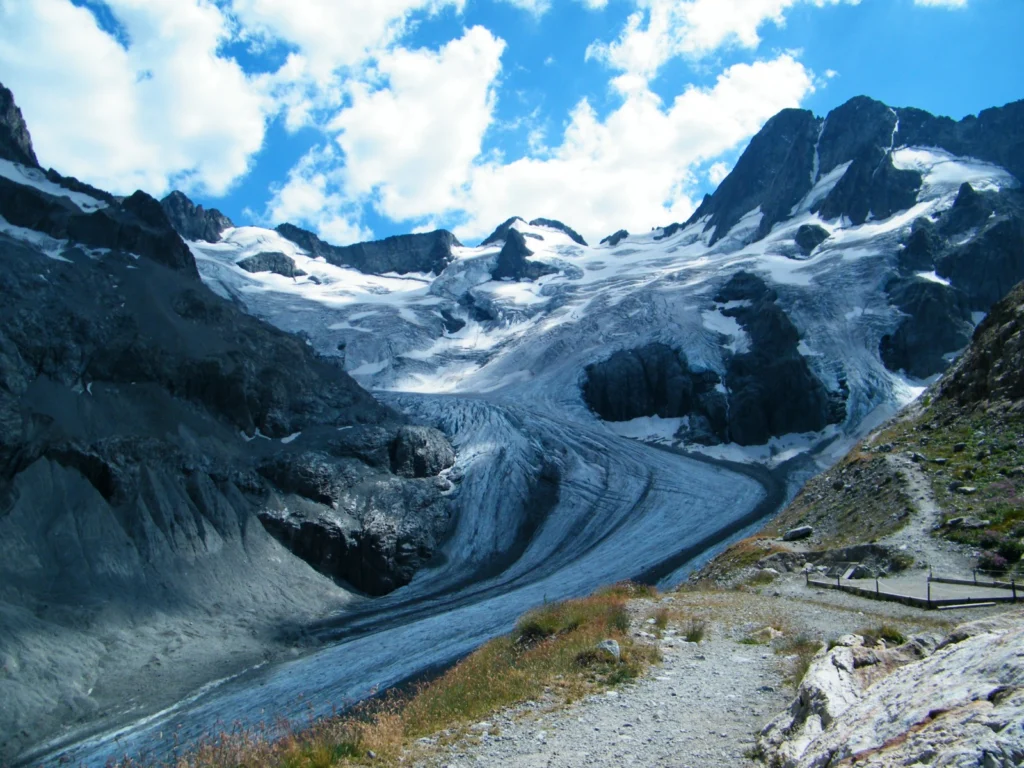
Picture a glacier and you probably imagine a vast, dense mass of slow moving ice; the likes of which you’d expect to see atop the planet’s high peaks and at high latitudes. Now, what if not all glaciers look like that? Take some ice, mix in some rock, snow and maybe a little mud and the result is a rock glacier. Unlike ice glaciers (the ones we are most familiar with), rock glaciers have very litt ...[Read More]

Geosciences Column: The World’s soils are under threat

Geosciences Column: The World’s soils are under threat

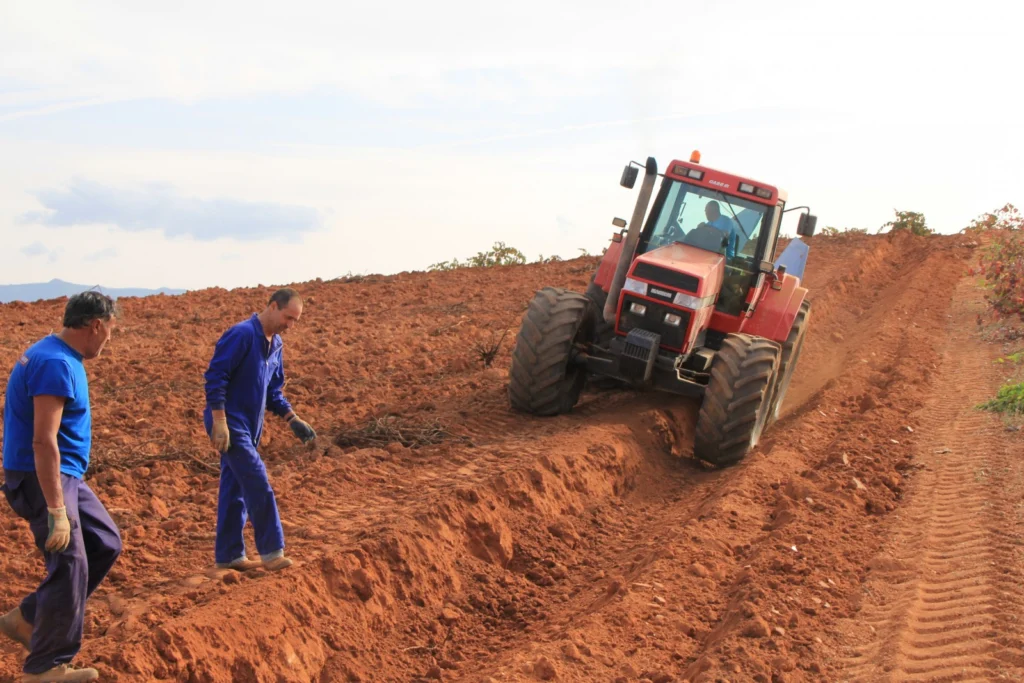
An increasing global population means that we are more dependant than ever on soils. Soils are crucial to securing our future supplies of water, food, as well as aiding adaptation to climate change and sustaining the planet’s biosphere; yet with the decrease in human labour dedicated to working the land, never have we been more out of touch with the vital importance of this natural resource. Now, ...[Read More]

Imaggeo on Mondays: an impressive testimony to the collision between Africa and Europe

Imaggeo on Mondays: an impressive testimony to the collision between Africa and Europe

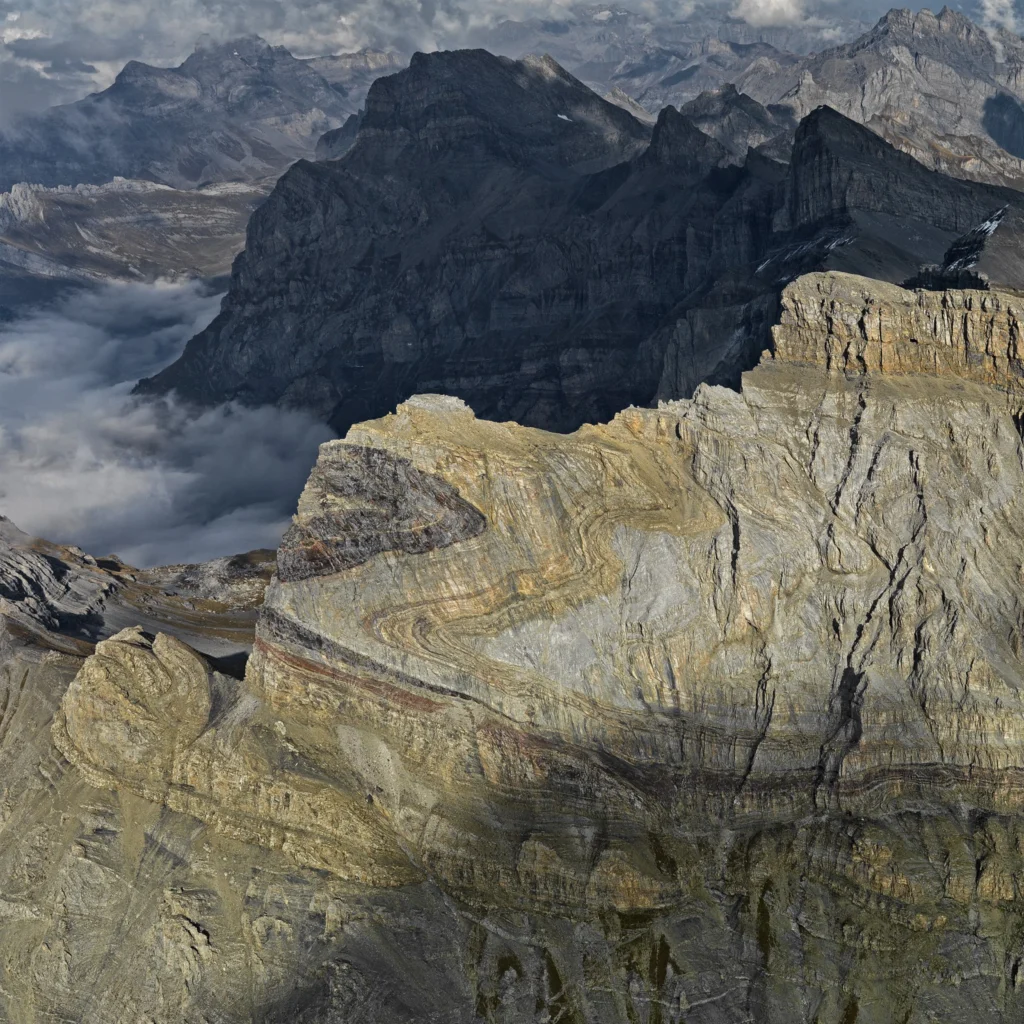
The huge fold in the flank of the 2969 m high Dent de Morcles (in Waadtland Alps, Switzerland) is an impressive testimony to the collision between Africa and Europe (which began some 65 million years ago). The layers, originally deposited on the sea floor in a horizontal position, were compressed and shifted. The darker parts developed during the Tertiary period (66 million years ago). They are yo ...[Read More]

GeoTalk: Matt Taylor of ESA’s Rosetta mission

GeoTalk: Matt Taylor of ESA’s Rosetta mission

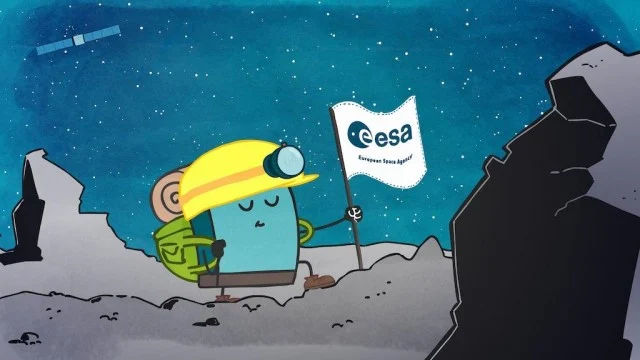
In November 2014, space exploration history was made. Millions of kilometres away, orbiting a piece of ice and rock, the European Space Agency’s (ESA) Rosetta mission sent its probe Philae to become the first spacecraft to soft-land on a comet. After the tense 7-hour wait that followed the separation from the main orbiter, a tweet confirmed that the little lander had successfully completed the fir ...[Read More]

Imaggeo on Mondays: The glacial landscape of Yosemite

Yosemite National Park, in California, is renowned for its beautiful and striking landscapes. So much so, this is the second time it has feature on the blog this summer. While our last post on the park focused on the ancient volcanic history of its landscape, in this post we fast forward to the Plesitocene (some 110,000 to 12,000 years ago) to discover more about how glaciers shaped Yosemite’s lan ...[Read More]

Imaggeo on Mondays: Why is groundwater so important?

Imaggeo on Mondays: Why is groundwater so important?

Groundwater is an often underestimated natural resource, but it is vital to the functioning of both natural and urban environments. Indeed, it is a large source of drinking water for communities world-wide, as well as being heavily used for irrigation of crops and crucial for many industrial processes. The water locked in the pores and cracks within the Earth’s soils and rocks, also plays an impor ...[Read More]

Geosciences Column: Pollen tells a 7300 year old story of Malta’s climate and vegetation

Geosciences Column: Pollen tells a 7300 year old story of Malta’s climate and vegetation

Figuring out what the climate was like, and how it changed, throughout Earth’s history is like trying to complete a 1000 piece puzzle. Except that scientists usually don’t have all the nuggets and building a comprehensive picture relies on a multidisciplinary approach in order to fill in the blanks. This is particularly true during the Holocene, which spans the last 11,700 years of the Earth&#8217 ...[Read More]