GeoLog

EGU Scientific Divisions

GeoTalk: Drilling into the crater which contributed to the demise of dinosaurs

GeoTalk: Drilling into the crater which contributed to the demise of dinosaurs

Six months ago, somewhere in the tropical waters off the coast of Mexico, scientists began drilling into one of the most iconic geological features on Earth: the Chicxulub crater; the 66 million year old remnants of a deadly asteroid impact, thought to have contributed to the demise of dinosaurs and most other forms of life which inhabited the Earth at the time. Today we speak to Sonia Tikoo, Assi ...[Read More]

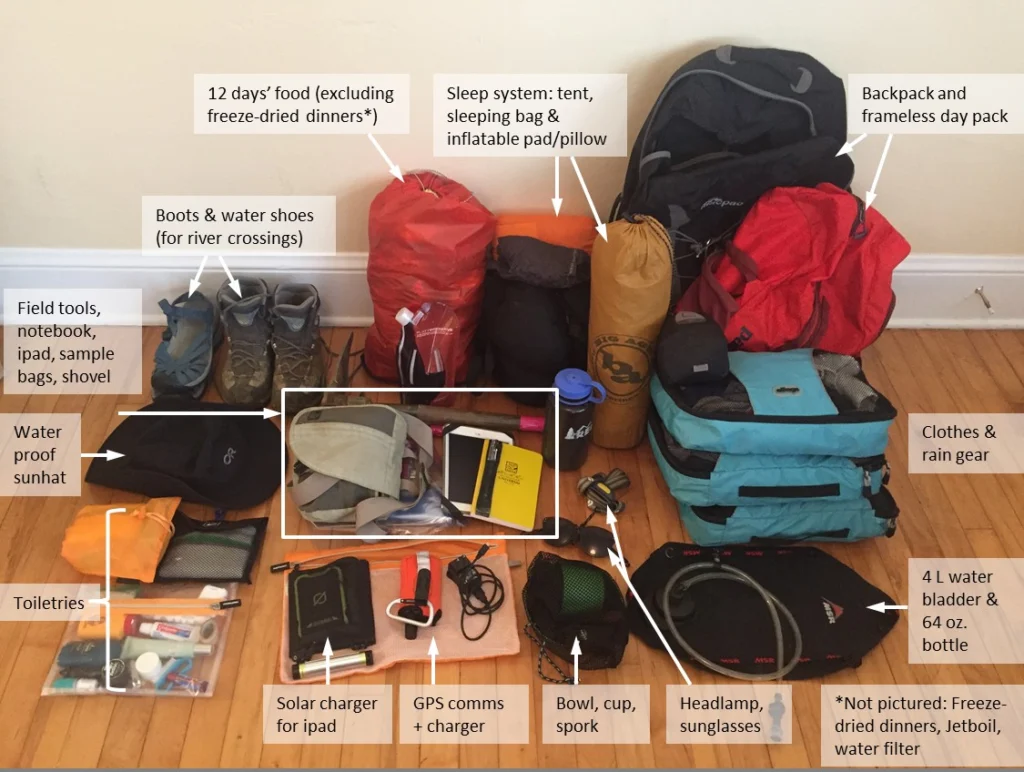
What is in your field rucksack? Backpacking in the wilderness

Inspired by a post on Lifehacker on what your average geologist carries in their rucksack/backpack, we’ve put together a few blog posts showcasing what a range of our EGU members carry in their bags whilst in the field! This bag belongs to: Alexa Van Eaton Field Work location: Glacier Peak volcano, Washington, USA Duration of field work: 12 days What was the aim of the research?: Glacier Peak is a ...[Read More]

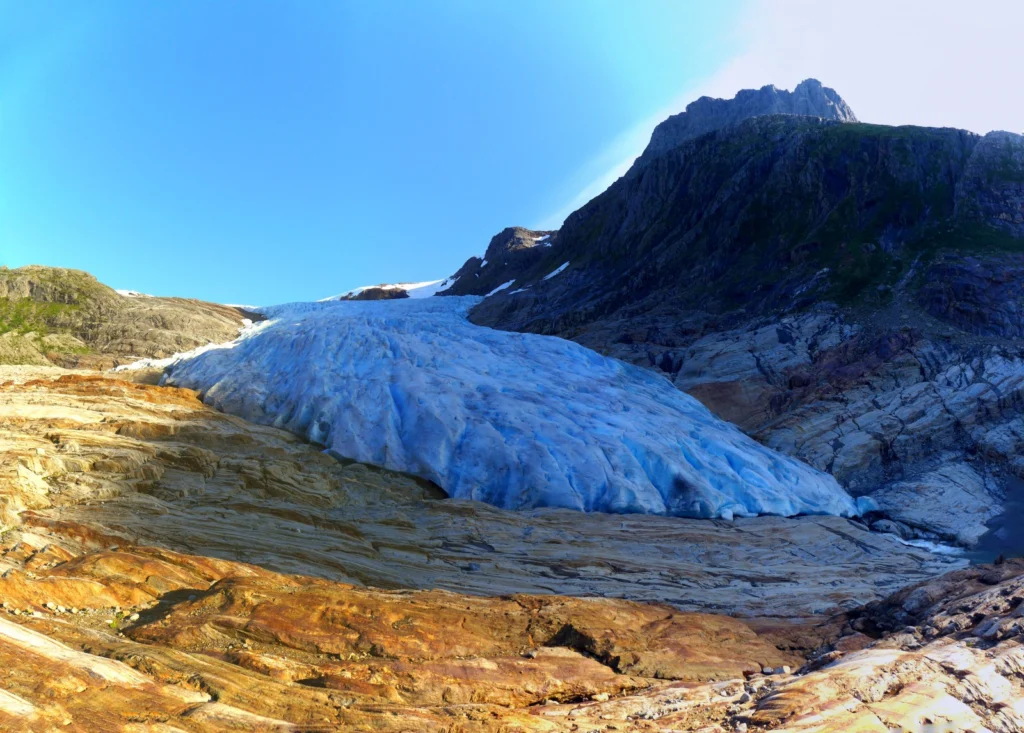
Imaggeo on Mondays: Why does a Norwegian glacier look blue?

Imaggeo on Mondays: Why does a Norwegian glacier look blue?

This picture shows the outlet glacier Engabreen running down from the plateau of Svartisen in Norway. Svartisen ice cap comprises two glacier systems of which the Vestre (western) Svartisen is Norway’s second largest glacier. Located right at the polar circle, Svartisen covers a total of 369 km² of the Nordland region. These coastal mountains accumulate a snowpack of 5-7 m depth through the winter ...[Read More]

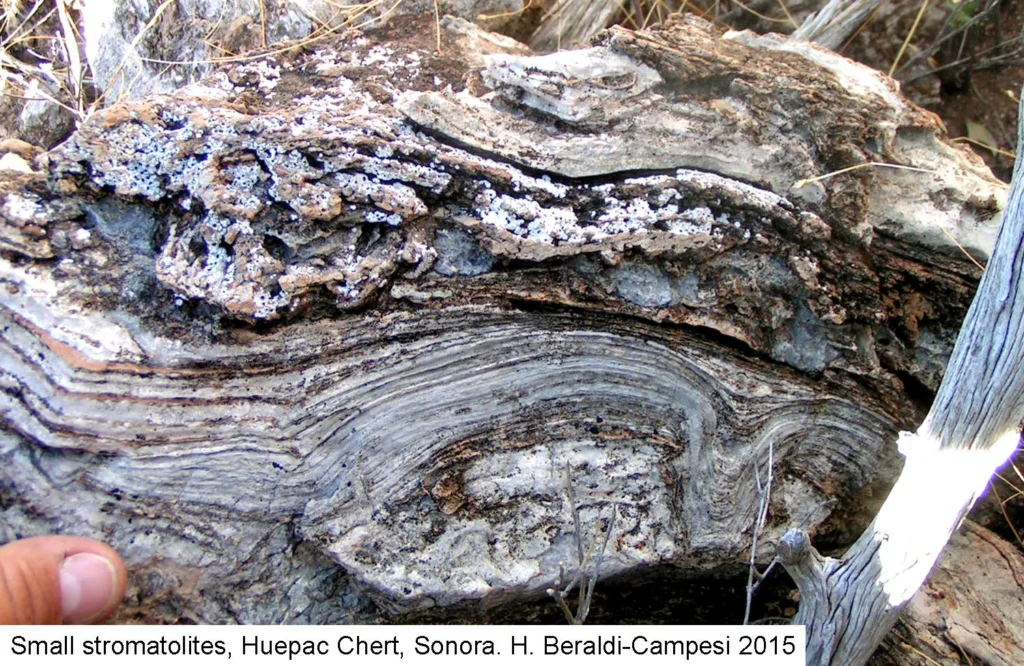
Imaggeo on Mondays: The odd ‘living’ rocks

Imaggeo on Mondays: The odd ‘living’ rocks

Microbialites – structures which result from the interaction between microbes and sediments – have existed in the rock record since 3700 Ma ago until the present day. The presence of microbes in environments where mineral precipitation is prevalent, usually derives in the development of such chemical sedimentary structures. This can take place in marine, non-marine, and subterranean environm ...[Read More]

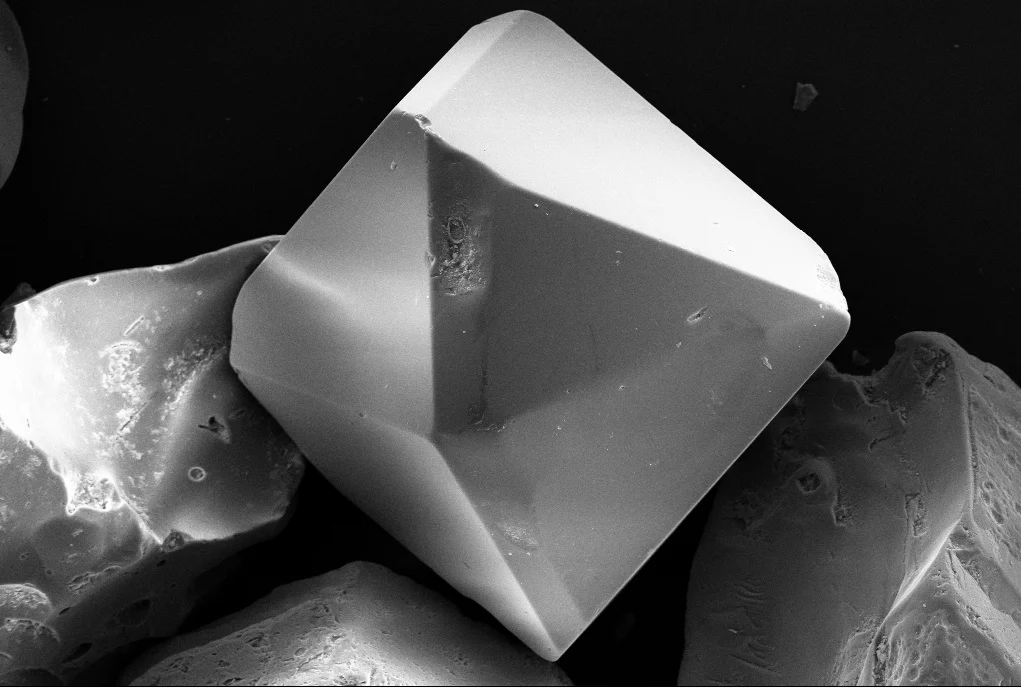
Imaggeo on Mondays: recording the Earth’s magnetic field one grain at a time

Imaggeo on Mondays: recording the Earth’s magnetic field one grain at a time

The Earth’s magnetic field extends from the core of the planet, right out to space. It is an invisible, butterfly-like, shield which protects us against the harmful particles ejected by solar flares. In addition, it guards us from atmospheric erosion and water loss caused by solar wind. But how do scientists study the Earth’s magnetic field when it can’t be see? Much of what is known results from ...[Read More]

Geosciences column: Making aurora photos taken by ISS astronauts useful for research

Geosciences column: Making aurora photos taken by ISS astronauts useful for research

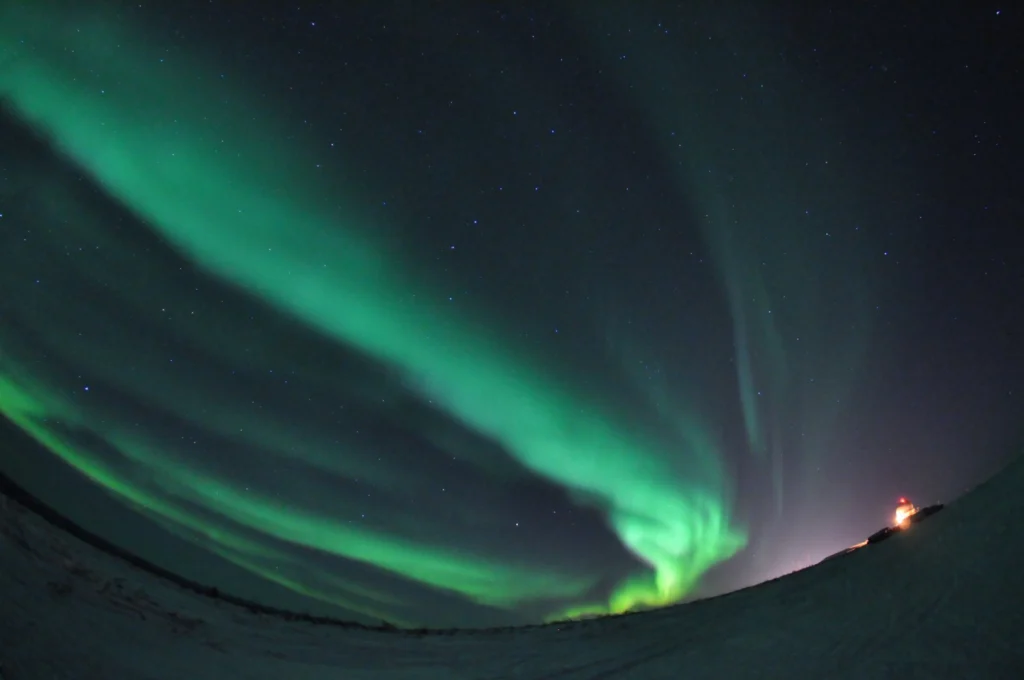
It’s a clear night, much like any other, except that billions of kilometers away the Sun has gone into overdrive and (hours earlier) hurled a mass of charged particles, including protons, electrons and atoms towards the Earth.  As the electrons slam into the upper reaches of the atmosphere, the night sky explodes into a spectacular display of dancing lights: aurora. Aurora remain shrouded in myste ...[Read More]

Celebrating Earth Science Week!

Celebrating Earth Science Week!

For those not so familiar with the Earth sciences, geosciences and all its subdisciplines might be shrouded in mystery:  boring, unfathomable, out of reach and with little relevance to everyday life. Nothing could be further from the truth! Earth Science Week, an international annual celebration founded by the American Geosciences Institute in 1998, aims to change the public’s perception of the ge ...[Read More]

Imaggeo on Mondays: The invaluable role of soil dwellers

Imaggeo on Mondays: The invaluable role of soil dwellers

That soils are vital to secure our future supplies of water, food, as well as aiding adaptation to climate change and sustaining the planet’s biosphere is a subject we’ve featured on the blog as recently as the summer. That’s because never have humans been more out of touch with the vital importance of this natural resource. Inhabiting among soil particles thrives an even less familiar, but equall ...[Read More]

Imaggeo on Mondays: the rocks that look like Swiss cheese

Imaggeo on Mondays: the rocks that look like Swiss cheese

Over the course of centuries and millennia, the force of winds, seas, ice and rains, sculpt rock formations around the globe. From the world-famous glacier carved landscapes of Yosemite National Park, to the freeze-thawed hoodoos at Bryce National Park, through to the wind battered stone pillars of South China Karst, boundless geological formations have been transformed by the power of erosion and ...[Read More]

GeoTalk: Investigating the transport of plastic pollution in the oceans

GeoTalk: Investigating the transport of plastic pollution in the oceans

Geotalk is a regular feature highlighting early career researchers and their work. In this interview we speak to Erik van Sebille, an oceanographer at the Grantham Institute at Imperial Collage London, and winner of the 2016 OS Outstanding Young Scientist Award. As an expert in understanding how oceans transport all kinds of materials, from water and heat through to plastics, Erik has gained detai ...[Read More]