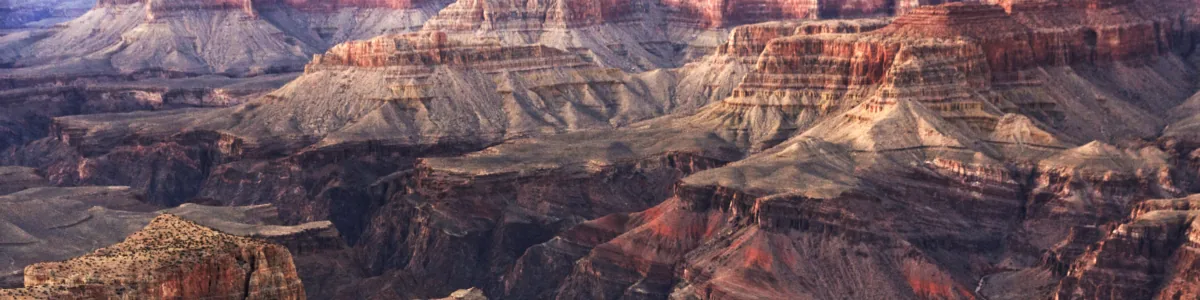
Detail of a photo: Maze of layered canyon walls and buttes in bands of red, cream and grey, receding into the distance in soft evening light.
GeoLog

EGU Scientific Divisions

Imaggeo on Mondays: Heavy machinery
Imaggeo on Mondays: Heavy machinery
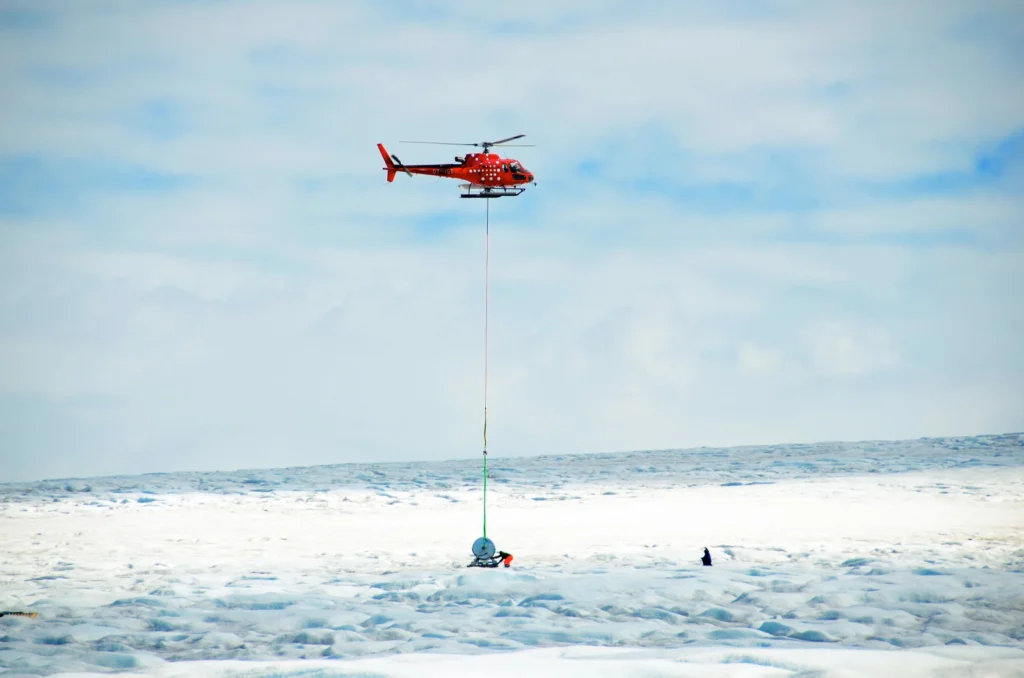
How do you get heavy machinery, such as a drill spool onto an ice sheet? This week’s imaggeo on Mondays’ photography captures the freighting of components of a hot water drill to directly access and observe the physical and geothermal properties at the ice-bed interface. In the image, SAFIRE principal investigator Bryn Hubbard and post-doc Sam Doyle help fly in the …[Read More]

GeoPolicy: 8 science-based projects improving regions in the EU

GeoPolicy: 8 science-based projects improving regions in the EU

As scientists, it can sometimes be difficult to see the real-world implications of some of our research. Concepts can often seem abstract and remote when sitting in a lab or taking field measurements. But researching the Earth sciences can have profound effects on global society. Understanding how the natural world works can help protect and …[Read More]

Imaggeo on Mondays: The British Winter Storms

Imaggeo on Mondays: The British Winter Storms

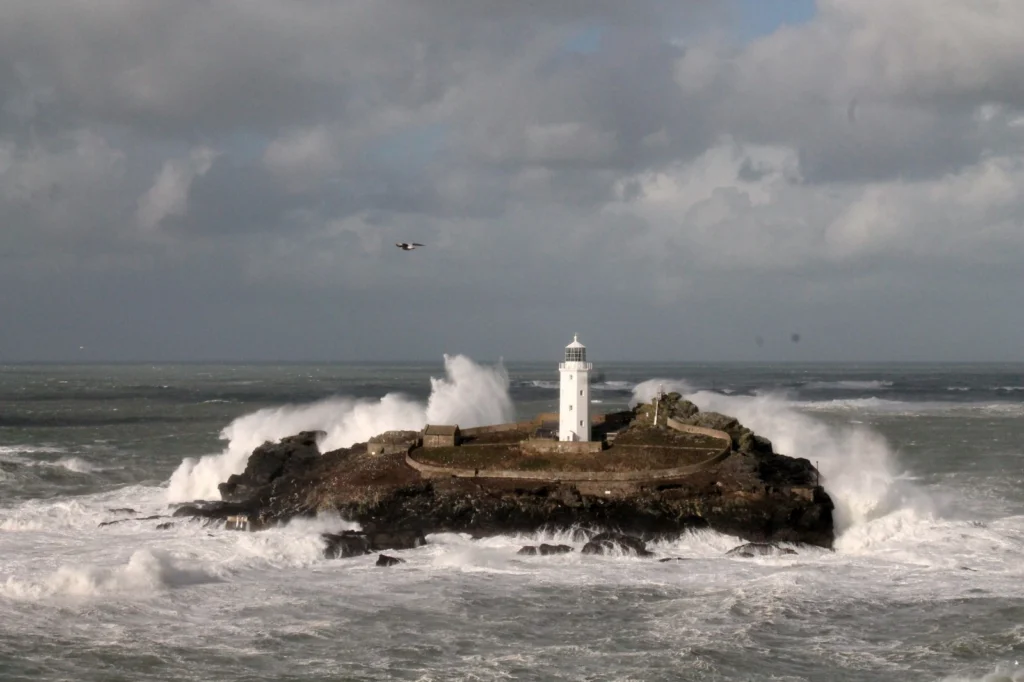
This week’s imaggeo on Monday’s photography is Godrevy Lighthouse in North Cornwall (UK) experiencing the full force of the 2013/14 British Winter Storms which caused damage across the south west of the country. During mid-December 2013 to mid-February 2014 the UK was hit by six major storms bringing record precipitation, strong winds, huge waves and …[Read More]

Testing triggers of catastrophic climate change

Testing triggers of catastrophic climate change

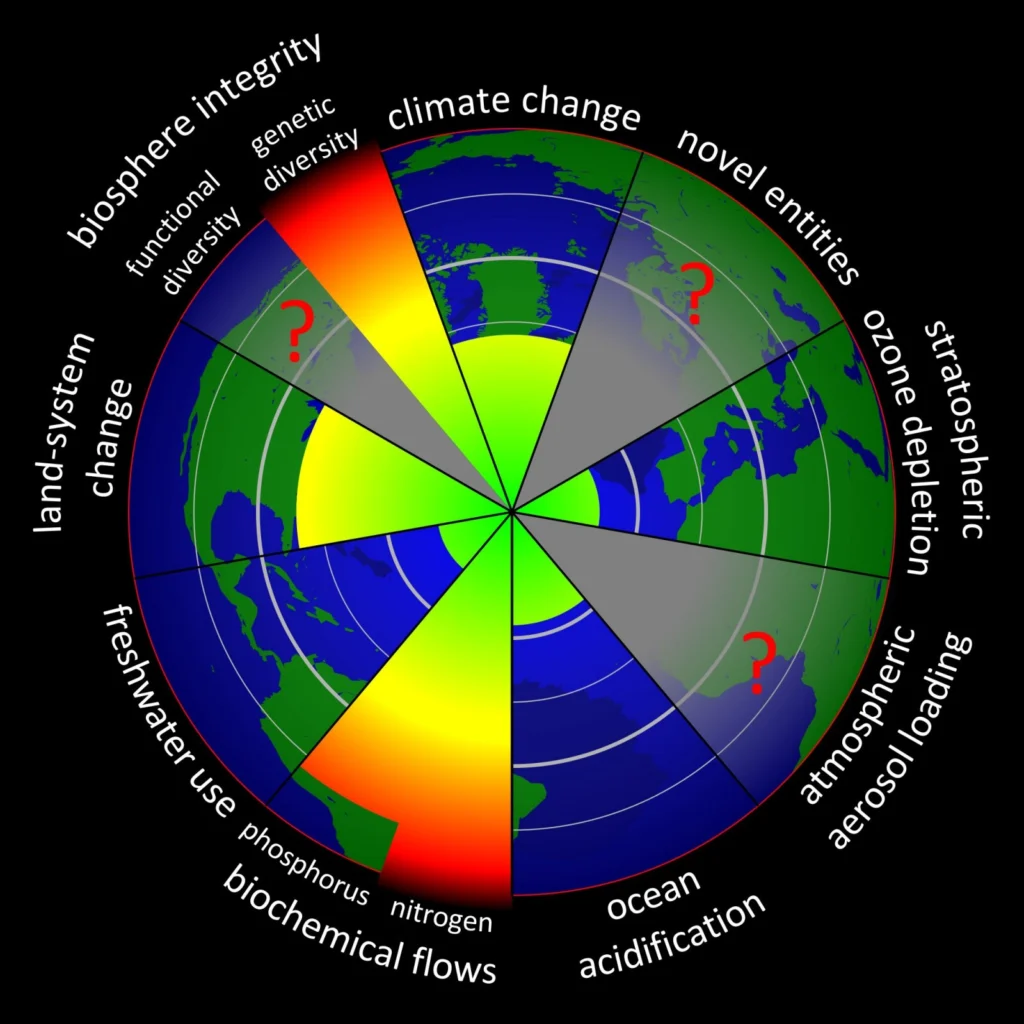
The research presented during the EGU’s 2016 General Assembly have wide-reaching implications for how we understand planet Earth. In today’s post, Sara Mynott, an EGU press assistant during the conference, writes about findings presented at the meeting which highlight the importance of the biosphere when it comes to understanding the threat posed to our planet …[Read More]

GeoPolicy: What’s next for the IPCC & how can early career scientists get involved? An interview with Valérie Masson-Delmotte

GeoPolicy: What’s next for the IPCC & how can early career scientists get involved? An interview with Valérie Masson-Delmotte

This month’s GeoPolicy post is an interview with the newly-appointed co-chair of the Intergovernmental Panel on Climate Change (IPCC) Working Group 1 (WG1): Valérie Masson-Delmotte. Valérie is also a Principle Investigator at the Laboratoire des Sciences du Climat et de l’Environnement, Paris. In this interview she discusses how she balances her two roles, what the …[Read More]

Imaggeo on Mondays: Storm on the Rock

Imaggeo on Mondays: Storm on the Rock

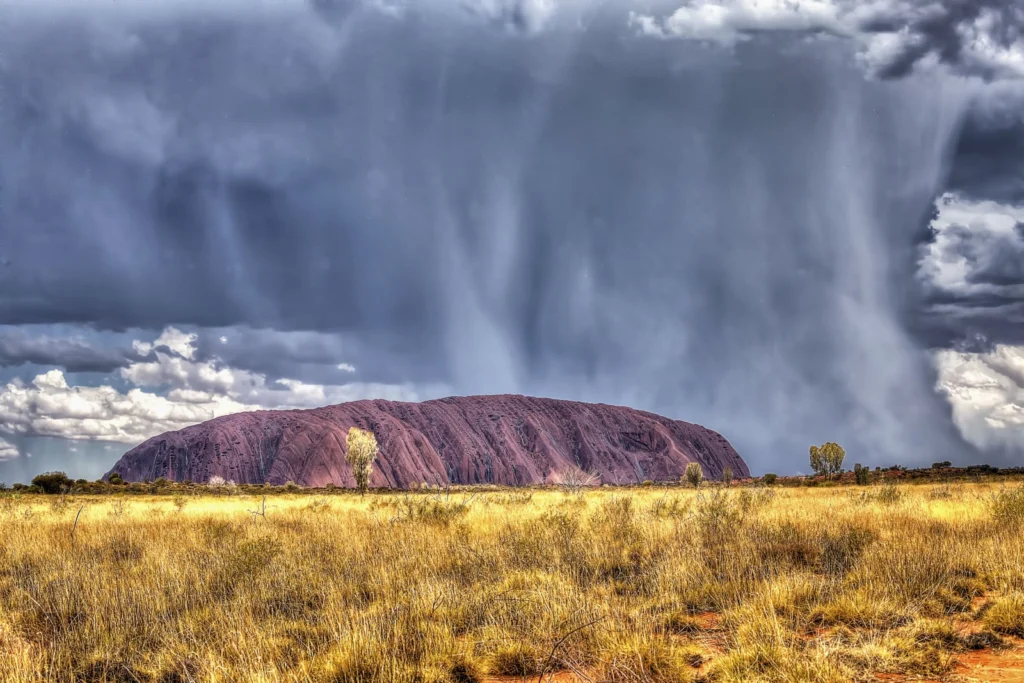
This is a photograph of Uluru, in the Northern Territory of Australia, on a hot and humid summer afternoon. As lightning flashed about, torrential rains swept across the landscape and silver rivulets of water began to rush down the sides of the mountain. Uluru is made of red-coloured Proterozoic arkosic sandstones, a coarse grained lithology …[Read More]

Great walls of fire – Vitrification and thermal engineering in the British Iron Age

Great walls of fire – Vitrification and thermal engineering in the British Iron Age

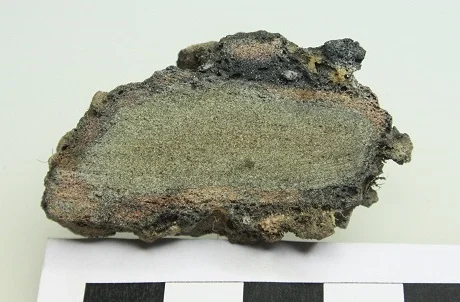
It’s long been recognised the peoples of European prehistory occasionally, and quite deliberately, melted the rocks from which their hilltop enclosures were made. But why did they do it? In today’s blog post Fabian Wadsworth and Rebecca Hearne explore this question. Burning questions Throughout the European Bronze and Iron Ages (spanning 2600 years from 3200 …[Read More]